
 By Asro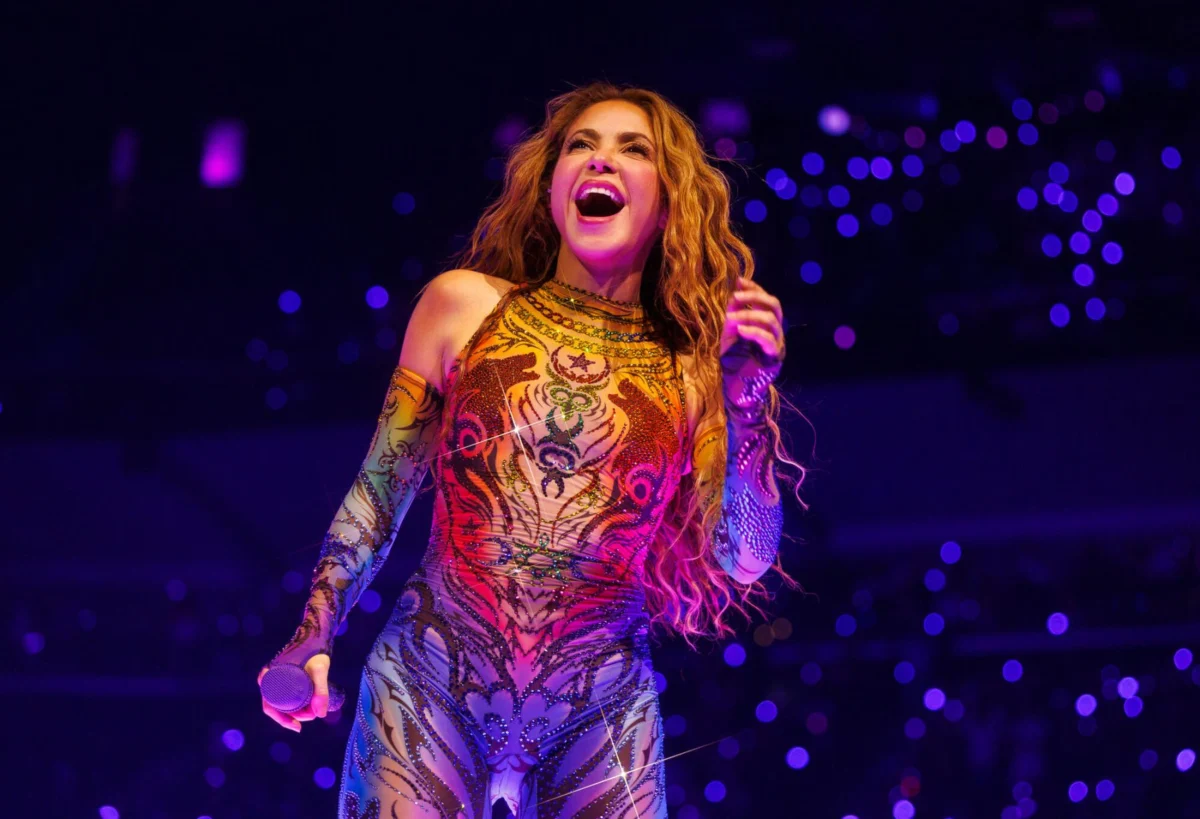
By Editorial Staff
July 16, 2026
As the world turns its collective gaze toward MetLife Stadium in New Jersey, the air is thick with the electricity that only a FIFA World Cup final can generate. On July 19, Spain and Argentina will take the pitch, marking the climax of a tournament that has been as much about cultural convergence as it has been about athletic prowess. While the tactical battles between these two nations will dominate the headlines this weekend, the sonic backdrop of the 2026 tournament has already cemented its place in history.
"Dai Dai," the official anthem performed by global icon Shakira and Nigerian superstar Burna Boy, has transcended its status as a promotional track to become the definitive pulse of the 2026 FIFA World Cup. From the opening match in Mexico City on June 11 to the final whistle in the United States, the song has acted as a bridge, connecting the three host nations—Mexico, Canada, and the U.S.—through a fusion of rhythm, unity, and philanthropy.
A Sonic Tapestry: The Anatomy of a Global Anthem
When FIFA commissioned the track for the 2026 games, the directive was clear: create a sound that reflected the diversity of the host region while maintaining the high-octane energy required for the world’s most-watched sporting event. The result, "Dai Dai," is a masterclass in modern musical fusion.
Released in May 2026, the track serves as a seamless marriage of genres. The production weaves together the percussive complexity of Afrobeats, the infectious groove of dance-pop, and the rhythmic urgency of reggaetón. By pairing Shakira—whose legacy in World Cup music is unrivaled—with Burna Boy, a titan of the global Afrobeats movement, the anthem achieved instant credibility across multiple demographics and continents.

The lyrical content of the song avoids the clichés of typical sports anthems. Instead of focusing solely on victory, "Dai Dai" centers on the narrative of the underdog. It pays homage to the legends who paved the way—shouting out icons like Lionel Messi, Cristiano Ronaldo, David Beckham, and Kaká—while simultaneously grounding the message in the struggle of the aspiring athlete.
Chronology of a Cultural Phenomenon
The trajectory of "Dai Dai" from a studio recording to a cultural phenomenon was rapid and deliberate:
- April 2026: Rumors circulate regarding a high-profile collaboration between a Colombian music icon and a Nigerian superstar for the upcoming World Cup.
- May 2026: "Dai Dai" is officially released worldwide, accompanied by a high-budget music video featuring cross-cultural imagery from Mexico, Canada, and the United States.
- June 11, 2026: The song premieres live during the opening ceremony in Mexico City, sparking an immediate surge in streaming numbers and social media engagement.
- Late June 2026: The track becomes the unofficial soundtrack for fan fests across the three host countries. TikTok and Instagram Reels are flooded with user-generated content featuring the track, cementing its "viral" status.
- July 2026: As the tournament reaches the knockout stages, "Dai Dai" is officially recognized as the most-streamed sports-related song of the year, echoing the success of previous anthems but with significantly higher digital penetration.
Data and Digital Impact: A Viral Revolution
The success of "Dai Dai" is not merely anecdotal; it is backed by unprecedented digital metrics. In an era where music discovery is driven by algorithmic virality, the song’s rapid climb on streaming platforms has been nothing short of historic.
Data analysts note that "Dai Dai" has seen a 400% increase in daily streams compared to previous tournament anthems during the same window of time. The song’s popularity on short-form video platforms—where fans have used it to soundtrack their own match-day experiences, stadium tours, and amateur soccer skills—has created a recursive loop of promotion.
Furthermore, the track’s performance on international charts—spanning the Latin Airplay, Billboard Global 200, and regional charts in Nigeria and the U.S.—demonstrates a rare cross-cultural appeal. It has effectively bypassed the traditional "geofencing" of music, finding a home on playlists from Lagos to Los Angeles and from Madrid to Buenos Aires.

The Philanthropic Dimension: Beyond the Beat
Perhaps the most significant aspect of "Dai Dai" is its commitment to social impact. In a move that has been widely praised by global organizations, it was announced at the time of the song’s release that 100% of its royalties would be donated to the FIFA Global Citizen Education Fund.
This initiative is designed to provide sustainable educational and soccer resources to underserved communities worldwide. By tying the commercial success of the anthem to a tangible charitable cause, Shakira and Burna Boy have redefined the role of the "World Cup Song." It is no longer just a promotional tool for the tournament; it is a vehicle for tangible, long-term change.
"It’s a message for every child who’s been told that their dream is too big," Shakira noted in a recent interview. "We wanted to remind people that every champion we see on the pitch today started as a kid who faced hardship. Someone believed in them, and that support is what prevented them from giving up. This fund is about being that someone for the next generation."
Official Responses and Industry Recognition
FIFA officials have expressed profound satisfaction with the anthem’s performance. In a statement released from the Zurich headquarters, a FIFA spokesperson described "Dai Dai" as "the perfect embodiment of the 2026 World Cup’s spirit of inclusivity and excellence."
Industry experts have also weighed in, noting that the selection of Shakira was a strategic masterstroke. As the "Queen of World Cup Music," following her iconic work on 2010’s "Waka Waka (This Time for Africa)," Shakira brought a sense of continuity and prestige to the project. Burna Boy, meanwhile, provided the necessary contemporary edge, ensuring that the sound remained fresh and relevant to a younger, digitally native audience.

"There is a weight to a World Cup song that can crush a lesser artist," says music industry analyst Marcus Thorne. "You are effectively writing the soundtrack for the planet’s emotions for a month. By choosing these two, FIFA opted for gravitas and innovation. The song didn’t just survive the tournament; it helped define it."
Implications for Future Tournaments
The success of "Dai Dai" sets a new benchmark for what fans and stakeholders expect from FIFA’s musical commissions. Going forward, the "World Cup Anthem" will likely be evaluated not just on its catchy chorus, but on its ability to drive social impact and facilitate cross-genre, cross-border collaboration.
The implications are clear: the future of global sports branding lies in authentic, mission-driven content. By bridging the gap between Latin American, African, and North American musical traditions, "Dai Dai" has provided a template for how major international events can foster unity in a fragmented world.
Conclusion: The Legacy of a Summer
As the final whistle blows on the 2026 World Cup at MetLife Stadium, the debate over who wins the golden trophy will eventually settle. However, the legacy of this tournament will be inextricably linked to the rhythm of "Dai Dai."
It served as the soundtrack for the goal-scoring celebrations, the consolation for the defeated, and the anthem for a generation of fans who experienced the tournament as a truly global digital experience. Whether it is remembered for its infectious beat, its star-studded collaboration, or its dedication to the FIFA Global Citizen Education Fund, "Dai Dai" has secured its place in the pantheon of sports history.

For now, the world waits for the final match. But in the hours leading up to kickoff, as fans gather in New Jersey, they will be singing the same words, united by the same melody—a testament to the power of music to bring the world together, one beat at a time.
 Lina Irawan
  Lina Hope
  Siti Muinah