
 By Ali Ikhwan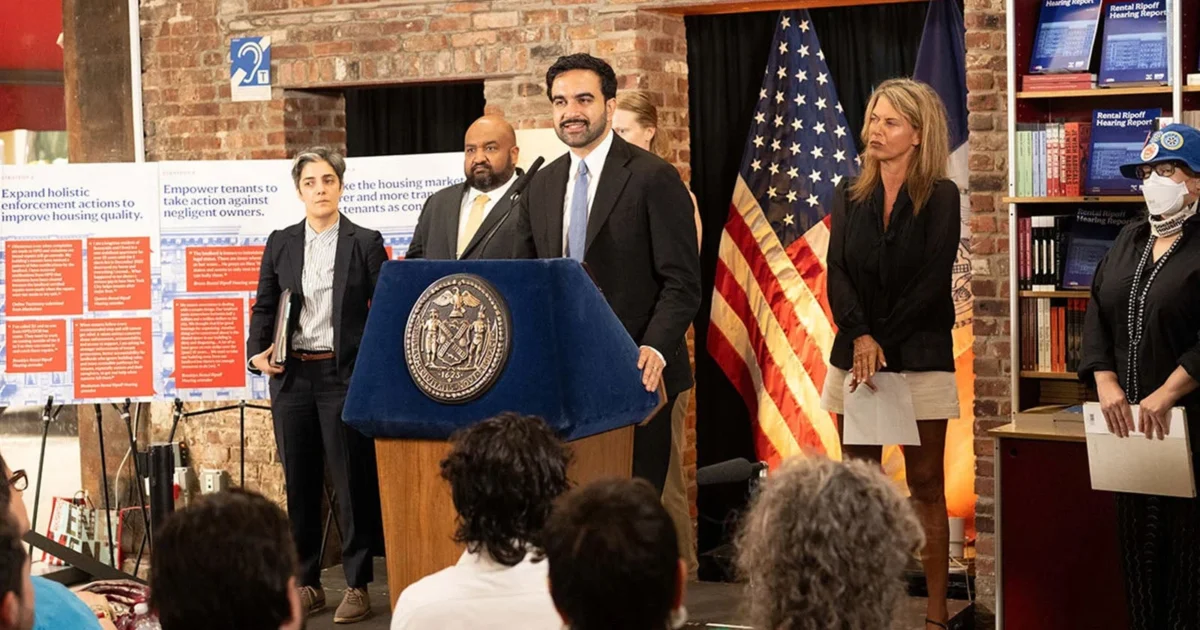
NEW YORK CITY — In a bold legislative push to reshape the landscape of the city’s notoriously cutthroat rental market, New York City Mayor Zohran Mamdani has unveiled a sweeping initiative aimed at curbing predatory landlord behavior. The centerpiece of this effort is a new mandate requiring landlords and real estate brokers to explicitly disclose the use of artificial intelligence in property listings—a move designed to end the era of "digital bait-and-switch" tactics that have left thousands of prospective tenants feeling deceived.
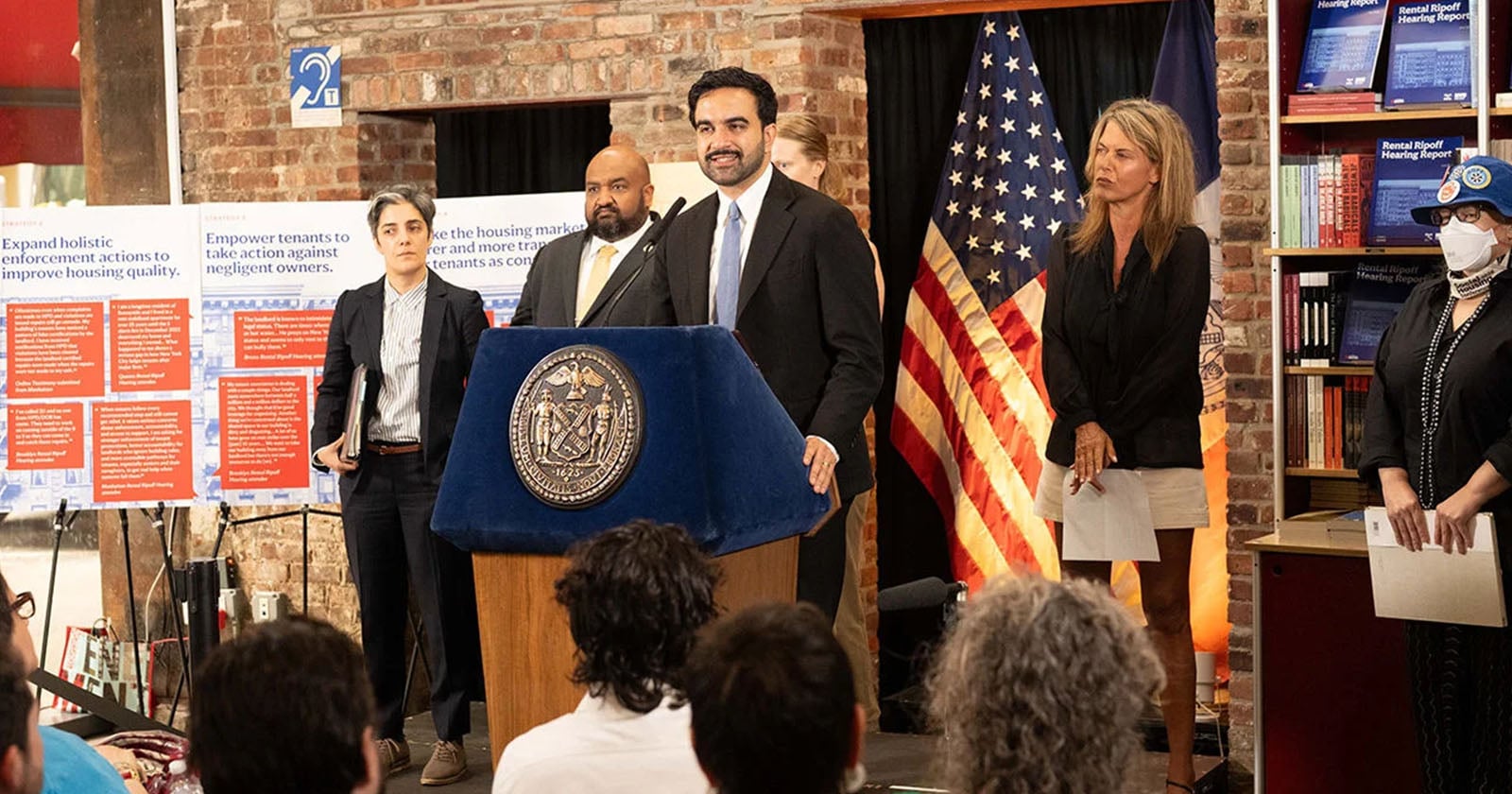
The announcement, released alongside a comprehensive document titled the Rental Ripoff Report, marks a significant escalation in the administration’s efforts to prioritize tenant rights. Coming just 24 hours after the Mayor introduced a "click-to-cancel" rule targeting subscription-based corporate services, the housing directive signals a broader, aggressive policy agenda aimed at consumer protection and transparency.
The Chronology of Change: From Listening Tours to Legislative Action
The impetus for this policy shift dates back to the very first week of Mayor Mamdani’s tenure. Recognizing that the city’s housing crisis was being exacerbated by a lack of oversight, the Mayor’s office launched the "Rental Ripoff Hearings." These public forums were designed to bypass bureaucratic filters and bring the administration face-to-face with the realities of New York City living.
Over the course of several months, the administration conducted hearings across all five boroughs, facilitating direct dialogues with 2,400 residents. The testimony gathered during these sessions painted a grim picture of the rental experience: systemic neglect of mold infestations, unchecked pest issues, hidden administrative fees, and a pervasive culture of deception in online real estate listings.
Following the collection of this testimony, the Mayor’s Office to Protect Tenants spent weeks synthesizing the data into the Rental Ripoff Report. Released today, the report serves as both a manifesto for tenant rights and a blueprint for regulatory enforcement, setting the stage for a new era of municipal oversight in the housing sector.
The AI Problem: When Reality Fails to Match the Screen
While the Rental Ripoff Report addresses a wide array of tenant grievances, the inclusion of AI disclosure requirements has drawn significant attention from the tech and real estate sectors.
In recent years, the use of Generative AI (GenAI) in real estate has exploded. What began as a tool to enhance lighting or digitally "stage" empty rooms has devolved into a practice of total misrepresentation. Prospective tenants—particularly those moving from out of state or those forced to sign leases remotely due to work constraints—are increasingly encountering listings that bear little resemblance to the physical property.
Instances of AI-generated imagery range from the subtle (digitally removing water damage or trash) to the bizarre (erroneous AI artifacts resulting in "demonic" or nonsensical architectural features). For a renter, however, the result is the same: they arrive at a property to find it in a state of disrepair that the photos never hinted at.
"The digital manipulation of rental properties is not merely an aesthetic choice; it is a fraudulent practice that preys on the vulnerability of the housing-insecure," says a spokesperson for the Mayor’s office. "When a tenant signs a lease based on a digitally sanitized or entirely falsified image, they are being robbed of their right to make an informed decision."
By requiring landlords to disclose the use of AI, the city aims to force transparency. Failure to label these images would ostensibly open landlords up to fines and legal scrutiny, theoretically curbing the impulse to "hallucinate" luxury amenities or hide structural flaws through algorithmic editing.
Supporting Data: Why Tenant Power Matters
The Rental Ripoff Report is not merely a collection of anecdotes; it is supported by a growing body of evidence regarding the power imbalance in the NYC housing market. The report emphasizes the necessity of strengthening tenant unions, arguing that the only way to counteract the consolidation of real estate power is to facilitate collective bargaining.
According to data compiled by the Mayor’s office:
- The "Remote Renter" Trap: Nearly 30% of New York City lease agreements are now signed by individuals who have not physically toured the unit, a figure that has tripled since 2020.
- The Maintenance Gap: Tenants in rent-regulated units report a 40% higher satisfaction rate with maintenance when part of a recognized tenant union.
- The Deception Premium: Research suggests that units advertised with "digitally enhanced" photography receive 25% more inquiries, even if the actual property is underperforming in quality standards compared to similar market-rate apartments.
These statistics have emboldened the administration to propose a "21st-century code enforcement system," which would utilize digital tracking to ensure that landlords who receive repeated complaints are flagged for immediate inspection.
Official Responses: A United Front for Housing Justice
The administration has presented a unified front in defending these new measures. Mayor Mamdani’s remarks during the press conference underscored the moral imperative of the policy:
"At Rental Ripoff Hearings across the five boroughs, we heard from thousands of New Yorkers living with mold that was never treated, pests that were never addressed, and fees that were never explained," Mamdani stated. "Listening was only the first step. This report turns those stories into concrete action. From requiring disclosure of AI-altered listings to bringing our code enforcement systems into the 21st century and finally recognizing tenant unions, we are making it clear that every New Yorker deserves a safe home—and every landlord who refuses to provide one will be held accountable."
Leila Bozorg, the Deputy Mayor for Housing and Planning, echoed these sentiments, emphasizing that these policies were not created in a vacuum. "These policies are rooted in real experiences and address real concerns," she noted. "We are moving from a reactive housing policy to a proactive one."
Cea Weaver, Director of the Mayor’s Office to Protect Tenants, framed the initiative as a shift in the city’s power dynamics. "The Rental Ripoff Hearings and today’s report are writing a new chapter in tenant power in New York City. Governing is a partnership. By bringing tenants’ voices directly into policy and taking unprecedented steps to facilitate tenant organizing across the city, we are showing what governing with New Yorkers looks like."
Implications: The Road Ahead
The implications of the Rental Ripoff Report are vast. If implemented successfully, the AI disclosure mandate would set a national precedent, likely influencing other major metropolitan areas grappling with similar issues.
However, the path to enforcement will not be without challenges. Real estate industry groups are expected to push back, potentially arguing that the disclosure requirements place an undue administrative burden on small-scale landlords. Furthermore, defining exactly what constitutes an "AI-altered" image—given that most modern smartphones use computational photography to adjust exposure and focus—will require precise legal definitions to avoid litigation.
Despite these hurdles, the administration remains undeterred. By centering the tenant experience, Mayor Mamdani is signaling that the era of "buyer beware" in the New York rental market is reaching a sunset. The combination of legislative mandates, a focus on digital transparency, and the empowerment of tenant unions suggests a fundamental shift in how the city views the landlord-tenant relationship.
As the city moves to codify these recommendations into law, all eyes will be on how the real estate industry adapts. For now, New Yorkers who have felt marginalized by the housing crisis finally have a document that acknowledges their struggle—and, more importantly, a plan to address it.
 Raul Delapena Setiawan
  rifanmuazin
  Ammar Sabilarrohman