
 By Nana Muazin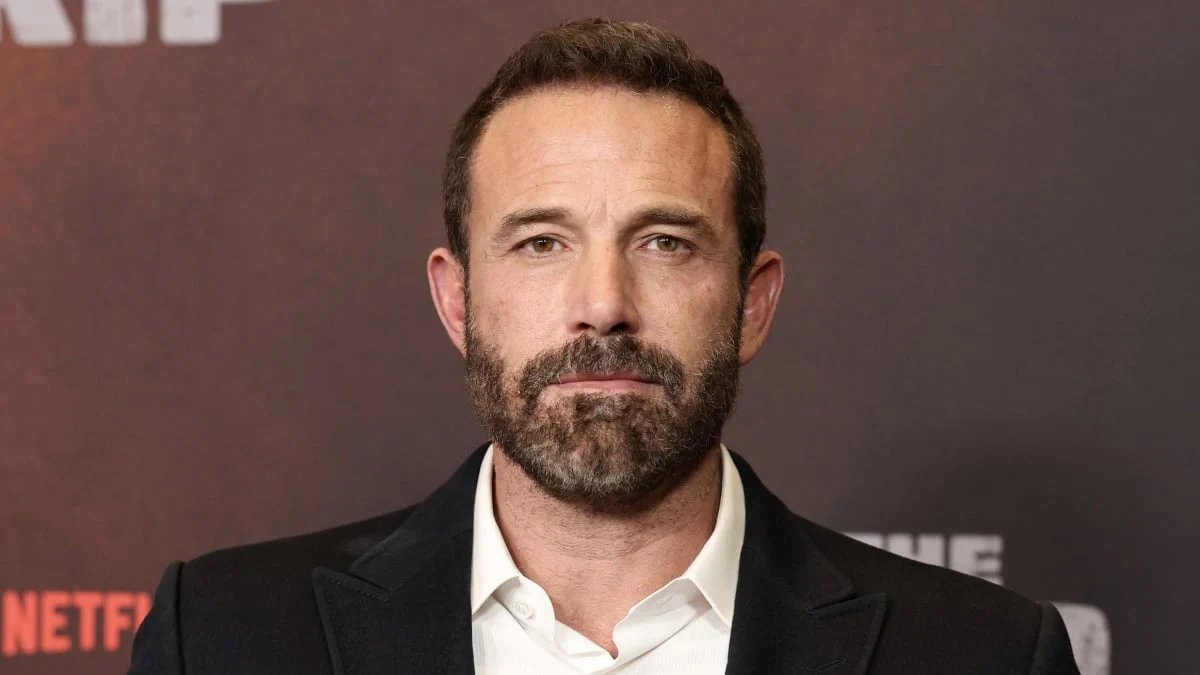
In a landmark transaction that signals a profound shift in the integration of artificial intelligence within the entertainment industry, streaming giant Netflix has acquired InterPositive, an AI-focused production startup co-founded by Oscar-winning filmmaker Ben Affleck.
The acquisition, completed in early 2026, represents one of the most significant financial commitments a major Hollywood studio has made to proprietary AI technology. By bringing InterPositive’s specialized tools in-house, Netflix is positioning itself to fundamentally alter the economics of filmmaking, aiming to slash post-production timelines, streamline VFX pipelines, and significantly reduce physical production costs.
Main Facts: The $587 Million Cash Transaction
The financial parameters of the deal were officially brought to light through regulatory disclosures. According to Netflix’s Form 10-Q filing with the Securities and Exchange Commission (SEC), the streaming service paid $587 million in cash for an acquisition completed in March 2026.
While the SEC filing did not explicitly name the acquired entity—a common practice in corporate reporting for proprietary asset acquisitions—the timing, transaction type, and valuation align precisely with Netflix’s public announcement regarding InterPositive.
Transaction Details at a Glance:
- Buyer: Netflix, Inc.
- Target: InterPositive (Co-founded by Ben Affleck in 2022)
- Purchase Price: $587 million
- Payment Method: All-cash transaction
- Transaction Date: March 2026
Prior to the SEC filing, industry speculation regarding the price tag had circulated widely. Financial analysts and industry insiders had estimated the transaction value to be in the mid-to-high nine figures. A report published by Bloomberg shortly after the initial acquisition announcement estimated that Netflix could pay as much as $600 million for the firm. The final disclosed figure of $587 million confirms that Netflix was willing to deploy a massive portion of its capital reserves to secure exclusive ownership of Affleck’s technology.
Unlike generic generative AI startups that focus on text-to-video prompt engineering, InterPositive was built specifically to address the technical bottlenecks of professional film production. The startup’s proprietary technology is designed to integrate directly into the workflows of directors, editors, and VFX artists, offering film-specific machine learning models that optimize post-production processes such as color grading, sound mixing, and visual effects rendering.
Chronology: From Conception to SEC Disclosure
The journey of InterPositive from a stealth-mode Hollywood startup to a half-billion-dollar Netflix asset unfolded over a four-year period characterized by rapid technological advancement and shifting industry attitudes toward AI.
CHRONOLOGY OF THE ACQUISITION
┌────────────────────────────────────────────────────────┐
│ 2022: Ben Affleck founds InterPositive                 │
├────────────────────────────────────────────────────────┤
│ 2024: InterPositive files key workflow patents         │
├────────────────────────────────────────────────────────┤
│ March 5, 2026: Netflix & InterPositive announce merger │
├────────────────────────────────────────────────────────┤
│ March 11, 2026: Bloomberg estimates deal at $600M      │
├────────────────────────────────────────────────────────┤
│ April 2026: Deadline exposes patent cost-saving data   │
├────────────────────────────────────────────────────────┤
│ May 2026: SEC Form 10-Q confirms $587M cash price      │
└────────────────────────────────────────────────────────┘
2022: The Genesis of InterPositive
During the height of the initial generative AI boom in 2022, Ben Affleck began quietly observing how machine learning models were being developed and marketed. Recognizing that existing foundational models were poorly suited for the nuanced demands of high-end cinematic storytelling, Affleck founded InterPositive. His goal was to build a creator-first AI company that focused on utility, workflow efficiency, and intellectual property protection rather than wholesale content generation.
2024: Securing Intellectual Property
InterPositive focused its early years on research and development. In 2024, the company filed a series of comprehensive patent applications. These patents detailed proprietary methods for using machine learning to automate tedious post-production tasks, optimize scheduling, and digitally reconstruct elements of physical sets. These filings would later serve as the technical foundation—and the primary valuation driver—for the Netflix acquisition.
March 5, 2026: The Acquisition Announcement
Netflix and InterPositive officially announced the acquisition. The joint statement framed the merger as a partnership aimed at empowering filmmakers rather than replacing them, utilizing the phrase "creator-led innovation." A promotional video featuring Affleck was released simultaneously to explain the startup’s philosophy and assuage industry fears regarding AI automation.
March 11, 2026: Financial Speculation Begins
Bloomberg published an analysis of the deal, citing anonymous sources close to the transaction. The report estimated the acquisition value at up to $600 million, highlighting Netflix’s aggressive pursuit of proprietary production technology to combat rising content creation costs.
April 2026: Patent Details Revealed
An investigative report by Deadline brought the details of InterPositive’s 2024 patent applications to light. The documents revealed the jaw-dropping cost-saving metrics that InterPositive promised to deliver, explaining why Netflix was willing to pay such a steep premium for the company.
May 2026: SEC SEC Form 10-Q Filing
Netflix filed its quarterly financial report (Form 10-Q) with the SEC. The document confirmed that the company executed a $587 million cash transaction in March 2026 for an acquisition, solidifying the true cost of the InterPositive deal and putting an end to industry speculation.
Supporting Data: The Economics and Technology of InterPositive
The primary driver behind Netflix’s massive financial commitment is the sheer scale of the cost savings promised by InterPositive’s technology. According to the company’s 2024 patent applications, the integration of its machine learning models into standard production pipelines yields "substantial" financial and operational efficiencies.
Projected Production Savings
| Category | Traditional Process Cost/Time | InterPositive Projected Reduction |
|---|---|---|
| Physical Production Schedule | Standard shooting schedule (e.g., 60 days) | 20% Reduction (approx. 12 days saved) |
| Visual Effects (VFX) | Post-production rendering, compositing | 50% Cost Reduction |
| Splinter Units & Reshoots | Secondary crews, talent re-hire, set rebuilding | Significant Minimization / Near Elimination |
| Background Artistry | Casting, outfitting, and managing physical extras | Digital Replacement / Workflow Automation |
Analyzing the Efficiencies
- 20% Reduction in Physical Production and Scheduling: In film production, time is quite literally money. A single day of physical shooting on a mid-to-budget Netflix film can cost anywhere from $250,000 to over $1 million. Shaving 20% off a physical production schedule through optimized, AI-driven scheduling and real-time post-production adjustments can save studios tens of millions of dollars per project.
- 50% Reduction in VFX Costs: Visual effects have traditionally been one of the most expensive and labor-intensive components of modern filmmaking. InterPositive’s models automate highly repetitive aspects of VFX, such as rotoscoping, green-screen compositing, and basic rendering. By automating these baseline tasks, VFX artists can focus on high-level creative work, cutting labor hours and computational costs in half.
- Replacement of Splinter Units and Reshoots: Traditionally, if a scene requires a minor pick-up shot, an establishing shot, or a correction, studios must deploy "splinter units" (secondary film crews) or organize costly reshoots. InterPositive’s technology utilizes advanced digital reconstruction models to alter lighting, camera angles, or minor actor movements in post-production, eliminating the need to physically re-assemble crews and talent on set.
- Background Artist Automation: Managing hundreds of background extras requires extensive logistical coordination, including wardrobing, catering, and compensation. InterPositive’s patent outlines tools that allow for the seamless, photorealistic generation and placement of digital background figures, significantly reducing the reliance on physical extras for large-scale crowd scenes.
Official Responses and Vision: "Creator-Led Innovation"
The public relations strategy surrounding the acquisition was carefully calibrated to address the highly sensitive nature of AI in the creative community. Following the historic Hollywood strikes of 2023, where both writers (WGA) and actors (SAG-AFTRA) fought for strict protections against AI automation, Netflix and Affleck went to great lengths to frame InterPositive as a tool of empowerment rather than displacement.
Netflix’s Strategic Alignment
In its official announcement on March 5, Netflix described the acquisition as an investment in "creator-led innovation that keeps filmmakers at the center of the process." The streaming giant emphasized that the technology was acquired to serve as an administrative and creative aid, designed to strip away the logistical friction of filmmaking so directors could focus on performance and storytelling.
Ben Affleck’s Philosophical Stance
In the joint announcement, Ben Affleck detailed his personal journey with AI and his motivation for founding the startup:
"In 2022, I spent a lot of time observing the early rise of AI in production. As a filmmaker, I could see how these models came up short. For artists to apply these tools towards telling the stories we dedicate our lives to, they need to be purpose-built to represent and protect all the qualities that make a great story."
Affleck further elaborated on this vision in an explanatory video released alongside the announcement. He explicitly distanced InterPositive from the controversial "generative AI" tools that have drawn the ire of Hollywood creatives:
"This is not about text prompting or generating something from nothing."
Instead, Affleck explained, InterPositive’s tools are designed to build a bespoke digital model specific to the individual film being shot. This model is then deployed during the post-production phase to assist with highly technical processes like sound mixing, color correction, and digital compositing. By handling these technical adjustments dynamically, filmmakers are freed from the typical constraints of the post-production suite, allowing them to remain focused on the emotional core of their actors’ performances.
Industry Implications: The Future of Hollywood Production
The acquisition of InterPositive by Netflix is more than just a high-profile corporate merger; it is a bellwether for the future of global entertainment production. The deal carries profound implications across multiple sectors of the industry.
Redefining AI’s Role in Cinema
For the past several years, the narrative surrounding AI in Hollywood has been dominated by fear—specifically, the fear that generative models would replace writers, concept artists, and actors. The InterPositive acquisition presents a different paradigm: AI as an invisible, highly efficient utility engine. By focusing on workflow optimization, post-production mechanics, and cost reduction rather than creative generation, Netflix and Affleck may have established a blueprint for how major studios can integrate machine learning without alienating creative talent.
Labor and Economic Disruption
Despite the "creator-first" messaging, the efficiency metrics outlined in InterPositive’s patents present a stark reality for Hollywood’s labor force. A technology that promises to reduce the need for physical background artists, eliminate splinter units, and halve VFX costs will inevitably impact industry employment.
- VFX Houses: Independent VFX studios, already operating on razor-thin margins, may face severe pressure if Netflix migrates its visual effects pipeline to an in-house, AI-augmented system.
- Crew Members and Guilds: Organizations representing camera operators, lighting technicians, and background actors (such as IATSE and SAG-AFTRA) will likely scrutinize how these "schedule and physical production reductions" affect union jobs, pension plans, and working hours.
Netflix’s Competitive Moat
From a business perspective, the acquisition gives Netflix a massive competitive advantage. Netflix spends upwards of $17 billion annually on content creation. If InterPositive’s technology can successfully reduce physical production schedules by 20% and VFX costs by 50% across even a fraction of Netflix’s original film and television slate, the $587 million acquisition will pay for itself within a matter of years.
Furthermore, by keeping this technology proprietary rather than licensing it out, Netflix ensures that rival studios (such as Disney, Warner Bros. Discovery, and Apple) will have to develop their own systems or continue paying premium rates for traditional production pipelines.
The "Affleck Factor"
Ben Affleck’s role in this transaction cannot be overstated. As a highly respected director, producer, and actor, his endorsement of AI-driven production tools lends a level of artistic legitimacy to the technology that tech executives simply cannot replicate. By bridging the gap between Silicon Valley’s technological capabilities and Hollywood’s creative traditions, Affleck has positioned himself as a central figure in the next technological evolution of cinema—and netted a massive financial windfall in the process.
 Raul Delapena Setiawan
  Ali Ikhwan
  Evan Lee Salim