
 By Siti Muinah
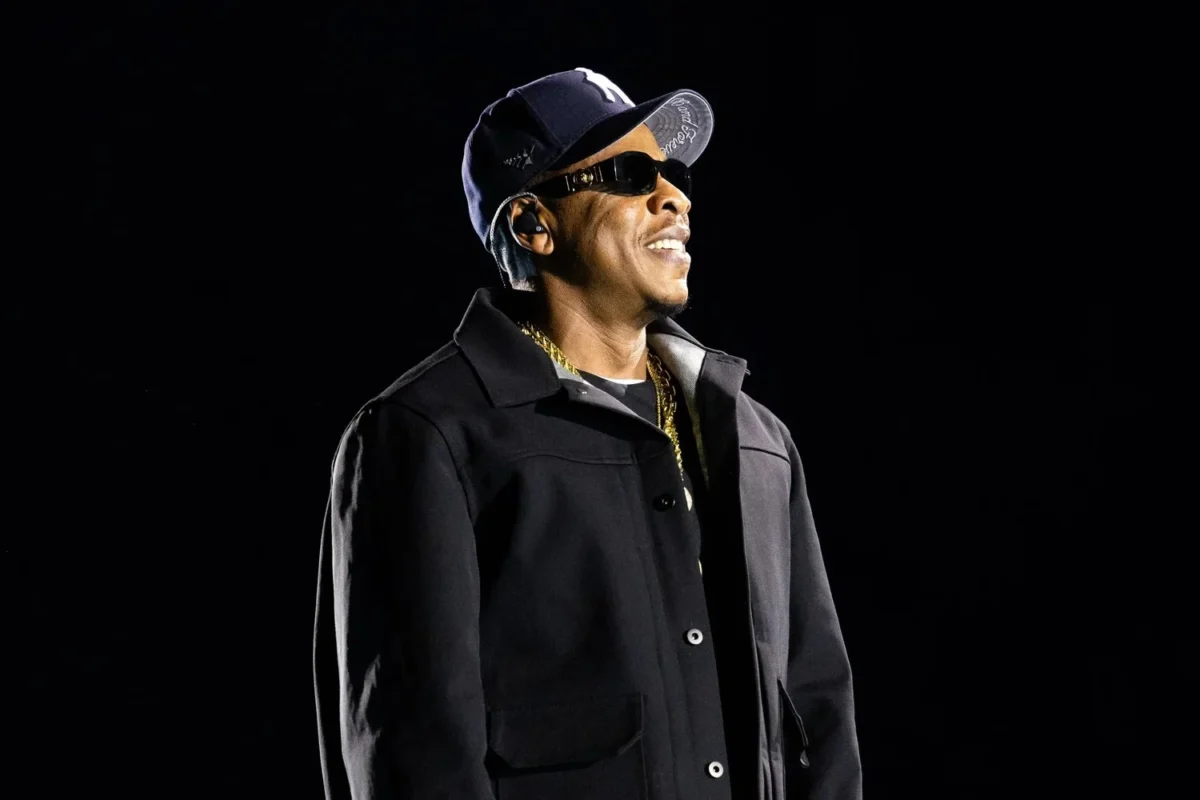
Main Facts: A Brooklyn Icon Takes Over Los Angeles
As the lights dimmed at SoFi Stadium in Inglewood, California, the atmosphere was electric, thick with the anticipation of witnessing a living legend. Jay-Z, the titan of hip-hop and undisputed elder statesman of the genre, commanded the stage for the first of two sold-out headlining shows. This performance served as a centerpiece for his yearlong "Jay-Z 30" celebration—a career-spanning retrospective marking three decades of cultural dominance.
For over two hours, Jay-Z navigated a labyrinthine setlist that traced the contours of a 30-year career. From the raw, hungry ambition of his early work to the polished, reflective anthems of his later years, the rapper proved that his relevance is not merely a product of nostalgia, but a result of sustained artistic excellence. By the time he transitioned into the soaring, city-affirming "Empire State of Mind," the transition felt less like a song and more like a coronation. He wasn’t just performing in Los Angeles; he was bringing the ethos of Brooklyn to the heart of the West Coast, asserting his place in the pantheon of global music icons.
Chronology: From Philadelphia to the SoFi Stage
The "Jay-Z 30" tour is a study in calculated, high-impact cultural moments. The journey began in late May with a one-off performance at Philadelphia’s Roots Picnic, which set the tone for a series of historic engagements. Following that, Jay-Z commanded three consecutive sold-out nights at Yankee Stadium in New York—a venue that saw him celebrate the anniversaries of his seminal albums, The Blueprint (25 years) and Reasonable Doubt (30 years).
These stadium shows were supplemented by high-profile international dates in London and Paris, and an eight-episode HBO docuseries that provided a granular, intellectual breakdown of his expansive catalog. By the time he touched down in Inglewood, the "Jay-Z 30" tour had evolved from a mere concert series into a multimedia event.
The SoFi Stadium performance itself was a masterclass in pacing. Unlike his New York shows, which were characterized by a revolving door of superstar guests—including Beyoncé, Rihanna, Eminem, and others—the Inglewood set felt deliberately pared down. It was a choice that placed the spotlight squarely on the craft of the rapper. While there were rare and poignant cameos, such as Scarface joining for "This Can’t Be Life" and "Mind Playing Tricks on Me," and a closing performance of "God Did" with John Legend and DJ Khaled, the night remained, unequivocally, Jay-Z’s show.
Supporting Data: The Anatomy of a Setlist
The setlist was a dense, chronological, and thematic journey through the evolution of Shawn Carter. Opening with the high-octane "Hovi Baby," the show immediately established a rhythm that favored lyrical acuity over pyrotechnics.
Key highlights from the evening included:
- The Lyrical Foundations: Tracks like "Can I Live" and "Where I’m From" reminded the audience of the visceral storytelling that defined his early career.
- The Collaborative Highlights: Blue Ivy Carter, appearing once again as a multi-instrumentalist, provided a grounded, familial counterpoint to the bombast of the stadium production, notably on "The Story of O.J." and "Dead Presidents."
- The Cultural Weight: The inclusion of "This Can’t Be Life" with Scarface was a critical highlight. The performance served as a reminder that hip-hop, at its best, is a medium for deep, existential reflection. Scarface’s verse on the track remains one of the most haunting and technically brilliant in the genre’s history.
- The Closing Act: The finale, "God Did," featuring John Legend and DJ Khaled, acted as a contemporary exclamation point, reinforcing that Jay-Z’s pen remains as sharp as ever in the 2020s.
Official Responses and Cultural Implications
The buzz surrounding these performances is inextricably linked to the growing speculation regarding the 2027 Super Bowl Halftime Show. With the event set to take place at SoFi Stadium, the venue for his current shows, industry insiders have begun to view these concerts as a "proof of concept."
The question often posed by critics—whether a solo rapper, even one as decorated as Jay-Z, can carry the massive, high-pressure, non-stop spectacle of a Super Bowl show without leaning heavily on a parade of surprise guests—has been addressed by the very nature of these concerts. By stripping away the bells and whistles, Jay-Z has demonstrated that his presence alone is a spectacle.
At 56, Jay-Z occupies a unique space in the industry. He represents a generation where success was defined by a synergy between pure lyrical skill and ruthless business acumen. This dual identity—the rapper and the entrepreneur—has allowed him to build an empire that survives long after his peers have retreated from the spotlight. He is an elder statesman who has successfully avoided the "legacy act" trap; he doesn’t just play his hits, he updates them, contextualizes them, and performs them with the hunger of someone still fighting for the top spot.
The Future of the "Jay-Z 30" Celebration
As the tour approaches its final date, the stakes are rising. Friday’s show was observed by a "who’s who" of the music world, including a notable Destiny’s Child reunion in the suites, with Beyoncé, Kelly Rowland, and Michelle Williams in attendance. This underscores the fact that when Jay-Z performs, it is not just a concert—it is a nexus point for the entertainment industry.
The implications for his career are clear: Jay-Z has reached a point of stability where he can dictate the terms of his engagement with the public. Whether or not he accepts the mantle of a Super Bowl performer, his current run proves that his influence is not waning. He remains a "dexterous" performer, capable of commanding a stadium with nothing more than a microphone and a catalog that serves as a history book of American culture.
Detractors may argue that his era has passed, but the empirical evidence—the sold-out stadiums, the rapturous crowds, and the precision of his live sets—suggests otherwise. Jay-Z has mastered the art of the pivot. By focusing on his own catalog, his own history, and his own identity as a musician, he has solidified his relevance for the next decade.
As the "Jay-Z 30" tour concludes, the industry is left with a clear picture of a performer who has outlasted his rivals and redefined what a career in hip-hop can look like. He is no longer just a rapper; he is an institution. And as SoFi Stadium proved, he is an institution that still knows how to move a crowd.
Setlist Summary
- Opening: Hovi Baby, Izzo (H.O.V.A.), Beach Is Better, FuckWithMeYouKnowIGotIt
- Mid-Set: Run This Town, The Story of O.J., Dead Presidents, Where I’m From, Hard Knock Life (Ghetto Anthem), Lucifer, No Church In the Wild, Can I Live, Family Feud
- Late Set: U Don’t Know, On to the Next One, Clique, Dirt Off Your Shoulder, I Know, Never Change, This Can’t Be Life, Mind Playing Tricks on Me
- Grand Finale: Song Cry, 99 Problems, Girls, Girls, Girls, Excuse Me Miss, Heart of the City (Ain’t No Love), Empire State of Mind, N—as in Paris, Big Pimpin’, God Did.
 Ammar Sabilarrohman
 Layla Zulfa
 Evan Lee Salim
