
 By Neng Nana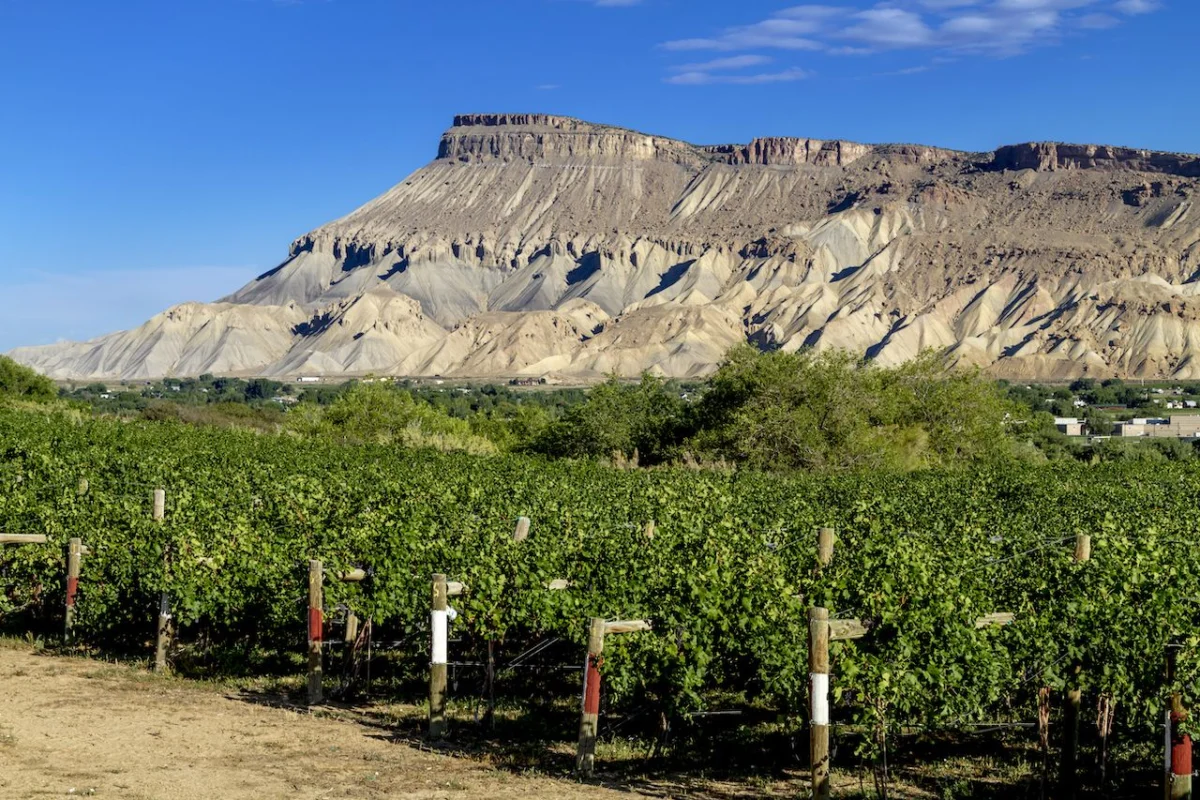
Nestled at the base of the towering Bookcliffs in Colorado’s Grand Valley, Palisade has evolved from a quiet agricultural outpost into the beating heart of the state’s burgeoning viticulture scene. With a unique microclimate that produces world-class peaches and increasingly acclaimed wines, the town offers a sensory experience that feels worlds away from the urban hustle of Denver. For those looking to combine a love for the outdoors with a sophisticated palate, biking the "Fruit & Wine Byway" is the quintessential Palisade experience.
Main Facts: The Logistics of the Palisade Experience
The charm of Palisade lies in its accessibility. Visitors are encouraged to leave their cars behind and embrace a two-wheeled tour of the valley’s vineyards.
Bike Rentals and Preparation:
The gateway to your adventure is Palisade Cycle and Shuttle. Rentals are competitively priced at $45 for a traditional cruiser and $55 for an electric model, the latter of which is highly recommended for the hilly East Orchard Mesa route. Upon arrival, staff provide comprehensive maps and safety briefings. Additional resources, including regional maps and local event schedules, are available through the Palisade Chamber of Commerce.
Hydration and Safety:
Summer temperatures in the Grand Valley frequently soar into the upper 90s. The combination of high-altitude sun, intense dry heat, and alcohol consumption creates a significant risk for dehydration. The golden rule for any traveler here is simple: pack a CamelBak. Frequent water intake is not just a health necessity; it is the most effective defense against the dreaded "wine headache" the following morning.
Chronology of a Wine-Touring Day
A well-planned day in Palisade follows a deliberate rhythm—much like the vines themselves.
- 09:00 AM: Pick up your bike rental and review the route map. Establish a "tasting limit" for the day to ensure you remain sharp for cycling.
- 10:00 AM: Begin your chosen loop. Start with the West Cruiser Loop if you are a casual rider or a first-time visitor.
- 12:30 PM: Stop at a designated park or vineyard for a pre-packed lunch. Many tasting rooms do not serve full meals, so bringing your own provisions is essential.
- 02:30 PM: Tackle the latter half of your loop. If you are on the East Orchard Mesa route, this is the time for the "gnarly" climb toward the mesa top.
- 04:30 PM: Return your bike to the shop or your accommodation and settle in for a relaxed dinner in downtown Palisade.
Supporting Data: Routes and Vineyards
Palisade’s infrastructure is designed for the casual cyclist. The "Fruit & Wine Byway" is clearly marked with signage, and most tasting rooms are located within a mile of one another.
The West Cruiser Loop
This is the premier route for those prioritizing leisure. Spanning seven miles roundtrip from downtown, this loop offers a flat, manageable terrain.
- Key Stops: Begin at The Ordinary Fellow for a blend of fruit wines and classic varietals, then progress to Grand River Vineyards for their acclaimed Viognier.
- Highlights: A mandatory stop at Cliff Dweller Wine Co. provides an unparalleled patio view of Mt. Garfield. Conclude your tour at Maison La Belle Vie, where the signature vin de pêche serves as a nod to the town’s peach-growing heritage.
The East Cruiser Loop
Focusing on the high-desert landscape, this route is visually striking.
- Key Stops: Colterris represents the largest operation in the valley, offering an innovative selection of canned wines. Further along US-6, Bookcliff Vineyards showcases the potential of high-altitude Malbec.
- Pro Tip: Pedaling just a few minutes beyond the loop into downtown connects you to TerraVin Cellars, offering a broader selection for those with more time.
The East Orchard Mesa Loop
Reserved for the ambitious, this 25-mile trek provides a serious workout.
- The Climb: The ascent to the mesa is steep and challenging. Riders are advised to utilize the dedicated bike sidewalk for safety.
- Key Stops: Talbott’s Cider Company offers a refreshing reprieve from grapes with their hard ciders. Later, Restoration Vineyards offers arguably the valley’s finest Sauvignon Blanc, while Carlson Vineyards provides an intimate, "home kitchen" tasting experience.
Official Perspectives: The "No-Bike" Alternative
For travelers who prefer to keep their feet on the ground, options remain plentiful. Whitewater Hill Winery is a local favorite, but at 24 miles roundtrip, it is a significant distance for casual cyclists.
For a unique transport experience, Pali-Tours offers an open-air transit system via "military duckies." Their "Water to Wine" package, which combines a morning Colorado River rafting session with an afternoon wine tour, is widely regarded by local tourism boards as the most comprehensive way to experience the valley’s geography.
Implications: Understanding the "Math" of the Mesa
One of the most frequently asked questions by visitors concerns the peculiar street-naming convention in the Grand Valley. Why, for instance, is there a "36 3/10 Road"?
This is not a quirk of local eccentricity but a functional grid system established for agrarian efficiency. Roads running north-to-south are numbered based on their distance from the Colorado-Utah border; 29 Road is exactly 29 miles from the border. East-West roads are lettered, with each letter representing one mile. The fractions (such as F ¼ Road) denote precise measurements within that mile. This system, originally designed to help farmers locate plots of land in a vast valley, remains a testament to the region’s historical commitment to precision and agriculture.
Accommodations: Staying in the Heart of the Vine
To truly grasp the Palisade spirit, staying in town is non-negotiable.
- The Wine Country Inn: A Victorian-style lodge offering 80 rooms, located conveniently near major vineyards.
- Wine Valley Inn: Located in the heart of the town, perfect for those who want to walk to dinner after a long day of riding.
- Spoke and Vine Motel: A modern, clean, and highly efficient option that offers on-site bike rentals, streamlining the entire vacation process for the guest.
Final Reflections
Palisade is a destination that rewards patience and preparation. Whether you are navigating the flat, lush paths of the West Cruiser Loop or pushing your limits on the steep slopes of East Orchard Mesa, the experience is defined by the juxtaposition of the rugged desert and the refined palate of the vineyard.
By prioritizing hydration, respecting the local geography, and engaging with the proprietors who are often found pouring the very wines they helped create, visitors gain more than just a souvenir bottle—they gain an appreciation for the unique, arid terroir of the Colorado high desert. As the sun sets behind the Bookcliffs and you enjoy a glass of local red on a porch overlooking the valley, you will find that the "Palisade pace" is one you’ll be eager to return to time and again.
 Nana Wu
  Jia Lissa
  Evan Lee Salim