
 By Basiran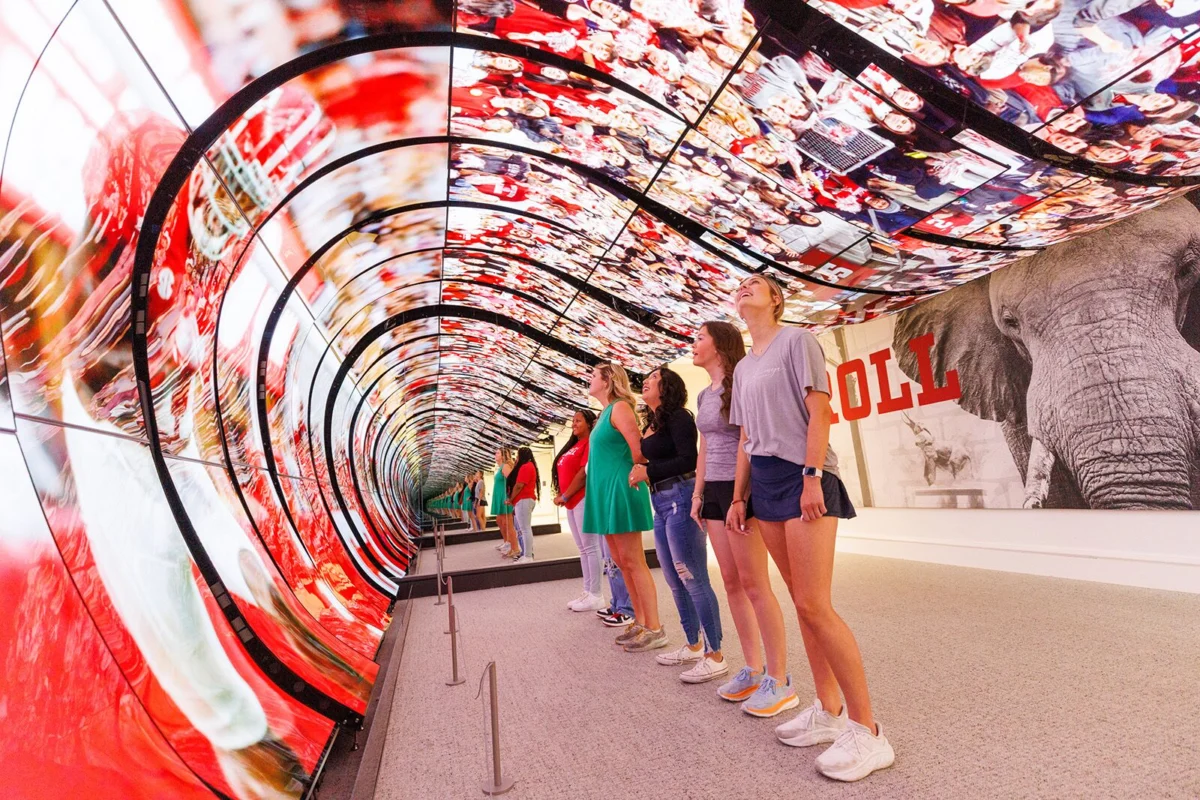
Tuscaloosa, Alabama, is often synonymous with the thunderous roar of a Saturday afternoon at Bryant-Denny Stadium, but to define this central Alabama hub solely by its gridiron glory is to overlook a city in the midst of a vibrant cultural and recreational renaissance. Situated within a short drive of Birmingham, Montgomery, Atlanta, and Nashville, Tuscaloosa has evolved into a compelling destination that seamlessly bridges the gap between rugged Appalachian landscapes and a sophisticated, Southern-inspired urban core. Whether you are a history buff, a culinary enthusiast, or an outdoor adventurer, Tuscaloosa offers a diverse tapestry of experiences that warrant far more than a passing glance.
Main Facts: The Anatomy of a Modern Southern Hub
Tuscaloosa serves as the county seat of Tuscaloosa County and is defined by its unique geographic position where the Appalachian foothills yield to the Gulf Coastal Plain. The city is fundamentally shaped by two forces: the intellectual and economic gravity of the University of Alabama and the steady, flowing presence of the Black Warrior River.
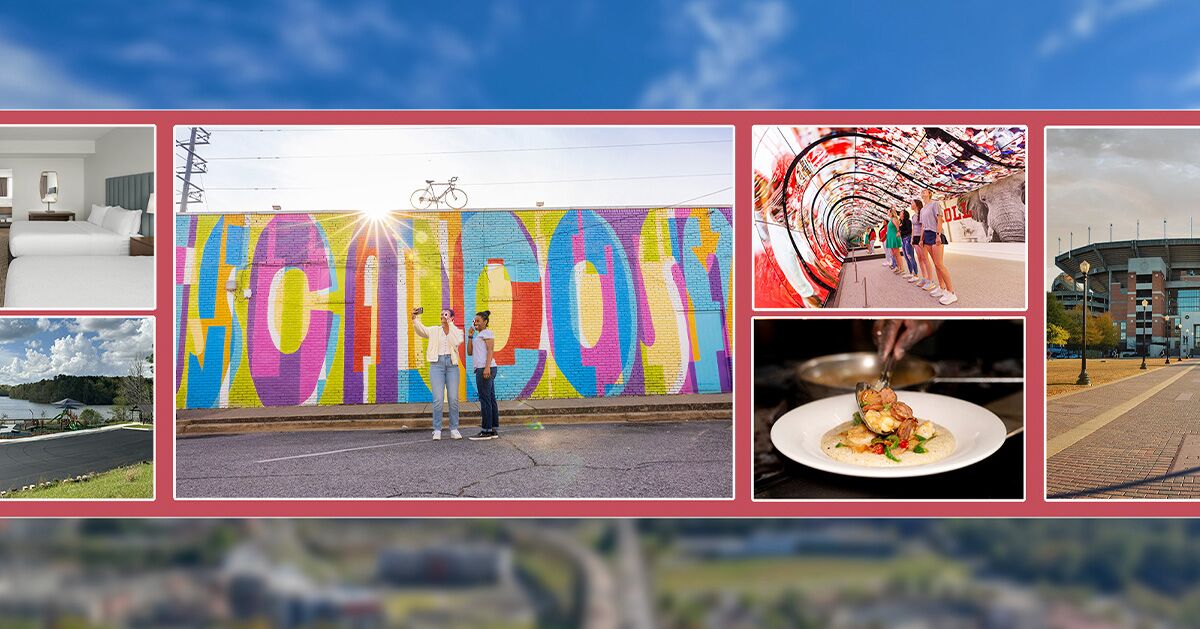
The city’s infrastructure has undergone significant modernization in recent years, with multimillion-dollar investments in public parks, historical preservation, and downtown revitalization. Visitors find a city that is remarkably navigable, with a pedestrian-friendly downtown district that acts as a gateway to the broader, greener expanse of the surrounding county. With a population that swells and ebbs with the academic calendar, the city maintains a youthful energy bolstered by deep-rooted Southern traditions, making it a paradox of ancient history and cutting-edge development.
Chronology: A Tapestry of Transformation
Tuscaloosa’s history is a complex narrative of resilience and progress. Originally the state capital from 1826 to 1846, the city has long been a center of gravity for Alabama’s political and intellectual life.
- 1800s-1900s: The establishment of the University of Alabama (1831) cemented the city’s identity. The area’s architecture, such as the remnants at Capitol Park, serves as a silent testament to its early governance.
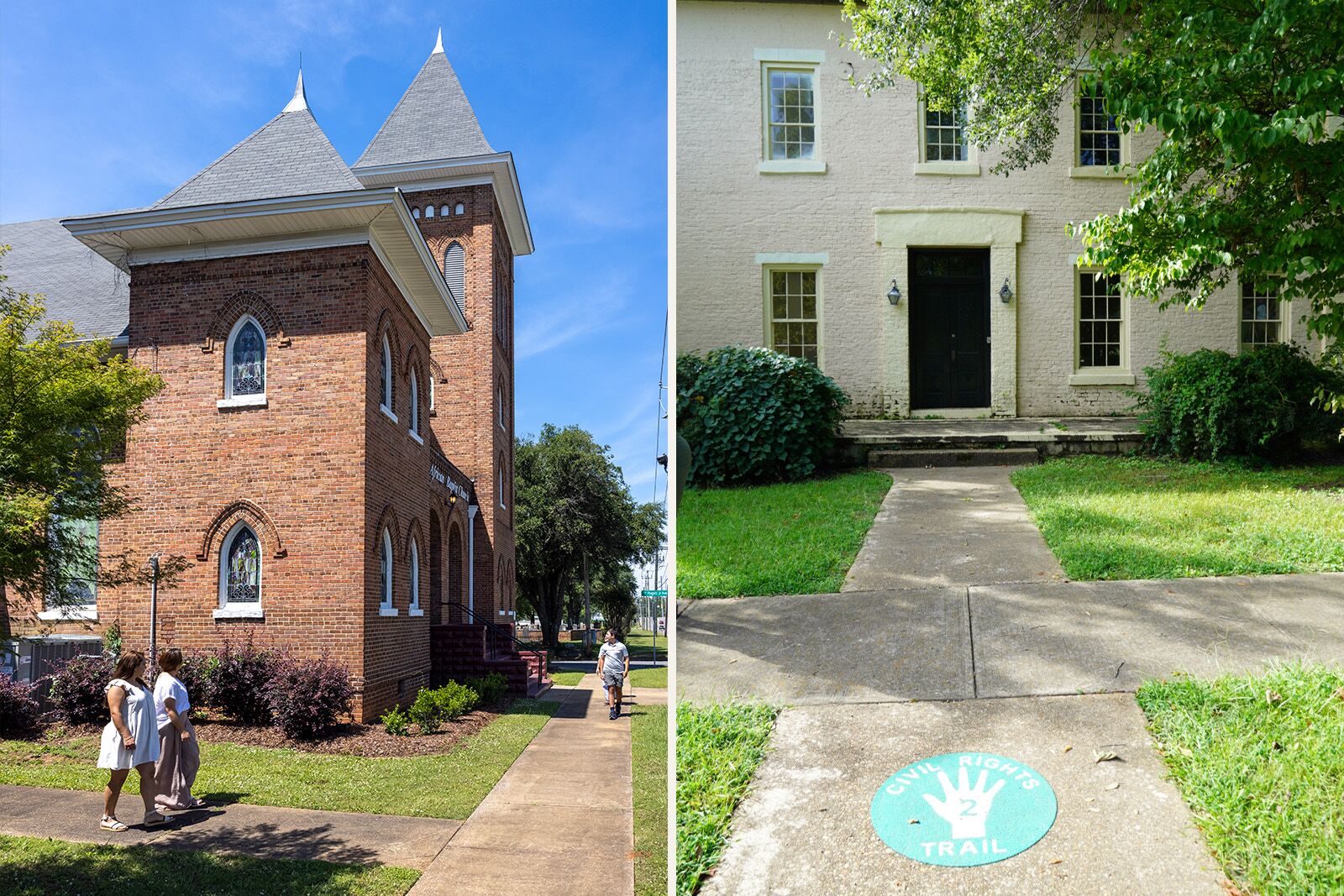
- 1964: A pivotal moment occurred during the Civil Rights Movement. The "Bloody Tuesday" protests at the First African Baptist Church remain a defining, solemn chapter in the city’s timeline. Today, that history is honored through the Tuscaloosa Civil Rights Trail.
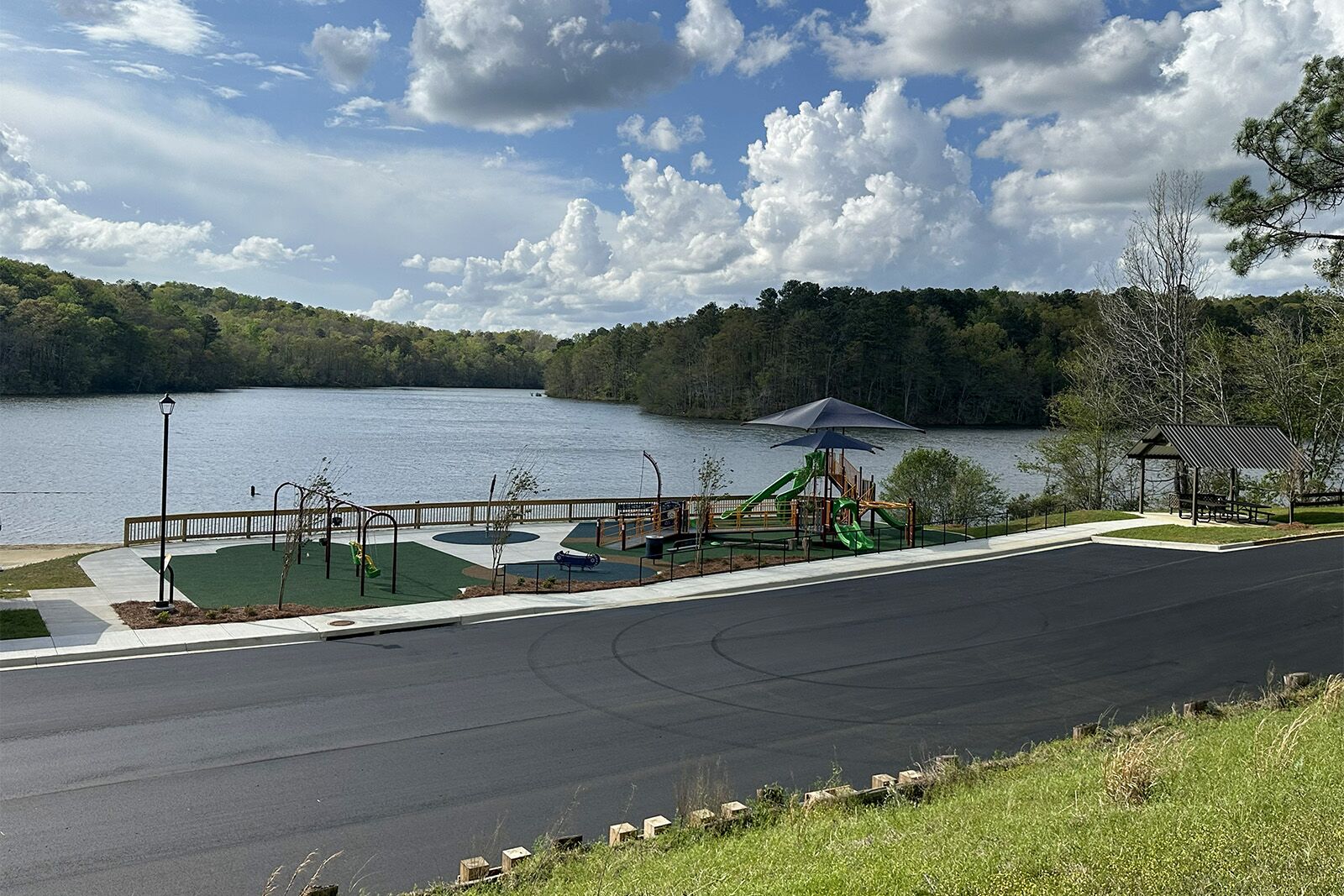
- 2020-Present: A recent wave of redevelopment has transformed neglected spaces into hubs of activity. The renovation of Lake Lurleen State Park and the opening of the Catherine and Pettus Randall Welcome Center mark a new era of investment in public accessibility and regional storytelling.
Supporting Data: By the Numbers
For the logistics-minded traveler, Tuscaloosa presents a landscape of accessibility:
- Geographic Reach: The city is located within a 3-4 hour drive of major hubs like Nashville, New Orleans, and Chattanooga, making it an ideal anchor for a Southern road trip.
- Outdoor Capacity: Lake Lurleen State Park spans 1,625 acres, featuring 23 miles of multi-use trails that serve both amateur hikers and serious mountain bikers.
- Hospitality: Downtown Tuscaloosa now hosts nearly 900 hotel rooms, including modern, design-forward properties like the Embassy Suites and The Alamite, which cater to a growing influx of both leisure and business travelers.
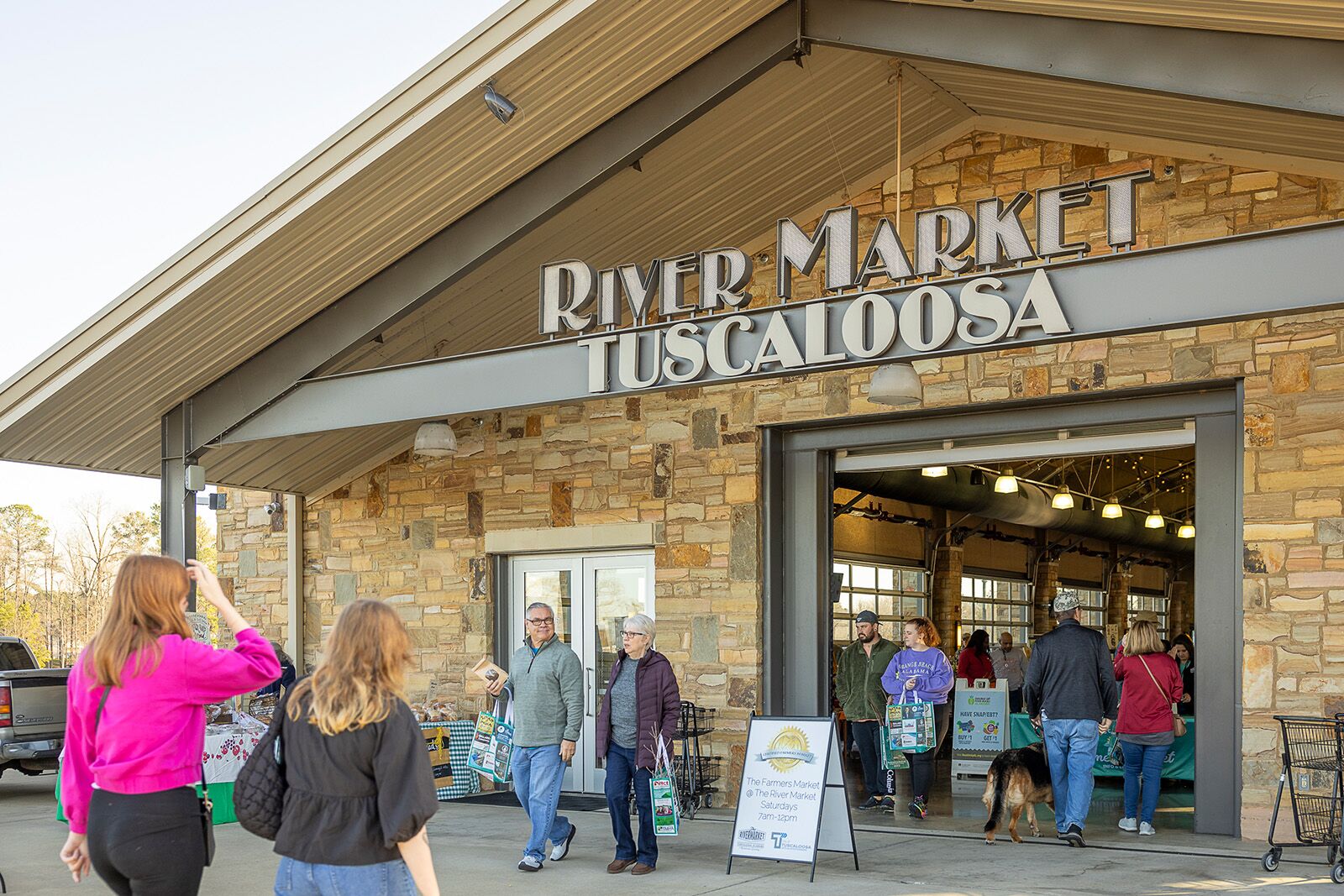
- Economic Drivers: The city’s farmers market, operating year-round at the River Market, features nearly 70 vendors, underscoring a commitment to the "shop local" movement that supports regional artisans and growers.
Outdoor Recreation: The Wild Side of Tuscaloosa
For those looking to escape the city limits, Lake Lurleen State Park is the crown jewel of local recreation. Following a massive capital improvement project—which included upgrades to utilities, Wi-Fi, and ADA-compliant pathways—the park has become a premier destination for those seeking a tranquil retreat.
The lake itself, covering 250 acres, serves as the centerpiece for swimming, fishing, and non-motorized boating. For those who prefer to stay dry, the 23 miles of trails offer a microcosm of Alabama’s geological diversity, shifting from dense forest canopies to delicate wetland ecosystems. The introduction of "glamping" tents by Timberline Glamping provides a luxurious alternative to traditional camping, allowing visitors to enjoy the wilderness with the comforts of climate control and plush bedding.
Cultural and Historical Anchors
No visit to Tuscaloosa is complete without engaging with the Tuscaloosa Civil Rights Trail. This self-guided journey is not merely a tour; it is an immersive lesson in American history. Starting at the First African Baptist Church, visitors walk the same streets where Rev. T.Y. Rogers, Jr. led the fight for equality. By utilizing the digital passport provided by Visit Tuscaloosa, travelers can navigate 18 historical markers that weave a narrative of struggle and eventual progress.
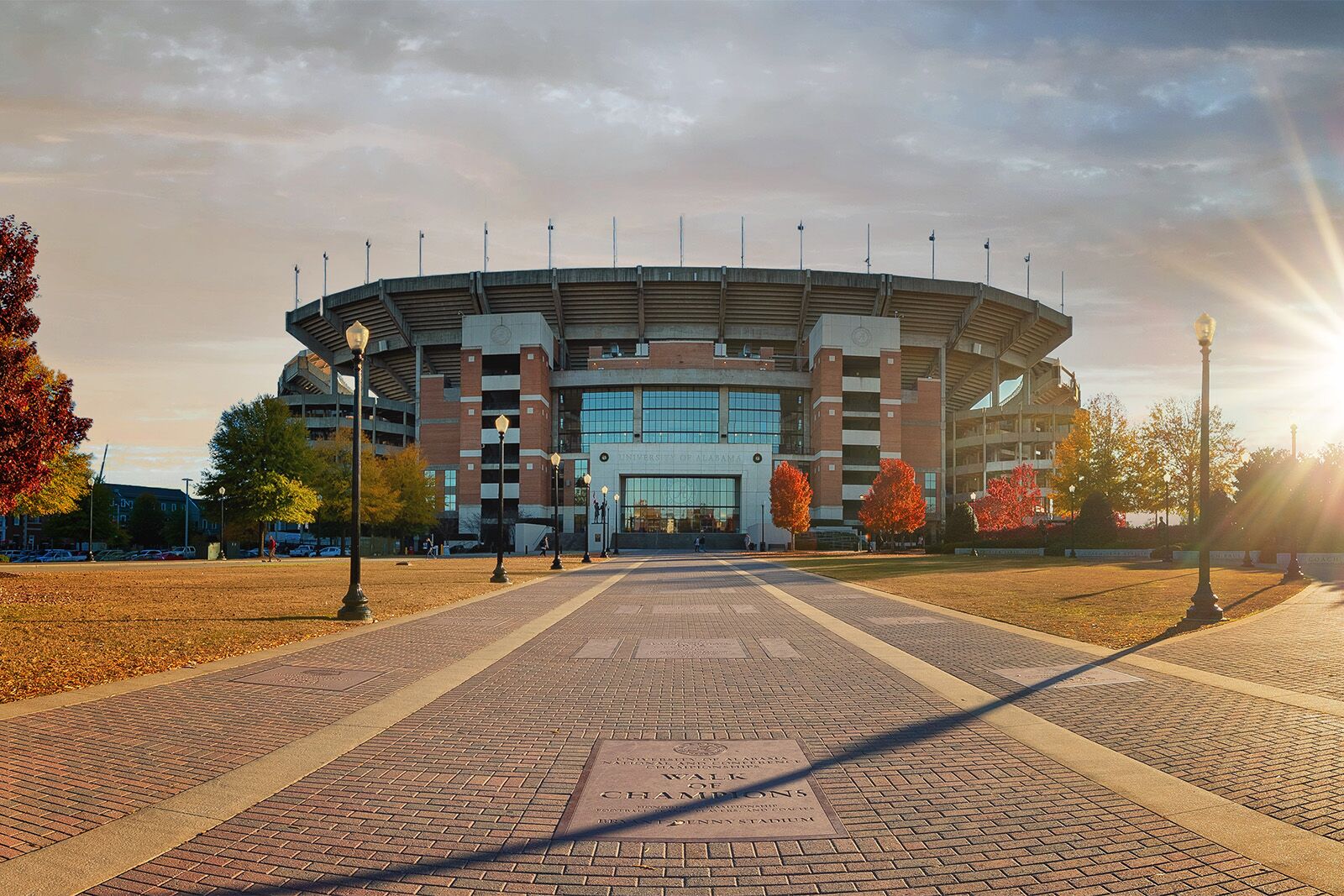
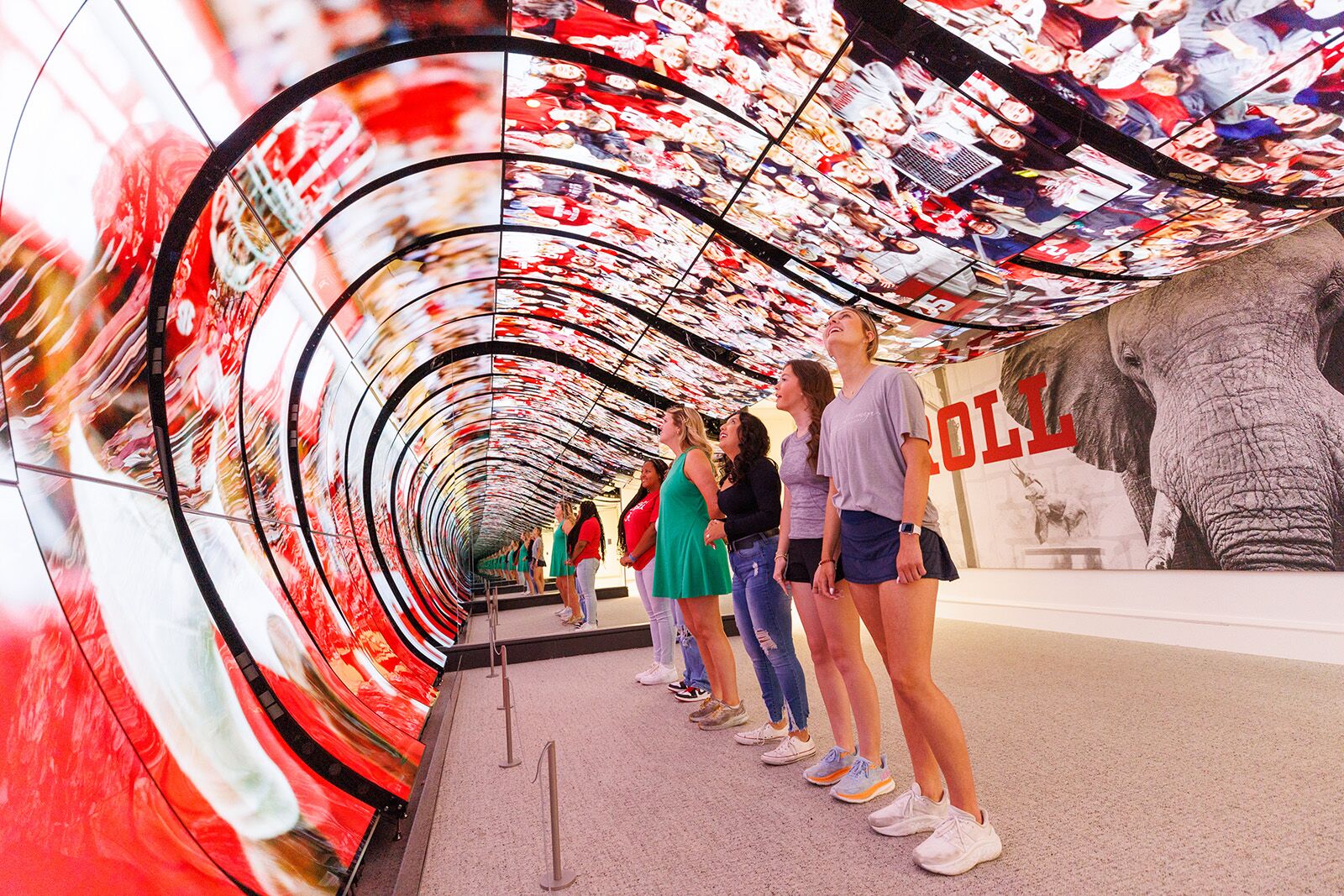
Simultaneously, the Catherine and Pettus Randall Welcome Center provides a deep dive into the University of Alabama’s history. Located in the former Bryce Hospital, the center uses innovative technology to explain the evolution of mental health care in the state while offering a glimpse into the university’s massive cultural footprint.
Culinary Landscape: A Study in Southern Evolution
The dining scene in Tuscaloosa has moved beyond standard comfort food, embracing a farm-to-table philosophy and a flair for fine dining that rivals larger metropolitan centers.
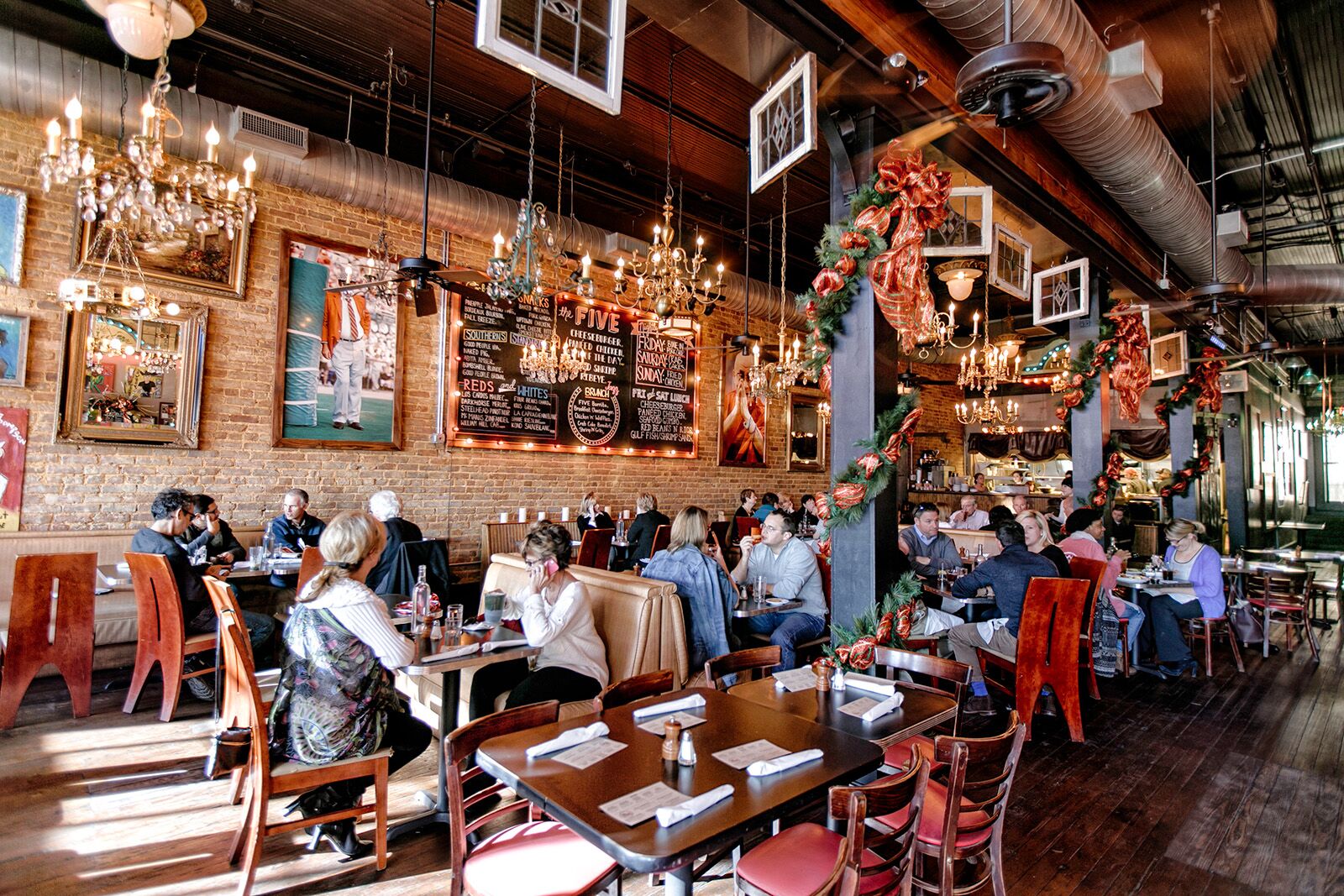
- Five Bar: A masterclass in simplicity, the restaurant restricts its menu to five appetizers, five entrées, and five specials. This intentional limitation ensures quality, particularly in their signature pan-seared chicken and white chocolate bread pudding.
- Urban Bar & Kitchen: Here, the menu is a curated collection of crowd-pleasers. Their "bacon bombs"—a locally beloved appetizer—are a testament to the city’s willingness to innovate on classic Southern ingredients.
- Evangeline’s: Representing the city’s white-tablecloth pinnacle, this restaurant brings a refined elegance to the local scene, pairing New Orleans-inspired seafood with high-end cuts of Wagyu.
- Heritage House Coffee & Tea: As the city’s original coffee house, it remains an essential stop. Their cheddar biscuits, baked with local Conecuh sausage, are a quintessential Tuscaloosa experience that links the city’s past with its modern morning routines.
Official Responses and Strategic Vision
Local tourism officials emphasize that the recent influx of investment—ranging from the renovation of historical sites to the growth of the downtown culinary district—is part of a broader strategy to make Tuscaloosa a year-round destination.
"We are moving toward a model where the university is a catalyst, not the sole attraction," says a spokesperson from the city’s tourism board. "By investing in infrastructure like the Tuscaloosa Riverwalk, the Civil Rights Trail, and the enhancement of natural assets like Lake Lurleen, we are diversifying our appeal. We want visitors to come for a game, but stay for the culture."
Implications for the Future Traveler
The implications of this growth are clear: Tuscaloosa is no longer a "pass-through" city. It has successfully created an environment where a 72-hour itinerary feels full yet unhurried.
For the modern traveler, the city offers a unique value proposition. It is affordable, highly accessible, and deeply authentic. As infrastructure continues to improve—notably the connectivity between the downtown core and the surrounding parks—Tuscaloosa is poised to become a blueprint for how mid-sized American cities can leverage their historical significance and natural assets to create a sustainable, vibrant tourism economy.
Logistics: Navigating the City
While the Birmingham-Shuttlesworth International Airport (BHM) serves as the primary gateway, the one-hour drive into Tuscaloosa via I-20/I-59 provides a scenic introduction to the region. Once in town, the walkability of the downtown district is a significant advantage. For those wishing to explore further, e-bike rentals from hotels like Hotel Indigo provide a modern, low-impact way to traverse the city’s expanding network of riverfront paths.
Whether you are seeking the solemnity of the Civil Rights Trail, the adrenaline of a game day, or the quiet reflection of a lakeside trail, Tuscaloosa is a city that invites you to linger. It is a place where history is respected, the food is treated with reverence, and the hospitality is as constant as the current of the Black Warrior River.
 Nana Wu
  Jia Lissa
  Evan Lee Salim