
 By Suro Senen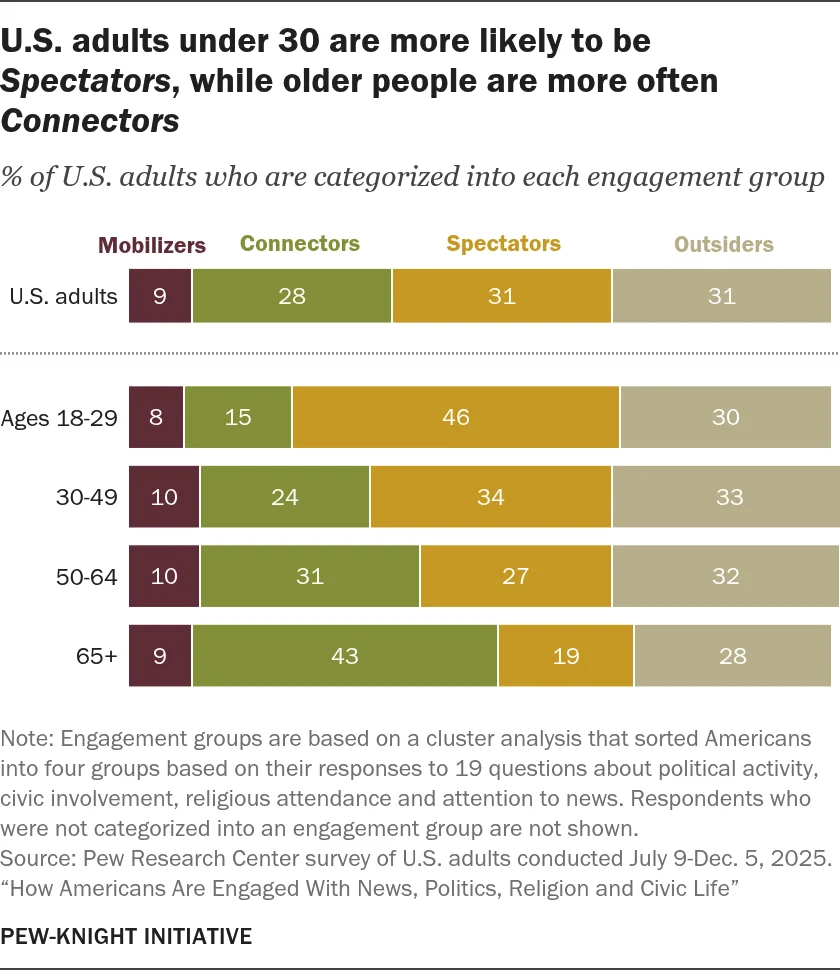
July 23, 2026
The landscape of American media stands at a precarious precipice. This week, a federal judge issued a temporary restraining order halting the massive merger between Paramount and Warner Bros. Discovery. The injunction, triggered by a lawsuit filed by a coalition of 12 states, centers on the profound concern that the consolidation of two of the world’s largest entertainment and news conglomerates violates fundamental antitrust laws. As the legal battle unfolds, the industry is grappling with a deeper, more existential shift: a radical transformation in how Americans consume information, engage with civic life, and perceive the role of legacy media in the digital age.
The Main Facts: A Merger Under Fire
The proposed merger between Paramount and Warner Bros. Discovery is not merely a corporate transaction; it is a tectonic shift in the media ecosystem. If permitted to proceed, the deal would centralize control over dozens of iconic cable channels, film studios, and, perhaps most controversially, two of the nation’s primary news pillars: CNN and CBS News.
The coalition of 12 states, acting as plaintiffs, argues that the merger would create an unprecedented concentration of power, stifling competition in both the theatrical distribution market and the cable news landscape. By consolidating these assets, the new entity would hold a dominant share of the information flow to the American public. According to 2025 data from the Pew Research Center, the reach of these two entities is vast: approximately one-third of U.S. adults regularly consume news via CNN, while three-in-ten rely on CBS News. The prospect of these two entities falling under the same corporate umbrella has raised alarms regarding media diversity, editorial independence, and the potential for a homogenized national discourse.
Chronology of the Conflict
The path to this week’s judicial intervention has been marked by rapid consolidation efforts and growing regulatory scrutiny.
- Early 2026: Rumors of a "mega-merger" between Paramount and Warner Bros. Discovery began to circulate, fueled by the industry-wide push for scale in an era where streaming competition from Silicon Valley tech giants has eroded traditional revenue models.
- Spring 2026: The companies formally announced their intent to merge, framing the deal as a necessary response to the fragmented entertainment market.
- June 2026: Antitrust regulators at the state level began signaling concerns, focusing on the potential impact on consumer choice and local advertising markets.
- July 2026: The formal lawsuit was filed by 12 states, alleging that the merger would lead to price hikes for cable providers and a reduction in programming diversity.
- July 23, 2026: A federal judge granted the temporary restraining order, effectively freezing the deal and initiating a prolonged discovery process that will likely stretch well into 2027.
Supporting Data: The Changing Face of Engagement
While the courtroom battle focuses on antitrust statutes, the broader context of this merger is defined by a 2026 report from the Pew Research Center. The report provides a granular look at how Americans engage with news, politics, and civic life, suggesting that the industry’s obsession with scale may be misaligned with the actual behaviors of the modern public.
The center’s research has categorized the U.S. public into four distinct "engagement groups": Mobilizers, Connectors, Spectators, and Outsiders.
The data reveals a stark generational divide. Older Americans are significantly more likely to be "Connectors"—citizens who are deeply embedded in their communities, religious institutions, and traditional civic life. Conversely, younger Americans (ages 18–29) are overwhelmingly likely to be "Spectators." This group follows the news and interacts with it online but lacks the deeper, traditional community-level engagement seen in older cohorts. Nearly 46% of adults under 30 fall into the "Spectator" category, compared to only 19% of those aged 65 and older.
This shift in engagement patterns is mirrored by a change in media consumption preferences. As of August 2025, 44% of Americans identified watching as their preferred way to consume news, dwarfing the 37% who prefer reading and the 19% who prefer listening. This "pivot to video" has forced news organizations like The New York Times and The Wall Street Journal to aggressively reallocate resources toward video production. However, this transition is fraught with risk. The "pivot to video" strategy, which largely failed a decade ago, is being revisited in a landscape where platforms like YouTube, TikTok, and Instagram have become the primary news sources for the masses. YouTube, for example, has seen its footprint grow significantly, with 35% of U.S. adults reporting they get their news there in 2025, up from just 23% in 2020.
Official Responses and Corporate Strategy
The corporate response from the involved parties has been one of tempered defiance. In statements released following the court’s decision, representatives for both Paramount and Warner Bros. Discovery emphasized the necessity of the merger to ensure the survival of "high-quality, American-made journalism and entertainment" in a globalized market.

"This merger is about sustainability," noted a spokesperson for the combined entities. "To compete with global streamers and tech platforms that have no borders, domestic media companies must find efficiencies and scale. We remain confident that the legal system will recognize the public benefit of a strengthened media enterprise."
Conversely, the attorneys general representing the 12 states involved in the suit framed their opposition as a defense of the "marketplace of ideas." Their filings argue that the merger would essentially create a "bottleneck of information," where a single boardroom could exert outsized influence on the framing of national news. The state regulators have specifically pointed to the danger of "cross-platform dominance," wherein a company controls the distribution, the content, and the platform, potentially marginalizing independent voices and reducing the variety of viewpoints available to the average consumer.
Implications: A Future at Stake
The outcome of this legal standoff will have profound implications for the future of the media industry.
1. The Death of the "Big Three" Model
For decades, the American news landscape was anchored by the Big Three broadcast networks. This merger represents the final erosion of that model, replacing it with a "Mega-Conglomerate" model. If the courts allow this to happen, it is highly probable that other remaining media entities will pursue similar mergers, leading to a landscape dominated by perhaps only two or three massive media conglomerates.
2. The Algorithmic Shift
The transition toward video-focused news, as noted by recent industry trends, suggests that news organizations are increasingly designing their content to fit the algorithms of TikTok and YouTube. This creates a feedback loop: if the merger proceeds, the new entity will likely prioritize high-engagement, video-first content, potentially sacrificing in-depth investigative reporting for short-form, emotionally resonant clips designed for social media consumption.
3. Civic Engagement and the "Spectator"
The Pew Research data on engagement groups suggests that media companies are failing to capture the interest of "Spectators." While the merger aims to maximize reach, it may be neglecting the depth of connection. If news becomes a purely entertainment-driven product—a "Spectator" sport—the "Connectors" who rely on substantive journalism for their community participation may find themselves underserved.
4. Regulatory Precedent
The temporary restraining order serves as a warning shot to the entire telecommunications and media sector. It suggests that regulators are moving away from a laissez-faire approach to media consolidation. The legal arguments tested here—specifically regarding the impact on news plurality—could become the blueprint for future challenges against Big Tech companies that have also integrated news into their platforms.
Conclusion: The Long Road Ahead
As the summer of 2026 continues, the fate of Paramount and Warner Bros. Discovery remains uncertain. This is not just a case of corporate restructuring; it is a test of whether the American legal system can balance the economic realities of a digital, global media market against the democratic necessity of a diverse and competitive information environment.
The data provided by the Pew Research Center paints a picture of a nation that is increasingly watching its news rather than reading it, and a younger generation that is retreating from traditional civic engagement in favor of a spectator-based relationship with the world. Whether the merger of these two giants will address these shifts, or merely exacerbate the disconnection between the public and the press, remains the central question of this landmark legal battle. For now, the newsrooms, the boardrooms, and the courts remain in a state of suspended animation, waiting to see if the "pivot" of the media industry will finally crash or find its footing.
 Pevita Pearce
  Neng Nana