
 By Nana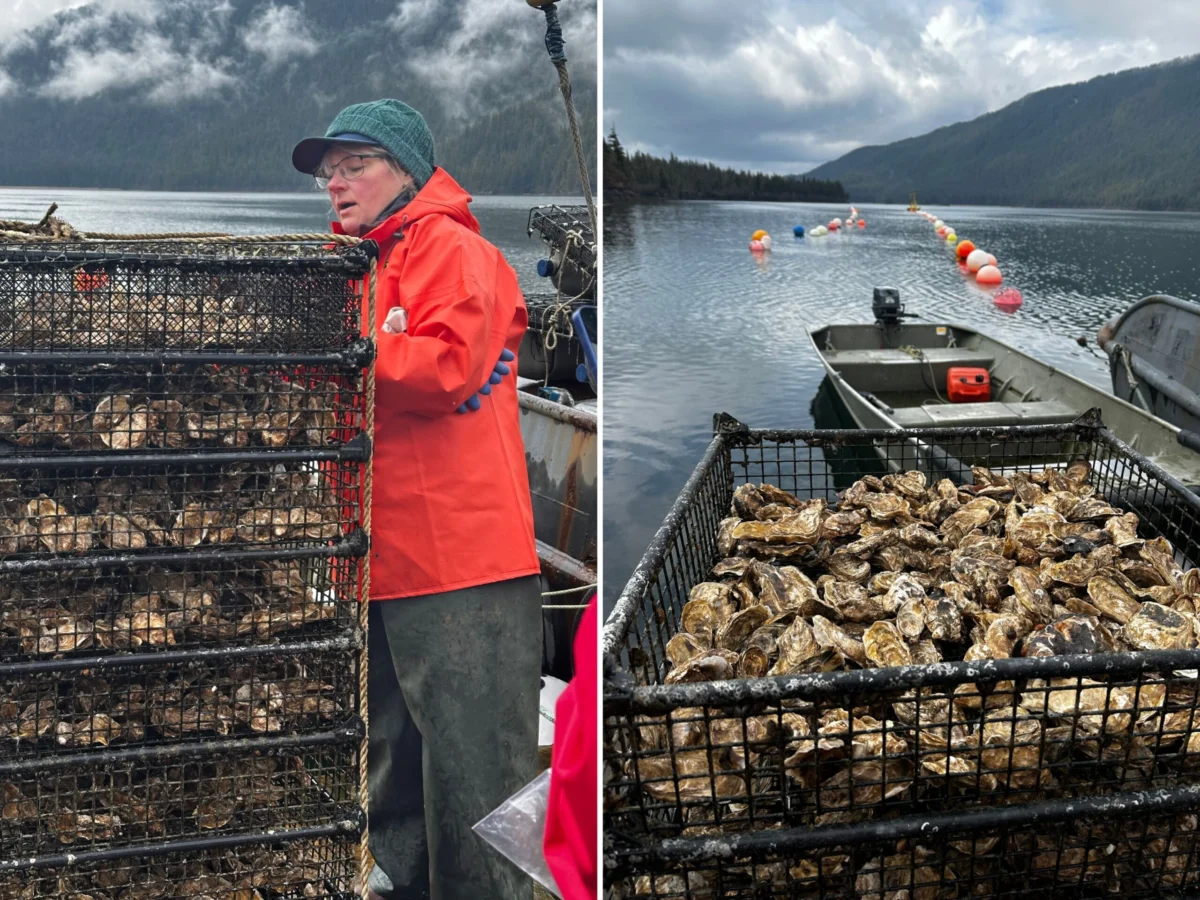
In the remote, mist-shrouded reaches of Alaska’s Prince William Sound, a quiet revolution is taking place beneath the surface of the icy, nutrient-rich waters. For decades, the town of Cordova has been synonymous with the legendary Copper River salmon—a global gold standard for seafood. However, as climate change and fluctuating fish stocks create an increasingly uncertain future for traditional wild-capture salmon fishing, a resilient cohort of mariculture farmers is pioneering a new, regenerative path. They are turning to the sea not to hunt, but to harvest, cultivating kelp and oysters in a landscape that is as unforgiving as it is beautiful.
Main Facts: A New Economic Horizon
The shift toward mariculture—the cultivation of marine organisms in their natural environments—represents a fundamental change in how Alaskans view their relationship with the ocean. While salmon remains the lifeblood of the regional economy, the rise of kelp and oyster farming is providing a vital safety net.
The primary players in this movement include Thea Thomas and Cale Hershcleb of Royal Ocean Kelp Co., Sean and Skye Den Adel of Noble Ocean Farms, and Seawan Gehlbach of Simpson Bay Oyster Company. Their work is defined by a "zero-input" philosophy: kelp requires no freshwater, no land, and no fertilizers to thrive. Instead, it actively benefits the marine ecosystem by sequestering carbon, filtering excess nitrogen, and providing crucial nursery habitats for native fish species.
Chronology of a Growing Industry
The evolution of Cordova’s mariculture sector is a story of trial, error, and eventual triumph over a harsh environment.
- 2019: Seawan Gehlbach, a former biologist for the Alaska Department of Fish and Game, pivots to aquaculture, founding Simpson Bay Oyster Company to establish a sustainable, water-based career in the region.
- 2020: Sean and Skye Den Adel launch Noble Ocean Farms, motivated by a desire to foster marine biodiversity and create a sustainable food source.
- 2021–2023: Early operational hurdles emerge. The Den Adels face a major setback when their initial farming site is compromised by glacial freshwater runoff and winter sea ice, forcing them to pivot to a new, more productive location and effectively restart their business.
- May 2026: The industry achieves a milestone in public recognition. Local food producers, brewers, and mariculture farmers collaborate on supply chains that move products from the bay to the taprooms and restaurants of Cordova, signaling a mature "farm-to-table" ecosystem.
Supporting Data: The Science and Sustainability of Kelp
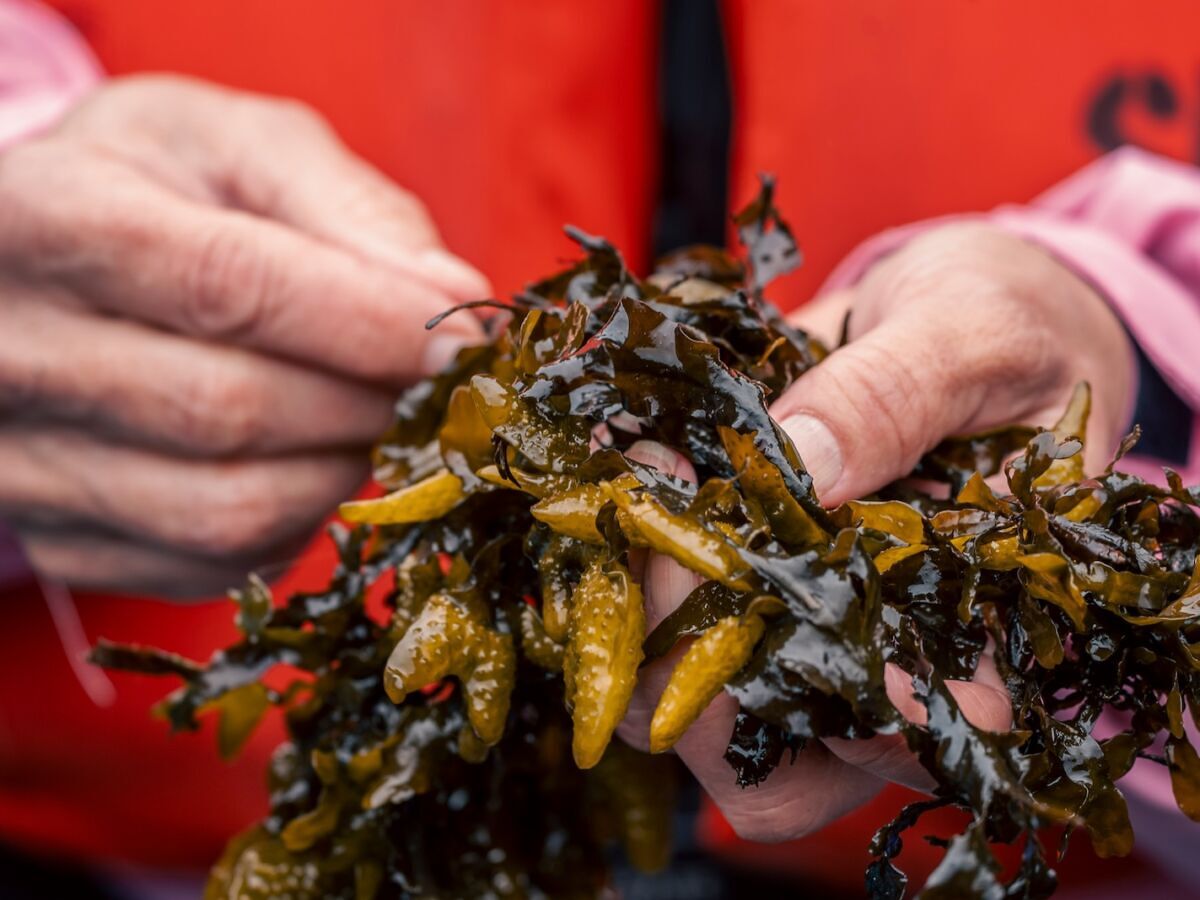
The appeal of kelp farming in Alaska lies in its environmental profile. According to industry advocates, sugar kelp and bullwhip kelp are highly efficient at absorbing carbon dioxide, making them a "climate-positive" crop.
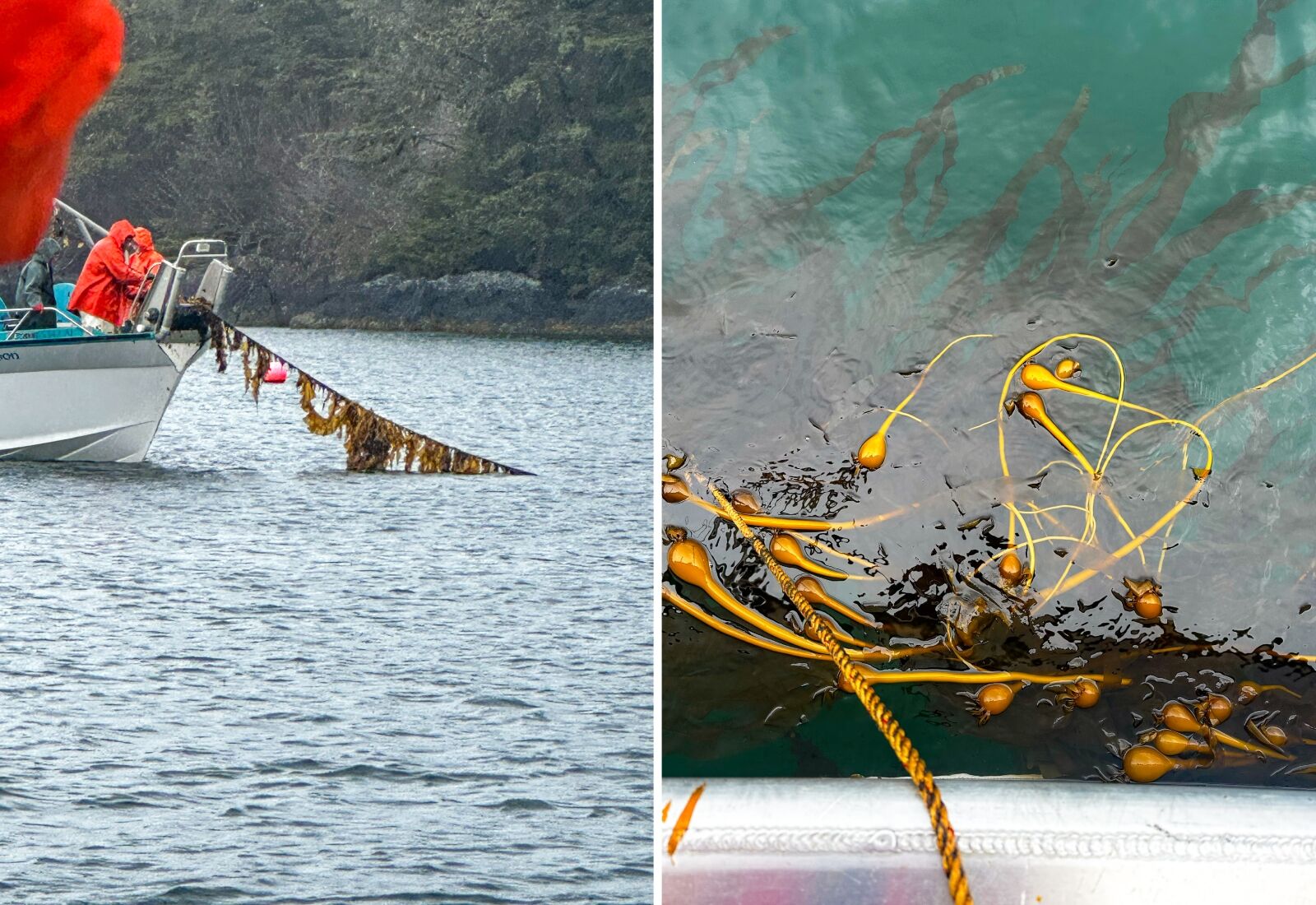
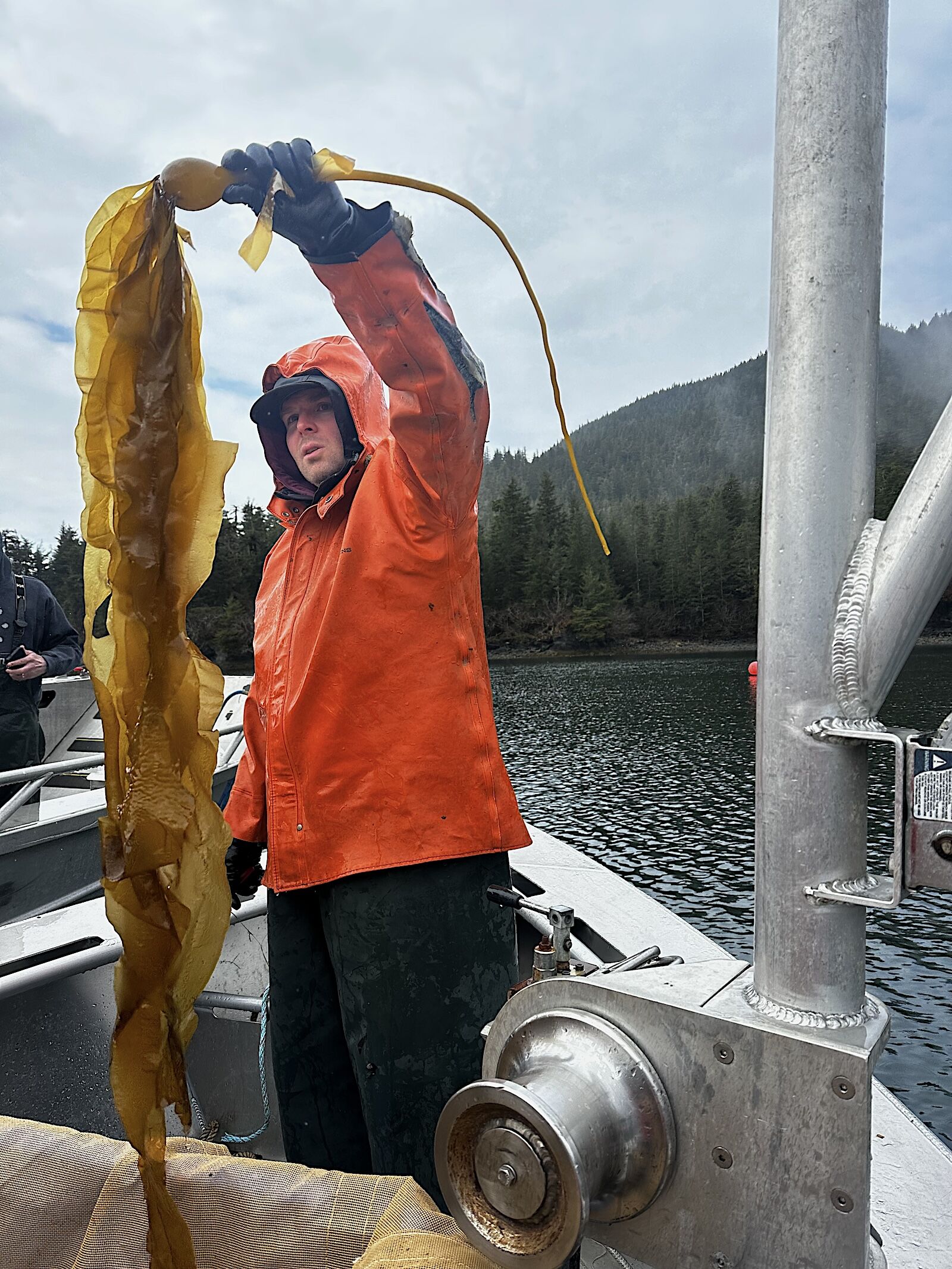
In terms of production, the scale is still boutique but growing. A single farmer like Thea Thomas can harvest approximately 3,000 pounds of kelp over a six-day window, depending on the vagaries of the weather and the biomass growth cycle. The harvest window is narrow—typically late April through May—and is dictated by the biological peak of the seaweed.
For oysters, the production cycle is longer and more labor-intensive. Gehlbach manages her oyster trays from May through October, pulling them from the deep, briny waters of Simpson Bay. The success of these farms is often measured not just in tonnage, but in the trust of the local community. In a region where commercial fishing is a multi-generational heritage, the fact that local veterans of the salmon industry are now purchasing and endorsing these farmed products is a testament to the quality of the mariculture output.
Official Responses and Voices from the Water
"It’s a struggle, life here, and the largest benefit of kelp is the diversification," explains Thea Thomas, whose vessel, the FV Myrmidon, serves as both a tool for harvest and a platform for education. "It can’t support you completely, but it can play a part—create jobs, local incomes, benefit the economy."
For Thomas, the transition from salmon fishing to kelp farming has been an exercise in creative problem-solving. "Developing new buyers, new products—it’s really fun and energizing," she notes.
Sean Den Adel reflects on the environmental ethics of the trade: "Kelp farming is a regenerative, zero-input crop. It absorbs carbon, filters excess nitrogen from the ocean, and provides habitat for native fish species at key life cycle stages. Growing a sustainable food source and supporting marine biodiversity, what’s not to love about that?"
Seawan Gehlbach, meanwhile, emphasizes the human connection inherent in the work. "I’m new to aquaculture, so there’s been a lot to learn," she admits. However, the feedback from her neighbors has been the ultimate validation. When a local fisherman, famous for his smoked salmon, began trading his catch for her oysters, Gehlbach knew she had secured a place in the local food culture. "It warms my heart, and it keeps me growing oysters."
Implications: The Future of the Alaskan Foodscape
The implications of this movement reach far beyond the local docks of Cordova.
Economic Diversification
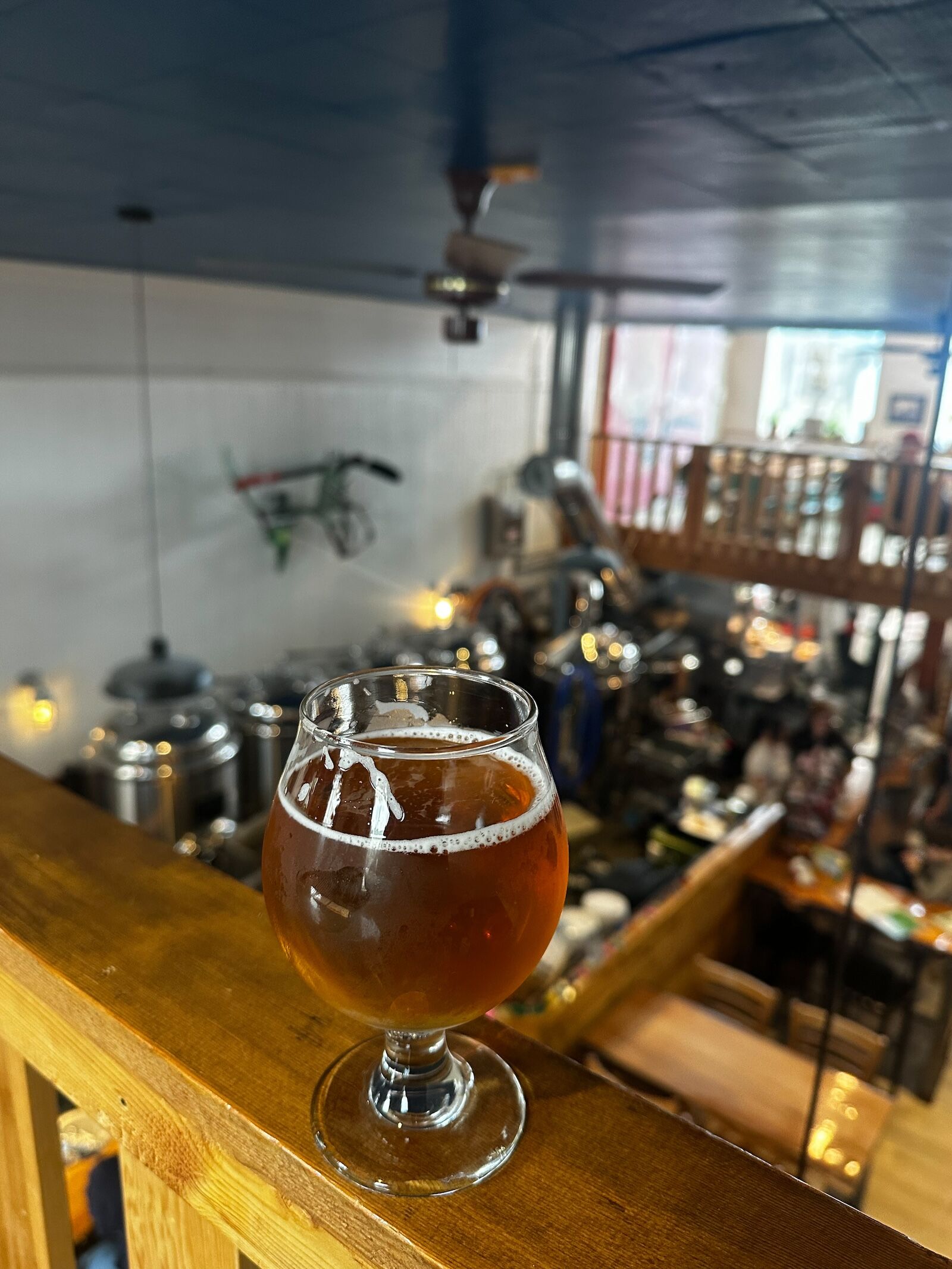
By creating a secondary income stream that is distinct from the boom-and-bust cycle of salmon, these farmers are insulating their families and the town from the volatility of global seafood markets. The integration of kelp into local businesses—such as Copper River Brewing’s "Sour Sea Witch" beer or the use of bull kelp in salsas at Baja Taco—demonstrates a circular economy.
Cultural Preservation
The Native Village of Eyak has integrated these mariculture products into their food distribution programs, ensuring that Indigenous communities have access to locally harvested, culturally relevant foods. This strengthens food sovereignty and ensures that the benefits of the region’s resources remain within the community.
The Rise of "Mariculture Tourism"
Cordova is finding its place on the map for a new type of traveler. Those interested in the "oyster trail" can utilize the Alaska Shellfish Growers Association’s Alaska Oyster Voyage to map out tasting experiences. Meanwhile, operators like Orca Adventure Lodge and local charter captains are increasingly incorporating visits to kelp and oyster farms into their tour itineraries.
For the modern traveler, the experience is not just about viewing glaciers and orcas; it is about witnessing the labor behind the plate. Whether it is buying a batch of smoked furikake from a local home or enjoying fresh, briny oysters while watching a sea otter roll in the waves just yards away, visitors are finding a deeper connection to the Alaskan environment.
Conclusion: A Resilient Path Forward
The story of Cordova’s mariculture farmers is, at its heart, a story of adaptability. While the icy waters of Prince William Sound present immense challenges—from ferocious winds to unpredictable ice—the farmers who brave these conditions are building something enduring. They are proving that in the face of environmental uncertainty, the most effective solution is to work with the ocean rather than against it.
As this industry matures, the rest of the world is taking notice. Alaska is no longer just a destination for wild-caught salmon; it is becoming a center for regenerative innovation. For those who visit, the reward is more than just a meal; it is a glimpse into a future where the wild and the cultivated coexist, and where the bounty of the sea is harvested with the future in mind.
Whether you are sipping a kelp-infused beer at a local brewery or pulling a line of sugar kelp from the cold, crisp water, the message from Cordova is clear: the frontier is changing, and it tastes better than ever.
 Nana Wu
  Jia Lissa
  Evan Lee Salim