
 By Jia Lissa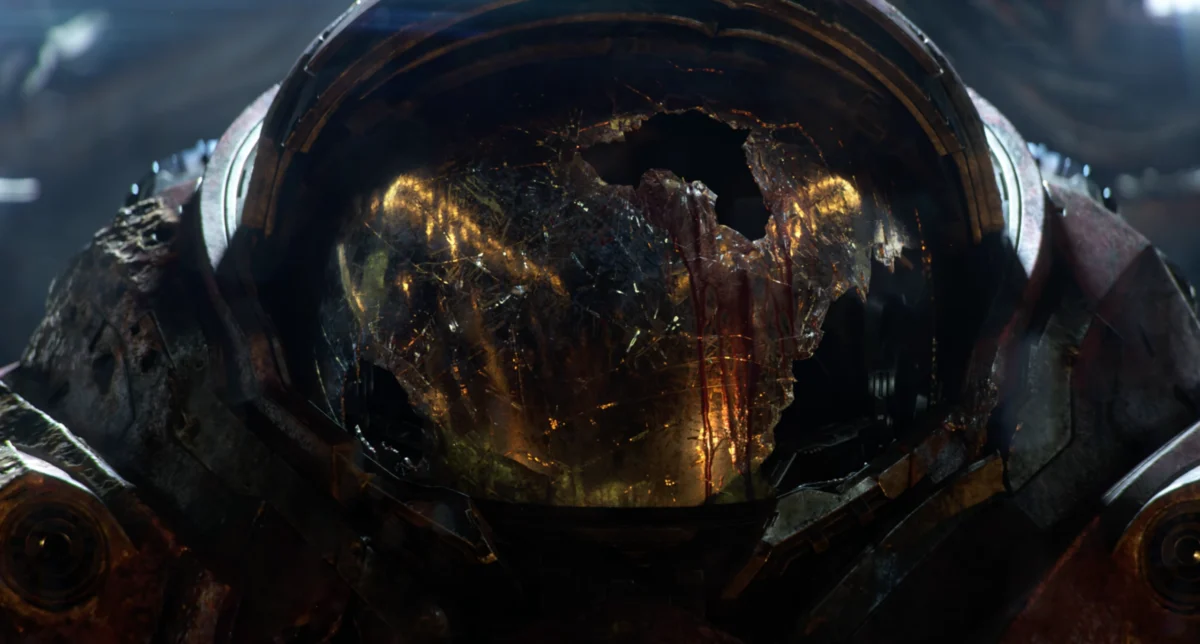
Byline: Tech & Gaming Correspondent
After a decade of silence that left the legendary franchise’s fanbase wondering if the Koprulu Sector had been permanently shuttered, Blizzard Entertainment has officially broken its long-standing hiatus. During the highly anticipated opening ceremony of BlizzCon 2026, the studio stunned the industry by unveiling a brand-new StarCraft title—a departure from the series’ traditional real-time strategy (RTS) roots, pivoting instead toward a gritty, immersive open-world shooter.
The announcement, which sent waves through the gaming community, marks the first standalone entry in the StarCraft universe since the conclusion of the Legacy of the Void expansion cycle. With a targeted release window of Spring 2030, the project promises to bring players closer to the franchise’s iconic conflict than ever before, trading the bird’s-eye view of a commander for the visceral, high-stakes perspective of a soldier on the ground.
The Core Revelation: A New Perspective on War
The reveal was headlined by Dan Hay, a veteran industry figure best known for his pivotal work on the Far Cry series at Ubisoft. His transition to Blizzard has clearly influenced the creative direction of this new project.
"We are crafting something entirely new—an open-world shooter where every step is earned," Hay stated during the keynote. "We aren’t looking at this from above, like a commander moving units on a map. We are down on the ground, in the mud, in the fire. We are putting the player in the boots of someone fighting for survival against an overwhelming, nightmarish threat."
Blizzard’s official communications have been brief but evocative. Echoing the sentiment of a long-starved player base, the studio’s official statement was blunt: "There’s only one thing we can say: it’s about damn time."
Chronology: A Decade of Speculation and Silence
To understand the significance of this announcement, one must look at the timeline of the StarCraft franchise.
- 1998: StarCraft launches, revolutionizing the RTS genre and becoming a cornerstone of global esports.
- 2010: StarCraft II: Wings of Liberty arrives, setting new benchmarks for storytelling and competitive play.
- 2015: Legacy of the Void completes the main narrative arc of the trilogy.
- 2016–2025: The franchise enters a period of maintenance and smaller content updates. Rumors of a "StarCraft Ghost" revival or a new project swirl periodically, but Blizzard remains tight-lipped.
- 2026: BlizzCon 2026 serves as the stage for the official resurrection of the IP, confirming the open-world shooter project.
- 2030: The projected launch window for the new title.
For ten years, the StarCraft community existed in a state of suspended animation. While StarCraft II remained a staple of professional gaming, the lack of new single-player narrative content left a void in the lore. By announcing a 2030 release, Blizzard is signaling a long-term commitment to the franchise, likely aiming to modernize the property for a generation of gamers who grew up with open-world sandbox experiences.
The Cinematic Teaser: A Grim Welcome
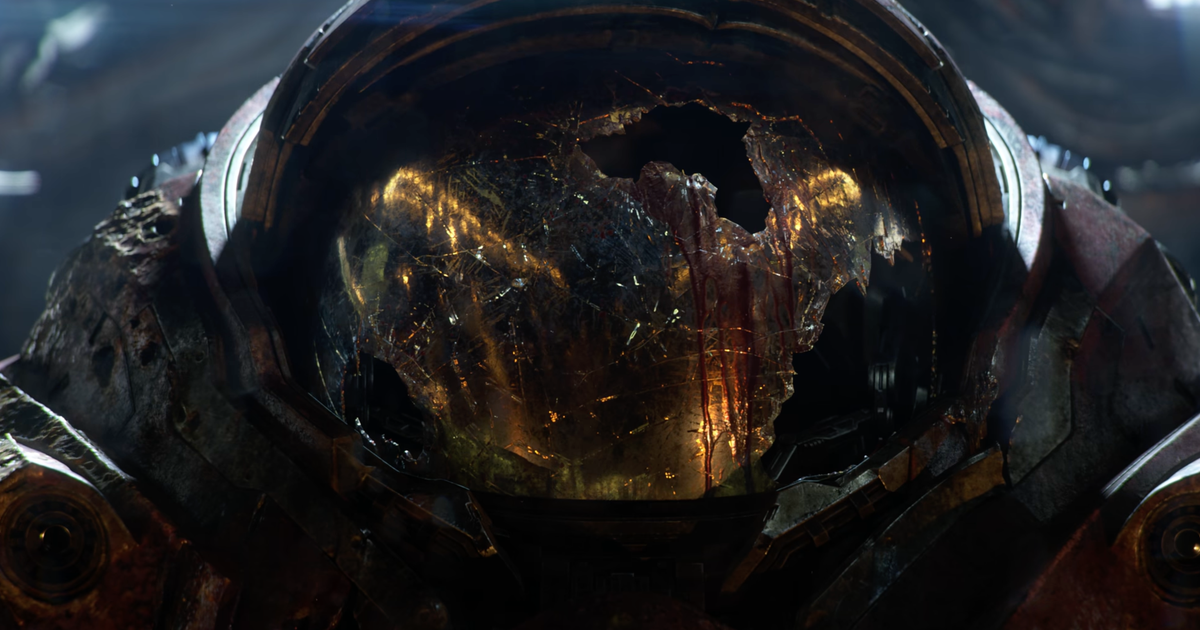
The reveal was accompanied by a three-minute cinematic that immediately set the tone for the game. Eschewing the polished, heroic aesthetic of earlier cinematics, the trailer offered a harrowing, realistic look at the Terran experience.
The footage follows a fresh Terran recruit named Holt. His deployment is chaotic and brief; within seconds of landing on a Zerg-infested battlefield, the environment—alive with parasitic growth and swarming horrors—overwhelms the squad. The aesthetic is claustrophobic and tactile, emphasizing the terrifying scale of the Zerg menace from a human-sized perspective.
Audio cues throughout the trailer suggest the presence of Arcturus Mengsk, the former Emperor of the Dominion, broadcasting propaganda to the troops. The accompanying description reads: "The sons and daughters of the Dominion answered the call when mankind needed them most. Their courage held the line. Their sacrifice bought us another day. Now the call comes to you. Carry their strength forward. No matter the cost."
This narrative framing suggests the game will explore the darker, more oppressive aspects of the Dominion’s military industrial complex, potentially casting the player as a cog in a machine that views individual life as entirely expendable.
Strategic Implications: The Xbox Exclusive Factor
Perhaps the most significant takeaway from the technical presentation—and the one sparking the most industry debate—was the concluding screen of the announcement. The "2030" reveal was displayed alongside a prominent Xbox logo, with no mention of PlayStation or Nintendo platforms.
This aligns with Microsoft’s broader strategy following its acquisition of Activision Blizzard. Executives have previously indicated that to maximize the value of their console ecosystem, key tentpole franchises would increasingly be treated as platform exclusives. By tethering the new StarCraft to the Xbox brand, Microsoft is clearly attempting to use the legendary RTS/shooter IP as a "system seller," giving players a concrete reason to invest in the Xbox hardware or the Game Pass ecosystem.
Looking Ahead: The Blizzard Pipeline
The StarCraft announcement did not exist in a vacuum. The BlizzCon 2026 opening ceremony was a massive show of force for the studio, confirming that the company is leaning heavily into its "Big Four" franchises: Warcraft, Diablo, Overwatch, and StarCraft.
In addition to the StarCraft shooter, Blizzard confirmed:

- Diablo 5: Expected in Spring 2029, the next mainline entry in the dark fantasy series is already in active development.
- Diablo Animated Series: A partnership with Netflix has been finalized to bring the world of Sanctuary to the small screen, expanding the brand beyond interactive media.
These announcements indicate a deliberate move toward "transmedia" storytelling, where games are supported by high-quality video content and massive, multi-year release schedules.
What We Know (And What We Don’t)
While the hype is palpable, the "how" remains the biggest question. How will the tactical depth of StarCraft translate to an open-world shooter?
If the game focuses on "earning every step," we can speculate on several mechanics:
- Dynamic Territory Control: Drawing from the RTS roots, the game may feature a persistent world where players must capture and hold resource-rich nodes to survive.
- Asymmetric Combat: The Zerg represent a swarm, the Protoss represent high-tech superiority, and the Terrans represent grit. Balancing these in a first-person environment will be the primary challenge for the development team.
- Environmental Survival: The "mud and fire" description suggests that the environment itself will be an antagonist, necessitating crafting, scavenging, and squad-based coordination.
Conclusion: A New Era
The return of StarCraft is not just a sequel; it is an act of brand reinvention. By shifting genres, Blizzard is attempting to avoid the inevitable comparisons to the perfection of StarCraft II while simultaneously modernizing the IP for a new era of gaming.
The road to 2030 is long, and the industry will be watching closely to see if Blizzard can maintain the "Blizzard Polish" while venturing into the highly competitive open-world shooter space. For now, however, the silence is broken. The Koprulu Sector is open for business, and the soldiers are finally deploying. The question remains: will the result live up to the decade of anticipation?
If the grim, visceral tone of the reveal trailer is any indication, Blizzard is not interested in nostalgia—they are interested in survival. And for the fans, that is more than enough.
 Nila Kartika Wati
  Laily UPN
  Sagoh
Sagoh 