
 By Lina Hope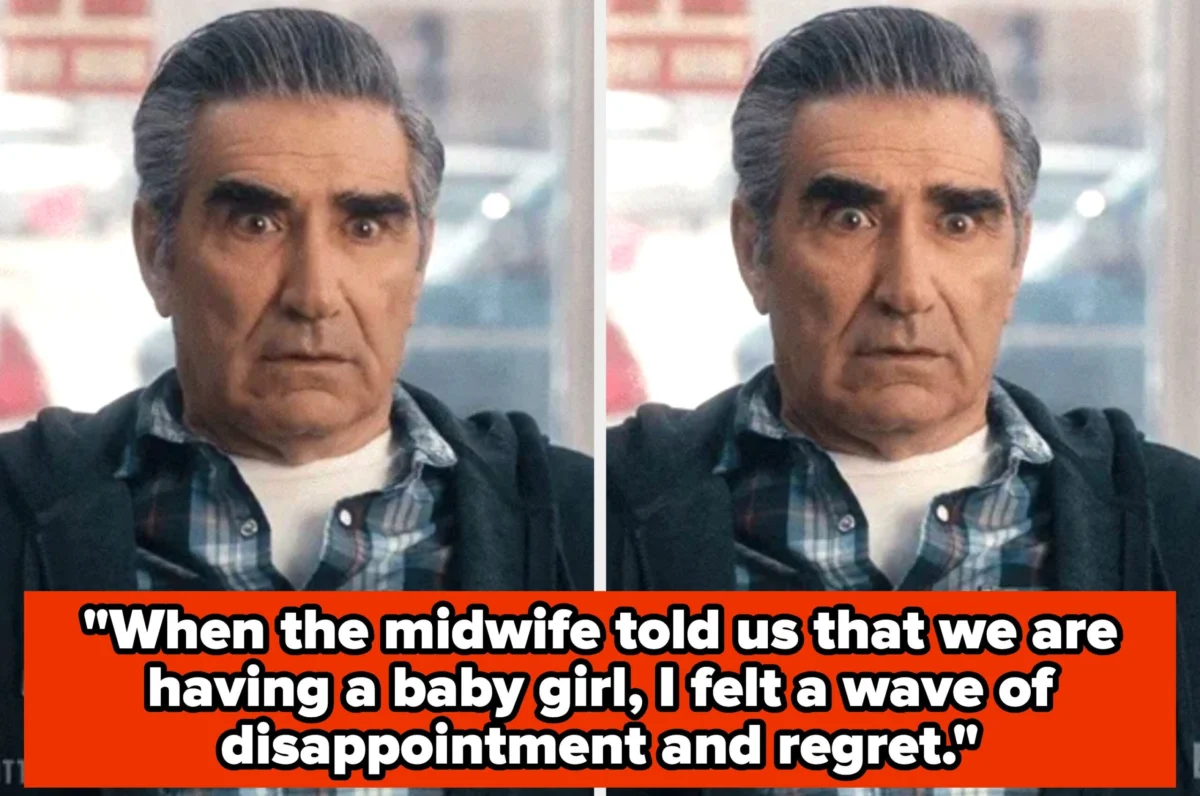
The anticipation of welcoming a new child into the world is universally painted as a time of unadulterated joy, glowing ultrasound photos, and endless celebration. Yet, beneath the societal gloss of nursery planning and baby showers lies a complex, frequently stigmatized psychological phenomenon known as "gender disappointment." Defined as the grief or sorrow some parents experience when discovering their unborn child is not the sex they had hoped for, this emotional response is often wrapped in layers of guilt. While cultural critiques often target the more superficial or problematic reasons behind these feelings, psychologists recognize that gender disappointment is frequently rooted in a much simpler source: the mourning of a specific, idealized future that a parent had inadvertently constructed in their mind.
Recently, the topic resurfaced with raw vulnerability in online spaces dedicated to expecting and current fathers, sparking a nationwide conversation about paternal mental health, shifting gender roles, and the realities of modern parenting.
Main Facts: The Reality of Paternal Gender Disappointment
Gender disappointment is not exclusive to mothers, though it is often more openly discussed among women. Expecting fathers, too, grapple with the quiet shock of prenatal genetic testing results that reveal a baby’s sex.
The core facts surrounding the phenomenon highlight several key insights:
- The Root of the Grief: Paternal disappointment is rarely about overt sexism; rather, it often stems from anxiety regarding connection, shared interests, and the father’s perceived ability to mentor a child of a specific sex.
- Societal Stigma: Because men are culturally discouraged from expressing vulnerability—especially regarding the birth of a healthy child—many fathers suffer in silence, fearing judgment or accusations of being ungrateful.
- The Power of Internet Communities: Subreddits like r/predaddit and r/AskMen have become safe havens where men can anonymously confess these complex emotions and receive empathetic, grounded advice from veteran fathers.
Chronology: From the Ultrasound Room to the Online Confessional
The trajectory of gender disappointment typically follows a predictable emotional timeline, mirroring the journey of an expecting parent moving from expectation to acceptance.
1. Week 14: The Prenatal Revelation
For many modern parents, the gender reveal happens early via prenatal genetic testing around the 14th week of pregnancy. What is often framed as a celebratory milestone can instead trigger an unexpected emotional pivot.
Consider the viral post shared by Reddit user dad_regret on the r/predaddit forum. After his midwife delivered the news that he and his wife were expecting a baby girl, the user experienced an immediate wave of disappointment and regret. Despite not caring about traditional hyper-masculine milestones like hunting, fishing, or raising a star athlete, the father was confronted with a sudden existential dread: Would he be able to relate to a daughter?
2. The Internal Spiral of Doubt and Fear
In his candid post, the user articulated two distinct categories of anxiety that plague many expecting fathers experiencing gender disappointment:
- Relatability: Fears over navigating stereotypically feminine milestones—ballet, princess phases, womanhood, dating, and eventual motherhood—topics in which the father felt an absolute lack of personal connection or interest.
- Societal Protection: A profound, visceral fear of the dangers women face in the modern world, ranging from institutional inequality and hyper-sexualization to objectification and safety concerns.
Recognizing the controversial nature of his thoughts, the father added a preemptive plea to the online community: "I appreciate that I provided a very ‘sexist’ description of gender and life, and I understand that life in the western world is more nuanced and equal, but I’m trying to emphasize my point… Please don’t roast me for it."
3. The Community Response and Reassurance
The post opened the floodgates for hundreds of candid responses from men across Reddit, detailing their own journeys through unexpected prenatal news, transforming a moment of isolation into a collective masterclass in paternal empathy.
Supporting Data and Perspectives: What Veteran Dads Say
The responses collected from online parenting forums reveal a profound evolution in perspective once the child is actually born. Veteran fathers consistently emphasize that initial prenatal disappointment is fleeting, easily overwritten by the reality of parental love.
1. The Fallacy of Stereotyped Interests
Multiple fathers pointed out that children rarely conform strictly to outdated gender boxes, especially when encouraged by loving parents.
- One father noted: "There is no reason your little girl can’t do/be interested in all the same things you were going to do with a son… If you don’t raise a girly girl, you can share every activity with her. Bring on the tea parties, you will be your daughter’s favorite."
- Another user shared a personal anecdote about a friend whose wife was a gymnast and dancer, and how the father ultimately found immense joy participating in those exact activities with his daughter.
2. The Unique Bond Between Fathers and Daughters
Many respondents highlighted a universally observed dynamic: the fierce, enduring bond between fathers and their daughters.
- "These gender disappointment things always tend to be the woman wanted a little girl or the man wanted a little boy," one contributor noted. "Thing is, little girls LOVE their dads. I’ve got three younger sisters who are all in their 30s now, and they still hero-worship my dad."
- Another father admitted he initially hoped for a son to carry on family traditions like fixing cars and playing guitar, but later realized that raising daughters offered an equally rewarding platform to instill confidence, strength, and independence.
3. Deconstructing the Need for a Son
Other fathers reflected on how their initial preferences were often tied to their own childhood dynamics or societal pressures—such as the archaic obsession with carrying on a family surname.
- User
idkwhatimdoing25challenged the latter notion directly: “[For what it’s worth], having daughters doesn’t mean your name has to die. Women can pass their names down, too. I actually know multiple families where they either hyphenated or took only the wife’s name.”
Official Responses and Psychological Insights
From a clinical standpoint, therapists and family counselors validate gender disappointment as a normal, albeit uncomfortable, facet of the transition to parenthood.
The Psychology of Anticipatory Grief
Psychologists explain that finding out a baby’s sex forces expecting parents to transition from an infinite set of possibilities to a concrete reality. When that reality clashes with a subconscious blueprint the parent had built—sometimes for months or even years prior to conception—the brain processes it as a minor form of loss. This "anticipatory grief" requires time to process.
The Danger of Silence
Mental health professionals warn that stigmatizing these feelings only harms families. When fathers or mothers feel they cannot safely admit their disappointment to a partner or support network, the guilt can morph into anxiety, depression, or emotional detachment during the crucial prenatal and postpartum phases. Experts stress that feeling a moment of disappointment does not make someone a bad parent; rather, it is the first step in letting go of expectations to make room for the real child who is coming.
Implications: Redefining Parenthood Beyond Gender Norms
The open discourse surrounding paternal gender disappointment carries profound implications for modern family dynamics and the evolution of fatherhood.
1. Dismantling Rigid Gender Roles
The primary takeaway from these online discussions is that children are individuals long before they are defined by their biological sex. Fathers who initially feared having a daughter often discover that a child’s personality is entirely divorced from rigid stereotypes. As one parent observed regarding their own children: "Our eldest is a fantastic athlete… Our son is sweet, gentle, and loving, but hates sports and enjoys chess. Basically, their gender won’t define their interests and personality."
2. Promoting Emotional Honesty in Men
By creating anonymous and supportive digital spaces, men are slowly dismantling the toxic expectation that fatherhood must always be met with unwavering, flawless enthusiasm from minute one. Acknowledging vulnerability allows expecting fathers to process their internal anxieties, ensuring they arrive in the delivery room grounded, open-hearted, and ready to bond with their child unconditionally.
Conclusion
Ultimately, as veteran father Diocletion-Jones wisely summarized on Reddit:
"In hindsight, I didn’t really know how time and experience would change my perspectives… I’d say to all the future parents out there with firm views on parenthood, we all have them. Our views are good starting points and guides… But don’t be overly surprised if some of them change with experience."
For expecting fathers grappling with the shock of gender disappointment, the universal message from those who have walked the path before them is simple: breathe, let go of the script, and trust that the moment you hold your child for the first time, all preconceived notions will fade away in the light of an entirely new kind of love.
 Asro
Asro  Neng Nana
  Nana
Nana 