
 By Laily UPN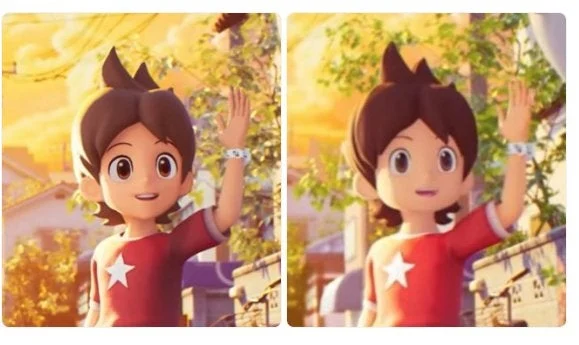
The recent digital showcase from Japanese developer Level-5 was intended to be a triumphant return for some of the industry’s most beloved franchises, including Professor Layton, Decapolice, and Yo-Kai Watch. Instead, the event—dubbed "LEVEL5 VISION 2026"—sparked a firestorm of controversy. Fans watching the broadcast quickly identified what they perceived as the unmistakable, uncanny aesthetic of generative AI, leading to widespread backlash across social media platforms.
In response to the growing outcry, Level-5 President and CEO Akihiro Hino has issued a formal apology, clarifying the studio’s stance on the use of emerging technologies. The incident has reignited a fierce debate within the gaming industry regarding the role of artificial intelligence in creative processes and the potential alienation of the fanbase that supports these artistic endeavors.
The Chronology of the Controversy
The tension began immediately following the broadcast of the digital showcase. As Level-5 revealed new footage and promotional material, eagle-eyed viewers and industry analysts began to highlight inconsistencies in the visuals. Within hours, threads on X (formerly Twitter) and various gaming forums were inundated with side-by-side comparisons and critical commentary, suggesting that the studio had utilized generative AI to create assets for the presentation.
By the following day, the situation had escalated significantly. Fans who had initially been excited by the prospect of a Level-5 resurgence expressed deep disappointment. One prominent sentiment echoed by the community was that the use of generative AI felt "blatant" and undermined the handcrafted charm that had defined the studio’s legacy.
On September 12, 2026, Akihiro Hino took to social media to address the mounting pressure. His statement, delivered in Japanese and subsequently analyzed by global outlets, sought to distinguish between the use of AI in marketing materials versus the actual development of the games themselves. Hino’s apology was swift, acknowledging that the studio’s attempt to create a "spectacular" presentation had inadvertently caused discomfort among their most loyal supporters.
The Official Stance: Defining the Boundaries
Hino’s response was carefully calibrated to address two distinct areas of concern: the showcase presentation and the core development of the games.
Distinguishing Presentation from Production
Hino admitted that the studio had utilized AI to enhance the visual flair of the presentation itself. He described the usage as an "experiment" with the latest tools, intended to make the showcase feel more dynamic. "It was entirely due to the desire to make the presentation more spectacular that we incorporated processing that also served as an experiment using the latest AI," Hino stated.
Safeguarding the Creative Core
Perhaps the most critical portion of Hino’s statement was his firm insistence that the soul of Level-5’s titles remains untouched by automation. He explicitly stated that key creative pillars—specifically scenarios, character designs, and fundamental game settings—are "all created by human hands."
According to Hino, the company’s internal goal is to use AI to streamline the labor-intensive aspects of production, such as the "digitization" of creative work. He cited the conversion of original, hand-drawn artwork into 3D polygons as an area where AI could assist in efficiency. This, he argued, is part of a broader corporate strategy to reduce development cycles from five years down to two, without sacrificing the studio’s unique artistic identity.
Supporting Data and Industry Context
The controversy surrounding Level-5 does not exist in a vacuum. It is part of a massive, industry-wide pivot toward AI integration. Recent reports from the Tokyo Games Show organizers indicate that over half of Japanese game companies are currently experimenting with or actively utilizing AI in their development pipelines.

Level-5 is joined by a cohort of major industry players who have made similar, though often more aggressive, commitments to the technology:
- Krafton: The publisher behind PUBG and inZOI has rebranded its corporate identity to be an "AI-first company," placing the technology at the absolute center of its problem-solving and creative strategies.
- Square Enix: Moving beyond simple asset generation, the Final Fantasy publisher has publicly stated its ambition to use generative AI to handle up to 70% of its Quality Assurance (QA) testing processes by 2027.
- Electronic Arts (EA): CEO Andrew Wilson has characterized AI as the "very core" of the company’s future business strategy, emphasizing its potential to accelerate production and personalize player experiences.
The common thread among these companies is the pressure to combat ballooning development costs and extended timelines. As game development budgets for "AAA" titles now routinely exceed hundreds of millions of dollars, executives are increasingly viewing AI as the only viable solution to maintain profitability.
The Implications for the Future of Game Development
The Level-5 incident serves as a bellwether for the friction between corporate efficiency and fan sentiment. There are several long-term implications to consider as studios navigate this transition.
The Perception of "Handcrafted" Value
For studios like Level-5, which have built their brand on a distinct, whimsical, and "human" aesthetic, the perception of AI usage is particularly damaging. The "charm and individuality" Hino mentions are not just buzzwords; they are the primary product features that differentiate Level-5 from its competitors. When fans feel that these qualities are being outsourced to algorithms, the perceived value of the product diminishes.
Transparency as a Necessity
One of the primary failings of the Level-5 showcase was the lack of transparency. Had the studio been open about their use of AI as an experimental tool for presentation purposes, the backlash might have been mitigated. Moving forward, the gaming industry is learning that audiences are increasingly sensitive to the provenance of the content they consume. Companies that fail to disclose their use of generative technology risk a loss of trust that can be difficult to regain.
The Efficiency Trap
While Hino’s desire to shorten development cycles from five years to two is a logical business decision, it creates a potential "efficiency trap." If the speed of development is prioritized over the quality of the creative output, studios risk creating a homogeneous landscape where games feel "generated" rather than "inspired." The challenge for Level-5 and its peers is to use AI as a brush for the artist, rather than a replacement for the creator.
Conclusion: Lessons Learned
Akihiro Hino’s final remarks on the matter suggest that Level-5 is taking the feedback to heart. "We will take this as a lesson and carry it forward to the next one," he noted, signaling a pivot in how the company will handle future promotional material.
The incident serves as a poignant reminder that while technology can optimize workflows and dazzle audiences with "spectacular" visuals, it cannot replicate the deep, emotional resonance of human creativity. As the industry continues to integrate AI, the studios that succeed will likely be those that treat these tools with extreme caution, ensuring that the "human hand" remains the undisputed architect of the games we love.
The path forward is clear: fans are not necessarily opposed to the modernization of development, but they are fiercely protective of the creative soul of their favorite franchises. For Level-5, the coming months will be a test of whether they can maintain their unique identity while navigating the complex, often contentious, landscape of an AI-driven future.
 Jia Lissa
  Nila Kartika Wati