
 By Jia Lissa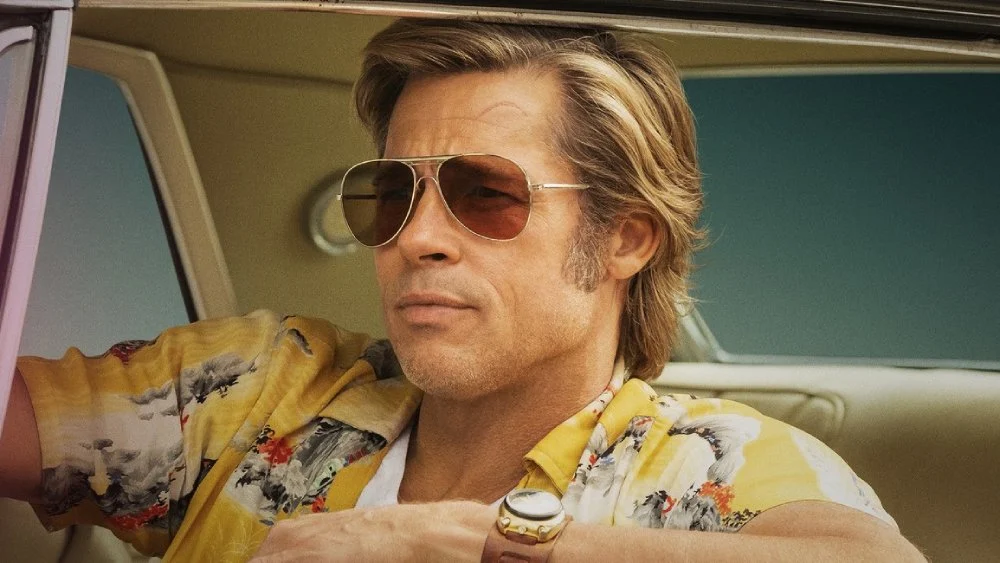
The cinematic world is bracing for a dual-pronged return to the sun-drenched, melancholic streets of 1970s Los Angeles. Quentin Tarantino, the auteur behind some of the most influential films of the last three decades, is orchestrating a unique transmedia expansion of his 2019 critical darling, Once Upon a Time in Hollywood. This expansion centers on the enigmatic stuntman Cliff Booth, played with Oscar-winning charisma by Brad Pitt, in a narrative that bifurcates into a major motion picture and a companion novel.
While the film, titled The Further Mis-Adventures of Cliff Booth, transitions the franchise to a Netflix-backed production directed by David Fincher, Tarantino himself is taking to the page. His novel, The Adventures of Cliff Booth, is set to hit bookshelves via HarperCollins on December 8, bridging the gap between the character’s past and his newly charted future.
The Chronology of a Hollywood Icon
The timeline of this expansion is meticulously planned to maximize audience engagement across platforms. The journey begins in the autumn of this year, serving as a cultural event that bridges the traditional theatrical experience with the modern streaming landscape.
- November 25: The Further Mis-Adventures of Cliff Booth makes its exclusive debut in IMAX theaters, promising a visual experience tailored for the grand scale of the silver screen.
- December 8: HarperCollins releases The Adventures of Cliff Booth, allowing fans to deep-dive into the prose version of the character’s life.
- December 23: The film arrives on Netflix, cementing the project’s place in the digital zeitgeist just in time for the holiday season.
This staggered rollout highlights the shifting nature of film distribution, where high-profile, auteur-driven content finds homes in both premium theatrical exhibition and high-budget streaming exclusives.
Supporting Data: From 1969 to 1977
To understand the weight of this return, one must look at the foundation. Once Upon a Time in Hollywood was a massive success for Sony Pictures, grossing $377 million worldwide against a $90 million production budget. The film garnered 10 Academy Award nominations, ultimately securing two wins, including Pitt’s turn as the stoic, dangerous, yet undeniably cool Cliff Booth.
The new narrative picks up in 1977, eight years after the events of the original film. The "Swinging Sixties" have effectively died, replaced by the grittier, more cynical reality of late-70s Hollywood. The logline for the novel suggests a character who has endured the changing tides of history: “War hero, stuntman, bartender, cinema projectionist… with the occasional ‘clandestine services’ for his friends.”
The shift in production houses is significant. While Sony helmed the original, Netflix has secured the sequel, investing a reported $200 million into the project. This massive financial commitment underscores the streamer’s desire to capture the prestige and cultural capital that Tarantino’s name consistently generates.
The Visionary Handover: Why Tarantino Stepped Back
Perhaps the most discussed element of this production is the change in the director’s chair. David Fincher, a peer of Tarantino and a master of meticulous, atmospheric storytelling, has been tapped to helm The Further Mis-Adventures of Cliff Booth. For fans, the question remains: why would Tarantino, who wrote the screenplay, decline to direct his own sequel?
The answer lies in the filmmaker’s long-standing promise to retire after his tenth feature film. Having already completed nine films—including classics like Reservoir Dogs, Pulp Fiction, and Inglourious Basterds—Tarantino has been vocal about his desire to preserve the integrity of his filmography. He has expressed a staunch refusal to allow a sequel to serve as his final swan song.
In a candid appearance on "The Church of Tarantino" podcast last year, the director explained his reluctance: "I love this script, but I’m still walking down the same ground I’ve already walked. It just kind of unenthused me. This last movie, I’ve got to not know what I’m doing again. I’ve got to be in uncharted territory."
By handing the reins to Fincher, Tarantino allows the world of Cliff Booth to continue while freeing himself to pursue the "uncharted territory" necessary for his final, tenth cinematic project.
Official Responses and Creative Implications
The collaboration between a screenwriter of Tarantino’s stature and a director of Fincher’s technical precision has sparked immense industry speculation. While plot details remain guarded, the tonal shift is palpable. Fincher’s penchant for clinical precision and psychological tension will likely offer a stark contrast to the sun-bleached, nostalgic warmth of the original.
For HarperCollins, the publication of the novel represents a strategic play in the world of "novelization-as-canon." Tarantino’s previous foray into publishing—the novelization of the original Once Upon a Time in Hollywood—was well-received, proving that his prose is as idiosyncratic and evocative as his scripts. By distinguishing the novel (The Adventures of Cliff Booth) from the film (The Further Mis-Adventures of Cliff Booth), the creative team implies that these are complementary pieces of media rather than redundant adaptations.
The implications for the industry are profound. We are witnessing a transition where the "franchise" model is no longer limited to superheroes or space operas. Instead, auteur-driven intellectual property is being treated with the same depth of lore as long-running cinematic universes.
The Broader Impact on Hollywood
The decision to revisit the world of 1977 suggests that Tarantino is interested in the sociological evolution of the film industry. The 1969 setting of the original film captured a moment of cultural rupture—the end of the studio system and the rise of the counterculture. By setting the sequel in 1977, the project is poised to explore the disillusionment of the post-Watergate era, the rise of the "New Hollywood" directors, and the lingering, quiet desperation of men like Cliff Booth who find themselves relics in a changing landscape.
Furthermore, the involvement of Netflix at a $200 million price point signals that the "prestige sequel" is a viable model for streaming platforms looking to compete with major studio tentpoles. It is a gamble on the power of character-driven drama over spectacle-driven action.
As December approaches, the dual arrival of the novel and the film will offer a unique case study in how modern audiences consume stories. Will the readers of the novel find themselves returning to the theater to see the film? Will the Netflix viewers seek out the book to understand the deeper layers of Booth’s "clandestine services"?
Ultimately, this project serves as a bridge between the old guard of Hollywood and the new. It honors the legacy of the industry that Tarantino has spent his career studying and deconstructing, while simultaneously proving that even in his twilight, he remains an architect of worlds that audiences are desperate to inhabit. Whether as a stuntman in a stunt-less age or a writer looking toward his final act, the story of Cliff Booth serves as a poignant, gritty, and deeply entertaining mirror to the very industry that created him.
 Siti Muinah
  Nana
Nana  Laily UPN