
 By Ali Ikhwan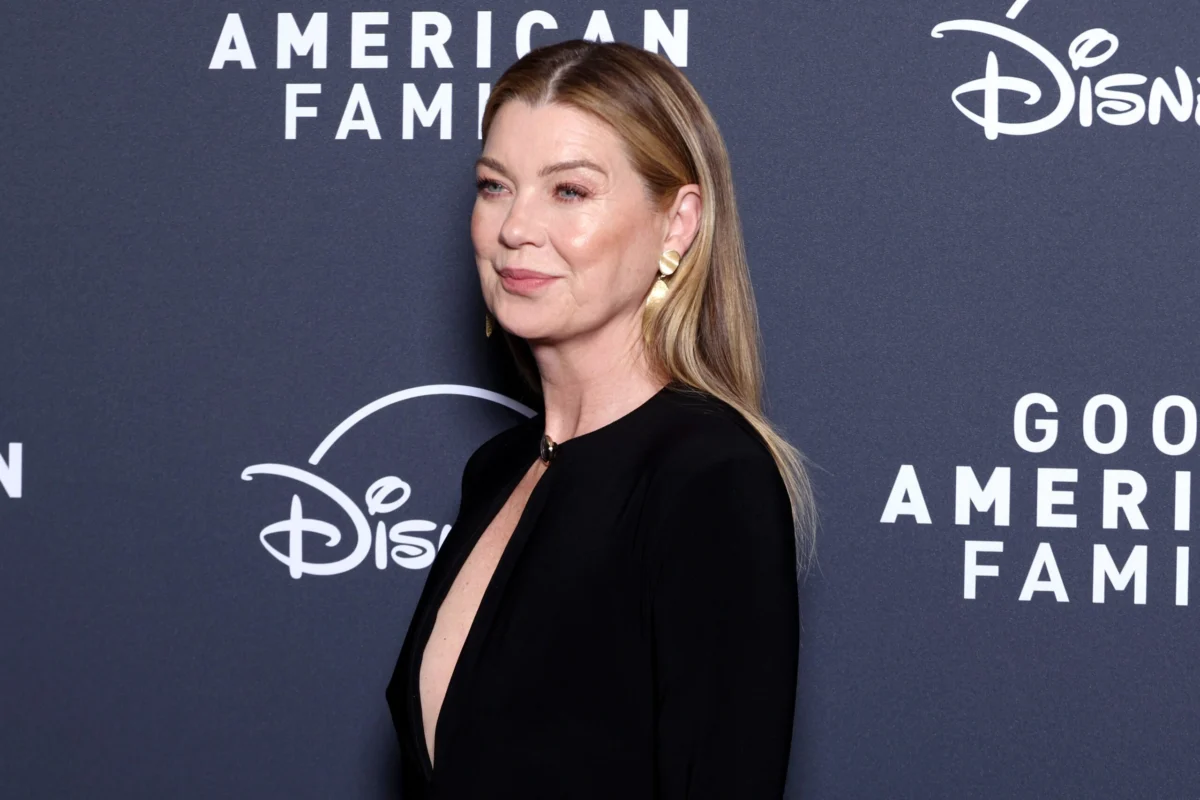
LOS ANGELES — The announcement of a new television adaptation starring Ellen Pompeo has inadvertently triggered a widespread industry debate regarding authentic representation in Hollywood. Hulu’s in-development series Not a Sound, based on Heather Gudenkauf’s bestselling novel of the same name, has drawn sharp criticism across social media platforms following the revelation that Pompeo—a hearing actress—has been cast to portray a protagonist with hearing loss.
While the project boasts a formidable creative team, the decision to bypass Deaf and hard-of-hearing (D/HH) talent has reignited long-standing grievances from disability advocates, viewers, and members of the entertainment community who argue that Hollywood continues to lag behind in meaningful, inclusive casting practices.
Main Facts
At the center of the controversy is Not a Sound, a psychological drama series currently in development at streaming giant Hulu. The project adapts author Heather Gudenkauf’s gripping narrative, which centers on Amelia Winn, an emergency room nurse. In the story, Winn’s life is upended after she loses her hearing in a devastating hit-and-run accident. While navigating her sudden disability, she stumbles upon a shocking discovery that unearths the harrowing truth behind the life-altering event.
The creative apparatus behind the series features prominent industry heavyweights. The television adaptation is being scripted by Matthew Tinker, president of David E. Kelley Productions, alongside writer Annakate Chappell. Meanwhile, filmmaker Azazel Jacobs has been tapped to direct the project.
However, public discourse quickly shifted away from the plot details and creative pedigree following the announcement that Grey’s Anatomy alum Ellen Pompeo would headline the series as Amelia Winn. Because Pompeo is a hearing individual portraying a character experiencing profound hearing loss, the casting decision immediately drew fire from critics who argue that roles depicting disability should be reserved for actors with lived experience from those communities.
Chronology of the Controversy
The unfolding discourse surrounding Not a Sound has followed a swift trajectory from trade announcement to widespread digital protest:
- Initial Development Announcement: News breaks via entertainment trades detailing Hulu and David E. Kelley Productions’ plans to adapt Heather Gudenkauf’s novel, confirming Ellen Pompeo’s attachment to star as Amelia Winn, alongside the creative team of Matthew Tinker, Annakate Chappell, and Azazel Jacobs.
- The Casting Reveal: As details of Pompeo’s role as a hearing-impaired ER nurse circulate, social media users and disability advocates immediately flag the casting of a hearing actor in a prominent D/HH role.
- Initial Social Media Backlash: Within hours, platforms such as Reddit, X (formerly Twitter), and Instagram see an influx of critical commentary questioning why a D/HH actor was not cast in the lead role.
- Escalation to Boycott Threats: The discourse deepens as frustrated fans and advocacy-minded viewers begin organizing informal digital boycotts, pointing to recent progressive strides made by other networks and streaming platforms in disability representation.
- Ongoing Industry Discussion: The controversy sparks broader media coverage regarding Hollywood’s persistent casting habits, echoing historical criticisms raised by Deaf artists regarding tokenism and missed opportunities for authentic storytelling.
Supporting Data and Precedents in Representation
The backlash against Not a Sound does not exist in a vacuum; rather, it is part of a broader, decades-long conversation regarding equity, access, and authenticity in media representation. Over the past several years, audiences have grown increasingly intolerant of "trans-abled" casting—the practice of able-bodied or hearing actors playing characters with physical, sensory, or cognitive disabilities.
Advocates point out that authentic casting not only validates the lived experiences of marginalized groups but also provides essential career opportunities for actors who have historically been sidelined by casting directors. Despite these cultural shifts, progress has been uneven.
During the global discourse, commentators and fans frequently referenced recent successes that proved Deaf and hard-of-hearing actors can successfully anchor major commercial and critical projects. Notable examples cited by disgruntled fans include:
- CODA (Apple): The critically acclaimed, Academy Award-winning film that prominently featured Deaf actors, including Troy Kotsur, who made history as the first Deaf male actor to win an Oscar.
- Only Murders in the Building (Hulu): The hit comedic mystery series that has featured prominent Deaf talent and incorporated American Sign Language (ASL) seamlessly into its narrative fabric.
- Black Rabbit (Netflix): Part of an expanding slate of streaming content integrating authentic representation.
- Code of Silence (ITV/Britbox): A procedural drama focusing on Deaf experiences and featuring authentic talent.
These projects have demonstrated to networks and streaming executives that D/HH actors possess the commercial viability and dramatic range necessary to carry major television shows and films.
Furthermore, historical grievances continue to shadow casting decisions. Industry veterans have previously spoken out about systemic inequities; notably, CODA star Marlee Matlin once revealed in an interview that filmmakers had previously asked her to coach a hearing actor on "how to be Deaf" after she herself was passed over for a Deaf character role. Incidents like these continue to fuel public frustration when high-profile productions opt for established star power over authentic representation.
Public Reaction and Official Responses
As of this writing, neither Hulu, David E. Kelley Productions, nor Ellen Pompeo have released an official statement addressing the casting criticism. However, the grassroots response across digital platforms has been loud, unified, and uncompromising.
On Reddit, a user on the popular Grey’s Anatomy discussion board wrote, “This may be an unpopular opinion, but she shouldn’t be playing a Deaf person in her new role. There are so many D/HH actors who could easily play the role.” Another user replied, “This is how I felt when I read it. Why not cast a deaf or hearing-impaired person instead of a hearing person for this role?”
Similar sentiments flooded X. One viral post stated plainly, “Let disabled people play disabled characters, it’s not that hard,” while another added, “There are so many deaf/HOH actors that could have wonderfully played that role.”
The sentiment quickly escalated from critique to direct action, with numerous fans pledging to withhold their viewership. An Instagram user commented on a popular pop-culture reel:
"There have been great recent series and films starring deaf actors: CODA, Only Murders in the Building, Black Rabbit, Code of Silence to name a few. This is an absolute fail by David Kelley, his production company, Hulu, and Pompeo. WTF! As someone who became legally deaf in my 40s (HoH who reads lips) and who is a longtime Grey’s fan, I will be happily boycotting this show and support the #deafcommunity and any activism they choose to direct at this production."
Another viewer added: "I’m probably going to be criticized for this, but as a disabled person (though not Deaf), I will not be watching a show where a hearing person plays someone Deaf from the start of the show… This role should have gone to a Deaf actor."
Another tweet summed up the collective weariness of the community: "Hey so we will not be watching. There’s enough talented actors in the deaf and hard of hearing community. As a deaf person myself, I’m not amused to see a hearing person playing someone with hearing loss. Please do better."
Implications for Hulu and the Entertainment Industry
The controversy surrounding Not a Sound highlights a critical crossroads for modern television production. As streaming services increasingly compete for subscriber loyalty, audience expectations regarding social responsibility, diversity, and inclusion have evolved past token gestures.
For Hulu, a platform that has previously won praise for championing inclusive programming—such as its involvement with Only Murders in the Building—the casting of a hearing lead in a distinctly Deaf narrative represents a notable misstep in optics and community relations. It raises pressing questions about how casting breakdowns are formulated, whether D/HH talent was genuinely considered during the preliminary search for Amelia Winn, and whether production companies are willing to adapt to contemporary standards of authentic representation.
Moreover, the situation poses a challenge for Ellen Pompeo herself. As one of television’s most recognizable and enduring stars, her involvement naturally brings immense visibility to Not a Sound. However, that same visibility has magnified the scrutiny on the production’s hiring practices. Whether the backlash will impact the series’ long-term viewership, or prompt the creative team to issue a public clarification, remains to be seen.
Ultimately, the firestorm over Not a Sound serves as a stark reminder to Hollywood executives: audiences are no longer willing to overlook exclusionary casting practices under the guise of star power. As the demand for authentic representation grows louder, networks must decide whether they will embrace inclusive storytelling or continue facing swift, organized pushback from the communities they aim to represent.
 Sagoh
Sagoh  Laily UPN
  Muslim