
 By Ali Ikhwan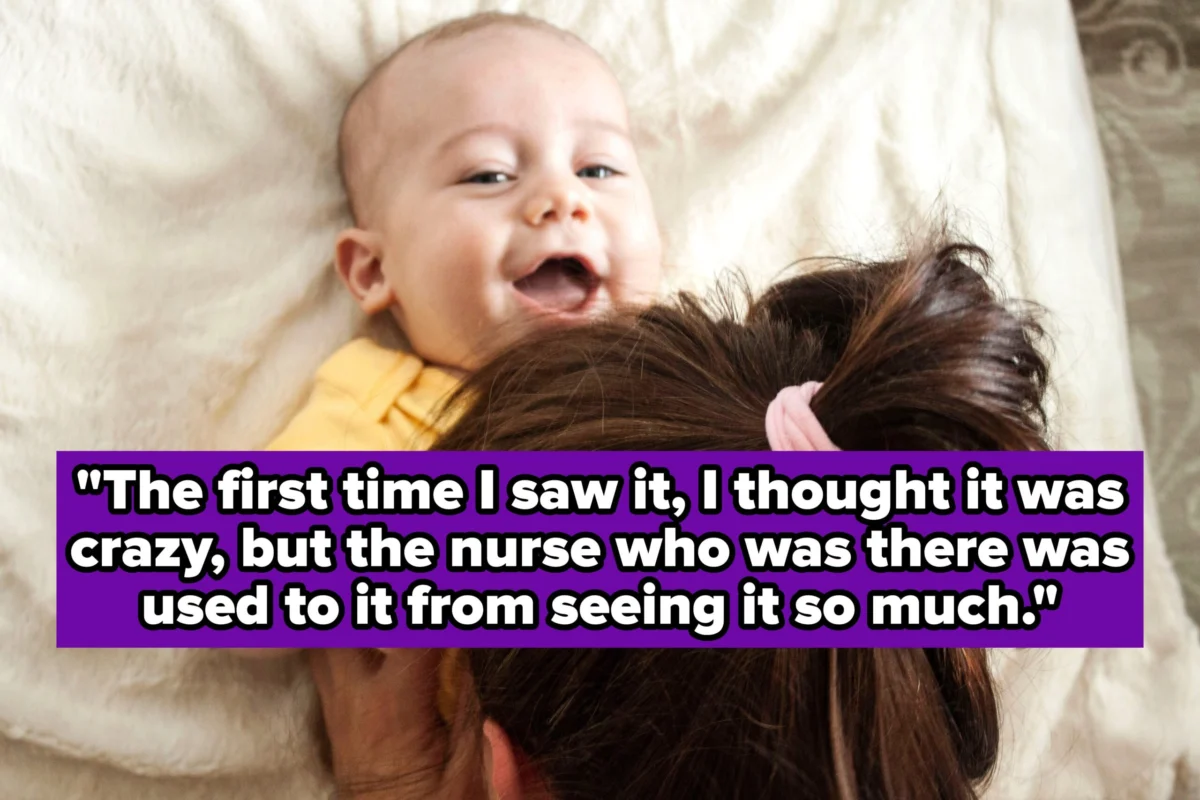
By Global Health & Wellness Desk
Published: October 24, 2023
Main Facts
While society is well-versed in the obvious hazards of modern life—such as riding a motorcycle without a helmet, smoking, or extreme sports—medical professionals frequently treat patients for injuries stemming from surprisingly mundane activities. Recently, a viral discussion on the online forum Reddit captured widespread attention when users posed a sobering question to doctors, nurses, paramedics, and trauma surgeons: "What is something so common yet so dangerous that people don’t know about?"
The responses offered a startling look into emergency rooms, operating theatres, and intensive care units. According to healthcare workers, the greatest threats to human life and limb are often hidden in plain sight inside our kitchens, living rooms, and everyday routines. From household appliances and seemingly harmless children’s toys to vehicle habits and neglected health symptoms, medical experts highlight a broad array of overlooked perils that account for thousands of preventable emergency room visits each year.
Chronology of an Open-Source Medical Inquiry
The conversation began when a healthcare worker initiated a thread on Reddit’s popular AskReddit community, prompting verified medical professionals to share the hidden dangers they encounter on the job. Within hours, hundreds of doctors, paramedics, and physical therapists weighed in, detailing specific scenarios where routine actions escalated into medical emergencies.
As the thread gained momentum, it evolved from an anecdotal exchange into a massive digital repository of public health warnings. Healthcare workers categorized these hazards not by their rarity, but by their sheer frequency. The ensuing public interest underscored a significant gap between consumer awareness and clinical reality. While safety agencies frequently regulate major hazards like automotive design and workplace standards, the psychological comfort of the home often blinds people to localized, micro-level dangers.
Supporting Data and Clinical Insights
The medical professionals contributing to the discussion highlighted several critical categories of danger, ranging from internal chemical reactions to mechanical trauma.
1. Household Chemicals and Small Electronics
- Button Batteries: Among the most alarming warnings involved coin-sized lithium batteries found in household items like remote controls, watches, and key fobs. If ingested by a child, the battery can lodge in the esophagus. Saliva reacts with the positive and negative terminals, creating an electrolytic circuit that rapidly generates hydroxide—a potent base akin to drain cleaner. This triggers a localized chemical burn that can melt tissue from the inside out within hours.
- Antifreeze: Containing ethylene glycol, antifreeze presents a dual threat due to its sweet taste, which attracts pets and young children. Medical professionals noted that even a minuscule ingestion—such as a teaspoonful by a cat—can rapidly lead to fatal renal failure if untreated.
2. Mobility and Domestic Hazards
- The Danger of Pets and Area Rugs: Orthopedic trauma surgeons reported that a significant percentage of hip replacement surgeries in elderly patients stem from seemingly benign domestic incidents, such as tripping over household pets or catching a foot on loose area rugs. Coupled with chronic dehydration and the presence of unheeded open wounds, minor falls frequently cascade into life-altering systemic declines for older adults.
- Stairs and Socks: The combination of smooth hardwood steps and slippery socks was frequently cited as a high-frequency cause of traumatic brain injuries and broken bones.
3. Kitchen and Appliance Dangers
- Mandolin Slicers: Culinary tools, particularly mandolin vegetable slicers, are notorious among emergency room staff. The exposed, razor-sharp blades frequently result in severe hand lacerations, nerve damage, and tendon severing when safety guards are omitted.
- Escalators: Transport infrastructure like escalators possess immense mechanical torque designed to lift heavy loads. Paramedics warn that children’s shoes, shoelaces, and loose clothing can easily become trapped in the mechanism, leading to severe crush injuries or amputations.
4. Automotive and Transit Risks
- Dashboard Objects and Passenger Posture: Emergency personnel issued stark warnings regarding objects placed on vehicle dashboards, which act as lethal projectiles during collisions. Furthermore, riding with feet resting on the dashboard or out the window virtually guarantees catastrophic orthopedic and spinal trauma if the vehicle’s passenger-side airbag deploys.
- Tire Quality: Mechanics and emergency responders emphasized that economizing on vehicle tires compromises stopping distances and handling, directly contributing to road traffic accidents.
- E-Bikes and ATVs: The exponential rise in popularity of All-Terrain Vehicles (ATVs) and electric bikes has filled trauma bays with complex pediatric and adult injuries that defy standard surgical repair methods.
5. Overlooked Health Indicators
- Gastrointestinal Bleeding: Medical professionals stressed that unexplained black stools are a hallmark of an upper gastrointestinal bleed. Because patients may remain asymptomatic until massive blood loss has occurred, ignoring this symptom can prove fatal.
- Chronic Sleep Deprivation and Dehydration: Sustained lack of sleep impairs cognitive function, weakens the immune system, and degrades neurological health, while chronic dehydration stresses cellular integrity throughout the body.
- Hair Tourniquet Syndrome: Pediatric nurses highlighted a bizarre yet recurring emergency: long strands of human hair wrapping tightly around a baby’s toes or fingers, cutting off circulation and causing severe swelling that can remain completely obscured by skin folds.
- Chiropractic Adjustments: Neurovascular specialists and emergency physicians cautioned that high-velocity neck manipulation carries a rare but documented risk of vertebral artery dissection, potentially triggering strokes in young, otherwise healthy individuals.
Official Responses and Public Health Implications
Public health agencies and safety advocacy groups frequently emphasize macro-safety initiatives—such as seatbelt laws, helmet mandates, and food safety standards—yet micro-hazards within the domestic sphere remain largely unmonitored by formal regulation.
In response to the viral medical discussion, safety advocates have called for heightened public awareness regarding household product storage, particularly concerning button batteries and toxic automotive fluids. Pediatric associations continue to distribute guidance on childproofing homes against invisible threats like hair tourniquets and unsecured furniture or rugs. Meanwhile, geriatric specialists urge families to audit living spaces for fall risks, noting that proactive home modification is significantly more effective than post-injury surgical intervention.
Conclusion
The collective testimony of doctors, nurses, and paramedics serves as a sobering reminder that danger does not exclusively reside in extreme or high-risk environments. Often, the most profound threats to human health are embedded within the routines of daily life. By recognizing these concealed hazards—ranging from the chemical potential of a tiny coin battery to the structural dangers of an area rug—individuals can better navigate their environments and prevent unnecessary trips to the emergency room.
 Nana Wu
  Muslim
  Raul Delapena Setiawan