
 By Basiran
As the digital photography landscape continues to evolve at a blistering pace, assembling the right combination of camera bodies and glass can feel like an intimidating venture. Whether you are a newcomer building your first professional kit from the ground up or a seasoned veteran looking to upgrade your current setup, the modern mirrorless market offers unprecedented technological capabilities. However, purchasing brand-new equipment straight from the factory floor can impose severe financial constraints.
Fortunately, the secondary market—championed by platforms like MPB—has transformed how photographers acquire gear. By purchasing expertly inspected, pre-owned camera bodies and lenses, creators can stretch their budgets further, gain access to higher tiers of optical engineering, and enjoy greater flexibility when constructing a versatile system.
Choosing a camera body is fundamentally only the first step. While the body dictates your technical limitations—such as sensor readout speeds, autofocus tracking algorithms, and resolution—your lenses ultimately define your artistic vision. Lenses dictate what you can photograph, how you physically approach a subject, and the distinct rendering or "look" of your final images.
Main Facts: The Modern Mirrorless Ecosystem and the Pre-Owned Advantage
When investing in an interchangeable-lens camera system, you are not merely buying a standalone gadget; you are committing to a lens mount and an entire technological ecosystem. Switching systems down the line can be costly and disruptive, often requiring the wholesale replacement of glass or the use of performance-hindering adapters.
To help navigate this landscape, industry experts have compiled a series of curated, genre-specific kits utilizing mirrorless cameras and lenses introduced over roughly the past six years. Focusing on this recent window ensures that photographers retain access to modern features—such as deep-learning subject detection, lightning-fast electronic shutters, and advanced in-body image stabilization (IBIS)—while capitalizing on the significant cost savings of the pre-owned market.
Chronology and Evolution of the Used Gear Market
The transition from vintage Digital SLR (DSLR) setups to advanced mirrorless systems has accelerated rapidly over the past decade.
- 2018–2020 (The Foundation Era): Manufacturers like Sony, Canon, and Nikon heavily invested in full-frame and APS-C mirrorless mounts (such as Sony E-mount, Canon RF, and Nikon Z). Early adopters pushed these systems into mainstream acceptance.
- 2021–2023 (The Maturation Phase): The market saw a massive influx of refined second- and third-generation mirrorless bodies featuring AI-assisted autofocus tracking, higher resolution sensors, and dedicated hybrid video/photo capabilities (such as the Canon EOS R50, Fujifilm X-S20, and Sony a7C II).
- 2024–Present (The Flagship Leap): Groundbreaking flagships featuring global shutters and stacked sensors (like the Sony a9 III and Canon EOS R1) debuted, driving earlier high-end professional bodies (like the Sony a1, Nikon Z8, and Canon EOS R5 Mark II) onto the pre-owned market. This downward migration of technology has created extraordinary value for savvy buyers looking for top-tier performance at a fraction of the original MSRP.
Supporting Data: Curated Camera & Lens Combinations by Genre
Depending on your photographic focus, your ideal gear configuration will vary drastically. Below is a breakdown of the best pre-owned mirrorless combinations tailored for specific disciplines.
1. For Beginners Building an Affordable First Kit
Beginning photographers need equipment that is forgiving and easy to learn on, yet robust enough to accommodate their growth over time. APS-C sensors offer an ideal starting point, balancing high image quality with budget-friendly pricing.
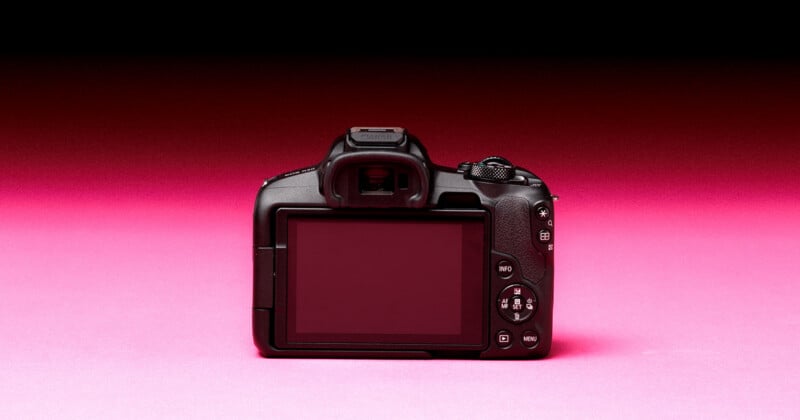
- Canon EOS R50 + RF-S 18-45mm + RF-S 55-210mm: Introduced in 2023, the 24.2-megapixel R50 features Canon’s renowned Dual Pixel CMOS autofocus. Paired with an everyday walkaround zoom and a telephoto reach up to 210mm, this kit covers everything from travel to sports.
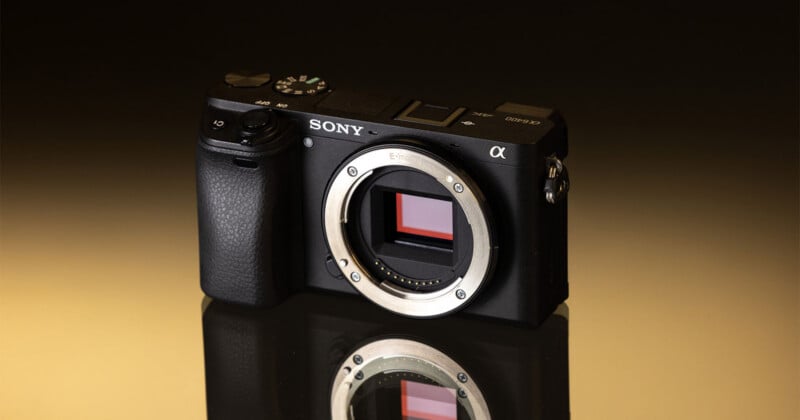
- Sony a6400 + E 18-135mm + E 70-350mm G OSS: A staple of Sony’s expansive E-mount ecosystem, providing exceptional autofocus tracking and incredible reach for budding wildlife enthusiasts.
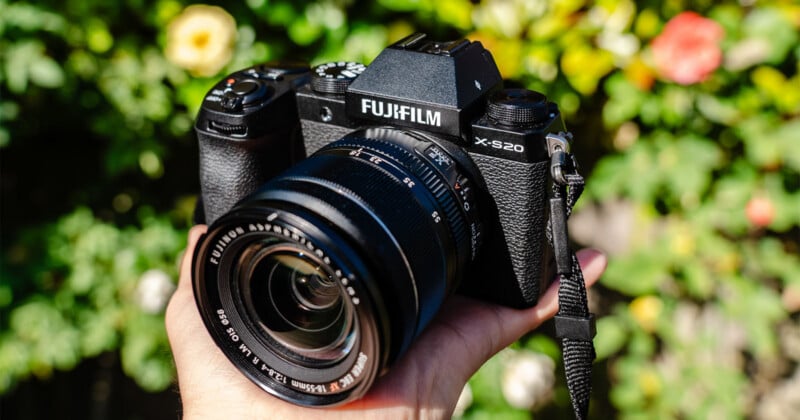
- Fujifilm X-S20 + XF 16-50mm + XF 70-300mm: A hybrid powerhouse featuring IBIS and a 26.1-megapixel sensor, making it ideal for creators dabbling in both sharp stills and cinematic video.
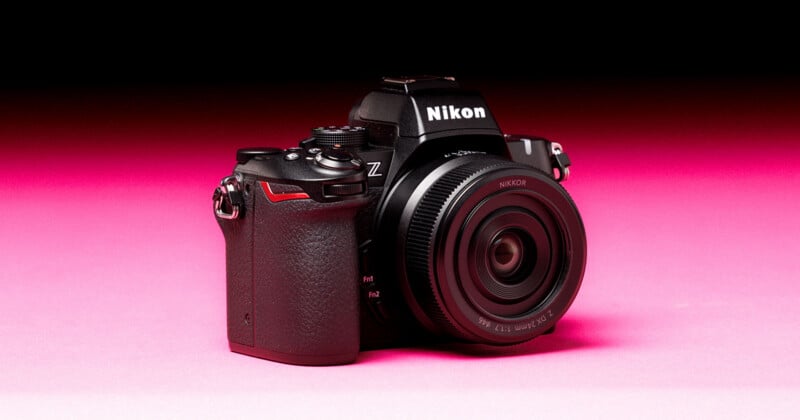
- Nikon Z50 II + NIKKOR Z DX 12-28mm + NIKKOR Z DX 24mm f/1.7: A unique pairing prioritizing creative composition, wide apertures, and architectural flexibility.
2. For Nature and Wildlife Photography
Wildlife photography demands blistering frame rates, reliable subject tracking, and substantial telephoto reach.
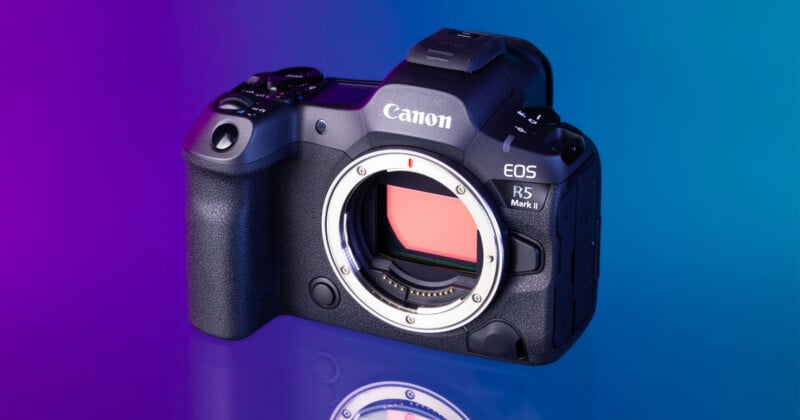
- Canon EOS R5 Mark II + RF 100-500mm + RF 200-800mm: A formidable full-frame setup designed to capture elusive subjects from extreme distances.
- Sony a1 II + FE 100-400mm GM + FE 300mm f/2.8 GM OSS: Merges ultra-high resolution with lightning-fast professional glass for pristine feather and fur detail.
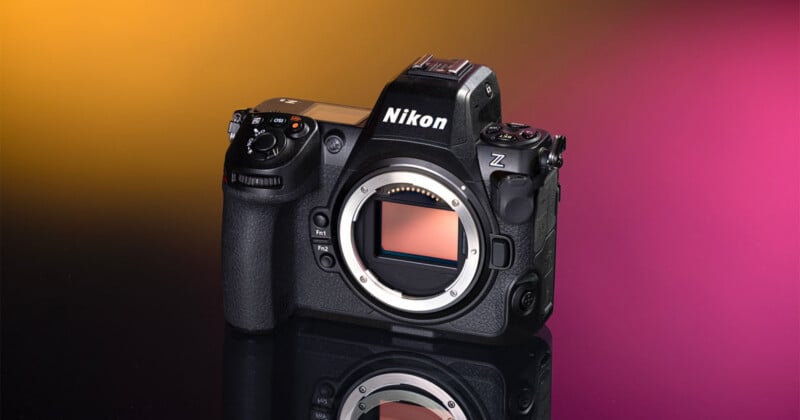
- Nikon Z8 + NIKKOR Z 180-600mm + NIKKOR Z 100-400mm: Utilizes a 45.7-megapixel sensor that allows for aggressive cropping when distant animals fail to fill the frame.
3. For Travel Photography
Travel shooters require multi-role versatility without carrying a heavy bag of specialized tools.
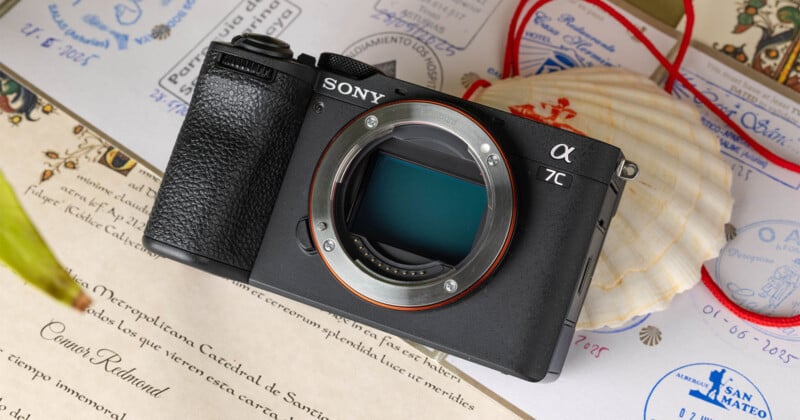
- Sony a7C II + FE 20-70mm f/4 G + FE 70-200mm f/4 G OSS II: Compact full-frame coverage ranging from sweeping landscapes to compressed architectural details.
- Fujifilm X-T5 + XF 16-50mm + XF 70-300mm: Combines traditional physical control dials with a high-resolution 40.2-megapixel APS-C sensor.
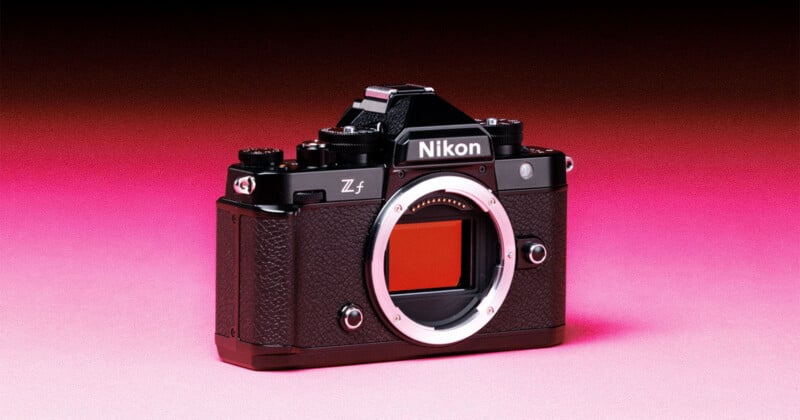
- Nikon Zf + NIKKOR Z 24-120mm f/4 S + NIKKOR Z 40mm f/2: Blends vintage aesthetic charm with modern, full-frame mirrorless power.
4. For Portrait Photography
Portraiture relies heavily on fast prime lenses to achieve shallow depth of field, pleasing background bokeh, and sharp subject separation.
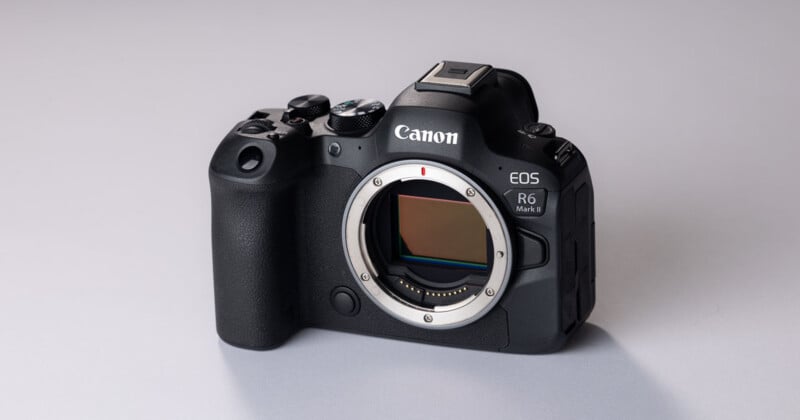
- Canon EOS R6 Mark II + RF 85mm f/2 Macro IS STM + RF 24-105mm f/2.8L IS USM Z
- Sony a7 IV + FE 85mm f/1.4 GM II + FE 35mm f/1.4 GM
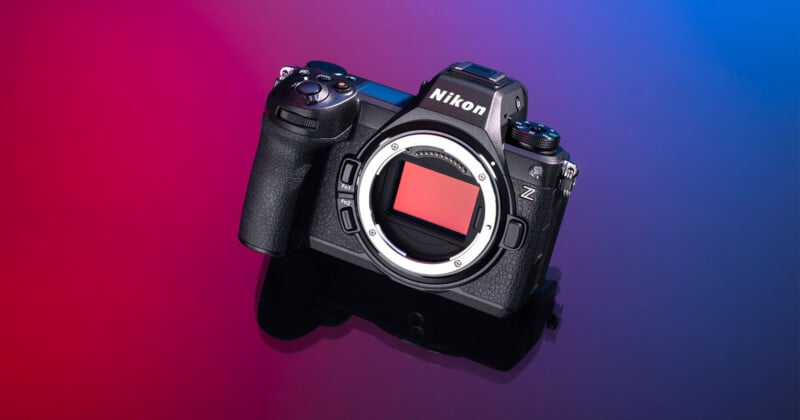
- Nikon Z6 III + NIKKOR Z 85mm f/1.2 S + NIKKOR Z 35mm f/1.4
5. For Fine Art Photography
Fine art requires absolute optical fidelity, immense dynamic range, and resolution capable of producing gallery-sized prints.
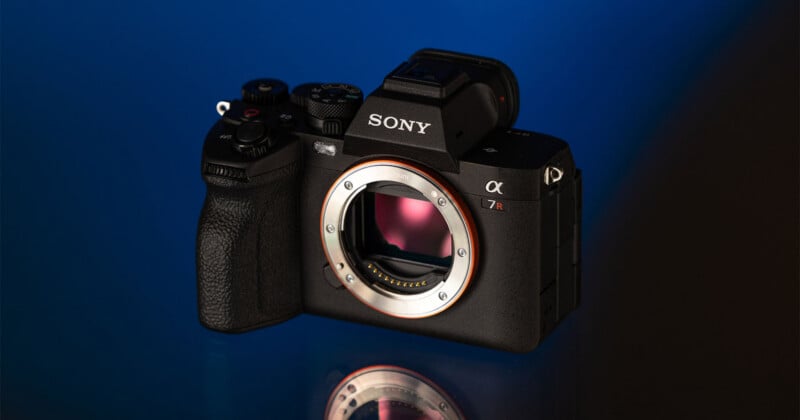
- Sony a7R V + FE 50mm f/1.2 GM + FE 20-70mm f/4 G: A 61-megapixel giant offering unmatched cropping freedom.
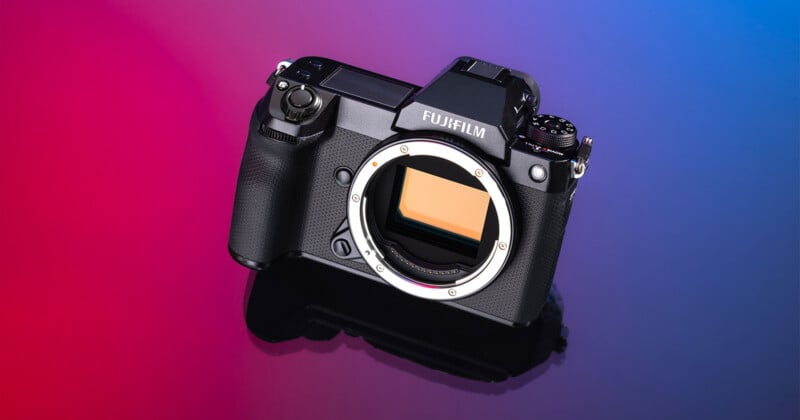
- Fujifilm GFX100S II + GF 55mm f/1.7 R WR + GF 32-64mm f/4 R LM WR II: Steps into large-format medium territory with a staggering 102-megapixel sensor.
- Panasonic Lumix S1R II + Lumix S 24-60mm f/2.8 + Lumix S 100mm f/2.8 Macro: Exceptional L-mount versatility drawing from Panasonic, Leica, and Sigma ecosystems.
6. For Sports, Action, and Commercial Assignments
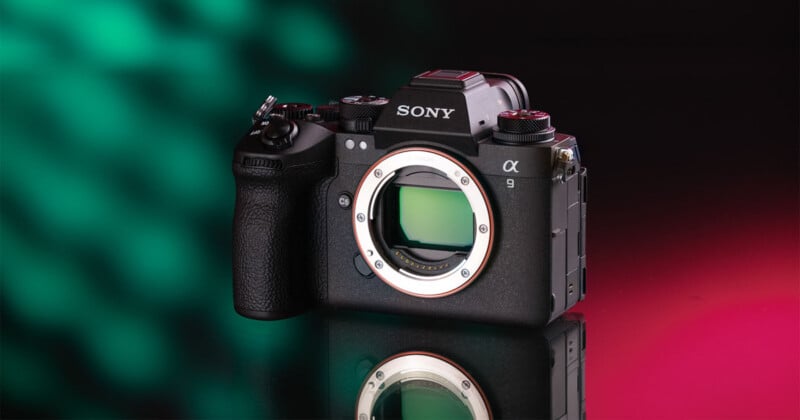
Professional fast-paced environments require zero compromise on autofocus performance, buffer depths, and optical reliability. Curated options include the Sony a9 III, Canon EOS R1, and Nikon Z9 paired with professional 70-200mm f/2.8 and super-telephoto zooms.
Official Responses and Industry Insights
Industry analysts note that consumer confidence in pre-owned camera gear has never been higher. Major re-commerce platforms have professionalized the secondary market by implementing rigorous, multi-point inspection processes.
According to retail data from trusted platforms like MPB, buyers increasingly view pre-owned equipment not as a compromise, but as a smart financial strategy. "Buying used breaks down the financial barriers to entry, allowing photographers to access professional-grade L-series, G-Master, and S-Line lenses that would otherwise sit outside their operational budgets," market observers explain. By individually evaluating sensor conditions, shutter actuations, and optical clarity, re-commerce platforms provide the transparency necessary for creators to buy with total peace of mind.
Implications: Moving Your Photography Forward
Ultimately, upgrading your camera gear is about much more than simply acquiring shiny new hardware. The right combination of a modern mirrorless body and specialized glass can completely revitalize your creative passion.
If you find yourself feeling creatively stagnant, trading in unused equipment or adding a single versatile prime lens can open up entirely new genres of photography. For beginners, exploring the used market ensures that your financial investment yields maximum capability without breaking the bank. By carefully selecting a system that aligns with your artistic goals, you position yourself to capture moments, tell stories, and execute visions that were previously out of reach.
 Layla Zulfa
  Ali Ikhwan
  Azzam Bilal Chamdy