
 By Azzam Bilal Chamdy
In an era where modern consumers increasingly tune out traditional corporate marketing—dismissing self-promotional brand messaging as an active deterrent—enterprises are turning their attention toward a more authentic growth lever: customer advocacy. With 34% of global consumers citing a brand’s obsession with self-promotion as a primary social media turn-off, marketers are forced to rethink how they build trust.

Enter social media listening. No longer confined to basic keyword tracking, modern AI-driven social listening has matured into an essential $10.91 billion industry utilized by 76% of global marketers. By extracting deep emotional intelligence, sentiment trends, and behavioral patterns from unprompted digital conversations, forward-thinking brands are transforming everyday buyers into passionate, vocal brand ambassadors.

Main Facts: The Evolution of Customer Advocacy and Social Listening
At its core, customer advocacy is the strategic practice of nurturing relationships with a brand’s most loyal constituents to convert them into organic promoters. While traditional customer advocacy centers on how a brand champions consumer needs, brand advocacy is the natural byproduct: the unprompted promotion of a company by those very same satisfied customers.
The Shift to AI-Powered Insights
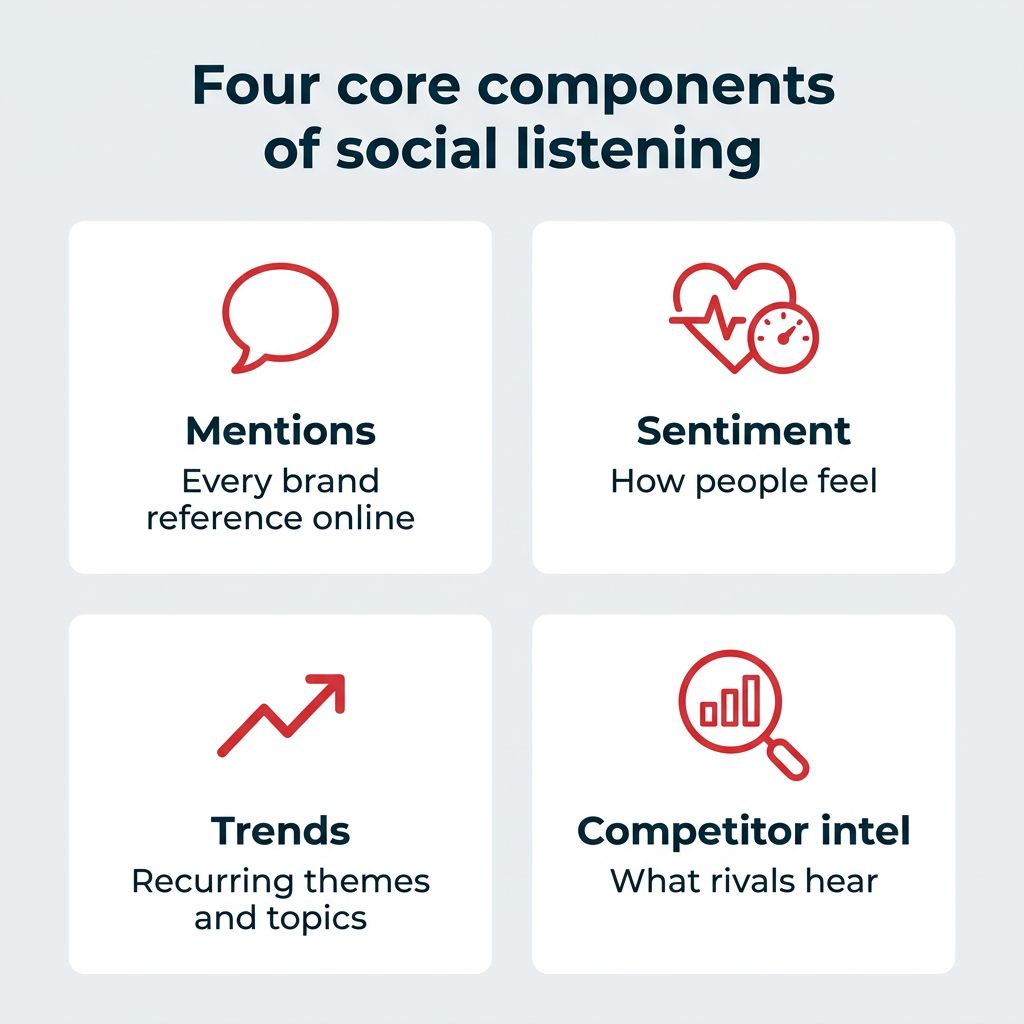
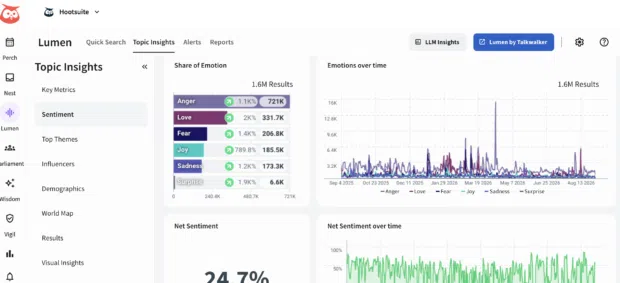
In 2026, social listening is no longer just about counting notifications or logging keyword hits. Powered by advanced Natural Language Processing (NLP), contemporary listening platforms can interpret context, sarcasm, and emotional subtext the way a human would.
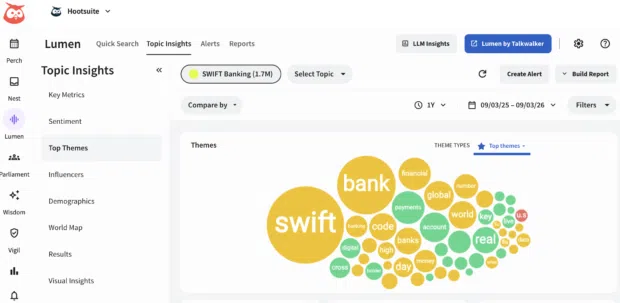
For instance, AI models deployed within enterprise ecosystems—such as Lumen inside Hootsuite Social OS—can automatically parse thousands of global multi-language conversations across news outlets, review forums, and social channels. These systems do not merely flag that people are talking; they reveal why they are talking, accurately categorizing nuanced sentiment shifts from frustration to praise and giving marketing teams the contextual foundation needed to turn casual users into vocal advocates.
Chronology: The Advocacy Flywheel and Implementation Workflow
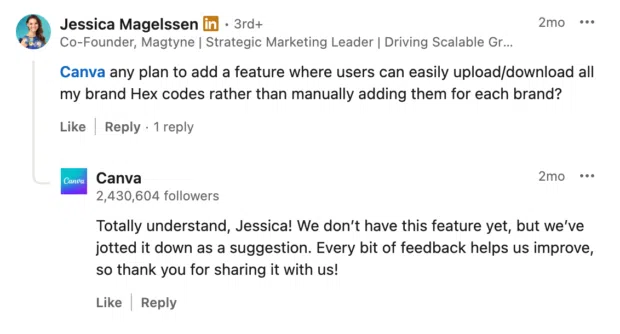
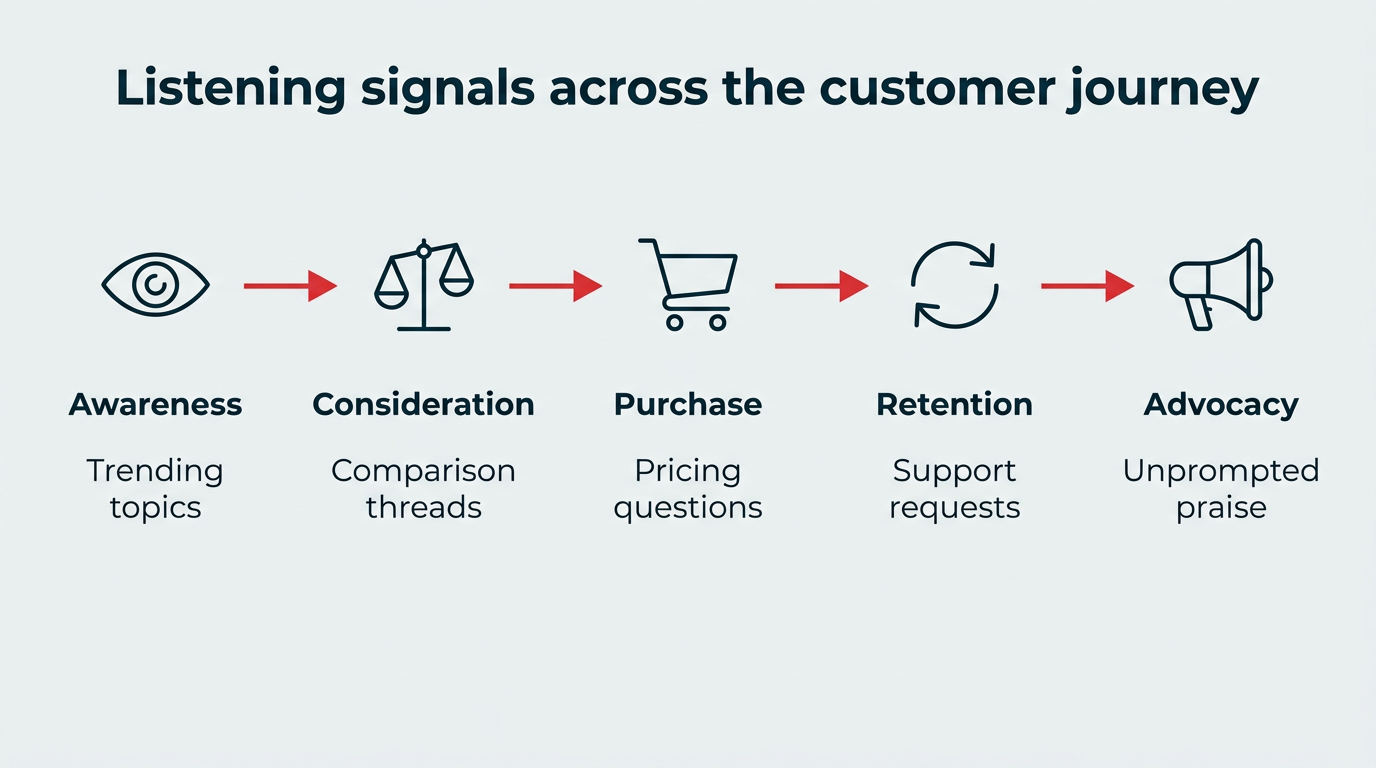
Building an effective customer advocacy ecosystem does not happen overnight. It relies on a continuous loop—a customer advocacy flywheel—where listening informs strategy, optimization delights the consumer, and delight naturally sparks organic advocacy.

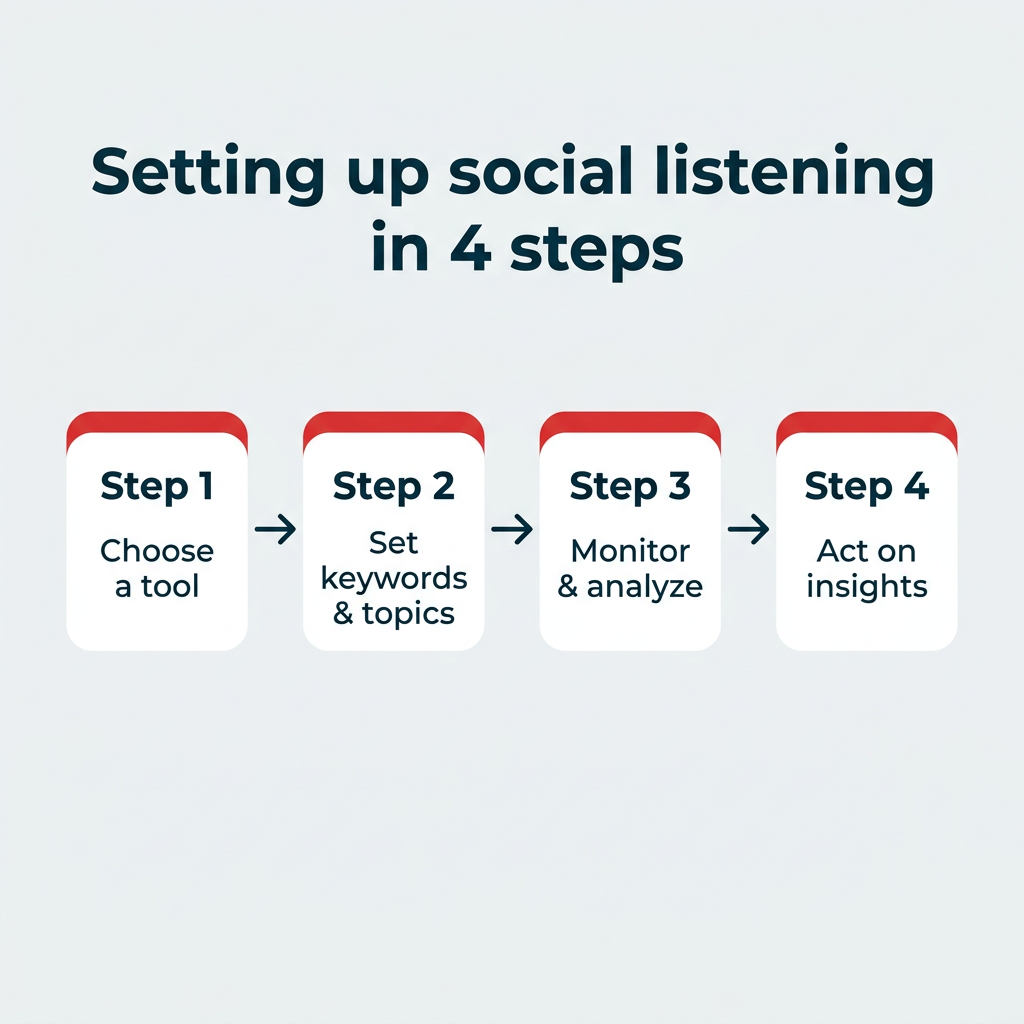
Organizations looking to operationalize this approach typically follow a structured four-stage workflow:
- Tool Selection and Integration: Enterprise teams select unified platforms (such as Hootsuite Social OS) that seamlessly tie social listening data directly into publishing, analytics, and engagement hubs.
- Keyword and Topic Configuration: Marketers map out target tracking parameters, including brand names, proprietary product lines, competitor handles, emerging industry themes, and campaign hashtags.
- Continuous Monitoring and Analysis: Teams analyze incoming data streams for share of voice, sentiment shifts, demographic nuances, and volume spikes.
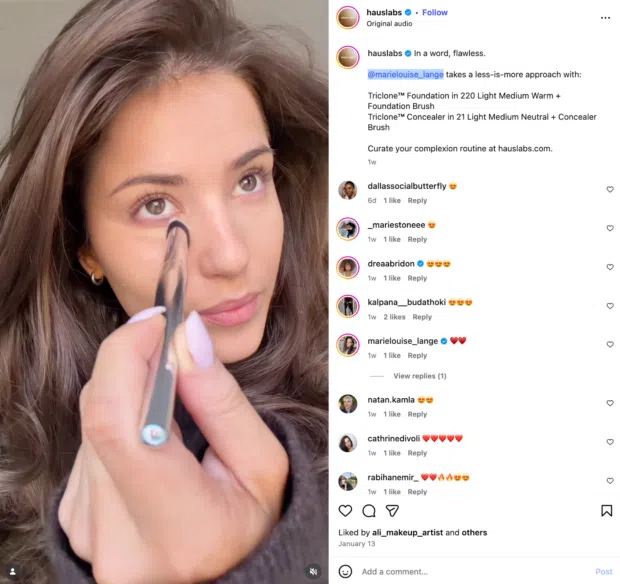
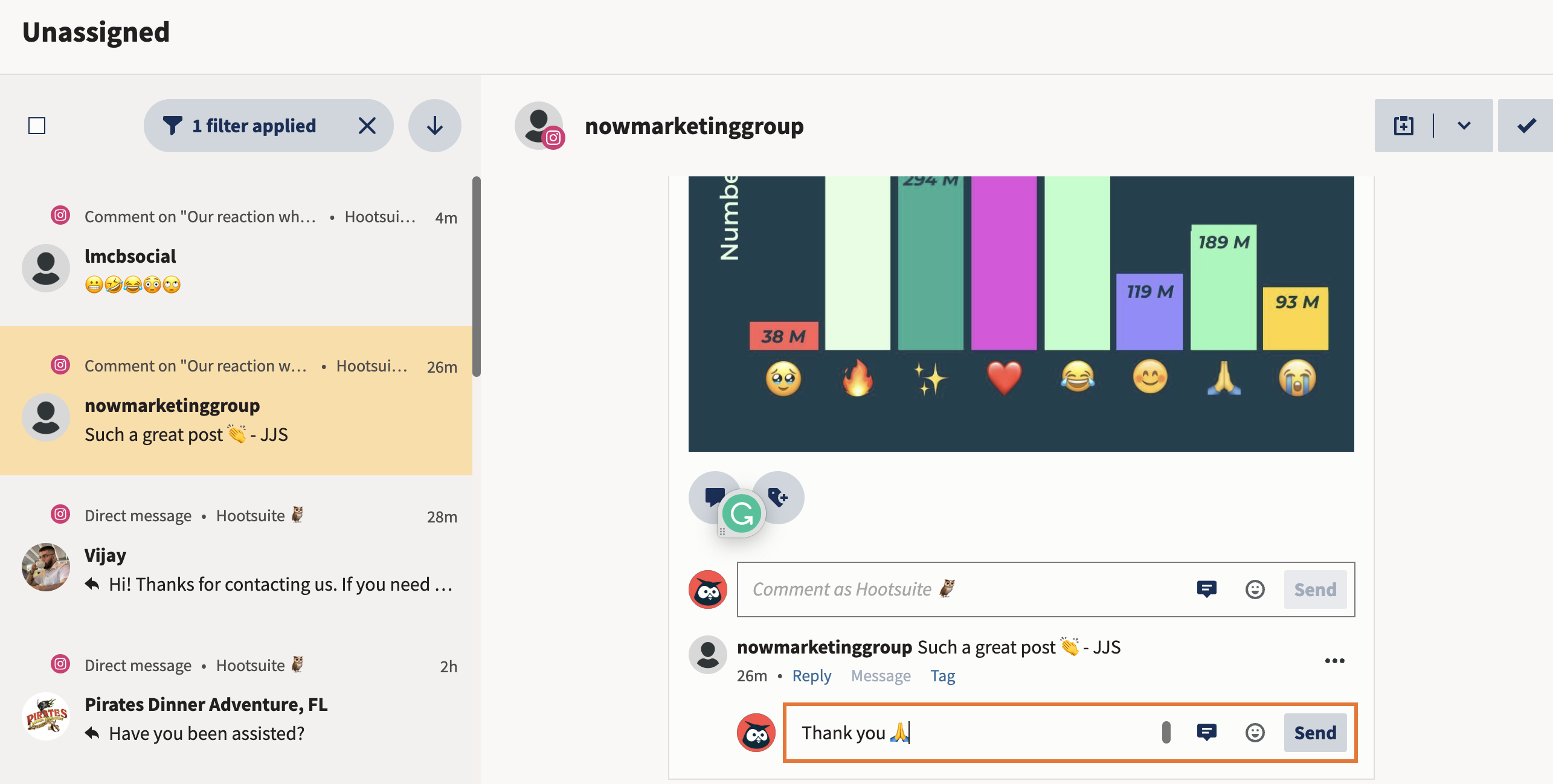
- Actionable Engagement: Brands deploy targeted responses, amplify high-value user-generated content (UGC), remediate product friction points, and invite repeat positive mentioners into exclusive ambassador or beta-testing programs.
Supporting Data: The Metrics That Matter to Leadership
For CMOs and VPs of Marketing, advocacy is far from a "soft" metric; it is a direct driver of ROI and customer acquisition efficiency. Because retaining an existing customer is significantly cheaper than acquiring a new one, unlocking organic peer recommendations radically compresses the path from initial brand awareness to final purchase.
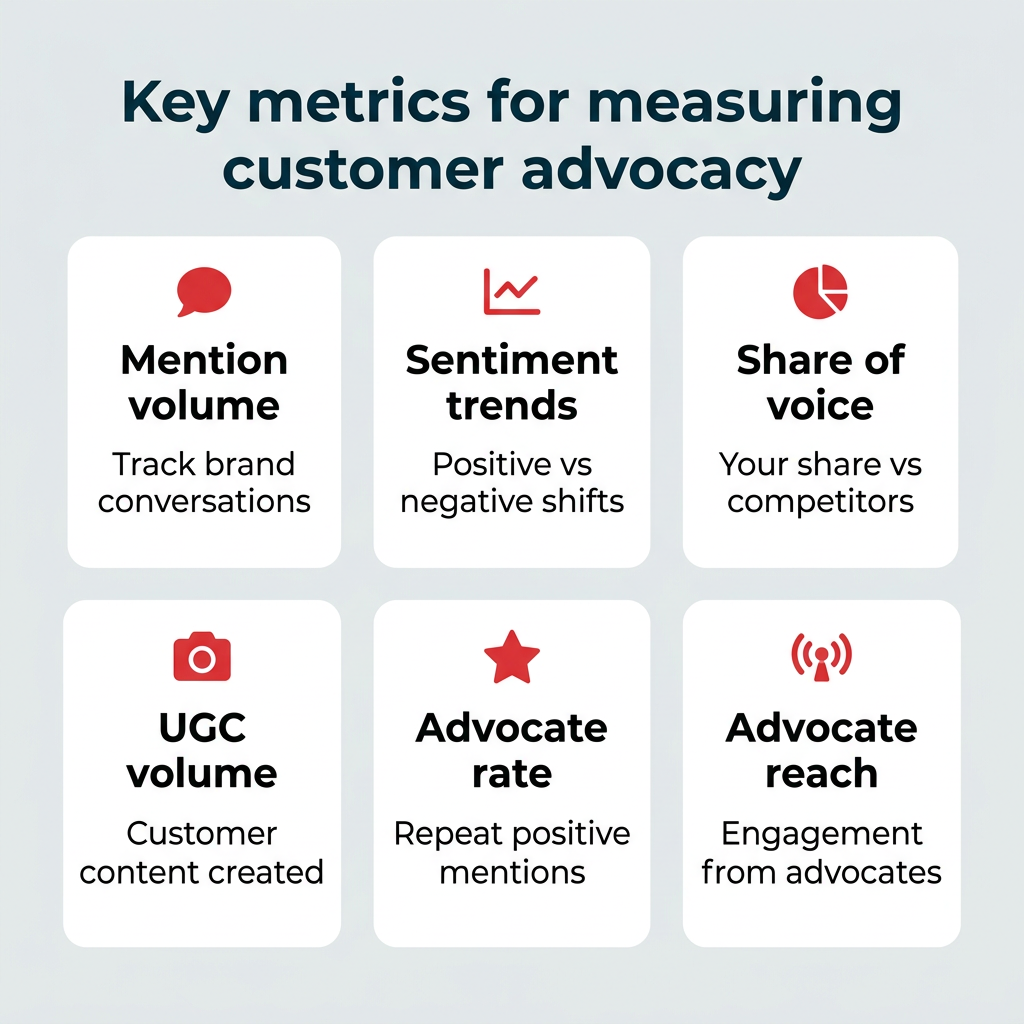
To prove the financial and strategic value of advocacy programs to executive leadership, modern marketing departments track several key performance indicators (KPIs):
- Mention Volume and Growth: Tracking total unprompted brand mentions over a given timeframe to measure organic reach.
- Sentiment Score Trends: Monitoring the shifting ratio of positive, neutral, and negative interactions to gauge overall brand health.
- Share of Voice (SoV): Measuring a brand’s portion of category-wide conversations against primary competitors.
- User-Generated Content (UGC) Volume: Quantifying the amount of authentic, customer-created media available for cross-channel amplification.
- Advocate Identification Rate: Tracking the frequency at which repeat positive mentioners are successfully engaged and funneled into ambassador pipelines.
Real-World Case Studies: Brands Winning Through Strategic Listening
Leading global enterprises across diverse industries have successfully leveraged social listening to protect their reputations, capture viral moments, and ignite customer advocacy at scale.

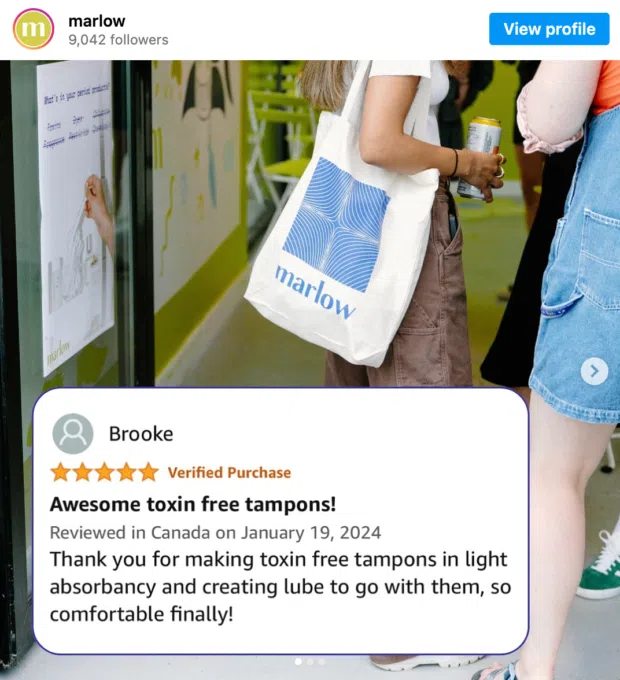
Marlow: Turning Industry Concerns Into Five-Star Proof
When digital safety concerns regarding menstrual products began circulating online, feminine care brand Marlow immediately utilized social listening tools to intercept the narrative. Rather than staying silent, the brand published reassuring educational content while simultaneously spotlighting verified, five-star customer reviews. This direct, transparent approach successfully transformed a potential PR vulnerability into a powerful display of consumer trust and loyalty.
Grubhub: Riding the Wave of Viral Culture
When Grubhub’s polarizing "Delivery Dance" commercial unexpectedly turned into a viral internet meme, the company’s social team avoided the temptation to ignore the chatter. Instead, they embraced the public response head-on, launching the interactive #DeliverTheRemix campaign. By inviting followers to participate directly in shaping future creative directions, Grubhub flipped mixed public sentiment into massive engagement and record-breaking brand visibility.
HelloFresh: Capturing the Missing 400%
As meal-kit provider HelloFresh scaled operations, manual monitoring became untenable, resulting in missed customer mentions where the brand wasn’t explicitly tagged. By integrating an advanced social listening framework, HelloFresh unlocked a 400% increase in monthly brand mentions detected, ensuring that customer questions, praise, and support inquiries were never left unanswered.

Spotify: Institutionalizing Dedicated Social Support
Spotify’s commitment to responsive listening is epitomized by its dedicated "Spotify Cares" operational infrastructure across social platforms. By actively scanning both tagged and untagged mentions, the streaming giant continuously addresses technical hiccups in real time, turning frustrated users into satisfied, long-term brand loyalists.
Cargolux: Maximizing High-Profile Sponsorships
When Cargolux Airlines International transported two beluga whales from China to Iceland, the company used social listening to track public response to the conservation effort. The insights gathered allowed Cargolux to sustain global interest, interact directly with enthusiastic animal welfare advocates, and maximize the long-term PR value of a landmark corporate sponsorship.
Implications: The Future of Customer Service and Employee Advocacy
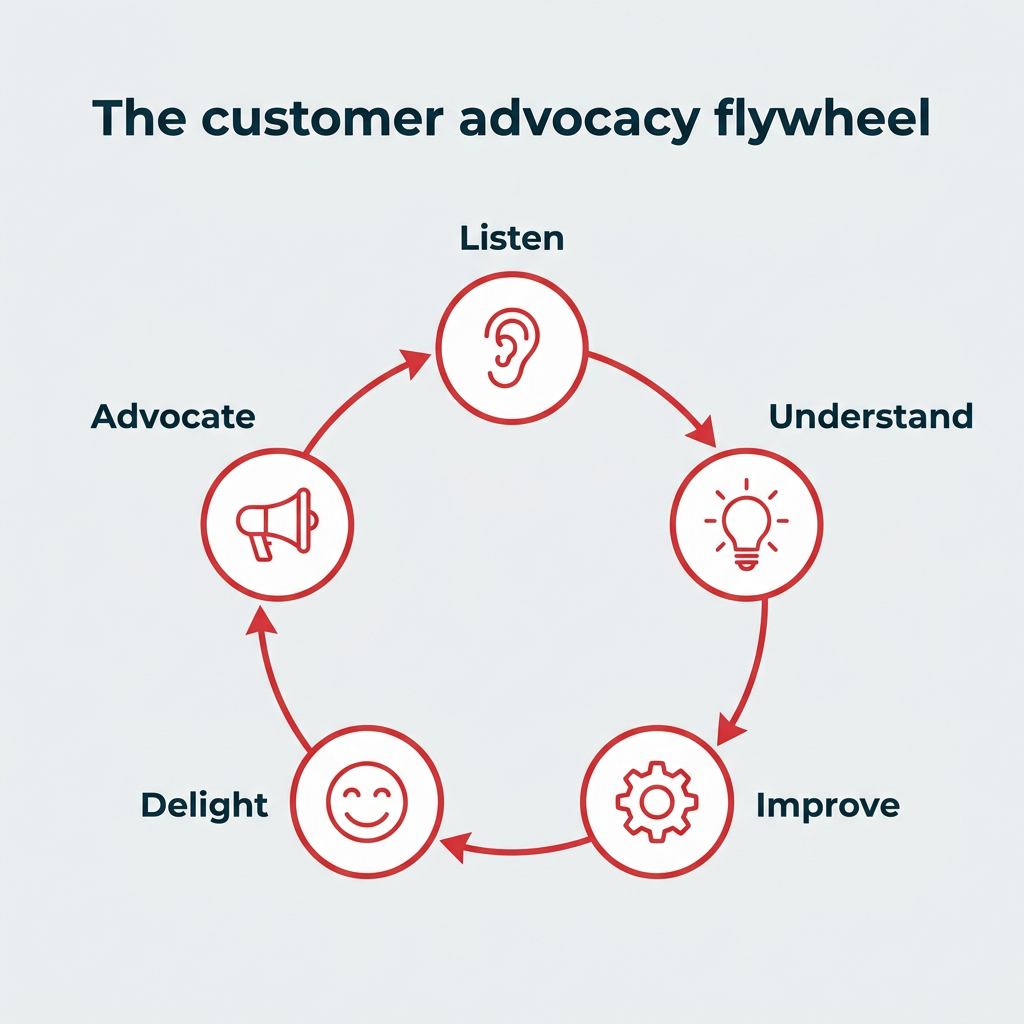
As digital touchpoints multiply, the boundary between customer service and customer advocacy continues to dissolve. Modern consumers frequently voice grievances or praise online without tagging corporate accounts. Organizations that deploy unified social inboxes backed by AI-assisted response workflows can intercept these untagged signals, resolving minor friction points before they escalate into public crises. Publicly resolving a customer issue often creates a more powerful advocate than a dozen positive product reviews, as prospective buyers watch how a company treats its audience under pressure.
Furthermore, the amplification of customer advocacy is increasingly tied to employee advocacy. Research consistently demonstrates that content shared by employees receives significantly higher engagement rates than corporate-broadcasted messaging. By feeding social listening insights back into internal employee advocacy platforms—such as Hootsuite’s dedicated distribution tools—brands can supply their workforce with pre-approved, highly relevant industry topics to share, multiplying the brand’s authentic digital footprint.
Summary Checklist for Marketing Leaders
- Prioritize Context over Counting: Adopt AI-powered listening solutions to decode sentiment, sarcasm, and emotional drivers.
- Close the Feedback Loop: Publicly acknowledge praise and resolve complaints transparently to humanize your enterprise.
- Scale UGC Integration: Regularly feature authentic customer tutorials, reviews, and unboxings alongside traditional marketing assets.
- Benchmark Relentlessly: Continuously track competitor share of voice to discover market gaps and capture displaced customer advocates.
 Basiran
  Jia Lissa