
 By Basiran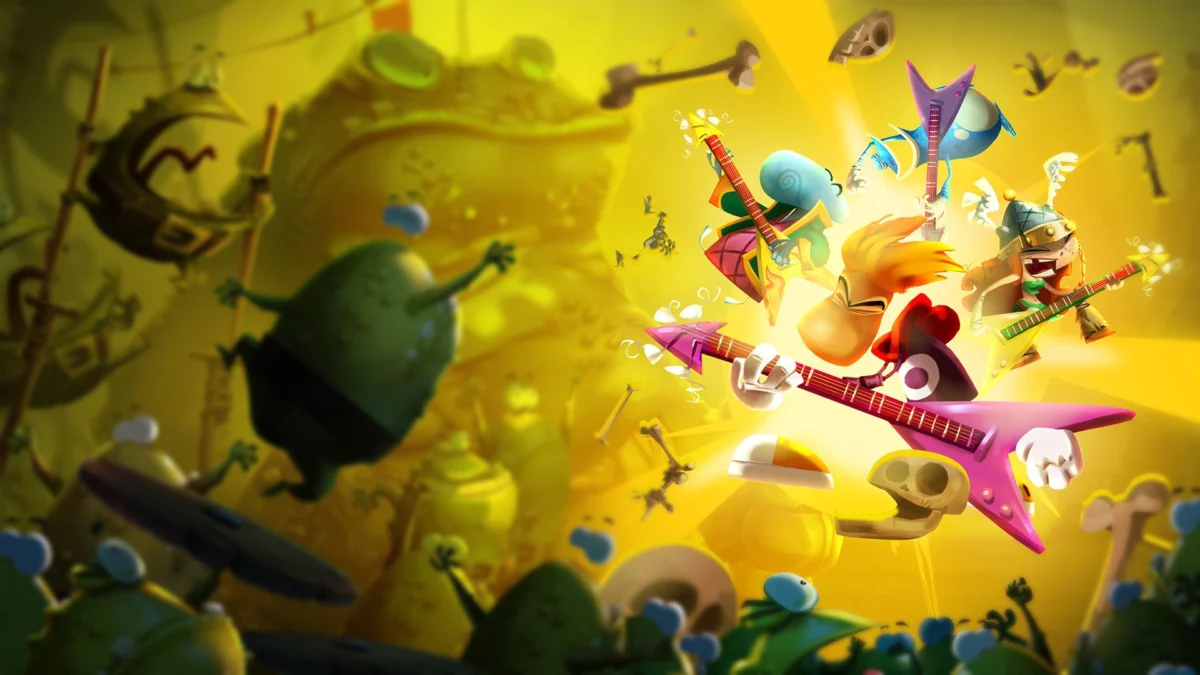
The gaming landscape is currently experiencing a profound obsession with the past. From high-fidelity remakes of horror classics to "demakes" that celebrate the pixelated grit of the 90s, developers are constantly looking for ways to bridge the generational divide. Yet, few franchises carry the specific, infectious energy of Ubisoft’s Rayman.
When Rayman Legends first arrived in 2013, it was not merely a platformer; it was a masterclass in rhythm, art direction, and "flow state" game design. Now, with the upcoming Rayman Legends Retold, Ubisoft Montpellier and Ubisoft Milan are attempting the delicate surgery of modernizing a masterpiece without disturbing the DNA that made the original so special.
The Enduring Legacy: A Platforming Benchmark
To understand the significance of Retold, one must first acknowledge the ubiquity of the original Rayman Legends. Since its debut on the PlayStation 3, Xbox 360, Wii U, PC, and PS Vita, the title has migrated to virtually every major hardware release of the last decade. Whether on a Nintendo Switch in handheld mode or the high-fidelity ecosystem of a modern PC, the game’s core loop—a seamless marriage of movement and momentum—has remained unchallenged.
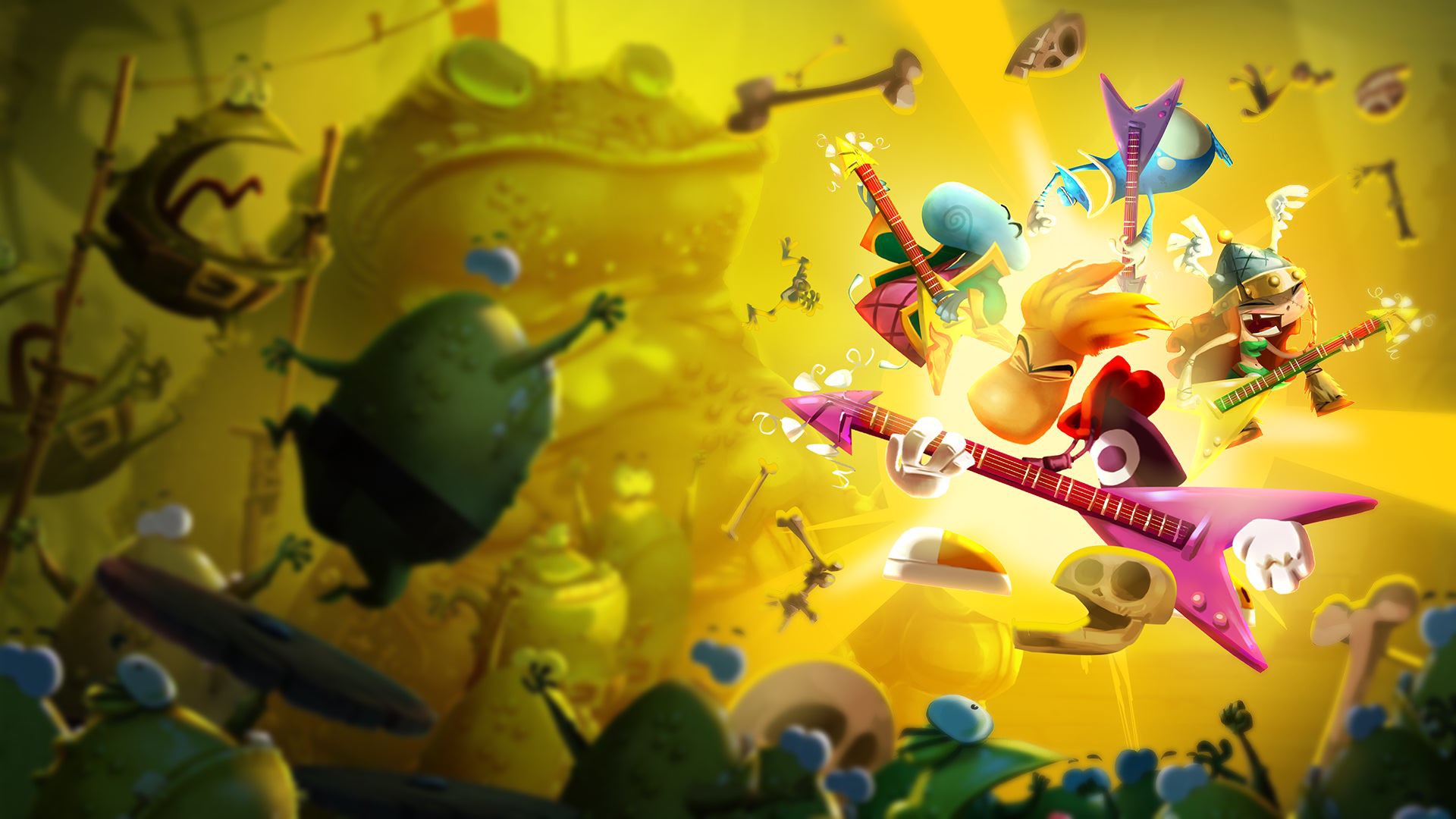
The game is a study in creative exuberance. Its 2D mechanics are deceptively simple, but they are wrapped in an aesthetic package that feels like a living, breathing cartoon. The sound design, particularly the iconic musical levels, transformed the traditional "run-and-jump" formula into a rhythmic experience. Whether you were sprinting through a gibberish-fueled cover of "Black Betty" or dodging obstacles to the beat of "Eye of the Tiger," the game never felt like a chore. It was a kind-hearted, high-energy embrace that invited players of all skill levels to participate in its chaotic choreography.
Chronology: A Decade of Limbless Adventures
Rayman’s journey to the present day is a tapestry of industry evolution. The timeline of his modern resurgence looks something like this:
- 2013: The original Rayman Legends launches across multiple generations, cementing itself as a critical darling.
- 2014: The title expands to the Xbox One and PS4, introducing improved lighting and textures.
- 2017: A definitive version hits the Nintendo Switch, further cementing its status as the "perfect" portable platformer.
- 2021: The game finds a home on Google Stadia, proving its adaptability to streaming tech.
- 2026 (Upcoming): Rayman Legends Retold is announced, promising a 2.5D visual overhaul and new musical compositions.
This trajectory is not just about sales; it is about the game’s inherent elasticity. By utilizing the proprietary UbiArt Framework—a tool designed to make 2D game development as fluid as drawing on paper—Ubisoft created a visual style that has aged better than most of its 3D contemporaries.
The Technical Alchemy: How ‘Retold’ Works
The most common fear surrounding a remake of a beloved 2D classic is the "2.5D transition." Often, adding depth to a flat plane can clutter the screen or introduce "floaty" physics that break the precision required for high-tier platforming.
However, the team at Ubisoft Milan has taken a "Russian doll" approach to the engine architecture. According to brand producer Loïc Gounon, the core physics engine, collision detection, and gameplay mechanics—the original UbiArt Framework—are running in their entirety, untouched, beneath a new, modern rendering layer.
"It’s still running as it was the first time," Gounon explains. "But it is being re-rendered more beautifully." By separating the "brain" of the game (the physics) from the "body" (the visuals), the developers have ensured that the tactile satisfaction of a perfect jump remains identical to the 2013 experience.
Official Perspectives: The Philosophy of Rhythm
For the developers, Retold is an opportunity to expand the musical identity of the series. Marco Renso, the animation and realisation director, views the work as a creative high point.
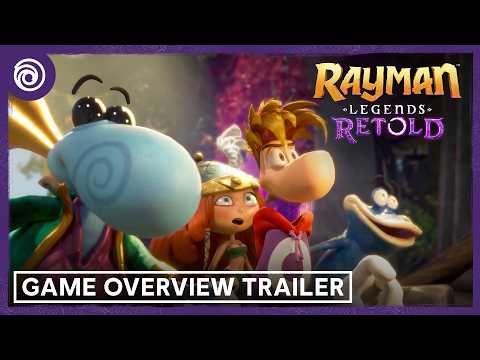
"As a game dev, I’ve always loved musical levels, but working on new ones… it doesn’t happen often that you get to work on something so creative and enjoyable," Renso says. "Making it all come together is like conducting a composition yourself; every asset, every beat, it has to work together to create a rhythm and pacing experience."
The selection process for these new musical levels was rigorous. The team wanted to move away from the "rushed" feeling that occasionally permeated the original development, opting instead for a curated list that spans generations. The goal is to provide a "transgenerational" experience where a parent and child can share a moment of recognition—whether it’s a classic track the parent grew up with or a new, vibrant interpretation of a modern hit.
One such addition is a level based on the "Macarena." It isn’t just a song; it’s an interactive sequence set within a Mexican wrestling-themed kitchen, where the boss character actually performs the dance. It captures the "silly joy" that defined the original while utilizing the 2.5D perspective to offer moments of visual respite on zip lines, allowing players to admire the background detail without the pressure of constant input.
Balancing the "Die-and-Retry" DNA
One of the most pressing questions for the community has been whether Retold will soften the edges of the original’s difficulty. Rayman has always occupied a middle ground—harder than a casual platformer, but more accessible than a punishing "masocore" game.
Gounon is firm on this: "Rayman is not Hollow Knight." The team recognizes that the "die-and-retry" DNA is essential to the series, but it should not serve as a gatekeeper. By designing levels that offer a clear path for casual players while hiding complex challenges for completionists, the team is attempting to broaden the tent without losing the hardcore audience that has kept the game alive for over a decade.

Implications: A New Starting Point?
Perhaps the most significant revelation from the recent previews is that Rayman Legends Retold is not intended to be a swan song. Gounon, who has a history with the franchise dating back to the original PlayStation, describes the project as a "new starting point."
For Ubisoft, Retold serves as a proof-of-concept for the future of the brand. It is an exercise in brand-building and world-crafting, designed to introduce a new generation of players to a mascot that has, at times, felt neglected in favor of more "gritty" open-world titles.
The recent decision to delay the game from its initial October release to December 3rd speaks volumes about the current corporate culture at Ubisoft regarding this specific IP. By choosing to prioritize "care" over a release window, they are signaling that Rayman is no longer just a legacy asset; it is a long-term investment.
As we head into the holiday season, a time often dominated by high-budget, ultra-realistic shooters and heavy narrative RPGs, Rayman Legends Retold offers something different: a burst of color, a rhythm to move to, and the rare comfort of a game that doesn’t just want to challenge you—it wants to make you smile. If the team succeeds in their mission, this "remake" might just be the catalyst for a full-scale return of one of gaming’s most enduring icons.
 Siti Muinah
  Neng Nana
  Laily UPN