
 By Azzam Bilal Chamdy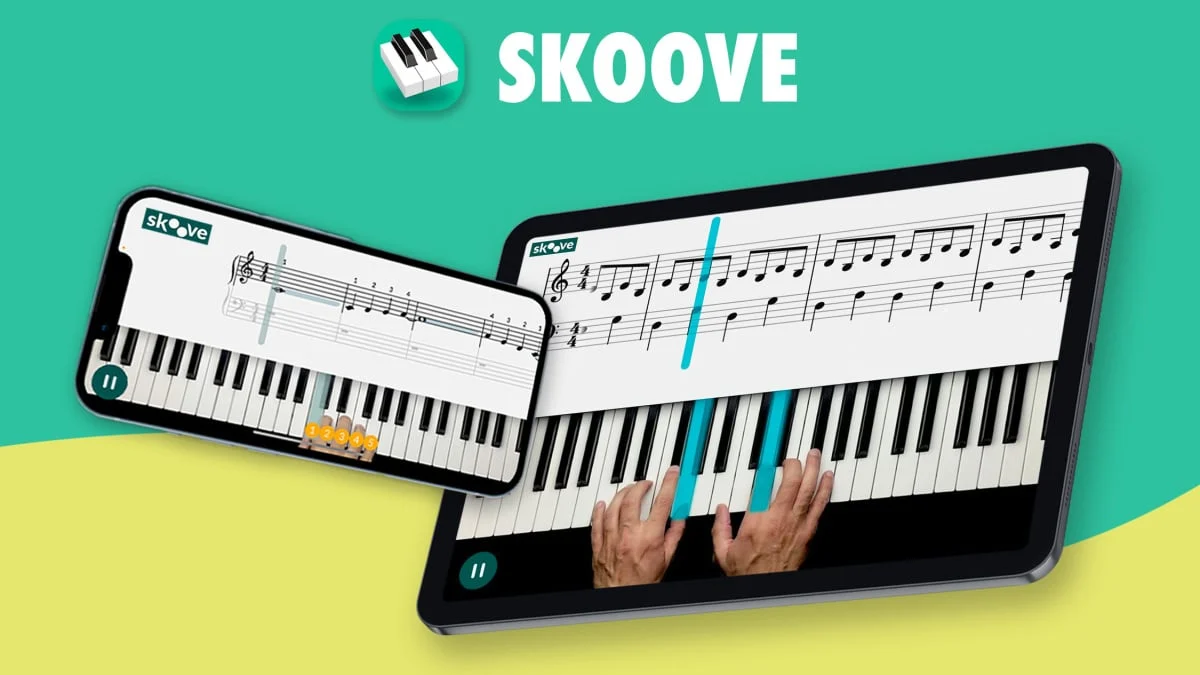
For generations, learning to play the piano was defined by a highly structured, often cost-prohibitive rite of passage. Students sat beside private instructors, enduring repetitive scale drills, metronome ticks, and the constant anxiety of hitting the wrong note without immediate correction between weekly sessions. For those attempting to bypass this traditional path, the self-taught route was historically fraught with frustration. Lacking real-time feedback, aspiring pianists frequently struggled to identify rhythmic errors, improper hand postures, or misread notes, often cementing bad habits through hours of unguided practice.
However, the intersection of advanced audio signal processing and consumer technology has fundamentally altered this educational landscape. At the forefront of this shift is Skoove, an interactive piano instruction platform that utilizes proprietary live note recognition technology to act as a virtual, responsive tutor.
In a move that highlights the aggressive price competition within the educational technology (EdTech) sector, StackSocial has launched a highly discounted promotional offer on the Skoove Premium Piano Lifetime Subscription. Normally retailing for $299.99, the lifetime license is temporarily available for $104.99 when buyers apply the promotional code JULY30 at checkout. This limited-time offer, which expires on July 5 at 11:59 p.m. PT, represents a 65% discount and serves as a case study in how digital platforms are aiming to permanently capture the self-improvement market.
Main Facts: The Skoove Platform and the Promotional Offer
The promotional campaign presents an opportunity to analyze both the technical specifications of modern music learning software and the mechanics of digital consumer acquisition. Below are the primary specifications of the product and the terms of the transactional offer:
- The Promotional Deal: The Skoove Premium Lifetime Subscription is offered at a promotional rate of $104.99, down from its standard retail price of $299.99. This represents a direct saving of $195.00. To secure this pricing, consumers must utilize the discount code
JULY30before the hard deadline of July 5 at 11:59 p.m. PT. - Acoustic and Digital Compatibility: Skoove’s architecture is designed to accommodate both acoustic and digital instruments. The software operates via two primary inputs:
- Microphone-Based Detection: For acoustic pianos and non-MIDI-equipped keyboards, the application utilizes the host device’s built-in microphone to capture ambient audio, analyzing pitch and timing via sound recognition algorithms.
- MIDI/USB Connectivity: For digital keyboards, synthesizers, and electronic pianos, users can connect directly to their device (iOS, Android, macOS, or Windows) via USB or MIDI interfaces, ensuring zero-latency note detection and perfect accuracy.
- Dynamic Feedback Loop: Unlike static instructional media, Skoove’s software features an active listening engine. If a student stumbles or plays an incorrect note, the visual sheet music pauses, waiting for the user to locate and play the correct key before advancing the lesson.
- Curriculum Breadth: The platform boasts a library of over 400 structured lessons alongside thousands of instructional videos. The curriculum is updated monthly with new songs and theoretical modules. It spans foundational physical mechanics (such as posture, finger numbering, and independent hand coordination) to advanced music theory, chord progressions, and genre-specific techniques in classical, pop, jazz, and blues.
- The Hybrid Human Element: Recognizing the limitations of purely automated instruction, the premium tier includes access to one-on-one support from Skoove’s roster of certified music instructors to assist students who encounter pedagogical roadblocks.
Chronology: The Evolution of Music Instruction
To understand the significance of Skoove’s software model, it is necessary to examine the historical trajectory of music pedagogy, tracking how technology gradually decentralized the master-apprentice dynamic.
+------------------------------------------------------------------------+
|                      PRE-DIGITAL ERA (Pre-1980s)                       |
|  - Exclusive reliance on local, private tutors.                        |
|  - High hourly rates limit access to affluent households.              |
|  - Practice is entirely unguided between weekly lessons.               |
+------------------------------------------------------------------------+
                                   |
                                   v
+------------------------------------------------------------------------+
|                     EARLY DIGITAL ADVENT (1980s-2000s)                 |
|  - Introduction of MIDI technology and digital keyboards.              |
|  - Rise of instructional VHS tapes, DVDs, and static software.         |
|  - Learning remains passive; no real-time corrective feedback.         |
+------------------------------------------------------------------------+
                                   |
                                   v
+------------------------------------------------------------------------+
|                  THE YOUTUBE & TUTORIAL BOOM (2000s-2010s)             |
|  - Proliferation of free, video-based lessons.                         |
|  - Synthesia videos visualize note drops but lack interactive checks.   |
|  - High student attrition due to lack of structured progress.          |
+------------------------------------------------------------------------+
                                   |
                                   v
+------------------------------------------------------------------------+
|                 AI & INTERACTIVE ENGINE ERA (2015-Present)             |
|  - Launch of Skoove (Berlin, Germany) with live note recognition.      |
|  - Cross-platform compatibility (iOS, Android, Windows, Mac).          |
|  - Shift toward "lifetime access" pricing models to disrupt SaaS fees.  |
+------------------------------------------------------------------------+
The Institutional Era
For centuries, piano education was localized and highly gatekept. Learning required access to an acoustic instrument—historically a major financial investment—and the ongoing funding of private lessons. This created a socioeconomic barrier, limiting classical music literacy to privileged classes.
The Digital Dawn and Static Media
The late 20th century introduced consumer keyboards and instructional VHS tapes, followed by interactive CD-ROMs in the 1990s. While these tools lowered the cost of entry, they lacked bidirectional communication. The software could play a piece, but it could not listen to the user.
The YouTube Disruption and Synthesia
The mid-2000s saw the rise of online video tutorials and visualizers like Synthesia (falling-note style games). While highly visual, these platforms did not teach traditional sight-reading, nor did they assess a player’s accuracy. Students frequently memorized key sequences without understanding rhythm, tempo, or musical notation.
The Algorithmic Shift
Skoove was founded in Berlin, Germany, with the goal of combining the structured progression of traditional conservatory curricula with the accessibility of modern machine learning. By developing real-time audio analysis algorithms, the platform successfully bridged the gap between passive listening and active tutoring. The launch of the current StackSocial promotion represents the latest stage in this timeline: the commoditization of premium educational licenses to capture a mass market of self-directed learners.
Supporting Data: The Economics of Learning Piano
The appeal of a $104.99 lifetime software subscription is best understood when contrasted with the real-world costs of traditional music education and the broader subscription-fatigue trend in consumer software.
Cost Comparison: Traditional vs. Digital Learning
| Educational Metric | Traditional Private Tutoring | Skoove Premium (Lifetime Promo) |
|---|---|---|
| Average Cost | $30 to $100 per hour | $104.99 (One-time fee) |
| Annualized Cost (1 Lesson/Week) | $1,560 to $5,200 per year | $0.00 (Post-initial purchase) |
| Feedback Loop | Weekly (Delayed) | Real-Time (Instantaneous) |
| Availability | Scheduled appointments | 24/7, On-Demand |
| Curriculum Updates | Manual sheet music purchases | Free monthly content updates |
| Human Support | Included in session | Included via messaging support |
According to survey data compiled by the Music Teachers National Association (MTNA), the average cost of private music lessons in the United States sits at approximately $60 per hour, varying by geographic location and instructor credentials. Under this standard model, a student taking one lesson per week will spend roughly $3,120 annually.
By contrast, the promotional price of Skoove ($104.99) is fully amortized after less than two hours of traditional private instruction. Even when compared to Skoove’s standard recurring subscription rate (which typically ranges from $12.99 to $19.99 per month depending on the billing cycle), the lifetime license breaks even within five to eight months of use, offering indefinite value thereafter.
Global EdTech Market Trajectory
The aggressive pricing of platforms like Skoove aligns with broader macroeconomic shifts in the educational technology sector. Industry research reports indicate that the global digital music education market size was valued at approximately $15.2 billion in 2023 and is projected to expand at a compound annual growth rate (CAGR) of over 11.5% through 2030. This growth is heavily driven by adult amateur learners who seek low-friction, self-paced alternatives to formal academic settings.
Official Responses and Pedagogical Perspectives
The rise of AI-driven music applications has sparked significant debate among academic pedagogues, software developers, and professional musicians regarding the efficacy of virtual training compared to human instruction.
The Developer’s View: Lowering Barriers
In product documentation and company statements, Skoove emphasizes its role as an enabler of musical literacy rather than a replacement for high-level conservatories. The developers state:
"Our mission is to make piano learning accessible, enjoyable, and effective for everyone. By combining proven teaching methods with cutting-edge technology, we provide an environment where students receive the immediate feedback necessary for rapid improvement, without the pressure or high costs of traditional lessons."
The Academic Response: A Blended Approach
Many contemporary music educators view platforms like Skoove not as adversaries, but as powerful supplementary tools. Dr. Marcus Vance, a veteran piano pedagogue and researcher in music education technology, notes the dual nature of these systems:
"Real-time note recognition software is incredibly effective at solving the ‘accuracy gap’ that plagues home practice. It prevents students from practicing mistakes. However, technology cannot yet fully evaluate the nuances of expression—the rubato, the subtle shifts in dynamics (pianissimo to forte), or the physical relaxation of the wrist. The ideal model is hybrid: utilizing platforms like Skoove to master note accuracy and basic rhythm, allowing human instructors to focus on artistry, expression, and physical mechanics during face-to-face sessions."
User Feedback and Technical Assessments
Independent reviews of Skoove’s premium tier highlight its intuitive interface as a primary strength, particularly for adult learners who find traditional method books unengaging. Users frequently praise the immediate visual feedback of the "listen" mode, which highlights notes in green when played correctly and red when missed.
However, technical reviews note that microphone-based recognition can occasionally suffer from interference in noisy environments or on poorly tuned acoustic instruments. Consequently, tech experts strongly recommend utilizing a wired USB/MIDI connection whenever possible to guarantee absolute precision in note detection.
Implications: The Democratization of Art in the Digital Age
The shift toward affordable, lifetime-licensed educational software carries profound implications for the future of creative learning, digital equity, and the software industry’s business models.
1. The Death of the Subscription Model?
For the past decade, the software industry has been dominated by the Software-as-a-Service (SaaS) model, requiring consumers to pay endless monthly fees to maintain access to their tools. However, growing consumer pushback against "subscription fatigue" has forced digital platforms to offer lifetime licensing deals via hubs like StackSocial. By offering a permanent license for a flat, heavily discounted fee, Skoove secures a massive influx of immediate capital and user acquisition, banking on the long-term community network effects to sustain its platform.
2. Democratizing Classical and Modern Music Literacy
By lowering the financial entry barrier to just over $100, interactive software democratizes an educational pathway that was once a marker of socioeconomic privilege. Families who cannot afford the high recurring costs of weekly private tutoring can now provide their children with structured, interactive music education. This democratization is likely to diversify the pool of self-taught musicians entering the creative economy, blending classical foundations with modern, self-directed production techniques.
3. The Future of AI in Creative Pedagogy
As machine learning algorithms become more sophisticated, we can expect future iterations of music software to analyze more than just pitch and duration. Upcoming educational engines will likely evaluate:
- Key Velocity: Assessing how hard a key is pressed to teach dynamic control and emotional expression.
- Tempo Consistency: Analyzing micro-deviations in timing to help students develop an organic internal clock.
- Physical Tracking: Integrating device cameras to analyze hand posture and finger curvature, preventing repetitive strain injuries (RSI) in real-time.
Summary
Ultimately, the promotional deal on the Skoove Premium Piano Lifetime Subscription represents more than just a seasonal holiday discount. It is a reflection of a broader technological shift that is actively dismantling traditional educational monopolies, putting powerful, responsive, and highly sophisticated learning tools directly into the hands of anyone with a keyboard and a desire to play. As the July 5 deadline approaches, consumers are presented with a choice: to continue viewing music mastery as an expensive luxury, or to embrace the digitized, self-paced future of artistic instruction.
 Raul Delapena Setiawan
  Ali Ikhwan
  Evan Lee Salim