
 By Raul Delapena Setiawan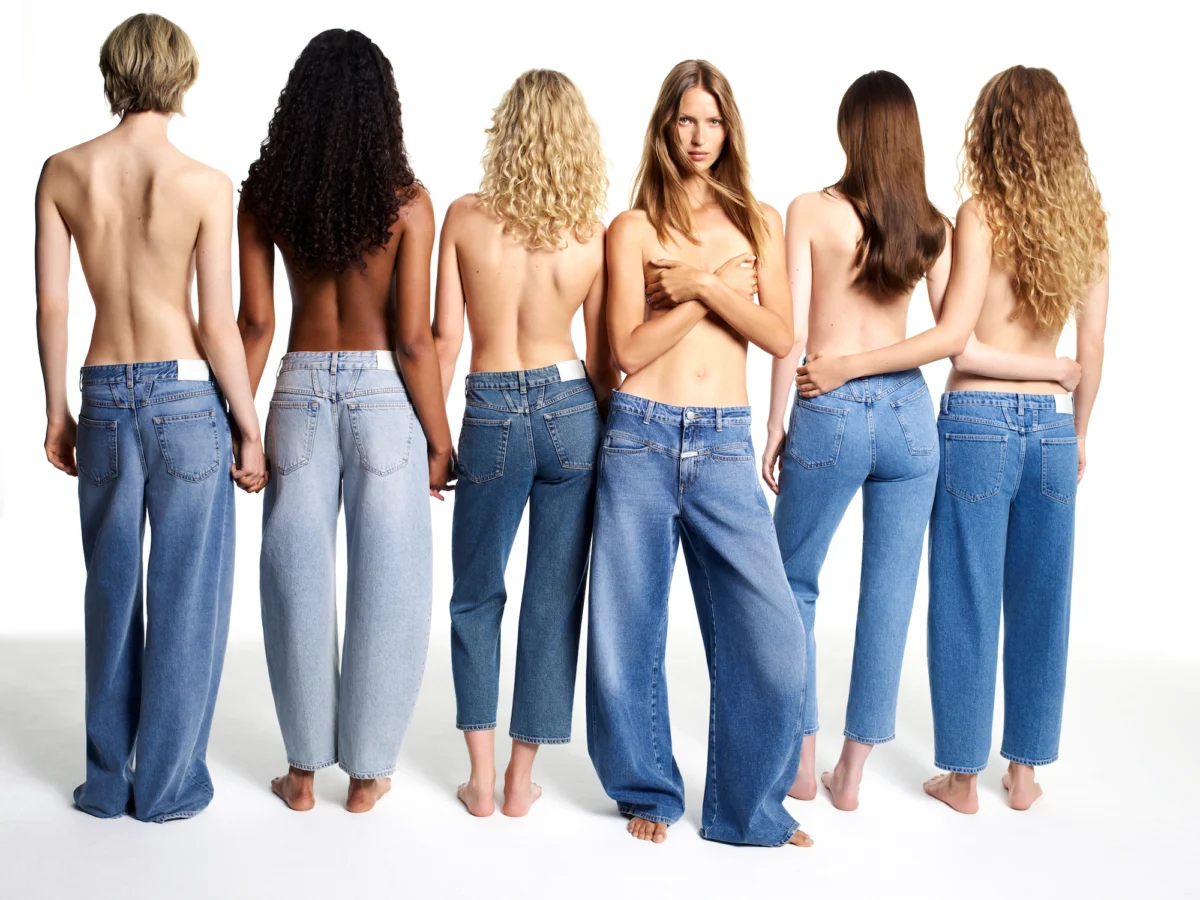
In the fast-paced world of contemporary fashion, where seasonal turnover often dictates the rhythm of the industry, German denim powerhouse Closed is making a calculated move toward longevity. Following its strategic acquisition by the lifestyle brand Marc O’Polo last year—a move that followed a period of financial restructuring and insolvency—Closed has emerged with a renewed sense of purpose. The brand’s latest endeavor, the "Iconic Denim" campaign, serves as more than just a marketing initiative; it is a profound visual manifesto that bridges the gap between the brand’s storied heritage and its forward-looking future.
By juxtaposing pieces from its Fall/Winter 2026 collection with rare, archival garments, Closed is challenging the industry’s obsession with the "new," proving that true craftsmanship is immune to the expiration dates of seasonal trends.
The Core Narrative: A Dialogue Between Generations
The "Iconic Denim" campaign is, at its heart, a celebration of design endurance. The creative direction relies on a sophisticated visual narrative that demonstrates how the brand’s past and present coexist within a single wardrobe. For this campaign, Closed sourced vintage pieces from various online marketplaces, including a 1990 pair of their signature pedal pusher jeans, a 1996 women’s denim jacket, and a 1992 men’s denim jacket.
When these archival items are styled alongside the F/W ’26 collection, the distinction between the two eras becomes almost imperceptible. This is a deliberate aesthetic choice, intended to highlight the consistency of the brand’s design language. As the brand noted in a recent press statement, "The result is remarkably subtle: it is often difficult to distinguish between newly developed pieces and styles that were created decades ago."
This blurring of the timeline is not merely a stylistic flourish; it reflects a broader shift in consumer behavior. As modern shoppers increasingly prioritize sustainable fashion and circularity, the integration of vintage denim into daily wear has moved from a niche interest to a mainstream standard. Closed is positioning itself as a leader in this transition, reminding consumers that a well-crafted pair of jeans is not a disposable commodity, but a long-term investment.
Chronology: From Insolvency to Rebirth
To understand the significance of this campaign, one must look at the turbulent recent history of the brand.

- The Pre-Insolvency Era: For decades, Closed was synonymous with the "Original Product" and "Original Brand" monikers. Its reputation was built on technical innovations—the X-Pocket, the Fly Label, and the Sacrum Cut—which defined the brand’s identity in the 1990s and early 2000s.
- Financial Instability: Like many heritage labels operating in an increasingly saturated market, Closed faced severe economic headwinds, eventually leading to insolvency proceedings. This period was one of significant uncertainty for the brand’s future and its legacy.
- The Marc O’Polo Acquisition: Last year, the narrative shifted. The acquisition by Marc O’Polo—a move spearheaded by new ownership and leadership, including Dieter Holzer—provided the necessary capital and strategic infrastructure to stabilize the brand.
- The Present Day: With the debut of the "Iconic Denim" campaign, Closed is signaling a "return to form." By reclaiming its heritage as the focal point of its modern marketing, the brand is successfully distancing itself from the instability of the past and establishing a firm foundation for the future.
Technical Craftsmanship: The DNA of Closed
The success of the "Iconic Denim" campaign lies in the technical details that have allowed the brand to remain relevant for over three decades. Closed has always distinguished itself through engineering rather than mere decoration.
The Signature Elements
- The X-Pocket: A hallmark of the brand’s functional design, the X-Pocket provides both a distinct silhouette and improved ergonomics, a feature that has remained a constant in their design files since the brand’s inception.
- The Fly Label: A symbol of authenticity and brand recognition, the Fly Label serves as a visual anchor, linking the vintage pieces to the modern collection.
- The Sacrum Cut: Known for its precise fit, this specific pattern-making technique highlights the brand’s dedication to technical tailoring—a factor that separates them from mass-market denim manufacturers.
In the F/W ’26 collection, these elements are showcased across a wide array of silhouettes. For women, the focus is on diversity of fit: relaxed, barrel, wide-leg, and straight-cut styles dominate. For men, the collection maintains a classic core, featuring regular, relaxed, and slim fits that mirror the proportions of the pieces recovered from the early 90s archives.
Official Responses and Strategic Implications
The brand’s leadership has been vocal about the importance of this campaign in re-establishing their market position. According to internal statements, the "Iconic Denim" campaign is not just about revisiting history, but about validating the brand’s future.
"Throughout the 1990s and well into the 2000s, Closed was associated with claims such as ‘The Original Product’ and ‘The Original Brand,’" the company stated. "Today, these ideas continue to resonate. By focusing on its most iconic denim details and blending contemporary styles with archival pieces, Closed reaffirms its commitment to creating products that stand the test of time—in quality, craftsmanship, and design."
Market Implications
The implications of this strategy are significant for the denim industry:
- Combating Fast Fashion: By proving that a 30-year-old jacket can be worn alongside a current-season piece, Closed is effectively arguing against the "planned obsolescence" prevalent in modern retail.
- Brand Equity: The brand is successfully leveraging its archive as an asset. In an era where many brands are struggling to maintain a distinct identity, Closed is utilizing its history to build "timelessness" as a primary value proposition.
- Consumer Loyalty: This campaign invites the customer into a community of "denim enthusiasts" who value the patina and history of their garments. It moves the brand away from being a supplier of clothing to being a curator of a lifestyle.
Supporting Data and Industry Context
The surge in interest regarding vintage denim is well-documented. Data from secondary market platforms and fashion resale indexes indicate that denim is one of the few categories where resale value remains high, provided the craftsmanship is superior.

Closed’s decision to highlight its 1990s and early 90s pieces is a calculated nod to current trend cycles, which have seen a massive resurgence in 90s-era silhouettes. By providing the "authentic" version of these styles—their own archival pieces—the brand is positioning itself as the "original" source for the very aesthetics that fast-fashion brands are currently attempting to replicate.
Furthermore, the integration of these vintage pieces into a modern retail environment—via the campaign’s imagery and editorial content—serves as a bridge for younger consumers who may be new to the brand. It teaches them the history of the product while simultaneously showing them how to style it for 2026.
Conclusion: A Blueprint for Longevity
The "Iconic Denim" campaign is a masterclass in brand storytelling. By acknowledging the turbulence of its past and the strength of its heritage, Closed has found a way to remain relevant in a market that constantly demands novelty.
The campaign succeeds because it is honest. It doesn’t claim that the brand hasn’t changed; rather, it highlights that the foundations of the brand—the X-Pockets, the craftsmanship, the focus on fit—have remained unchanged throughout the decades. As Closed moves forward under the Marc O’Polo umbrella, this commitment to "timeless design" will likely serve as the bedrock of their future success.
In a world of fleeting trends and disposable clothing, Closed is betting that the most revolutionary thing a brand can do is to stay true to its original identity, proving that while seasons may change, the "original" never goes out of style. As the industry watches to see how the brand evolves under its new ownership, one thing is clear: Closed is no longer just selling denim; it is selling the history and the future of the perfect pair of jeans.
 Neng Nana
  Ali Ikhwan
  Lina Hope