
 By Nana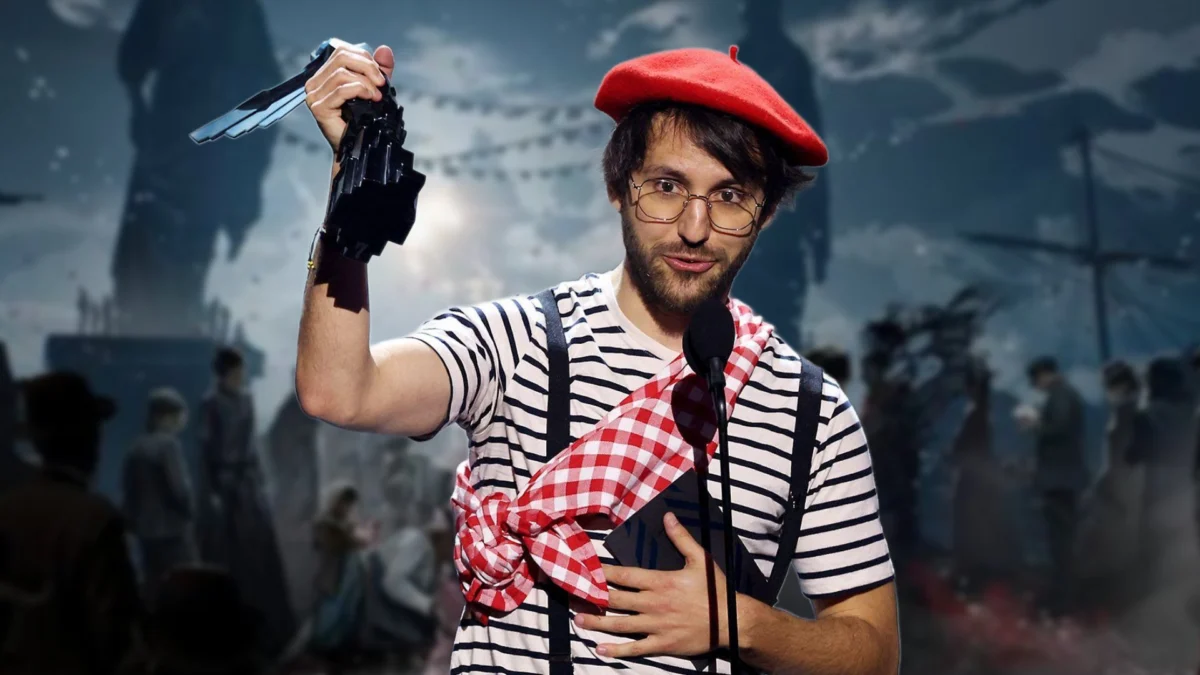
In an era defined by corporate consolidation, the aggressive pursuit of live-service trends, and a growing disconnect between publisher mandates and player desires, Sandfall Interactive has emerged as an unlikely beacon of creative defiance. The French studio, which catapulted into the global consciousness with the runaway success of Clair Obscur: Expedition 33, is currently navigating the precarious transition from “breakout success” to “established studio.”
As the gaming industry faces a period of painful contraction—marked by mass layoffs and the “big reset” strategies of major platform holders—Sandfall Interactive’s leadership remains steadfast. Their ethos is simple: ignore the noise, trust the instincts that built their reputation, and accept that not everyone needs to love what they create.
The Core Philosophy: “Maybe People Won’t Like It”
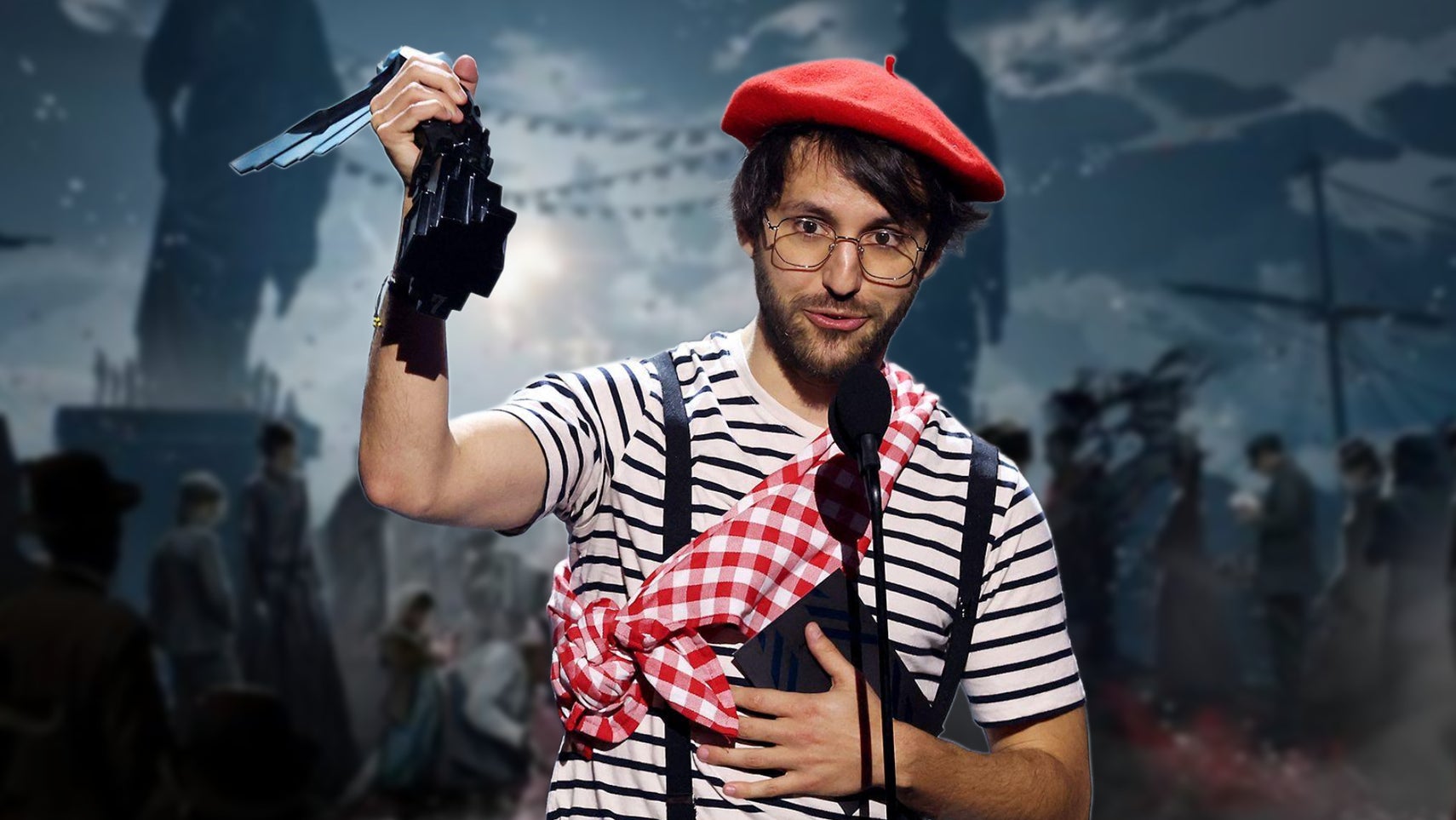
The discourse surrounding Sandfall’s future was recently punctuated by a candid admission from studio founder and Clair Obscur director, Guillaume Broche. During an appearance on the Video Game Club segment of the Konbini YouTube channel, Broche addressed the inevitable pressure facing his team as they begin development on their sophomore project.
“Maybe people won’t like it. That’s life,” Broche stated, his tone reflecting a refreshing lack of concern for market-tested formulas. “We didn’t make the first game to please anyone, and I think that’s why it worked.”
This perspective is not merely bravado; it is a fundamental pillar of the studio’s design philosophy. By prioritizing a personal, cohesive vision over the industry’s often suffocating focus on demographic analytics and iterative sequels, Sandfall has managed to cultivate an audience that values authenticity. In a landscape where creative voices are frequently drowned out by the demand for quarterly growth, Broche’s blasé attitude toward mass-market appeal serves as a direct rebuke to the “corporate-by-committee” approach that has plagued many legacy franchises.
A Chronology of Success: From Indie Upstart to Industry Darling
The trajectory of Sandfall Interactive is nothing short of meteoric. The studio’s journey from a small, ambitious collective to a household name is best understood through the milestones of Clair Obscur: Expedition 33.
- The Vision: Conceived as an homage to the golden era of JRPGs, the project drew heavy inspiration from the UI and camera dynamics of Persona 5, while integrating the mechanical depth of titles like Lost Odyssey and Blue Dragon.
- The Launch: Upon its release, Clair Obscur defied the conventional wisdom that the turn-based RPG genre was a “niche” or “fading” interest. It revitalized the combat format for a modern audience, arguably reclaiming the torch of innovation from industry titans.
- The Accolades: The game’s critical reception was unprecedented for an independent studio. It secured three BAFTA Games Awards, a prestigious DICE Award for Game of the Year, and even garnered official acknowledgement from the French government, highlighting its cultural impact beyond the gaming bubble.
- The Financials: The game has seen sustained commercial success, with estimates suggesting sales have eclipsed 6 million units. Notably, it has outperformed legacy giants, with total sales figures dwarfing those of established AAA titles like Final Fantasy XVI, proving that players are hungry for new intellectual property.
Supporting Data: Why the “Old Guard” is Faltering
The success of Clair Obscur is not an anomaly; it is a symptom of a shifting market. As legacy franchises attempt to pivot toward service-based models or overly safe sequels, they are finding themselves outpaced by smaller, more agile studios that prioritize the “soul” of the game.
The data supports this shift. For instance, the total lifetime sales of Final Fantasy XVI—a marquee title from a multi-billion-dollar publisher—have plateaued around 4.5 million units. In contrast, Clair Obscur reached significant milestones in less time, signaling that younger audiences are increasingly turning their backs on tired, repetitive mega-franchises in favor of fresh, high-quality experiences.
This is occurring at a time when major industry players, such as Xbox and IO Interactive, are forced into “business resets” or staff reductions. The contrast is stark: while larger entities struggle to sustain their massive overheads by chasing trends that rarely pay off, independent-minded studios like Sandfall are finding prosperity by doing the exact opposite—doubling down on the specific, often idiosyncratic, visions of their creators.
Official Responses: Trusting the Instincts
Sandfall’s leadership has been vocal about the importance of maintaining this independence. Following their dominance at The Game Awards 2025, the studio’s COO and production director, François Meurisse, was quick to downplay the external pressures that often lead to the “sequel-itis” seen in larger firms.

“The pressure is not so important to us,” Meurisse remarked. “We have some great ideas that we are excited to explore.”
This sentiment is echoed by the studio’s lead writer, Jennifer Svedberg-Yen. Svedberg-Yen has been instrumental in keeping the team focused on the integrity of their narrative craft. In earlier interviews, she noted, “I’ve seen too many TV shows and books be swayed trying to please a lot of people, and in the process you end up losing the heart of what’s there. We feel like we need to trust our instincts and continue to trust the vision behind the studio.”
This alignment between the directing, production, and narrative leads creates a protective shell around the creative process, insulating the team from the temptation to “chase the dragon” of their previous success.
Implications for the Industry
The success of Sandfall Interactive serves as a compelling case study for the entire gaming sector. The primary implication is that creative risk, when executed with high production values and a clear, passionate vision, is the most viable path to long-term sustainability.
- The Death of the "Safe" Bet: The declining performance of established franchises suggests that modern players are highly sensitive to "corporate-led" design. When a game feels like it was designed by a marketing department, the audience knows.
- The Return of the Specialist: Sandfall has succeeded by specializing in a specific style of RPG, effectively proving that a niche—if cultivated with enough craft—can become a new mainstream.
- The Independent Advantage: While Sandfall is published by Kepler, the fact that they maintain creative control is crucial. The industry’s trend of forcing studios to chase "doomed" live-service trends is largely a product of a lack of creative autonomy. If more publishers granted their studios the same trust that Sandfall enjoys, the industry might avoid the cycle of boom and bust that currently defines it.
Looking Ahead: A New Horizon
What will come next for the team at Sandfall? While the studio is keeping its cards close to its chest, there is palpable excitement regarding their next endeavor. Speculation is rife that the studio may return to the mechanics that defined their debut, potentially exploring the ‘Active Time Battle’ (ATB) system, a relic of Final Fantasy IV that has been largely dormant since the early 2000s.

Given Guillaume Broche’s well-documented admiration for Final Fantasy VIII—a game known for its experimental and occasionally divisive systems—it is highly probable that the studio’s next project will continue to push the boundaries of turn-based combat. If they can successfully modernize the ATB system with the same elegance they applied to their debut, it is entirely possible that they will strike gold once again.
As the industry grapples with the fallout of the current economic climate, Sandfall Interactive stands as a testament to the power of the individual voice. They remind us that at its best, gaming is not a series of products to be maximized, but a medium of art to be experienced. Whatever they choose to build next, the industry would do well to watch—not because they are chasing the market, but because they are the ones defining it.
 Sagoh
Sagoh  Lina Irawan
  Asep Darmawan