
 By Evan Lee Salim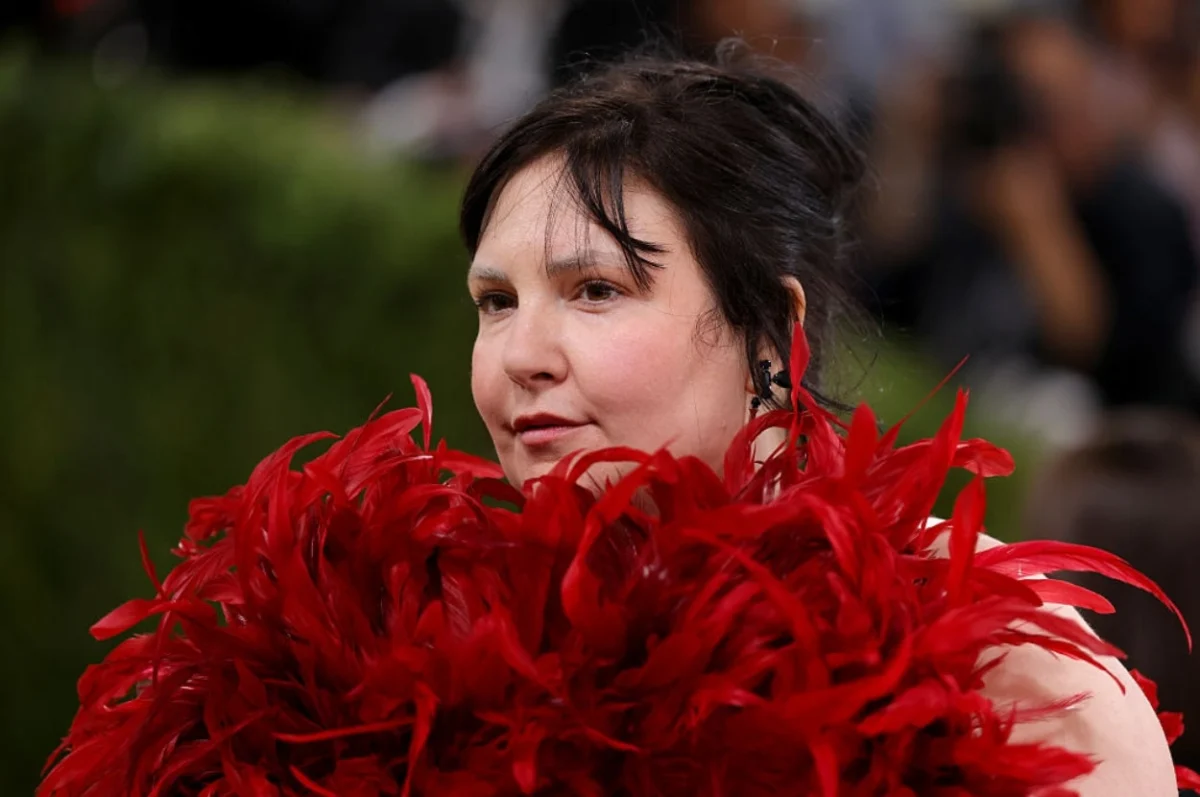
Navigating Modern Parenthood: Lena Dunham’s Surrogacy Announcement and 13 Celebrities Who Expanded Their Families Through Surrogacy
Main Facts
The landscape of modern family planning continues to evolve, highlighted most recently by high-profile announcements that bring alternative paths to parenthood into the global spotlight. On September 16, actor, writer, and director Lena Dunham announced in a Vogue op-ed that she and her husband, musician Luis Felber, had officially welcomed a baby girl via surrogate.
Dunham’s journey to motherhood has been deeply public and profoundly challenging. Having undergone a total hysterectomy at the age of 31 due to severe endometriosis, Dunham spent years coming to terms with the reality that she would not be able to carry her own biological children. Her transparent approach to discussing reproductive health has resonated with millions, particularly those navigating similar medical roadblocks.
Dunham’s news arrives during a cultural moment where surrogacy and alternative paths to parenthood have become a frequent topic of public discourse, debate, and normalization. As high-profile figures increasingly open up about their unique family-building journeys, the societal understanding of what constitutes a "traditional" family continues to expand. To contextualize this shift, we examine 13 notable celebrities who, driven by medical necessity, personal circumstances, or family-planning goals, have welcomed children via surrogacy.
Chronology of Modern Celebrity Surrogacy
The integration of surrogacy into the public eye has grown steadily over the past two decades, driven by legal advancements, shifting social attitudes, and personal testimonies from beloved cultural icons.
- June 2009: Sex and the City star Sarah Jessica Parker and her husband, actor Matthew Broderick, welcomed twins via surrogacy. The milestone was unfortunately marred by severe privacy breaches regarding their surrogate.
- December 2010: Actor Nicole Kidman and singer Keith Urban welcomed their second daughter via surrogate after encountering years of unsuccessful natural conceptions and in-vitro fertilization (IVF) treatments.
- August 2015: Actor Lucy Liu welcomed her son via gestational surrogate, choosing to embark on single motherhood due to demanding career schedules that conflicted with traditional family timelines.
- November 2018: Actor Gabrielle Union and former NBA player Dwyane Wade welcomed their daughter via surrogacy after years of navigating adenomyosis, failed IVF cycles, and heartbreaking miscarriages.
- April 2020: CNN anchor Anderson Cooper announced the birth of his first son via surrogacy, later expanding his family with a second child through the same path, marking a significant milestone for LGBTQ+ representation in parenting.
- October 2021: Former *NSYNC member Lance Bass and his husband, artist Michael Turchin, welcomed twins via surrogacy following a grueling multi-year process that involved multiple egg donors, IVF rounds, and a miscarriage.
- January 2022: Global superstar Priyanka Chopra and her husband, singer Nick Jonas, welcomed their daughter via surrogate, igniting widespread discussions regarding privacy and medical autonomy.
- September 2024: Actor Olivia Munn and comedian John Mulaney welcomed their second child via surrogacy following Munn’s aggressive breast cancer diagnosis and subsequent partial hysterectomy.
- January 2025: The Emily in Paris star announced the birth of a daughter via surrogacy in a joint post with her husband, Charlie McDowell, sparking important conversations around public speculation.
- January 2026: Singer Meghan Trainor welcomed her third child with husband Daryl Sabara via surrogate, prioritizing her mental health after suffering from severe postpartum PTSD and anxiety during her previous pregnancies.
- September 2026: Lena Dunham and Luis Felber announced the birth of their daughter via surrogate, cementing a new chapter for the actor following her life-altering endometriosis diagnosis.
Supporting Data: Medical, Emotional, and Personal Realities
While public perception of celebrity surrogacy often centers on luxury or convenience, the underlying data and personal accounts reveal a starkly different reality—one rooted primarily in medical necessity, trauma, and resilience.
1. Medical Necessity and Health Crises
For many women in the public eye, surrogacy is not a choice of convenience, but a life-saving or medically mandatory alternative.
- Lena Dunham & Olivia Munn: Both actors faced severe diagnoses—severe endometriosis leading to a total hysterectomy for Dunham, and aggressive breast cancer leading to a partial hysterectomy for Munn—that rendered carrying a pregnancy impossible.
- Kim Kardashian: Sharing four children with rapper Kanye West, Kardashian was remarkably vocal about her transition to surrogacy after suffering from life-threatening medical complications during her first two pregnancies, specifically preeclampsia and placenta accreta—a dangerous condition where the placenta fails to detach properly, risking fatal hemorrhaging.
- Gabrielle Union: Union chronicled her struggles with adenomyosis, a painful uterine condition, which, combined with years of infertility and miscarriages, made carrying a pregnancy unviable.
2. Mental Health and Trauma
Surrogacy is also increasingly utilized to safeguard the psychological well-being of parents who have experienced severe trauma during prior reproductive attempts.
- Meghan Trainor: After experiencing a "breaking point" involving panic attacks and severe postpartum post-traumatic stress disorder (PTSD) following the birth of her first son, Trainor and her husband opted for surrogacy for their third child, working closely with medical professionals to protect her mental health.
3. LGBTQ+ Family Planning
For same-sex couples and single parents, gestational surrogacy represents an invaluable pathway to biological parenthood. Figures like Anderson Cooper, Elton John, and Lance Bass have utilized surrogacy alongside egg donation to build their families, paving the way for broader acceptance and legal recognition of non-traditional family structures.
Official Responses and Public Discourse
The intersection of celebrity status and surrogacy frequently invites intense public scrutiny, leading to powerful official responses from stars defending their privacy, medical histories, and personal choices.
Defending Privacy and Medical Autonomy
When intimate medical struggles force individuals into the public spotlight, the reactions from celebrities are often sharp, demanding empathy and respect for boundaries.
Following the birth of her daughter via surrogate in January 2022, Priyanka Chopra faced unwarranted criticism and online speculation. In a candid interview with British Vogue, she firmly defended her family’s choice and pushed back against intrusive inquiries:
"You don’t know what I’ve been through… Just because I don’t want to make my medical history, or my daughter’s, public doesn’t give you the right to make up whatever the reasons were."
Similarly, when Lily Collins and her husband, Charlie McDowell, announced the arrival of their daughter via surrogacy in January 2025, online commentators questioned their motivations. McDowell took directly to the comments section to address the negativity, writing:
"It’s ok to not know why someone might need a surrogate to have a child. It’s ok to not know the motivations of a surrogate, regardless of what you assume."
The Complex Emotional Landscape
Celebrities have also been refreshingly honest about the complex, sometimes bittersweet emotions accompanying surrogacy. Far from feeling disconnected, many mothers describe profound psychological adjustments.
Kim Kardashian noted the unique emotional hurdles of the process during an interview with the TODAY show:
"People assume it’s better because you don’t have to deal with the physical changes, pain or complications with delivery, but for me it was so hard to not carry my own child."
Gabrielle Union echoed similar sentiments in her memoir, You Got Anything Stronger?, writing candidly about the doubts that lingered after welcoming her daughter:
"I will always wonder if [my daughter] would love me more if I had carried her. Would our bond be even tighter?"
Conversely, other parents emphasize the deep bonds formed with their surrogates. Lance Bass affectionately referred to his egg donor and surrogate as "angel moms," maintaining a close relationship with both women after welcoming his twins in 2021. Anderson Cooper and Ellen Pompeo have similarly expressed immense, lifelong gratitude toward the women who helped bring their children into the world—with Pompeo even recounting holding her surrogate’s hand during the embryo transfer.
Implications for Society and Reproductive Rights
As high-profile announcements like Lena Dunham’s become more frequent, the cultural, legal, and ethical implications of surrogacy are brought to the forefront of global conversation.
1. De-stigmatizing Infertility and Medical Interventions
Historically, infertility and reproductive struggles were shrouded in secrecy and shame. By normalizing surrogacy, adoption, and IVF, public figures help dismantle the stigma surrounding reproductive health issues. When women like Dunham, Munn, and Kardashian speak openly about hysterectomies, cancer, and life-threatening conditions, they validate the grief and resilience of millions of everyday people navigating identical battles.
2. Expanding Definitions of Family
The visibility of LGBTQ+ parents, single parents by choice (such as Lucy Liu), and families built through medical intervention challenges archaic, heteronormative definitions of the nuclear family. These narratives emphasize that love, commitment, and intentionality—rather than biological gestation alone—define parenthood.
3. Ethical and Legal Complexities
Despite its growing normalization, surrogacy remains a complex legal and ethical landscape. Laws governing surrogacy vary wildly by jurisdiction, creating substantial financial and logistical hurdles for intended parents. Furthermore, the debate surrounding commercial surrogacy—ensuring fair compensation, labor rights, and robust psychological support for surrogates—remains a vital topic among legal scholars, ethicists, and human rights advocates.
As public figures continue to share their stories with honesty and vulnerability, the cultural framework surrounding family creation grows more compassionate, proving that there is no single, prescribed path to building a home.
 Neng Nana
  Layla Zulfa
  Muslim