
 By Lina Hope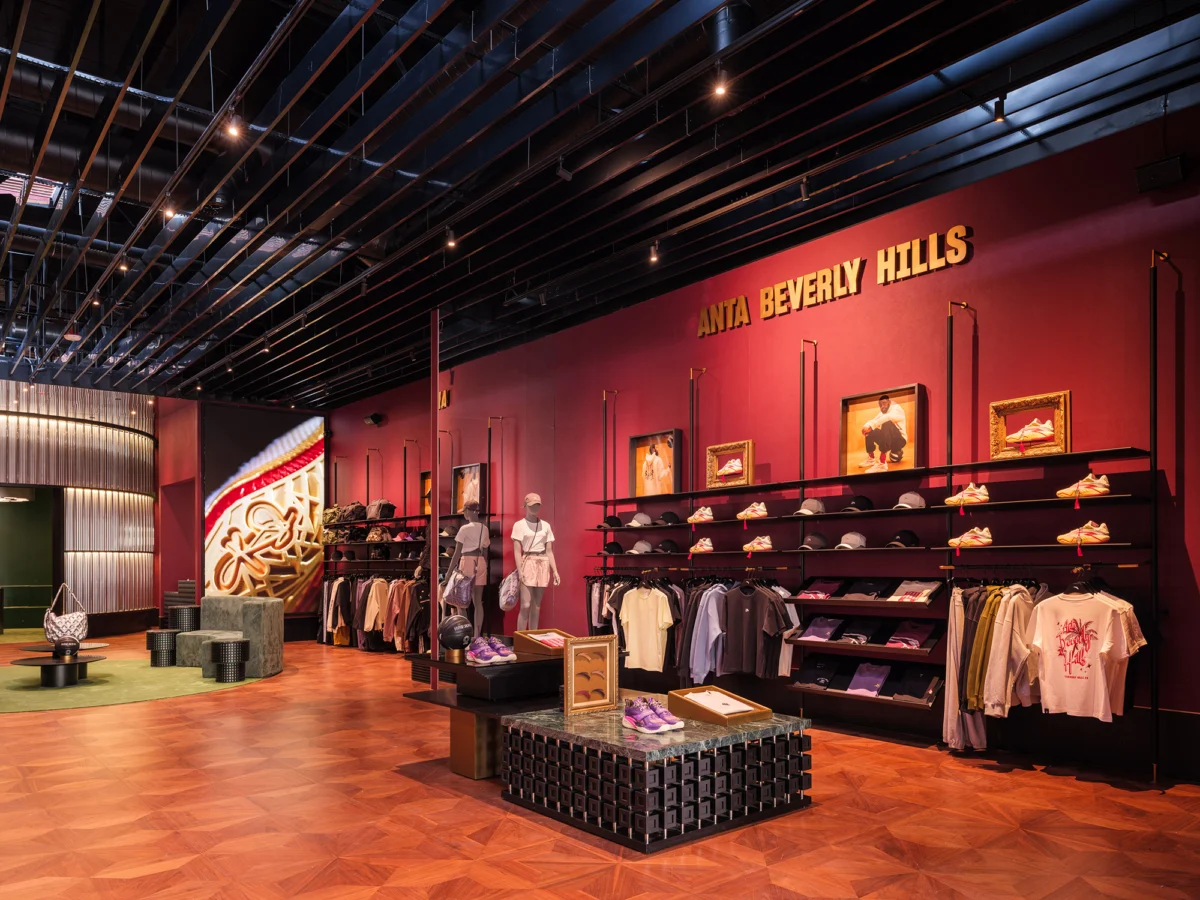
In a significant leadership transition for the Chinese sportswear powerhouse, Anta Sports Products Limited announced on Wednesday that Xu Yang, the chief executive officer of the Anta brand, has stepped down from his post. The company attributed the departure to "personal family reasons," marking an abrupt end to his tenure at the helm of the group’s namesake label.
The announcement, which sent ripples through the athletic apparel sector, comes at a time when the Fujian-based conglomerate is aggressively pivoting toward international markets and solidifying its dominance in the competitive sportswear landscape. While the departure of a key executive often signals internal friction, Anta was quick to frame the transition as a personal matter, noting that the group is currently "exploring other suitable opportunities for Mr. Xu within the group," suggesting that his institutional knowledge may be retained in a different capacity.
The Leadership Transition: Lai Shixian Takes the Helm
To ensure continuity during this period of change, Anta Sports has appointed Lai Shixian—currently the co-CEO of Anta Sports Products Limited—to assume the role of interim CEO of the Anta brand.
As a seasoned veteran within the organization, Lai brings extensive experience to the brand’s operations. According to the official company statement, Lai "will assume overall responsibilities for the brand’s operations in management," a task that involves overseeing a massive supply chain, a diverse retail footprint, and a multi-tiered marketing strategy that has defined the brand’s growth over the past decade.
Industry analysts suggest that the appointment of a co-CEO to the interim role underscores the importance of the Anta brand to the broader parent company’s portfolio. By placing a high-level executive at the center of the brand’s daily operations, the company aims to minimize market volatility and reassure investors that the strategic roadmap remains unchanged.
Chronology of Growth: A Period of Unprecedented Expansion
The leadership shuffle occurs against the backdrop of a highly ambitious growth trajectory. Over the past 18 months, Anta has systematically moved from being a dominant regional player to a global contender.
2025: Strengthening the Foundation
The year 2025 served as a benchmark for the company’s financial stability. In its most recent annual results released this March, Anta reported a 3.7 percent year-on-year increase in revenue for the Anta brand, totaling 34.75 billion yuan. Operating profit followed a similar upward trend, rising 2.5 percent to 7.21 billion yuan. This "steady progress" reinforced the company’s assertion that it remains the leading Chinese sportswear entity, even as it faces increasing pressure from both domestic rivals and international heavyweights.
Early 2026: Setting the Stage for Global Reach
The first quarter of 2026 has already yielded positive indicators, with retail sales recording "high-single digit positive growth" compared to the same period in 2025. This growth provided the momentum needed for the company to execute its most high-profile expansion move to date: the U.S. market.
In February 2026, Anta opened its first U.S. flagship store in the heart of Beverly Hills, California. Located at 330 N. Beverly Drive, the 3,000-square-foot space is more than just a retail outlet; it is a brand embassy designed to introduce American consumers to Anta’s ethos of performance running, lifestyle footwear, and signature basketball apparel. By integrating immersive athlete storytelling into the store design, the brand is attempting to bridge the cultural gap between its roots in China and the sophisticated, trend-driven demands of the Western consumer.
January 2026: The Strategic Investment in Puma
Perhaps the most transformative event in the company’s recent history occurred in January, when Anta Sports confirmed an agreement to acquire a 29.06 percent stake in Puma SE. The 1.5 billion euro ($1.8 billion) deal with Groupe Artémis, the investment arm of the Pinault family, positions Anta as the single largest shareholder in the iconic German sportswear brand. This transaction is slated for completion by the end of 2026 and will be financed entirely through Anta’s internal cash reserves—a testament to the company’s liquidity and financial discipline.
Supporting Data: Analyzing the Brand’s Market Position
Anta’s business model is characterized by a "multi-brand" strategy, yet the "Anta" brand remains the heartbeat of the organization. With over 12,000 retail stores across China, the scale of the operation is difficult to overstate.
| Metric | 2025 Performance |
|---|---|
| Anta Brand Revenue | 34.75 Billion Yuan |
| Revenue Growth | +3.7% YoY |
| Operating Profit | 7.21 Billion Yuan |
| Profit Growth | +2.5% YoY |
| Global Retail Footprint | 12,000+ Stores |
The brand’s ability to maintain high-single digit growth in early 2026, despite a challenging global economic climate, suggests that the "premiumization" strategy—moving away from budget pricing toward high-performance, higher-margin products—is yielding results. The investment in Puma provides a strategic hedge, allowing Anta to influence the direction of a major European player while simultaneously learning from its global brand-building expertise.
Official Responses and Corporate Governance
The swiftness with which Anta managed the announcement of Xu Yang’s departure indicates a highly disciplined approach to corporate communications. By immediately announcing a successor and emphasizing the company’s "suitable opportunities" for the former CEO, the board has attempted to prevent speculative narratives regarding the company’s stability.
In his new capacity as interim CEO, Lai Shixian faces the immediate challenge of maintaining morale and momentum. In the professional world of athletic apparel, where brand identity is inextricably linked to leadership vision, the transition will be closely watched by institutional investors. The company’s focus remains clear: to maintain its position as the premier Chinese sportswear brand while successfully integrating its international investments and expanding its footprint in the competitive North American retail landscape.
Strategic Implications: What Lies Ahead?
The implications of these changes are profound. For one, the appointment of a co-CEO to the brand level signals that the parent company is taking a more hands-on approach to the Anta label during its international infancy.
1. The U.S. Market Challenge
The Beverly Hills opening was the first step in a long-term strategy to establish a foothold in the American market. However, the retail landscape in the U.S. is notoriously difficult for international brands. Success will depend on the brand’s ability to localize its marketing and prove that its "performance running" technology can compete with entrenched giants like Nike and Adidas.
2. The Puma Integration
The Puma acquisition is a masterstroke of diversification. As the largest shareholder, Anta will have significant influence over Puma’s direction. Analysts are keen to see if this will result in cross-pollination of supply chain efficiencies or collaborative product design in the future. The transition in leadership at the Anta brand, however, means the company must ensure it does not lose focus on its core business while managing this massive new investment.
3. Sustainability and Future-Proofing
The financial data highlights a company that is remarkably stable, with cash reserves sufficient to facilitate a billion-dollar acquisition without external debt. This financial health provides a buffer for any potential instability resulting from the leadership change.
In conclusion, while the departure of Xu Yang marks a notable change at the top, the broader trajectory of Anta Sports remains one of expansion and institutional maturity. The appointment of Lai Shixian, combined with a strong balance sheet and a clear global strategy, suggests that the brand is well-positioned to navigate this transition. Whether the company can successfully blend its dominant position in China with its newfound global ambitions will be the defining narrative of the next fiscal year. As the industry awaits further developments regarding Mr. Xu’s future role within the group, the market remains cautiously optimistic, keeping a sharp eye on the 2026 year-end goals.
 Neng Nana
  Ali Ikhwan