 By Azzam Bilal Chamdy
Over 60? Hold a glute bridge this long and a coach says your glute strength is top-tier.
The glute bridge is one of the most fundamental exercises I use with clients, and it earns that spot for a reason. It teaches you how to drive through your hips, engage your glutes, and keep your pelvis steady without needing a complicated setup. That’s a big deal after 60, because strong glutes support how you walk, climb stairs, stand from a chair, and move through the day with more control.
From a coaching standpoint, I like bridges because they provide quick feedback. I can see whether someone is truly using their glutes or shifting the work into the lower back or hamstrings. I’ll often use bridge holds in warm-ups before squats, deadlifts, lunges, or even walking-based sessions because they help the hips wake up and create a better position. When the glutes fire well, the rest of the lower body usually moves better.
Holding a bridge takes the movement a step further. Instead of lifting and lowering, you have to maintain tension in the glutes while keeping your hips level and your core supporting the position. That tests more than strength for one rep. It shows how long your glutes can stay engaged and keep your hips organized as time builds. Below, we’ll break down why the bridge matters, how to perform it correctly, what your hold time means, and how to build stronger glutes after 60.
Why the Bridge Builds Glute Strength After 60
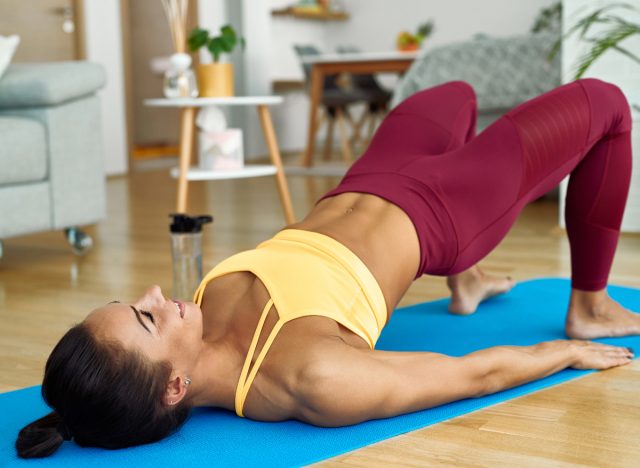
The bridge puts your glutes in charge of hip extension, which is one of the most important actions for lower-body strength. Every time you stand up, walk uphill, climb stairs, or push off the ground, your hips need to extend with control. Strong glutes make those movements smoother and help your lower body produce force without relying too heavily on the lower back.
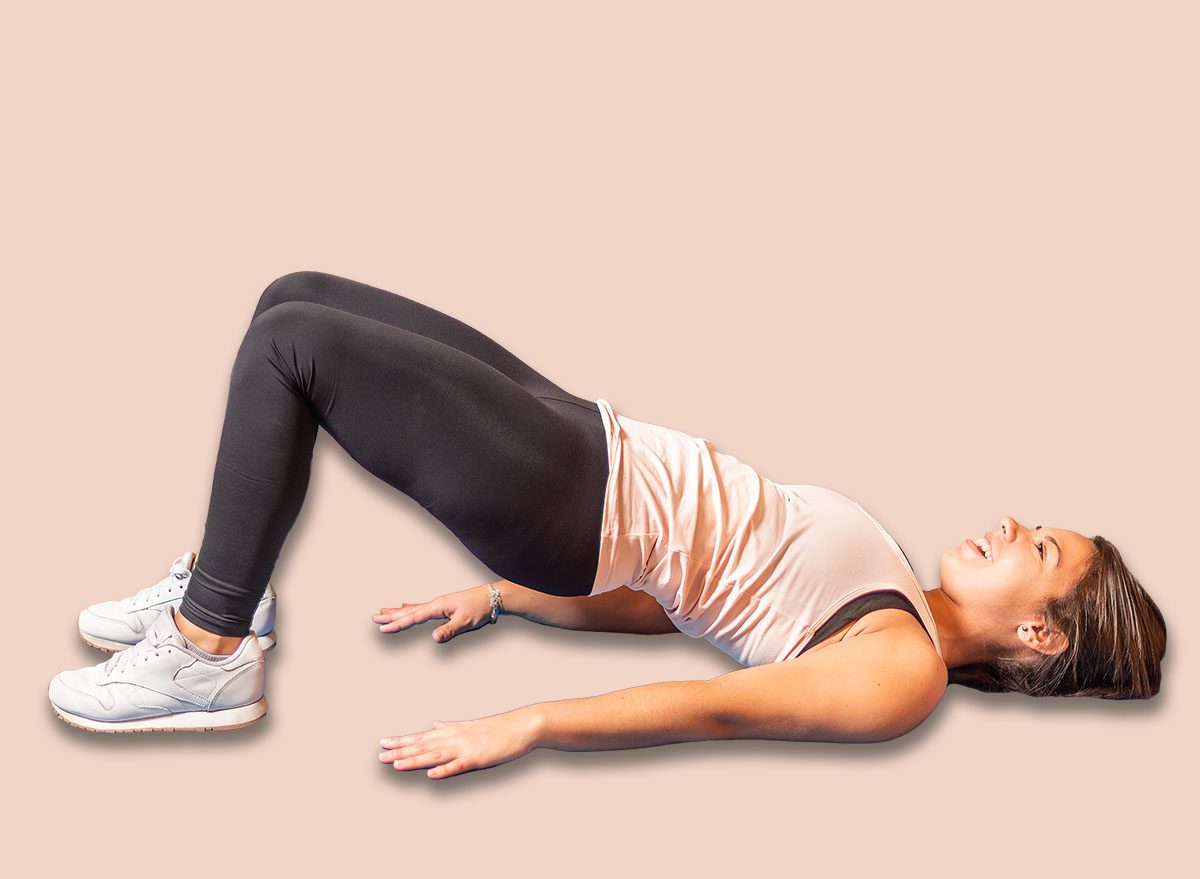
The bridge also teaches pelvic control. Your glutes help keep your pelvis level, while your core keeps your ribs and hips connected. That combination matters for posture, balance, and resilience. When your hips stay strong and stable, your body can distribute force more evenly through your legs rather than letting your knees or back take on extra stress.
The hold adds the endurance piece. Your glutes have to keep working the entire time, which builds staying power in a position that carries into daily movement. Longer holds also increase time under tension, giving the muscles more opportunity to adapt. That’s why a bridge hold can be such a useful test after 60. It shows whether your glutes can stay active, steady, and connected as fatigue builds.
How to Perform a Proper Bridge Hold
A strong bridge starts with the right setup. Your feet, ribs, hips, and pelvis all need to line up before you lift. The goal is to feel the glutes doing the majority of the work while your core keeps your lower back from taking over. Once you’re in position, hold steady and keep the same hip height from start to finish.
How to Do It:
A quick chat on the movement standard. The hold counts when your hips stay lifted, and your body forms a straight line from shoulders to knees. Once your form breaks, the clock stops!
Best Variations: Single-Leg Bridge, Marching Bridge, Elevated Feet Bridge, Banded Bridge Hold, Hip Thrust Hold.
Bridge Hold Test After 60: What Your Time Means
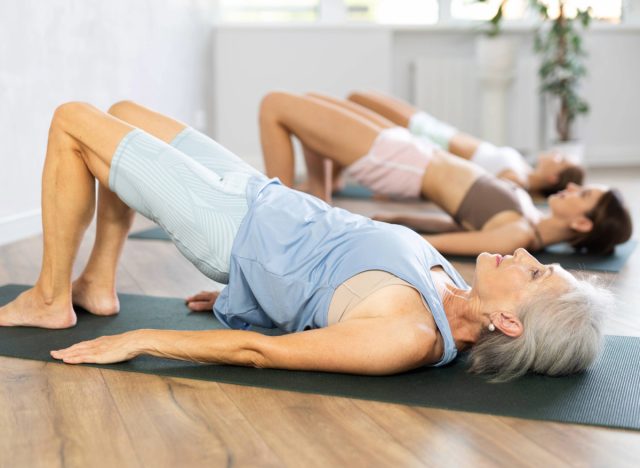
Your hold time gives you a clear look at how well your glutes maintain tension. Keep your hips level, your ribs down, and your breathing steady. The number matters most when the position stays clean from start to finish.
How to Build Stronger Glutes After 60
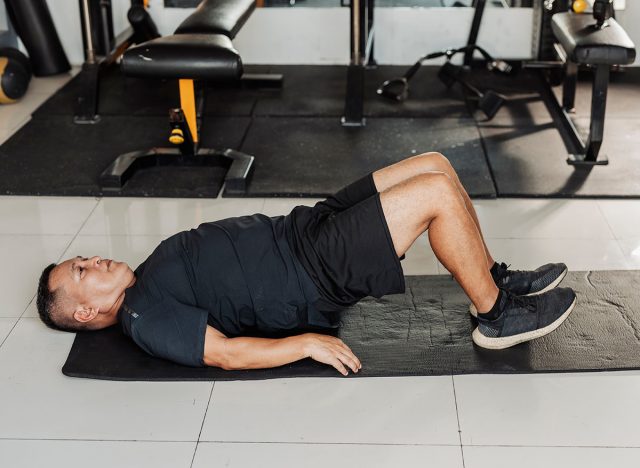
Building a stronger bridge starts with learning how to create and sustain tension. The goal is steady hips, active glutes, and a consistent position. This strength carries well into daily movement because the glutes help power each step, support the pelvis, and keep the lower body moving with control. A few focused sessions each week can strengthen the bridge and help your hold time improve. Keep the work clean, progress gradually, and let the quality of each hold drive the improvement.
A bridge hold gives you a simple way to check how well your glutes can stay engaged and support your hips. If you can hold a clean bridge past 90 seconds after 60, your glute strength sits in a top-tier range. That strength carries into how you walk, climb, stand, and move through daily life with more control.
References
Jarrod Nobbe, MA, CSCS
Jarrod Nobbe is a USAW National Coach, Sports Performance Coach, Personal Trainer, and writer, and has been involved in health and fitness for the past 12 years. Read more about Jarrod
 Siti Muinah
  Jia Lissa
  Evan Lee Salim