
 By Pevita Pearce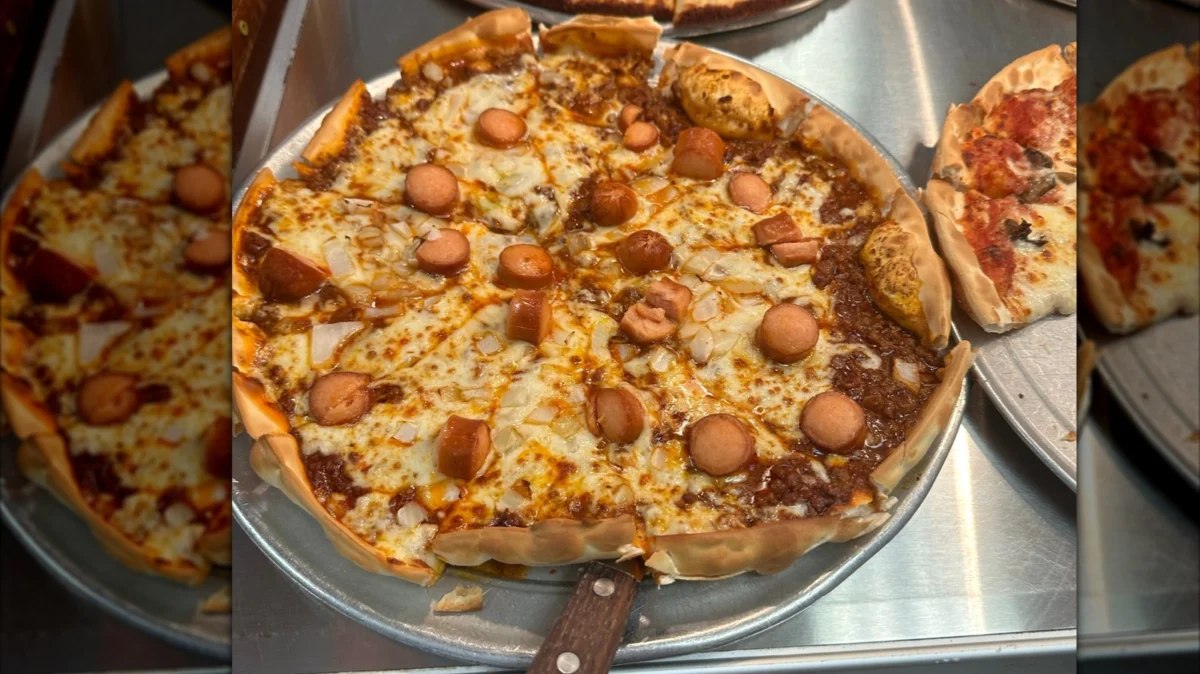
By Culinary and Gastronomy Desk
Published: October 2023
Main Facts
Pizza is one of the world’s most adaptable and universally beloved culinary creations. From the thick, pillowy crusts of Sicilian and Detroit styles to the foldable, grease-kissed triangles of New York and the deep-dish behemoths of Chicago, the canvas of pizza accommodates nearly any ingredient a cook can imagine. While purists often draw a hard line at traditional toppings like pepperoni, mushrooms, sausage, and basil, culinary boundaries are constantly being pushed.
Enter a surprisingly divisive, yet remarkably satisfying ingredient: the humble hot dog.
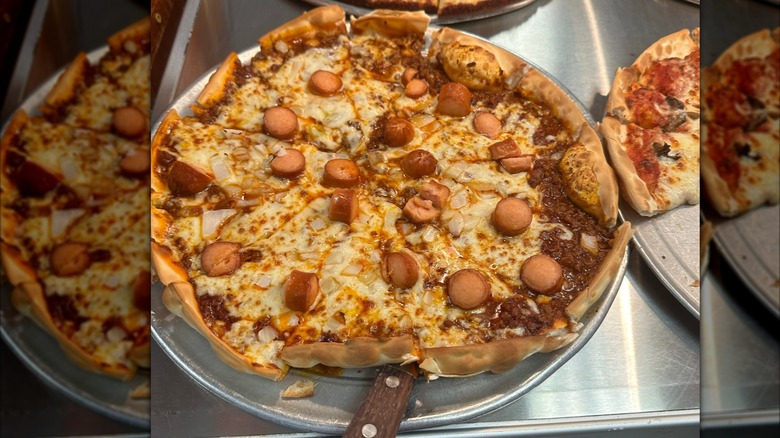
While putting frankfurters on a pizza might initially elicit raised eyebrows—or outright disgust—from traditionalists, food enthusiasts are increasingly recognizing the pairing as a stroke of lowbrow genius. At its core, a hot dog is simply a spiced, emulsified sausage. Because various types of Italian and regional sausages are already staple pizza toppings, substituting a hot dog is not as radical a departure as it might first appear. When subjected to the blistering heat of a pizza oven, sliced hot dogs undergo a magnificent transformation: their edges crisp up, their savory juices render into the surrounding cheese, and their mild flavor profile acts as a sponge for robust tomato sauces and melted mozzarella.
Surprisingly, this concept is far from a modern internet-driven "food crime." In Italy—the birthplace of modern pizza—pizzerias have served a whimsical creation known as the Pizza Americana for decades. This pie features sliced hot dogs and french fries layered over cheese and tomato sauce. Today, the concept is finding a vibrant, if contentious, second life across social media platforms, Reddit food forums, and experimental home kitchens.
Chronology
To understand how the hot dog pizza transitioned from a midnight snack of convenience to an online talking point, it helps to look at its timeline across global food culture:
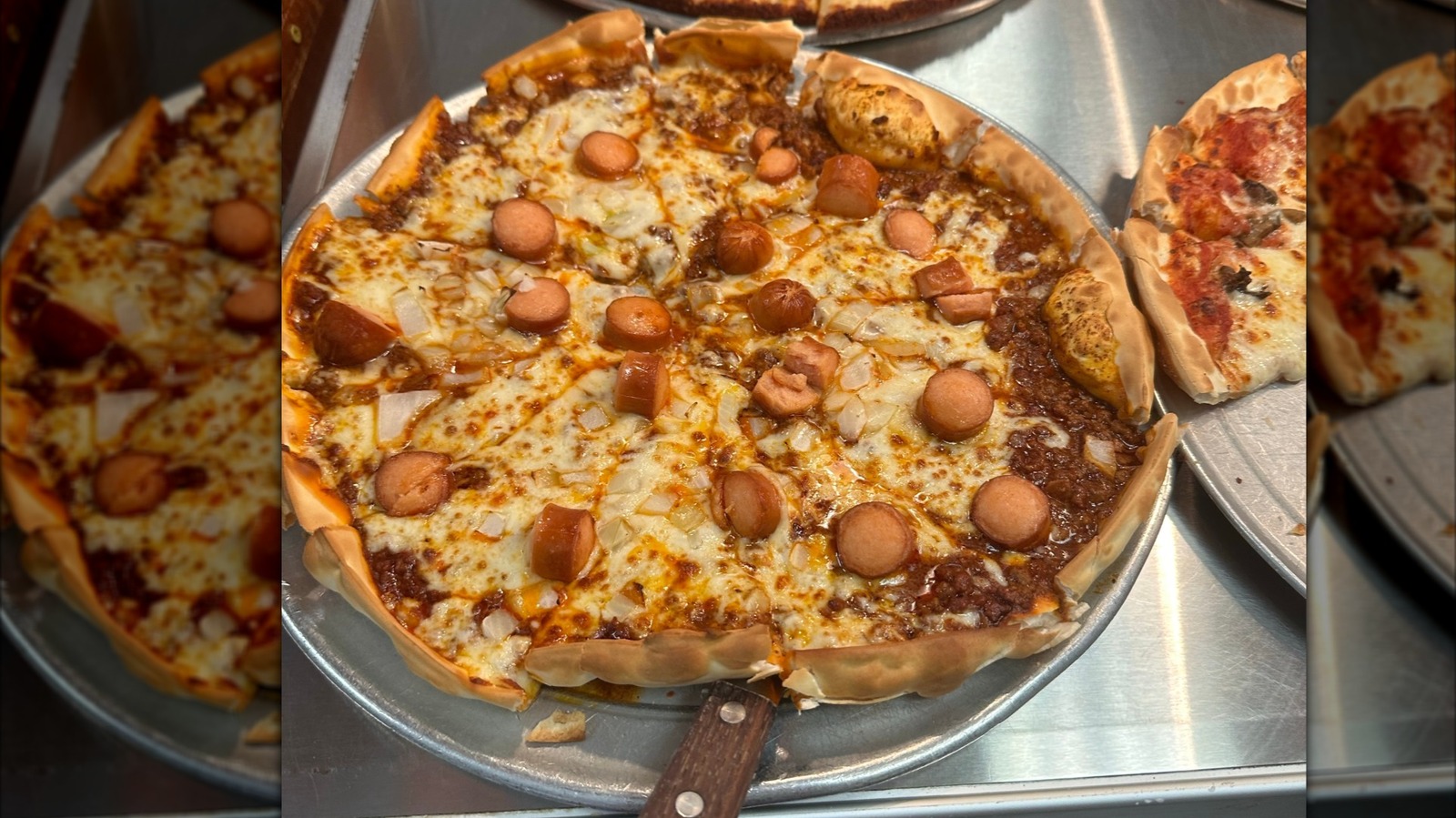
- Mid-20th Century (The Italian Adoption): As American fast-food culture began permeating European markets post-World War II, Italian pizzerias sought ways to appeal to younger demographics and international tourists. This cultural fusion birthed the Pizza Americana, topping traditional dough with hot dogs and french fries—a dish that remains a staple on children’s menus and late-night menus across Italy to this day.
- The Late 20th Century (Pizzeria Experimentation): Independent pizza joints and local parlors occasionally featured hot dogs as off-menu novelties. Cooks experimenting with leftover ingredients discovered that chili dogs and coney dogs translated exceptionally well onto a bread-and-cheese base.
- The 2010s–2020s (The Social Media Era): With the rise of platforms like Reddit (specifically subreddits like r/PizzaCrimes and r/unpopularopinion) and Facebook food groups, amateur chefs began documenting their unconventional creations. Hot dog pizzas became a flashpoint for culinary debate, dividing internet users into camps of appalled purists and curious converts.
- Present Day (Mainstream Curiosity): Major food publications and culinary blogs have begun exploring the crossover appeal of hot dogs and pizza, leading to creative iterations like coney-dog pizzas and pizza-stuffed hot dogs.
Supporting Data and Culinary Mechanics
Why does a hot dog work on a pizza? To answer this, one must look at the culinary science of fat, texture, and umami.
The Science of Sizzling Wieners
Hot dogs are typically pre-cooked, consisting of finely minced pork, beef, chicken, or a blend of these meats, seasoned with garlic, paprika, coriander, and salt. When sliced into coins and placed on an unbaked pizza, several things happen simultaneously during the baking process:
- Moisture Evaporation: The high heat of a pizza oven (often ranging from 450°F to 800°F) causes the moisture inside the frankfurter to evaporate, concentrating its savory flavor.
- Maillard Reaction and Crisping: The curved edges of the hot dog slices rise above the cheese line, exposing them to direct radiant heat. This creates a caramelized, crispy rim reminiscent of browned breakfast sausage or fried bologna.
- Fat Rendering: As the hot dog heats up, its internal fat melts, gently basting the cheese and crust underneath. This adds an extra layer of richness that complements tangy tomato sauce.
Public Reception: Social Media Statistics and Sentiments
A review of online food forums reveals a stark psychological divide regarding the topping:
- The "Yuck" Factor: Approximately 60% to 70% of first-time reactions recorded on general food discussion boards skew negative. Users frequently cite childhood associations with cheap hot dogs, school lunches, or aesthetic dissonance as reasons for their skepticism.
- The Conversion Rate: However, among those brave enough to taste-test the combination, the approval rate spikes significantly. Over 80% of users who report actually making or ordering a hot dog pizza describe the results as surprisingly delicious, citing its nostalgic, comfort-food qualities.
Official Responses and Expert Perspectives
While major international pizza chains like Domino’s or Pizza Hut have yet to roll out a permanent, global "Hot Dog Crust" or "Frankfurter Supreme" outside of regional novelties in select international markets (such as East Asia or Latin America, where stuffed hot-dog crusts are occasionally offered), chefs and food critics have weighed in on the trend.
Renowned food writers and experimental chefs note that gourmet hot dogs elevate the experience entirely. "If you are using a cheap, mechanically separated meat hot dog, you are going to get a cheap-tasting pizza," explains a prominent Chicago-based pie maker who asked to remain anonymous. "But if you use an all-beef kosher frank, a smoky bratwurst, or a spicy local link, sliced thin and allowed to char slightly under the broiler? You’ve got a gourmet topping that punches way above its weight class."
Furthermore, culinary historians point out that food fusion is the bedrock of modern cuisine. Just as pineapple on pizza (Hawaiian pizza) was invented in Canada by a Greek immigrant, and tikka masala pizza merges Indian and Italian traditions, putting hot dogs on a pizza is simply the next logical step in global culinary cross-pollination.
Implications
The rise—and lingering controversy—of the hot dog pizza carries several broader implications for contemporary food culture:
1. The Democratization of Fine Dining and Comfort Food
The ongoing fascination with high-low food mashups demonstrates a cultural shift away from rigid culinary snobbery. Consumers are increasingly willing to blur the lines between upscale Italian baking techniques and working-class American comfort food. This trend encourages home cooks to experiment without fear of violating traditional culinary rules.
2. Reducing Food Waste Through Creative Reinvention
One of the most practical applications of the hot dog pizza trend is sustainability in the home kitchen. As highlighted by home cooks on social media, leftover backyard barbecue hot dogs, chili dogs, or coney dogs make exceptional pizza toppings the following day. This form of culinary upcycling helps reduce household food waste while turning yesterday’s leftovers into a novel, exciting meal.
3. The Power of Nostalgia in Gastronomy
Ultimately, food is deeply tied to memory. For many, the combination of hot dogs and pizza bridges two pillars of childhood birthday parties and casual weekend eating. By merging these two comfort foods, adventurous eaters tap into a potent sense of nostalgia that modern, sophisticated flavor profiles alone cannot replicate.
Whether you choose to embrace it as a stroke of genius or dismiss it as a momentary lapse in culinary judgment, the hot dog pizza is here to stay—proving once again that when it comes to food, the only real rule is that it has to taste good.
 Evan Lee Salim
  Siti Muinah
  Asro
Asro 