
 By Asro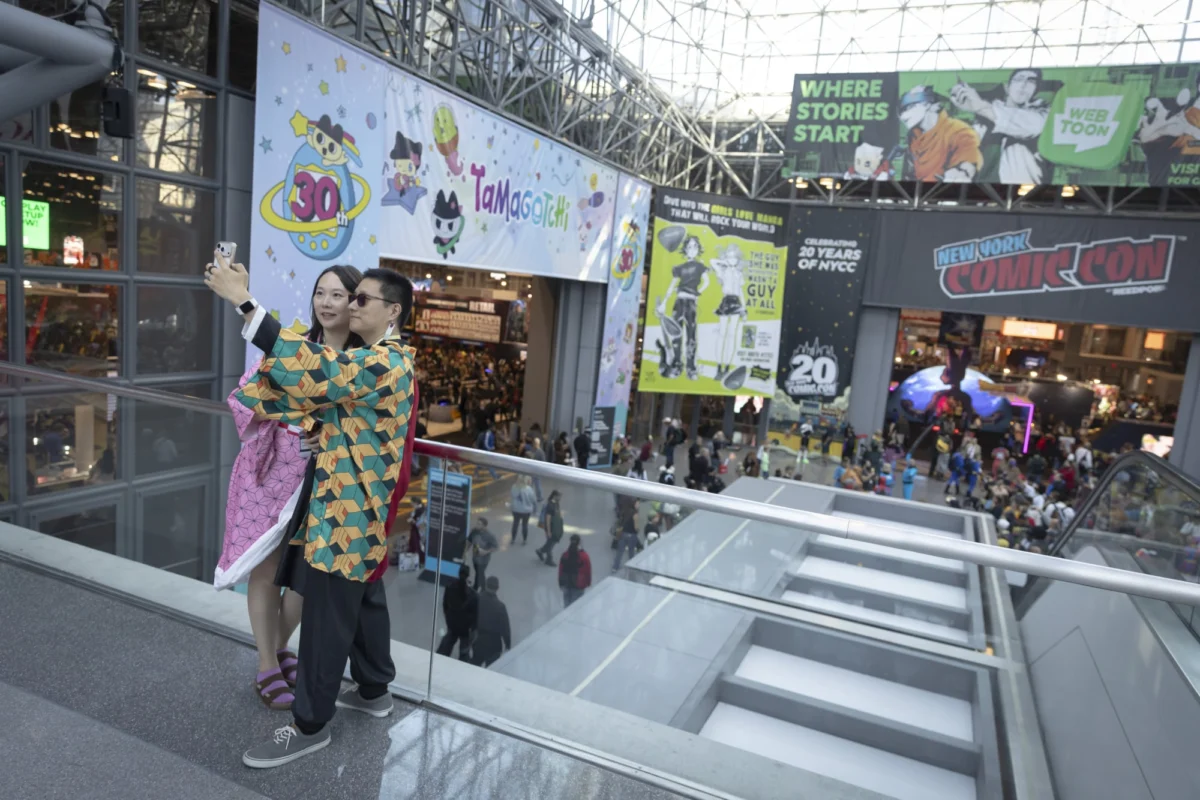
By Crystal Bell
October 11, 2026
The Javits Center in New York City, usually a bustling hub of commerce and exhibition, has undergone a metamorphosis. During this year’s New York Comic Con (NYCC), the sprawling floor space, crowded with enthusiasts and industry giants, functioned less like a traditional trade show and more like a high-octane, decentralized content studio. From the rafters to the floor-level activations, the event was meticulously engineered to serve the digital-first habits of modern fandom.
This shift—from a static exhibition to a dynamic, social-media-ready production environment—marks a definitive turning point in how pop culture experiences are consumed and distributed. As the creator economy continues to mature, conventions like NYCC are no longer just places to see and be seen; they are primary source sites for the content that sustains the internet’s entertainment discourse.
The Architecture of Engagement: Designing for the Feed
For attendees at this year’s convention, the visual language of the Javits Center was noticeably different. The massive, towering banners celebrating franchises like The Apothecary Diaries and the 20th anniversary of NYCC itself were not merely decorative. Organizers, anticipating the vertical-video dominance of TikTok, Instagram Reels, and YouTube Shorts, intentionally designed the lower portions of these displays to serve as curated "photo-op" backdrops.

This is a structural pivot toward the "content-first" model. By framing the physical environment to accommodate the smartphone lens, NYCC has effectively turned its venue into an expansive set. This design philosophy recognizes a fundamental truth of 2026: if an experience isn’t captured and shared, its cultural footprint is significantly diminished.
"We’re very conscious that everything we create now is a shareable moment," says Fallon Prinzivalli, Marketing Director at NYCC. This awareness has prompted a total rethinking of traffic flow, lighting, and signage to ensure that every corner of the convention offers an aesthetic that fans feel compelled to broadcast to their followers.
A Chronology of the Shift: From Pandemic Pivot to Professionalized Production
The transition toward becoming a creator-centric event did not happen overnight. The roots of this shift can be traced back to the post-pandemic recovery in 2021, when the return to live events coincided with a global surge in the consumption of short-form video.
- 2021: The Initial Experiment: Facing a landscape where traditional marketing was proving less effective, NYCC initiated a trial run by handing over its TikTok account to two prominent creators. The results were staggering, yielding over 8 million impressions in just four days.
- 2022–2024: The Formalization of Creator Badges: Recognizing that these digital storytellers were attracting more engagement than legacy media outlets, the convention began formalizing a "Creator Badge" program. This moved influencers out of the murky "general attendee" category and into a semi-official capacity.
- 2025–2026: The Infrastructure Era: This year marks the completion of that evolution. The introduction of a dedicated "Creator Lounge"—equipped with high-speed Wi-Fi, professional-grade lighting, and editing workstations—solidified the convention’s status as a professional production hub.
Supporting Data: The Scale of the Creator Contingent
The demand for access is quantifiable and intense. While NYCC declined to disclose the exact number of creator badges issued for the 2026 event, the volume of applications provides a clear picture of the scale. The application window, which requires a significant threshold of at least 200,000 followers (though with exceptions made for high-impact niche creators), was forced to close in August after reaching capacity.

The "Creator Lounge" is the physical manifestation of this support. It is designed to solve the friction points that prevent content production: lack of power, poor connectivity, and the exhaustion of navigating a massive crowd. By providing a base of operations, the convention ensures that creators can stay on-site longer, producing higher-quality content that feeds the social media cycle in real-time.
Official Perspectives: The Value of the Creator Economy
For organizers, the decision to invest in this infrastructure is purely strategic. "We started engaging with them very intentionally following the pandemic," Prinzivalli explains. "We wanted to give them dedicated Wi-Fi. We wanted it to be in the middle of the energy. We wanted it to be a space where they can film videos, or they can connect with other creators."
The convention views these creators as essential partners. Unlike traditional press, which may focus on long-form reporting, creators bring a level of intimacy and personality that resonates deeply with fan bases. When a creator interviews a star or highlights a specific booth, they are effectively providing free, highly targeted marketing that speaks directly to the core demographics of the franchise.
The Professionalization of Fandom: Implications for the Future
The integration of the creator class into the convention ecosystem is not without its tensions. For many, the "job" of being a creator at a convention is grueling.

Kallen Zborovsky-Fenster, known as @king_kallen on TikTok, exemplifies the modern professionalized fan. He spends weeks in pre-production, planning interview slates and optimizing his portable gear. "This is one of my highest priority events," he says. For Zborovsky-Fenster, the creator lounge is a sanctuary for networking, but his primary mission remains out on the floor, where the organic energy of the crowd fuels his content.
This creates a new archetype of the convention-goer: the "Fan-Reporter-Celebrity." These individuals are simultaneously participants in the fandom and the primary curators of the event’s narrative. When creators like Dominique Little (@nojill), who boasts 1.8 million followers, walk the floor, they are treated with the same reverence as the celebrities they are covering.
The Blurring of Boundaries
The line between an independent content creator and a traditional journalist has all but vanished. When creators like Brandon Bullock (Anime News Guy) report on industry announcements, they are doing so with a speed and accessibility that legacy media often struggles to match. They are, for all intents and purposes, independent media entities. The fact that the convention now provides them with the same professional courtesy—and sometimes more—than traditional press outlets highlights a major shift in the power dynamics of entertainment journalism.
The Circularity of Fandom: Why This Matters
The most significant implication of this shift is the creation of a "circular economy" of fandom. Digital communities initiate the conversation online, which brings fans to the physical event. At the event, that enthusiasm is captured, packaged, and transformed into high-quality digital assets. These assets then circulate back onto the platforms, feeding the next wave of interest and driving ticket sales for future conventions.

This circularity is intentional. It acknowledges that the "convention experience" no longer ends when the lights go down at the Javits Center. Instead, the experience is persistent, living on through the curated feeds of thousands of creators who were given the tools to broadcast it to the world.
As we look toward the future of large-scale events, it is clear that the "content studio" model is here to stay. Conventions that fail to provide the infrastructure for creators will find themselves increasingly irrelevant in an age where the digital experience is just as vital as the physical one. For NYCC, the message is clear: the future of the convention isn’t just about what you see—it’s about how you share it.
The fans of 2026 are not just passive consumers; they are the producers, the editors, and the narrators of their own pop culture reality. And at the Javits Center, the stage is finally set for them to take their place.
 Nana Muazin
  Nila Kartika Wati
  Dwi Wanna