
 By Nila Kartika Wati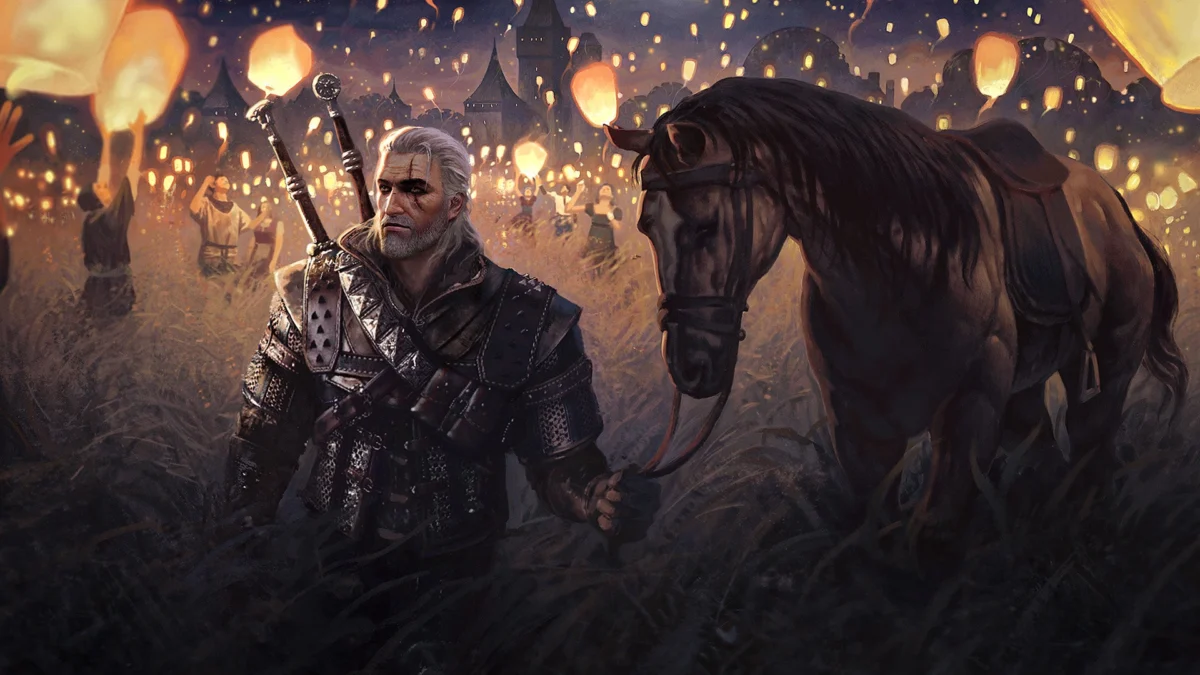
Eleven years after its initial debut, CD Projekt Red’s The Witcher 3: Wild Hunt continues to defy the conventional life cycle of video games. In an industry where titles often fade into obscurity mere months after release, Geralt of Rivia’s journey has proven to be an anomaly of longevity and cultural staying power. With the recent launch of the highly anticipated Remastered edition, the game has surged back to the forefront of the gaming zeitgeist, shattering its own all-time concurrent player records on Steam and cementing its status as one of the most resilient titles in modern history.
The Surge: A New Peak for an Old Legend
As of this week, the digital landscape of Steam has been painted with the sigils of the School of the Wolf. Tracking data from SteamDB confirms that the Remastered update has propelled The Witcher 3 to a new concurrent player peak, exceeding 120,000 active users.
This milestone is particularly significant when contextualized against the game’s history. At its original launch in 2015, the game hit a respectable peak of 92,000 players. In January 2020, riding the tidal wave of popularity generated by the debut of Netflix’s The Witcher series, that number climbed to 103,000. Another spike occurred in December 2022 with the initial next-gen update, which saw the player count hit 89,000. To surpass these figures more than a decade after release is a feat rarely seen outside of massive live-service titles like Counter-Strike or Dota 2.
These figures, however, only account for Steam. When factoring in the robust player bases across GOG, the Epic Games Store, PlayStation, Xbox, and Nintendo Switch, the total global reach of the Remastered launch represents a staggering testament to the game’s enduring appeal.
A Chronology of the Hunt
To understand how The Witcher 3 has maintained such momentum, one must look at the timeline of its evolution:
- May 2015: The Witcher 3: Wild Hunt is released to universal acclaim, setting a new gold standard for open-world narrative design.
- January 2020: The "Netflix Effect" hits. With Henry Cavill’s portrayal of Geralt capturing the public imagination, the game sees a massive influx of new and returning players.
- December 2022: CD Projekt Red releases the "Next-Gen Update," introducing ray tracing, improved textures, and quality-of-life adjustments for consoles and PC.
- Present Day: The Remastered edition launches, refining the experience further and serving as the primary catalyst for the current record-breaking concurrent player counts.
This consistent cadence of updates, combined with the sheer depth of the original narrative and its expansions, Hearts of Stone and Blood and Wine, has ensured that the game remains a staple in the libraries of both veteran gamers and newcomers alike.
Supporting Data: Why Players Are Returning
The success of the Remastered edition is not merely a result of nostalgia; it is a calculated effort by CD Projekt Red to modernize the user experience for a new generation of hardware.
The update introduces a comprehensive suite of graphical enhancements. Players are now treated to vastly improved foliage rendering, higher-resolution textures, and modern lighting techniques that breathe new life into the swampy depths of Velen and the bustling streets of Novigrad. Beyond aesthetics, the integration of community-made mods—now officially baked into the game—has streamlined the experience, offering everything from better controller mapping to refined camera angles.
Furthermore, the "generosity factor" cannot be ignored. By offering the Remastered edition as a free update to existing owners, CD Projekt Red has fostered immense goodwill. In an era of aggressive monetization and paid "upgrades," the decision to provide a comprehensive overhaul—including all previously released expansions—free of charge is a strategic masterstroke that has incentivized millions to reinstall the game.
CD Projekt Red: Cultivating a Franchise
The studio’s commitment to the Witcher franchise is clearly a long-term play. By keeping the player base engaged with The Witcher 3, CD Projekt Red is effectively priming the market for future installments.
The industry is already buzzing about the upcoming expansion, Songs of the Past. By continuing to support The Witcher 3, the developers are maintaining a living ecosystem where the brand remains top-of-mind. Official statements from the studio have consistently emphasized that the goal is to provide a "definitive experience" that respects the legacy of the original game while utilizing the processing power of modern PCs and current-gen consoles.
"We want players to feel that the game they bought years ago is still growing with them," a spokesperson for the studio noted during the lead-up to the launch. This sentiment reflects a business model that prioritizes brand equity and long-term player satisfaction over short-term transactional gains.
Implications for the Gaming Industry
The resurgence of The Witcher 3 carries several implications for the broader gaming landscape:
1. The Value of Single-Player Longevity
While the industry often chases the "Games as a Service" (GaaS) model, The Witcher 3 proves that a high-quality, single-player narrative game can achieve similar levels of engagement without the need for microtransactions or artificial daily engagement loops. It suggests that if a game is built with enough depth, players will find reasons to return years later, especially when the developer respects the community’s time and investment.
2. The Power of "Free" Upgrades
The massive success of the Remastered update serves as a case study in customer retention. By providing a high-value, free update, CD Projekt Red has effectively converted its dormant user base into an active, vocal community of advocates. This "free upgrade" strategy creates a surge in social media discussion and media coverage that acts as free marketing, likely drawing in a significant number of new players who may have been waiting for the "perfect" time to jump in.
3. Setting the Stage for the Future
With the success of Songs of the Past on the horizon, the current record-breaking numbers provide a stable foundation. A massive, engaged player base is the best possible marketing tool for upcoming projects. By ensuring that The Witcher 3 remains a premium, cutting-edge experience, the studio is ensuring that the hype for the next chapter in the franchise will be built on a solid bedrock of satisfied, active players.
Conclusion: The Hunt Never Ends
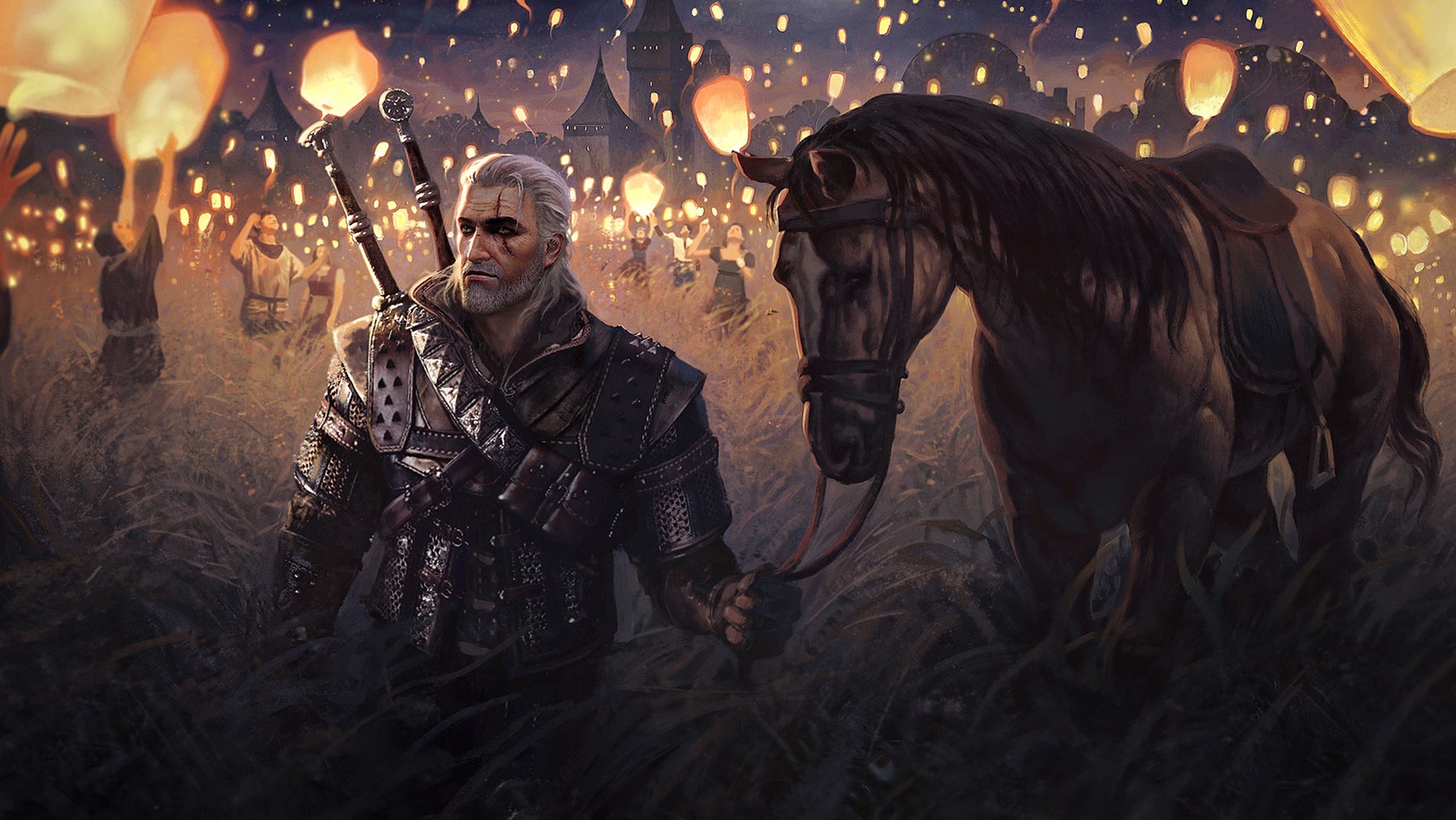
As the sun sets over the Continent, the lanterns rising into the sky in the Witcher 3 artwork serve as a fitting metaphor for the game’s current status: a beacon that continues to burn brightly despite the passage of time.
The Remastered edition is not a complete reinvention of the wheel—as many critics have noted, the core gameplay loop remains fundamentally the same as it was in 2015. However, it is a polished, optimized, and deeply appreciative love letter to the fans who have kept the game alive. Whether it is the allure of the Blood and Wine expansion, the challenge of the death-march difficulty, or simply the desire to inhabit the world of Geralt once more, players are proving that great stories never truly go out of style.
As the player count continues to fluctuate, one thing remains clear: The Witcher 3 has transcended its medium to become a cultural touchstone. For CD Projekt Red, the challenge now is to maintain this momentum as they look toward the future of the series. But for the 120,000 players currently traversing the Northern Kingdoms, the only thing that matters is the next contract, the next monster, and the next hunt.
 Asro
Asro  Dwi Wanna
  Nana
Nana 