
 By Jia Lissa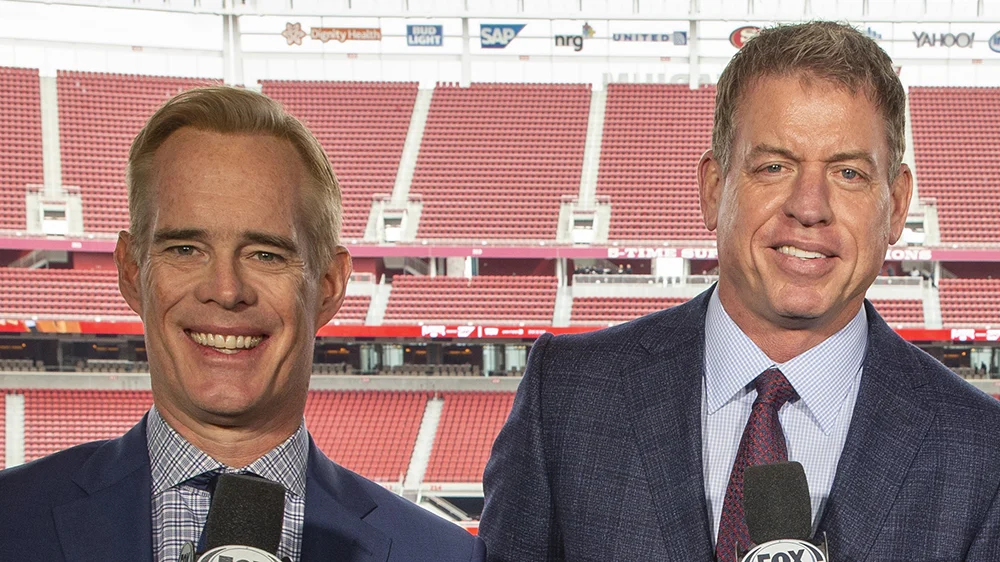
As the NFL prepares for another high-octane season, the most intense competition may not be occurring on the gridiron, but rather within the corporate boardrooms of the nation’s largest media conglomerates. While fans focus on the snap counts and defensive schemes, a quiet, high-stakes drama is unfolding behind the microphones. Many of the most recognizable voices in sports broadcasting—the play-by-play stalwarts and color analysts who define the Sunday, Monday, and Thursday night viewing experiences—are approaching a pivotal expiration date: their current contracts with the media giants backing their perches are set to conclude at the end of this season.
The State of Play: A Changing Landscape
For years, the booth was a stable, predictable environment. However, the paradigm shifted dramatically in 2021 when the NFL secured a landmark 11-year rights deal. Suddenly, the television networks were forced into a massive arms race to secure "prestige" talent. The logic was simple: in an era of fragmented media consumption, the NFL remained the last true pillar of appointment viewing. To protect these massive investments, networks believed they had to pay top-tier salaries to secure the most authoritative, charismatic, and knowledgeable voices in the industry.
This trend was accelerated by the massive success of Tony Romo at CBS. After retiring from the Dallas Cowboys, Romo’s uncanny ability to predict plays before they happened turned him into a broadcasting sensation. CBS’s decision to sign him to a multi-season pact worth approximately $17 million annually set a new market standard. Suddenly, former players weren’t just "commentators"—they were assets, and networks began treating them with the same financial intensity as the players they were analyzing.
Chronology of the Talent Arms Race
The current landscape is the result of a multi-year consolidation of talent that has reshaped the industry:
- 2020: CBS Sports secures Tony Romo with a landmark deal, signaling that the network is willing to pay premium prices for "game-changing" analysts.
- 2022: ESPN pulls off a blockbuster move, poaching Joe Buck and Troy Aikman from Fox Sports. This was widely viewed as a strategic necessity for the Disney-owned network to repair its historically fractured relationship with the NFL and restore the prestige of Monday Night Football.
- 2022: Amazon enters the fray with aggressive spending, hiring Al Michaels and Kirk Herbstreit to spearhead Thursday Night Football.
- 2024-2025: Fox Sports doubles down on star power, securing the legendary Tom Brady for its top broadcast team, a move that effectively pushed the highly regarded Greg Olsen out of the primary booth.
The Economic Tightrope: Balancing Rights Fees and Talent Costs
The primary challenge facing networks today is the ballooning cost of live sports. As the price of broadcasting rights continues to climb, media executives are increasingly forced to scrutinize their production budgets. With top-tier booth talent now commanding salaries between $15 million and $20 million per season, the math is becoming increasingly difficult to justify.
"The price of live events just keeps going up," notes Tim Scanlan, vice president of sports broadcast at the agency Octagon. "As that happens, you start to look for savings in production and talent."
The current economic climate, characterized by fluctuating ad markets and a shift toward streaming, means that networks are no longer writing blank checks. Executives are now forced to ask a difficult question: Does a star-studded broadcast team actually drive enough additional viewership to justify a $20 million price tag, or are fans tuning in regardless of who is in the booth?
Supporting Data: The Value of the Booth
Despite the cost, there is evidence that the "prestige" strategy works. Before ESPN signed Buck and Aikman, their Monday Night Football product was struggling with identity and ratings. Following the transition, the network saw improved viewership and even managed to secure additional Super Bowl broadcasts in their latest rights cycle.
"They did get better games on the schedule, ratings went up, and they got a couple of Super Bowls," Scanlan adds. "You could argue that it really paid for itself."
Conversely, the situation at Fox Sports remains a point of intrigue. The arrival of Tom Brady as a marquee analyst created a logjam for Greg Olsen, who had performed admirably in the top spot following the departure of Buck and Aikman. While Olsen remains a fan favorite and a consummate professional, his future at the network is uncertain. Meanwhile, industry insiders are already questioning if Brady—who has a multitude of outside business interests—will maintain a long-term commitment to a grueling, season-long travel schedule.
The "Romo" Variable and Unexpected Disruptions
No discussion of the current booth landscape is complete without addressing the volatility of human factors. CBS Sports, for instance, finds itself in a precarious position regarding Tony Romo. Following his arrest for operating a vehicle while intoxicated earlier this year, Romo’s availability has been called into question. The network’s decision to elevate J.J. Watt to the booth alongside Jim Nantz serves as both a stopgap and a potential long-term audition. Should Watt demonstrate the same chemistry and appeal as Romo, it could force CBS to reconsider its future commitments to their long-term star.
Official Responses and Strategic Silence
As of this writing, executives from Fox Sports, ESPN, Amazon, and CBS have declined to provide formal comments regarding upcoming contract negotiations. This silence is typical in the high-stakes world of sports media, where leverage is everything. While it is widely understood that ESPN has already begun preliminary discussions with Buck and Aikman regarding a renewal—largely due to the upcoming 2027 Super Bowl on ABC—the status of other high-profile pairings remains largely speculative.
Implications for the Future of Sports Broadcasting
The implications of these expiring contracts extend far beyond individual salaries. We are witnessing a transition in how media companies view the "broadcast booth" as a marketing tool.
1. The End of the "Big Name" Premium?
As networks face tighter margins, they may pivot away from paying exorbitant fees for former players. We may see a return to more cost-effective broadcasting structures where production value and data-driven analysis are prioritized over celebrity cachet.
2. The Rise of the Multi-Hyphenate Talent
The industry is closely watching stars like Travis Kelce, whose massive popularity through podcasts and non-sports media suggests that the next generation of analysts may come from a broader entertainment background. The definition of a "star broadcaster" is evolving from a pure play-by-play expert to a multimedia personality who can drive engagement across social platforms, podcasts, and traditional television.
3. The NFL’s Iron Grip
Ultimately, the networks are subservient to the NFL. With the league holding options to renegotiate its TV rights deals after 2029, the media partners are desperate to keep the league happy. A "weakened" broadcast product could theoretically jeopardize future renewals, meaning that even if the economics don’t make sense, the strategic necessity of maintaining a "top-tier" image may force networks to continue overpaying for talent.
Conclusion: A Financial Chess Match
As the season progresses, the industry will be watching not just the scores, but the rumors surrounding contract renewals. For the networks, it is a delicate balancing act. They must keep the NFL satisfied, keep the viewers engaged, and keep their balance sheets from collapsing under the weight of record-breaking rights fees.
"Nobody wants the NFL product to be weakened," concludes Scanlan. "But at some point, something has to give."
As the current season plays out, the quiet conversations happening in corporate offices will likely prove to be just as impactful as the loud cheers on Sunday afternoons. The era of unchecked spending on the broadcast booth may be drawing to a close, replaced by a more calculated, ruthless era of financial chess. The voices that define our Sundays are about to learn just how much they are worth in a market that is rapidly changing its rules of engagement.
 Dwi Wanna
  Layla Zulfa
  Ali Ikhwan