
 By Jia Lissa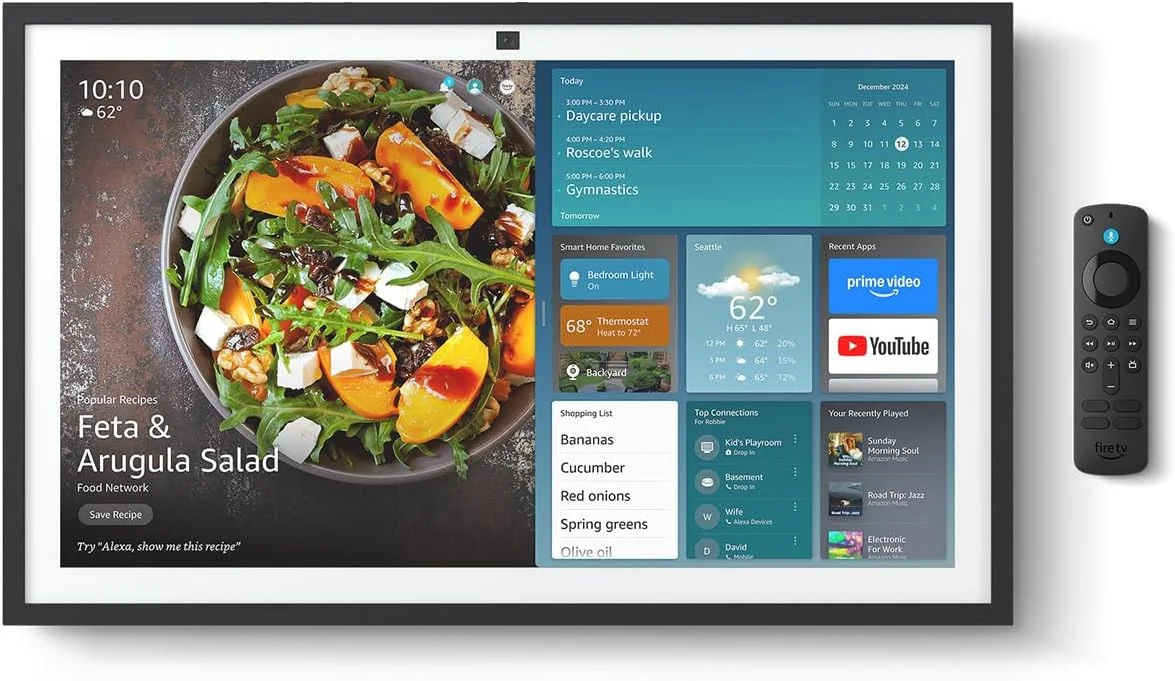
In an era where technology is increasingly expected to blend seamlessly into interior design, the Amazon Echo Show 15 has emerged as a cultural phenomenon. Frequently hailed by social media influencers as the ultimate "dupe" for the high-end Samsung Frame TV, this compact, wall-mountable smart display has transcended its origins as a mere kitchen gadget. By bridging the gap between functional smart home utility and aesthetic home decor, the Echo Show 15 has captured the attention of homeowners, minimalists, and tech enthusiasts alike.
Main Facts: What is the Echo Show 15?
At its core, the Amazon Echo Show 15 is a wall-mountable, 15.6-inch full HD smart display designed to act as a centralized hub for the modern home. Unlike traditional smart speakers or smaller bedside displays, the Show 15 is engineered with a flat, picture-frame-like profile. It is powered by the Alexa voice assistant and functions as a digital command center, allowing users to control smart home devices, stream video content, manage calendars, and display personal photos or curated digital art.
The device is built to be unobtrusive. Whether mounted horizontally or vertically, its slim form factor allows it to mimic the appearance of a framed photograph or a piece of wall art. This design choice is the primary driver behind its "viral" status on platforms like TikTok, where users are eager to integrate high-tech features without sacrificing the curated look of their living spaces.
A Chronology of the "Frame TV" Aesthetic
The trajectory of the Echo Show 15 is inextricably linked to the rising popularity of the "Frame TV" aesthetic.

- The Rise of the Lifestyle TV: In the late 2010s, Samsung disrupted the television market with "The Frame," a high-definition TV designed to look like a canvas when not in use. It became a status symbol for interior designers who viewed black, rectangular screens as visual clutter.
- The Price Barrier: As the popularity of the Frame TV grew, so did the demand for affordable alternatives. With entry prices often exceeding $1,000, many consumers were priced out of the aesthetic.
- The Viral Shift: By 2023 and 2024, TikTok creators began showcasing the Echo Show 15 as a "miniature" version of the luxury TV. The narrative shifted from "smart home device" to "aesthetic home decor piece."
- The Expansion: Following the success of the 15-inch model, Amazon expanded the lineup to include the Echo Show 21, catering to those who wanted the same frame-style design but with a larger, more traditional screen size.
Supporting Data: Consumer Sentiment and Market Impact
The success of the Echo Show 15 is not just anecdotal; it is reflected in robust sales data and consumer feedback. The device currently holds a 4.4-star rating on Amazon, with a significant majority of verified purchasers leaving five-star reviews.
Why Users Are Buying In:
- Space Optimization: For apartment dwellers or those with limited counter space, the wall-mounting capability is a primary selling point. It clears surfaces while providing a 15.6-inch viewing area for cooking tutorials, news, or entertainment.
- Integration: The ability to sync with other smart home devices—from video doorbells to lighting—makes it a practical tool for household management.
- The "Dupe" Economy: The term "dupe" has become a powerful driver in consumer retail. By positioning the Echo Show 15 as a cost-effective alternative to a luxury television, Amazon has successfully tapped into a younger demographic that values both form and function.
Sales data confirms that demand remains high, with the Echo Show 21 alone moving more than 6,000 units in a single month during its recent rollout. The persistent, high-volume interest suggests that the "smart frame" is not a passing trend, but a new category of home technology.
Official Responses and Strategic Positioning
Amazon has leaned into this aesthetic branding. The company has moved away from marketing the Echo Show 15 solely as a kitchen assistant, instead highlighting its ability to "blend into your home decor." By providing official mounting hardware and offering customizable frame borders, Amazon is actively encouraging users to treat the device as a piece of art.
Retail analysts note that this strategy is a clever pivot. By competing with decor-first products, Amazon ensures that its technology remains relevant even for users who claim to be "minimalist" or "anti-tech." The company’s decision to frequently include the device in its major promotional events, such as Prime Day, further solidifies its position as an accessible, essential upgrade for any modern living space.

Implications: The Future of Smart Home Design
The success of the Echo Show 15 signals a significant shift in how technology manufacturers approach product design. We are moving away from the era of "gadget-forward" design—where devices look like plastic computers—and toward "environment-forward" design.
The Death of the "Black Box"
The dominance of the Echo Show 15 suggests that consumers are no longer willing to tolerate bulky, unsightly tech in their living rooms. Future smart home devices will likely prioritize:
- Form Factor: Devices that can lay flat or be mounted seamlessly.
- Customization: Screens that shift to display art, personal photos, or ambient information rather than a blank or black screen.
- Versatility: The ability for a single device to wear many hats—acting as a mirror, a piece of art, and a digital controller simultaneously.
The "Smart Home" as a Living Space
As these devices become more aesthetic, they also become more invasive in a positive sense. When a device is beautiful, users are more likely to place it in central, high-traffic areas like living rooms, hallways, and dining rooms. This increases the "touchpoints" for voice assistants like Alexa, creating a deeper, more integrated smart home ecosystem.
However, this trend also raises questions regarding privacy. As devices like the Echo Show 15 are placed in increasingly personal spaces, users must weigh the convenience of a wall-mounted hub against the presence of cameras and microphones in their most private, aestheticized environments.

Conclusion: A New Standard for Home Tech
The Echo Show 15 has proven that utility and aesthetic appeal are not mutually exclusive. By tapping into the "Frame TV" trend and embracing the power of social media influence, Amazon has created a product that solves a common household problem: the conflict between staying connected and maintaining a beautiful home.
Whether you are looking for a way to track your grocery list, watch your favorite streaming services while prepping dinner, or simply want a rotating gallery of family photos that looks like a permanent fixture on your wall, the Echo Show 15 offers a compelling solution. As we look toward the future, the success of this device serves as a blueprint for tech companies: if you want to win in the home, make sure your product looks as good as it works.
For those considering an upgrade, the current market availability—including recent price cuts on both the 15-inch and 21-inch models—makes this an opportune time to jump into the "smart frame" revolution. As the lines between interior design and consumer electronics continue to blur, one thing is certain: the era of the ugly smart device is coming to an end.
 Ali Ikhwan
  Suro Senen
  Reynand Wu