
 By Ammar Sabilarrohman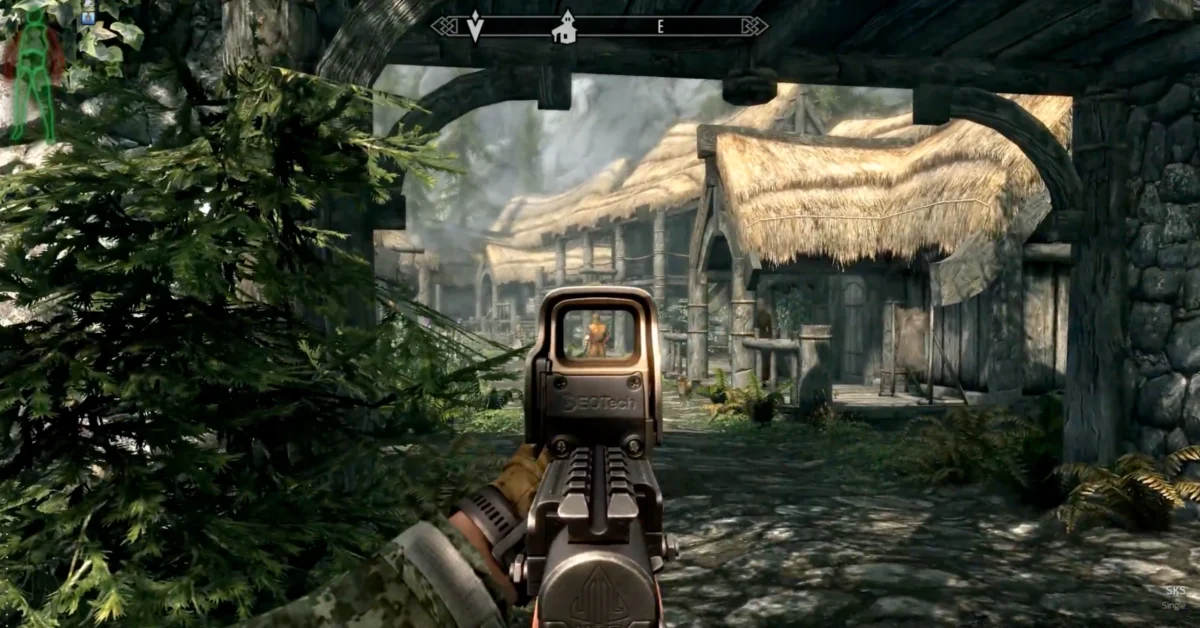
In the digital ecosystem of PC gaming, the modding community has long served as a bastion of creativity, technical ingenuity, and passion. From total conversion mods that birth entirely new genres to quality-of-life patches that extend the lifespan of decade-old titles, modders are the unsung architects of gaming longevity. However, a disruptive and controversial new trend has emerged—one that threatens to replace human craftsmanship with automated, "vibe-coded" content.
As of October 2026, a wave of AI-generated "mashup mods" has flooded social media platforms, particularly X (formerly Twitter). These mods, which splice together disparate game engines and assets through automated decompilation and generative code, are being derided by veteran creators as "AI slop." The conflict pits the traditional modding ethos of deliberate, painstaking labor against a new generation of users leveraging advanced large language models (LLMs) to generate "content" that prioritizes viral engagement over functional stability.
The Genesis of the "Vibe-Coding" Trend
The current firestorm is primarily fueled by the increased accessibility of powerful AI models, specifically Claude Opus 5.5 and OpenAI’s Astra 6. These models have become increasingly proficient at interpreting codebases, allowing users with minimal programming experience to "point and shoot" at a game’s directory. The goal is simple: force a collision between two incompatible worlds.
We are seeing World of Warcraft assets forcibly injected into the gritty realism of Call of Duty: World at War, Escape From Tarkov mechanics appearing in the high-fantasy realm of Skyrim, and the acrobatic traversal of Insomniac’s Spider-Man clumsily ported into the gothic architecture of Batman: Arkham City.
The trend is driven by what many creators call "jingling keys" content—videos designed specifically to capture fleeting attention on social media. Because the AI performs the heavy lifting of decompilation and asset injection, these "creators" can churn out dozens of clips per week, gaining massive engagement despite the fact that the resulting mods are often broken, buggy, or entirely unplayable.
A Chronology of the Conflict
The rise of the "vibe-coded" mod is a recent phenomenon, but the tension has been mounting for months.
- Mid-2026: Advancements in AI token pricing and code-generation accuracy make it commercially viable for amateur users to leverage LLMs for game decompilation.
- Late September 2026: The first wave of high-profile "mashup" videos goes viral on X. These clips, while visually chaotic, gain hundreds of thousands of views, incentivizing more users to adopt the same methodology.
- Early October 2026: Prominent modders begin to speak out. The community reaction shifts from curiosity to open hostility, with veteran creators labeling the trend as "pure slop."
- October 4, 2026: IGN reports on the growing backlash, documenting the divide between those who view AI as a tool for efficiency and those who view it as an existential threat to the integrity of game modification.
- Current State: While platforms like Nexus Mods maintain strict policies against such content, the "vibe-coding" community continues to thrive in decentralized, unregulated social media spaces, creating a parallel culture of "engagement-first" modding.
The Technical Reality: Why "Slop" is Failing
Despite the viral potential of these clips, the technical reality of AI-generated mods is dismal. YouTuber Brendan Jowett recently conducted a comparative analysis of Claude Opus 5.5 and Astra 6, testing their ability to bridge two game environments. The results were functionally catastrophic.
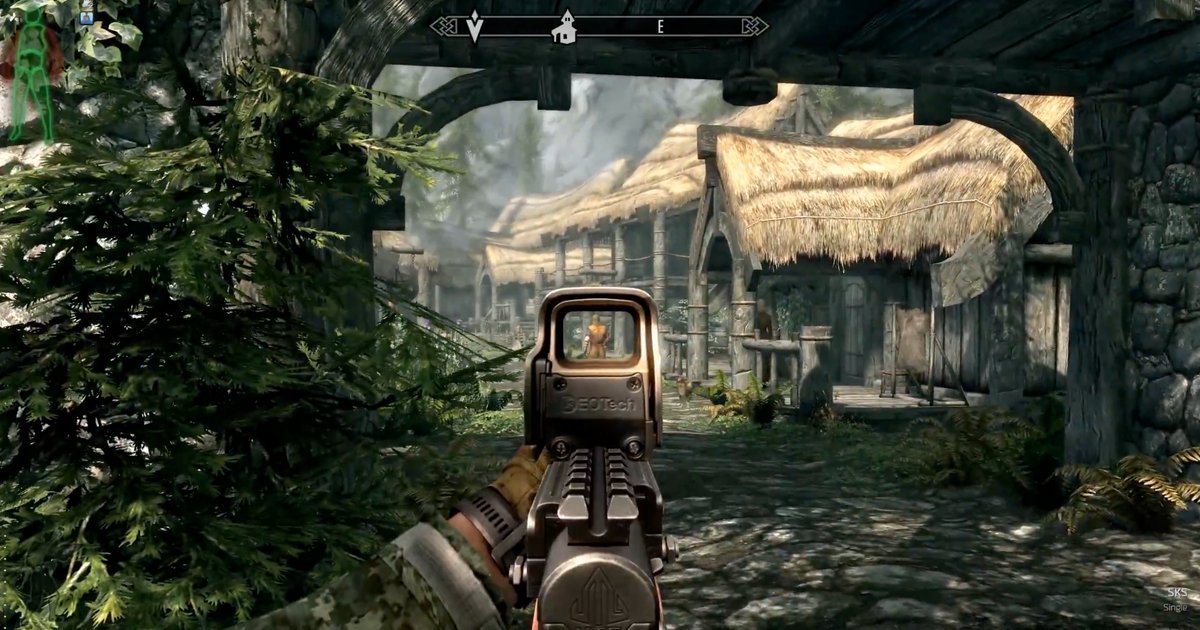
In many instances, the AI-generated code fails to account for fundamental game logic. Enemies frequently ignore player inputs, collision detection is non-existent, and animations break as the engine struggles to interpret the imported assets. In one demonstration, a space-faring fighter craft was shown flying diagonally while its projectiles fired in a fixed, forward-facing vector, rendering the game state incoherent.
The issue lies in the difference between "generating code" and "understanding architecture." Human modders spend weeks reverse-engineering a game’s underlying scripts to ensure stability. AI models, by contrast, approximate the result. They produce "vibe-coded" solutions that look correct in a 30-second highlight reel but crumble under the scrutiny of actual gameplay.
The Ethical and Legal Minefield
The core of the frustration among the traditional modding community is not just aesthetic—it is ethical. Most of these mashup mods rely on unauthorized decompilation of protected software.
The Rights Crisis
Traditional modding has always existed in a gray area, but it has largely been tolerated because of its symbiotic relationship with developers. Modders respect "fair use" etiquette, often creating original assets or modifying files within the framework provided by developers. The current wave of AI-driven mashups, however, frequently rips assets from one commercial product to use in another without permission.
The Nexus Mods Policy
Nexus Mods, the industry leader in hosting community-made content, established a firm stance in 2023. Their policy explicitly warns against AI-generated content that lacks proper licensing:
"In order to prevent any issues with your mods, we encourage you to avoid using these tools unless you have explicit permission to use all the assets."
Because these mashup mods depend on proprietary, decompiled code that the creators do not own, they are effectively radioactive to legitimate hosting platforms. This has forced the "vibe-coding" community to exist outside the established infrastructure of the modding scene, further alienating them from the community they claim to participate in.

Implications for the Future of Modding
The rise of AI-assisted "slop" brings several long-term implications that could fundamentally alter how games are supported by their fans.
1. Increased Regulation
As seen with Rockstar Games’ recent crackdown on GTA 6 modding, major publishers are becoming increasingly proactive in protecting their intellectual property. The prevalence of "mashup" videos that blatantly disregard copyright may provide the ammunition studios need to enact more draconian restrictions on all modding activities, potentially harming legitimate, high-quality projects.
2. The Devaluation of Craft
Veteran modders, such as kran27_ and discountmodder, have expressed a sense of professional mourning. When "jingling keys" content receives more engagement than a project that required thousands of hours of manual labor, the incentive structure of the community begins to break down. There is a palpable fear that the democratization of modding via AI will lead to a race to the bottom, where speed and virality replace technical depth and artistic intent.
3. The "AI-Factory" Future
If this trend becomes the permanent state of modding, the hobby may undergo a schism. We may see a two-tier system: "Verified" or "Hand-Crafted" modding hubs that maintain strict quality and ethical standards, and a "Wild West" of AI-generated mashups hosted on decentralized servers. While the latter may offer quick, fleeting entertainment, it risks diluting the prestige associated with the modding community at large.
Conclusion: A Community at a Crossroads
The modding community is currently at a critical juncture. The technology to automate the drudgery of coding is undoubtedly a powerful tool when placed in the hands of skilled developers who understand the underlying architecture of the games they modify. However, when that technology is used to generate low-effort, copyright-infringing "slop" for the sake of clicks, it threatens the very foundation of the culture.
As the industry moves forward, the divide between "modders" and "prompt-engineers" will likely widen. The challenge for the gaming industry, and for platforms like Nexus Mods, will be to foster a space where innovation can flourish without sacrificing the intellectual property rights and the technical standards that have defined the modding scene for the past three decades. For now, the "vibe-coded" trend remains a chaotic, controversial, and ultimately superficial anomaly—but its impact on the social fabric of the modding world is already profound.
 Nila Kartika Wati
  Asro
Asro  Evan Lee Salim