
 By Pevita Pearce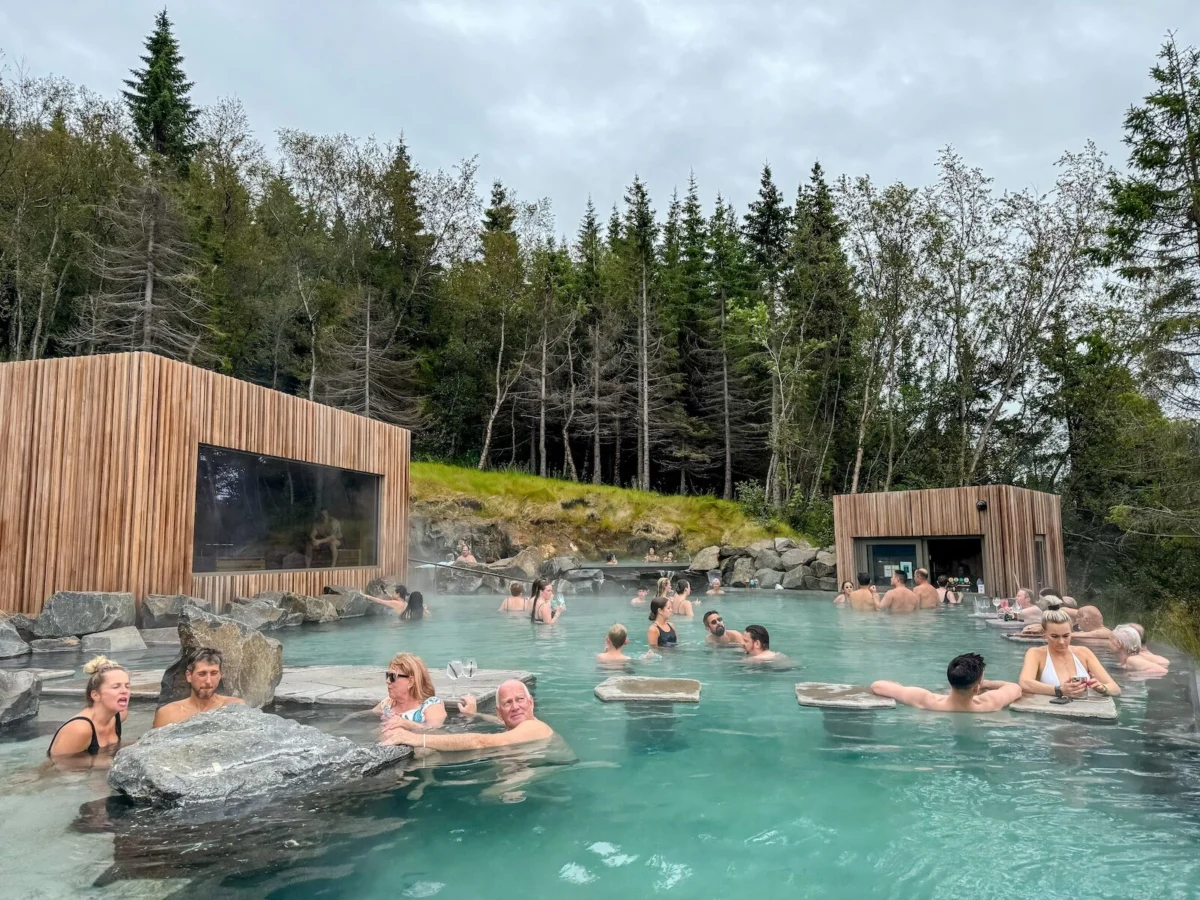
This article first appeared on Matador Network’s behind-the-scenes Substack newsletter, where our editorial team shares the inside dirt on being professional travelers.
The Reality of the "Lady Garden"
There is a persistent, unspoken labor that occupies the lives of countless women: the maintenance of the "lady garden," the "cooch curtains," or whatever euphemism you prefer for pubic grooming. In a landscape dominated by fashion magazines and beauty influencers, the conversation usually revolves around how to style, trim, or remove it.
However, this is not a guide on aesthetics. This is a story about shedding the baggage of societal expectations and navigating the stark, communal reality of Iceland’s public geothermal bathing culture. While western beauty standards have spent decades—often under the heavy influence of patriarchal norms—convincing women that a hairless, prepubescent look is the only acceptable state, my time in Iceland offered a radical, necessary departure from that narrative.
The Hygiene Mandate: Understanding Icelandic Etiquette
To understand the experience of bathing in Iceland, one must first understand the social contract of the geothermal pool. In many parts of Europe, tradition dictates that one must bathe thoroughly before entering a shared body of water. This is not a suggestion; it is a hygienic imperative. Human bodies, regardless of how they are groomed, naturally excrete sweat, oils, and dead skin cells. To preserve the purity of these shared, mineral-rich pools, the pre-soak shower is the great equalizer.
In my previous travels through Switzerland, Italy, and even the onsens of Japan, I had become accustomed to varying levels of privacy. Japan, for instance, offers a modest grace note: you carry a small towel to cover yourself until the exact moment you step into the water. Iceland, however, operates with a refreshing, if jarring, lack of artifice. There is no modesty crutch. You are naked, you are in a communal space, and you are expected to wash with rigorous attention to detail.
A Journey from Shame to Exposure
My apprehension about this culture was deeply rooted in my upbringing. As a pastor’s kid raised in the American South during the early 2000s, my relationship with my body was defined by shame. I wore a purity ring. I was taught that my body was a liability—a source of potential "stumbling" for boys—and that modesty was a moral virtue. I recall the internal panic of shopping for a tankini in my junior year of high school, a garment my parents viewed as pushing the boundaries of decency.
That body shame followed me well into my twenties. My first gynecological exam was so anxiety-inducing that my then-boyfriend had to drive me to a local restaurant so I could consume a cocktail and a beer just to settle my nerves. Even as an adult, having gained more comfort in my skin, I found myself relying on the mental mantra, "You’ll never have to see these people again," to navigate public nudity.
The "Cheetah Print" Conundrum
My anxiety was compounded by a recent experiment with at-home laser hair removal. I had invested in a device from Costco, hoping to escape the itchiness of shaving and the high cost of professional waxing. The device worked, but it left me with a patch-work aesthetic—a "cheetah print" of shedding hair that occurs as the laser takes effect.
This would have been a non-issue in the privacy of my own home, but I was in Northern Iceland for a professional press trip, surrounded by colleagues. When we entered the locker room at a geothermal spa in Akureyri, I was flanked by a local tourism official, our pregnant host, and another journalist.
The locker room offered no sanctuary. The shower area was a wide-open space with no barriers between heads. I hung my towel—and what felt like the last vestiges of my privacy—on a rack what felt like miles away from the water. I stepped into the spray, attempting to wash as quickly as possible, avoiding eye contact with the intensity of a fugitive, praying no one would notice my patchy, "cheetah-print" situation.
"Don’t Forget Under the Boob"
My attempt at a quick, incognito rinse was thwarted by our host. She didn’t offer a critique; she offered a lesson. "No, no," she said with a warm, encouraging smile. She proceeded to explain the thoroughness required for a proper pre-swim scrub. "Don’t forget under the boob," she advised.
I was momentarily stunned by the intimacy of the instruction, but then she laughed, describing how local grandmothers would confidently lift their legs onto stools to ensure every crevice was clean before entering the pool. In her eyes, nudity was not a source of embarrassment; it was merely a biological state.
She explained that this transparency is a cornerstone of Icelandic community life. By forcing everyone to be naked in a communal space, the culture strips away the filtered, airbrushed ideals of social media. Girls and women are constantly exposed to bodies of every shape, size, age, and texture. They see cellulite, stretch marks, apron bellies, and surgical scars. They see bodies that have birthed children and bodies that have survived decades. It is a powerful antidote to the shame that permeates so much of the outside world.
The Hot Spring as a Town Square
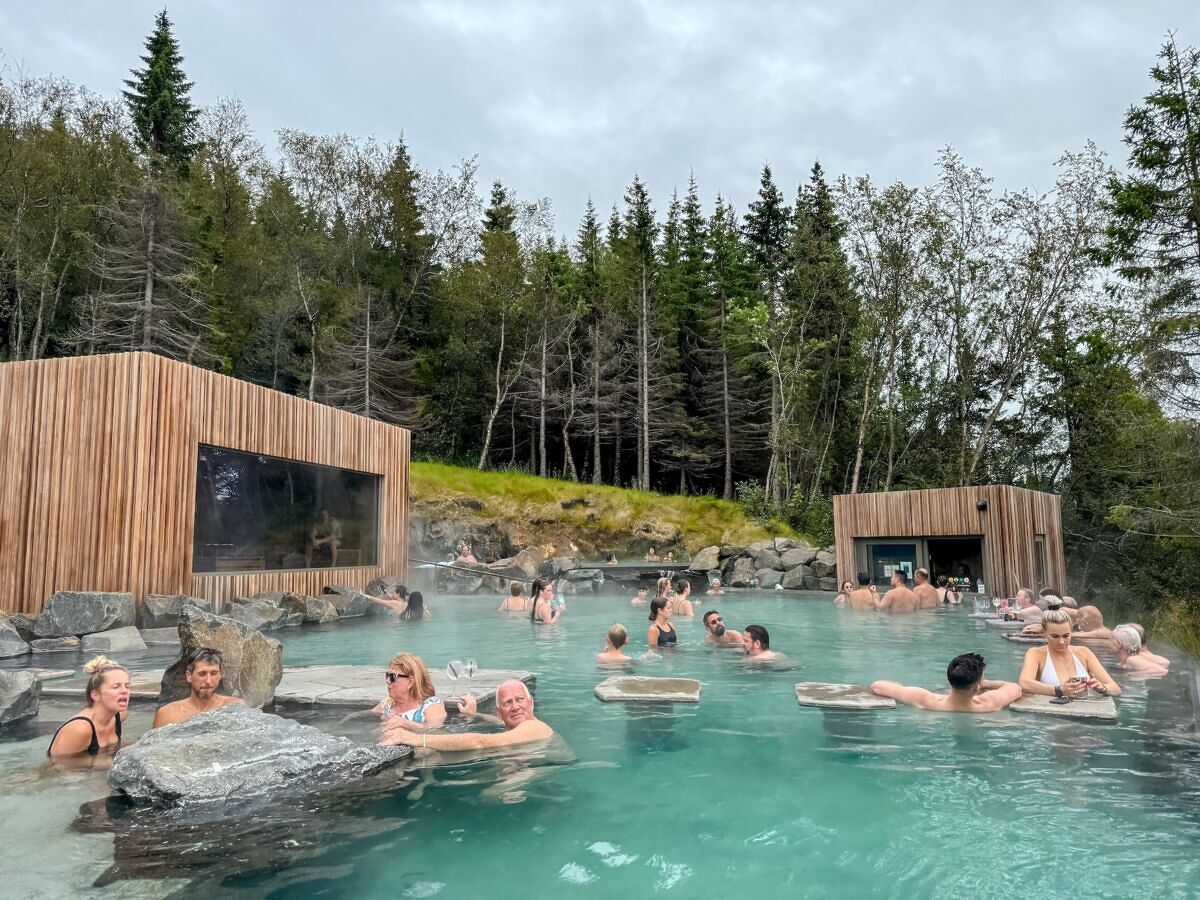
Once I navigated the initial hurdle of the showers, the experience of the geothermal pools themselves was transformative. For three nights, we soaked in the warm, mineral-rich water under the shadow of snowy mountains.
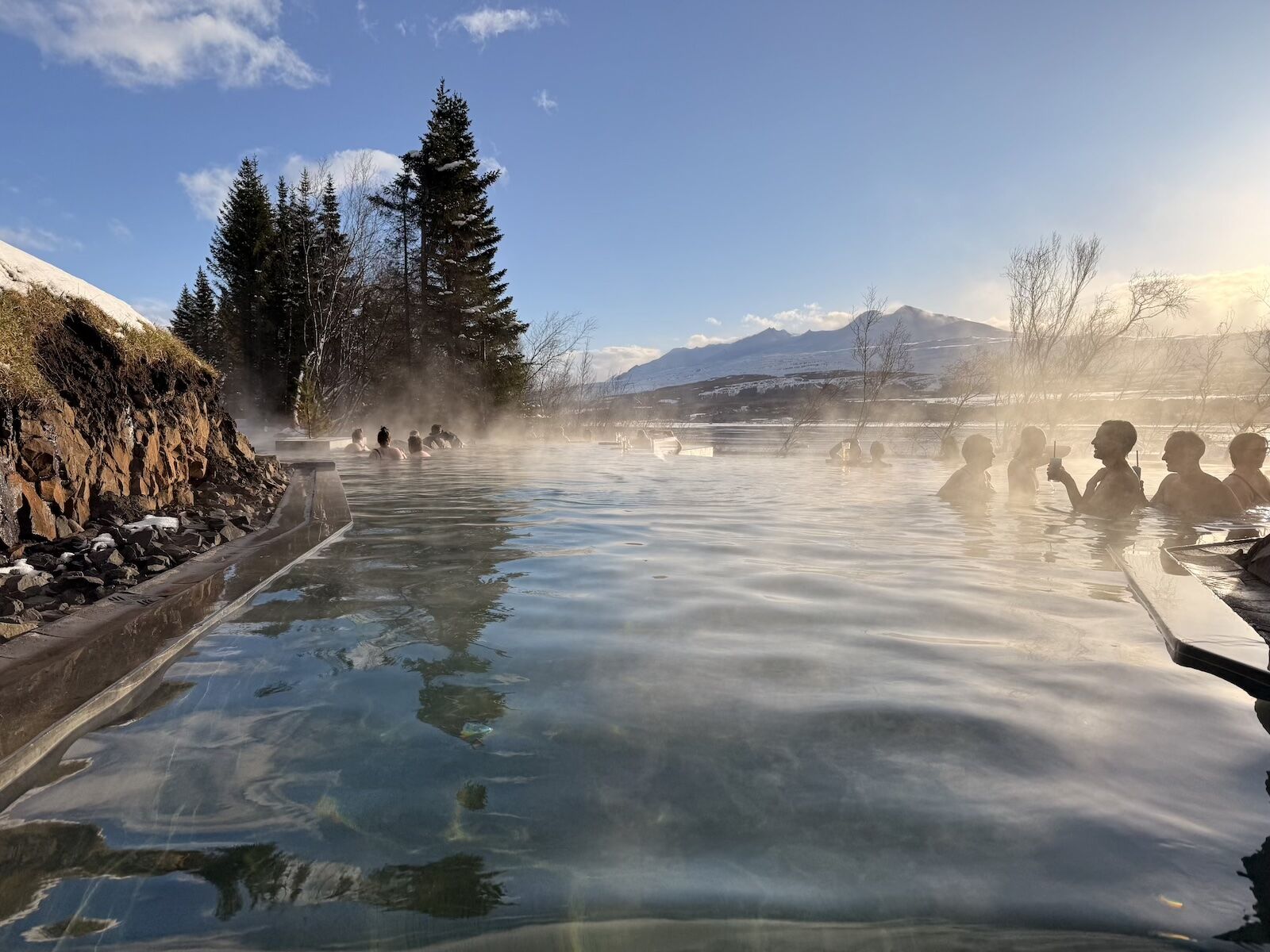
I took the opportunity to observe the locals. I spoke with grandmothers and young mothers who treated these pools like a town square. In a climate as brutally cold as Iceland’s, these heated pools serve as the essential social hubs where neighbors catch up on the day’s events. I watched as mothers wrangled children into pajamas, the warmth of the water serving as a natural sedative—a ritual that, frankly, every parent should envy.
The Implications: Why We Should Stop Worrying
The question I set out to answer—should you shave before going to Iceland?—now feels irrelevant. The reality is that no one is looking. In the steam and the rush of the geothermal experience, your body is just a body.
By the end of the trip, the professional barrier between myself and my colleagues had dissolved, replaced by a unique, unspoken bond that only comes from shared, vulnerable experiences. I found that I no longer cared about being naked in front of others. I had moved past the shame of my "cheetah print" and the insecurity of my upbringing.
The implication is clear: we are holding onto standards that do not serve us. The Icelandic model proves that when we remove the veil of secrecy and shame surrounding our bodies, we gain something far more valuable: a sense of belonging.
Whether you trim, wax, shave, or let it grow, the geothermal pools of Iceland offer an invitation to exist exactly as you are. It is a lesson in liberation that stays with you long after the steam has cleared. You don’t need to change your body to be worthy of the water; you simply need to step in.
 Siti Muinah
  Nana
Nana  Lina Hope