
 By Suro Senen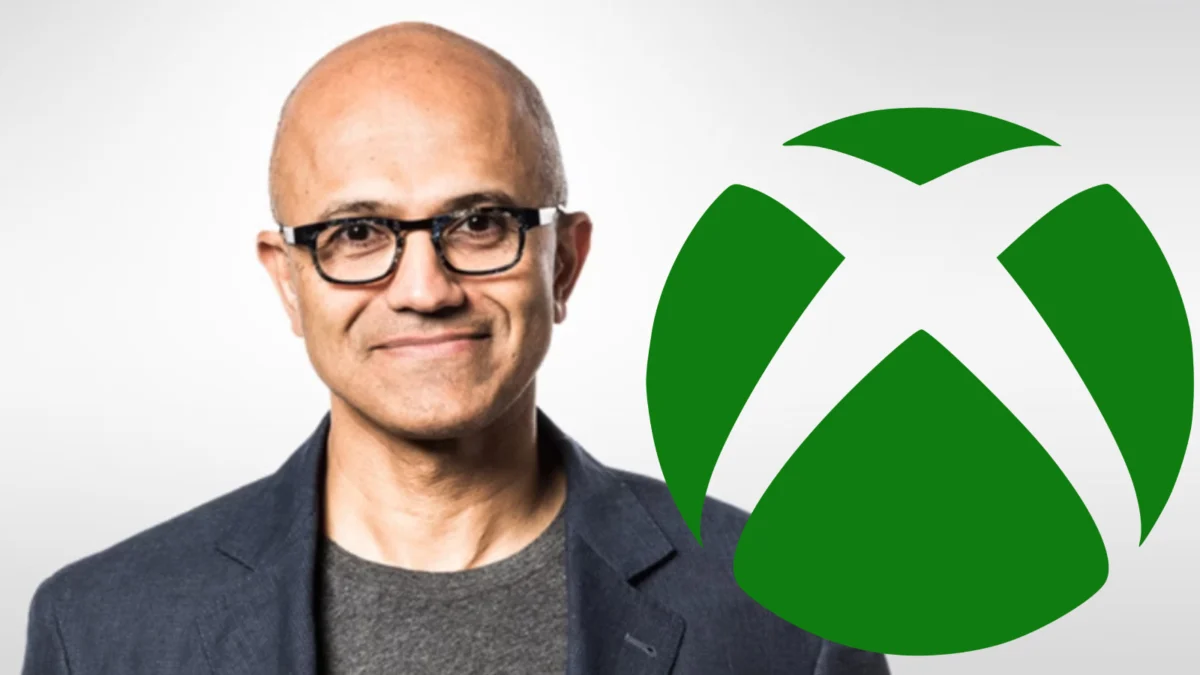
Introduction: A Tale of Two Realities
In the high-stakes world of interactive entertainment, Microsoft finds itself navigating a profound paradox. On one side, the corporate leadership at Redmond is projecting an image of unbridled optimism regarding the future of the Xbox brand. On the other, the rank-and-file employees of the division are experiencing one of the most turbulent periods in the company’s gaming history.
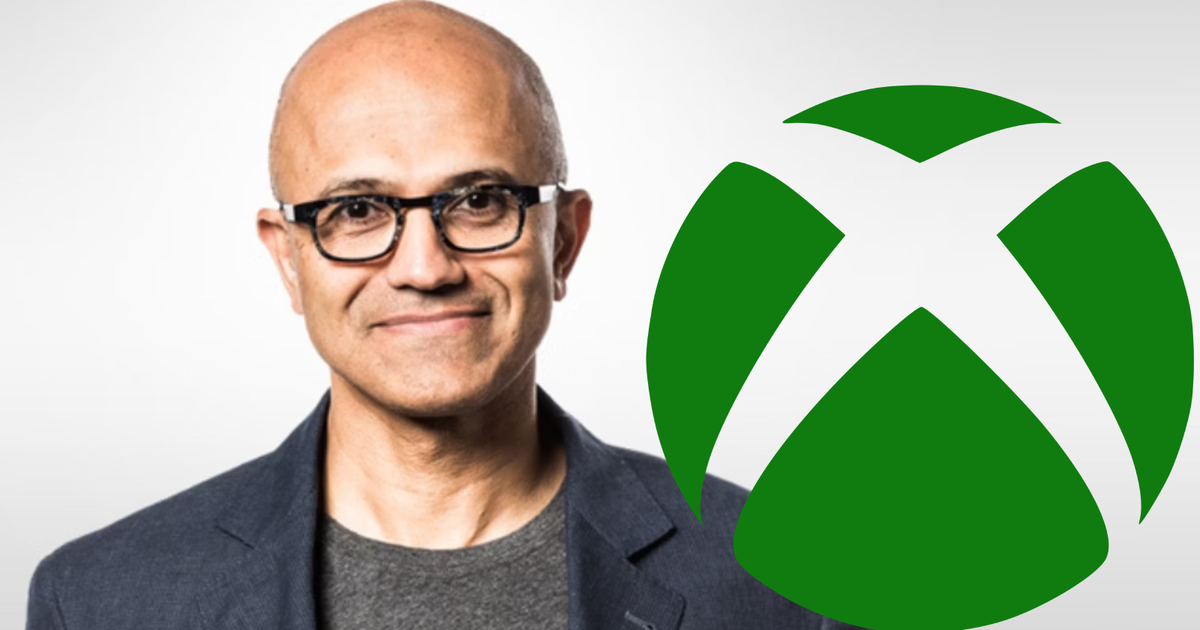
Microsoft CEO Satya Nadella recently offered a public endorsement of the "streamlining" efforts currently being helmed by Xbox CEO Asha Sharma. Speaking on the Sources podcast with host Alex Heath, Nadella articulated a vision of a leaner, more focused Xbox, even as the division continues to shed thousands of jobs and undergo radical organizational surgery. This article examines the strategic shift occurring within the gaming giant, the human cost of these decisions, and what the future holds for the Xbox ecosystem.
Main Facts: The "Fantastic" Outlook
During his appearance on the Sources podcast, Satya Nadella was asked to comment on the current health of the Xbox brand. His response was notably bullish, focusing on the intrinsic value of Microsoft’s intellectual property (IP).
"I feel fantastic about the IP we have right now," Nadella stated. "If I look at the studios, the IP portfolio we have, and our ability to take that and produce great games going forward—I feel fantastic."
Nadella explicitly tied this positive outlook to the leadership of Asha Sharma, who has been tasked with overseeing the division’s transition. He acknowledged that the team is undergoing a process of "streamlining," a corporate euphemism that has, in practice, manifested as mass layoffs and studio restructuring. According to Nadella, this painful process is a necessary evolution to build a "sustainable business model" that allows Microsoft to act as both a premier publisher and a robust platform provider for PC and console gamers alike.
Chronology: The Road to Restructuring
To understand the current state of Xbox, one must look at the timeline of the last twelve months, which has been defined by rapid expansion followed by aggressive consolidation.
1. The Activision Blizzard Integration
Following the multi-year, $68.7 billion acquisition of Activision Blizzard, Microsoft ballooned in size. The company suddenly became one of the largest gaming entities on the planet, inheriting massive franchises like Call of Duty, Diablo, and World of Warcraft.
2. The Initial Wave (January 2024)
The immediate aftermath of the acquisition saw the first major wave of layoffs. Roughly 1,900 employees were let go across the gaming division, signaling the end of the "growth at any cost" era.
3. The "Significant" Overhaul (July 2024)
In July, Xbox CEO Asha Sharma announced the most extensive restructuring in the division’s history. The plan involved a staggering 3,200 job cuts. As part of this, the company began spinning off various studios—such as Double Fine and Compulsion Games—allowing them to return to independent status.
4. The Recent Turbulence (Late 2024)
Most recently, reports have confirmed further rounds of layoffs. Notable impacts include the effective closure of the British studio Ninja Theory, the shifting of Obsidian under the direct control of Bethesda, and the merger of Turn 10 and Playground Games. The restructuring has reached into the furthest corners of the organization, with units like World’s Edge (Age of Empires) and the Halo team also facing structural changes.
Supporting Data: The Scale of the Impact
The numbers behind the current Xbox restructuring are significant. By letting go of 3,200 employees in the July announcement alone, Microsoft has effectively pruned a substantial percentage of its total gaming workforce.
The organizational map of Xbox has been rewritten. For instance:
- Bethesda/ZeniMax: Now acting as a central hub for studios like Obsidian.
- Activision Integration: Rare, World’s Edge, and the Halo team have been moved under the broader Activision/Xbox umbrella to centralize resources.
- Independence: Undead Labs, previously a cornerstone of Xbox’s internal studio network, has faced significant downsizing while moving toward a more independent operational model.
This is not merely a reduction in force; it is a fundamental shift in how Microsoft manages its "first-party" output. By shedding smaller, experimental teams and consolidating larger, established ones, Microsoft is attempting to minimize the overhead costs that have plagued the gaming industry since the post-pandemic market correction.
Official Responses and Strategic Rationale
Satya Nadella’s comments provide the clearest window into the "why" behind these moves. For Microsoft, the goal is not to shrink the business, but to optimize it for long-term fiscal performance.
"Asha and the team have said that Xbox is going to get back to growth this next fiscal year," Nadella noted. This target—returning to growth—is the primary driver for the current management style. The company is moving away from the strategy of maintaining a bloated portfolio of studios, many of which were acquired during a period of low-interest rates and high capital availability.
The rationale is clear:
- Efficiency: Reducing redundant administrative layers across different studios.
- Focus: Concentrating on "blockbuster" IP that has a higher likelihood of sustaining long-term engagement.
- Platform Synergy: Leveraging PC and Xbox as a unified ecosystem to reach more players, rather than focusing solely on hardware unit sales.
Implications: What This Means for the Future
The current trajectory of Xbox carries profound implications for the gaming industry.
For the Gaming Community
Gamers can likely expect a more focused output. While the variety of titles might decrease, the production value and focus on core franchises (like Halo, Call of Duty, and Forza) are likely to be prioritized. The move toward independence for some studios suggests that Microsoft wants to fund games without the burden of maintaining massive, fixed-cost infrastructure for niche projects.
For the Industry
Microsoft’s move is being watched closely by competitors like Sony and Nintendo. If Microsoft can successfully "streamline" its way back to consistent profit, it may set a new standard for how large publishers operate. However, if the culture at these studios becomes too thin or if the creative talent departs due to the climate of instability, the long-term impact on the quality of their games remains a significant risk.
For the Employees
The "human cost" remains the most contentious part of this story. While Nadella speaks of "fantastic" progress, the employees currently dealing with the threat of layoffs view the situation through a lens of anxiety and uncertainty. The loss of veteran talent at studios like Ninja Theory and Undead Labs represents a "brain drain" that cannot be easily calculated in a spreadsheet.
Conclusion
Satya Nadella’s endorsement of the current Xbox strategy is a signal to investors that the "reset" is working according to plan. The message is one of disciplined, profitable growth. Yet, as the company moves into the next fiscal year, the true test will be whether this leaner, more centralized Xbox can continue to deliver the "great games" that Nadella promises, or if the process of streamlining has fundamentally altered the creative soul of the brand.
For now, the industry watches with bated breath as Microsoft navigates this massive transition—balancing the cold mathematics of the bottom line against the volatile, creative nature of the video game business. One thing is certain: the Xbox of 2025 will look very different from the Xbox of 2020. Whether that difference translates into a more successful platform or a diminished creative force is a question that only time, and the upcoming game releases, will answer.
 Basiran
  Evan Lee Salim
  Nila Kartika Wati