
 By Nana
In the modern digital economy, direct-to-consumer (D2C) brands and ecommerce founders are constantly locked in an expensive arms race. Paid acquisition costs on Meta, Google, and TikTok continue to climb year-over-year, while consumer trust in traditional advertising hits historic lows. Yet, hidden right beneath the surface of almost every business lies a dormant asset capable of generating higher-converting, lower-cost acquisition than any ad network ever could: an existing email list filled with brand advocates.
Somewhere in your subscriber base right now, there is a customer who genuinely loves what you sell. They have purchased multiple times, left glowing reviews, and would happily recommend your brand to a friend or colleague. More importantly, their personal network looks remarkably like your ideal buyer persona.
And yet, most founders have never formally asked them to make that introduction.
Main Facts: The Anatomy of Neglected Word-of-Mouth
For the vast majority of emerging companies, a referral program exists in the same philosophical category as a dusty gym membership: it technically exists, a link can be found buried somewhere in the website footer, but nobody has actively engaged with it in months.
This oversight represents a massive missed opportunity. The mathematics behind referral marketing are practically peerless. When a trusted friend says, "You’d love this product," the traditional sales funnel collapses entirely. The vetting process is complete, skepticism is disarmed, and the purchase intent is immediate. No targeting algorithm can replicate that level of inherent trust.
However, industry data reveals that standard referral programs frequently fall flat. The root cause? They are built as static website pages rather than dynamic, automated marketing programs. Transforming word-of-mouth into a predictable growth engine requires strategic infrastructure, precise timing, and psychological alignment.
Chronology: The Evolution of Customer Advocacy
To understand why modern referral engines succeed where static programs fail, it helps to examine how word-of-mouth marketing has evolved over the past decade:
- Phase 1: The Era of Organic Luck (Pre-2015). Brands relied entirely on serendipity. If a product was exceptional, customers would occasionally talk about it offline or mention it on early social media channels without structured incentives.
- Phase 2: The Static Landing Page (2015–2020). E-commerce platforms introduced basic referral extensions. Brands created a single "Refer-a-Friend" page on their websites, pasted a generic link in the footer, and waited for passive traffic that rarely materialized.
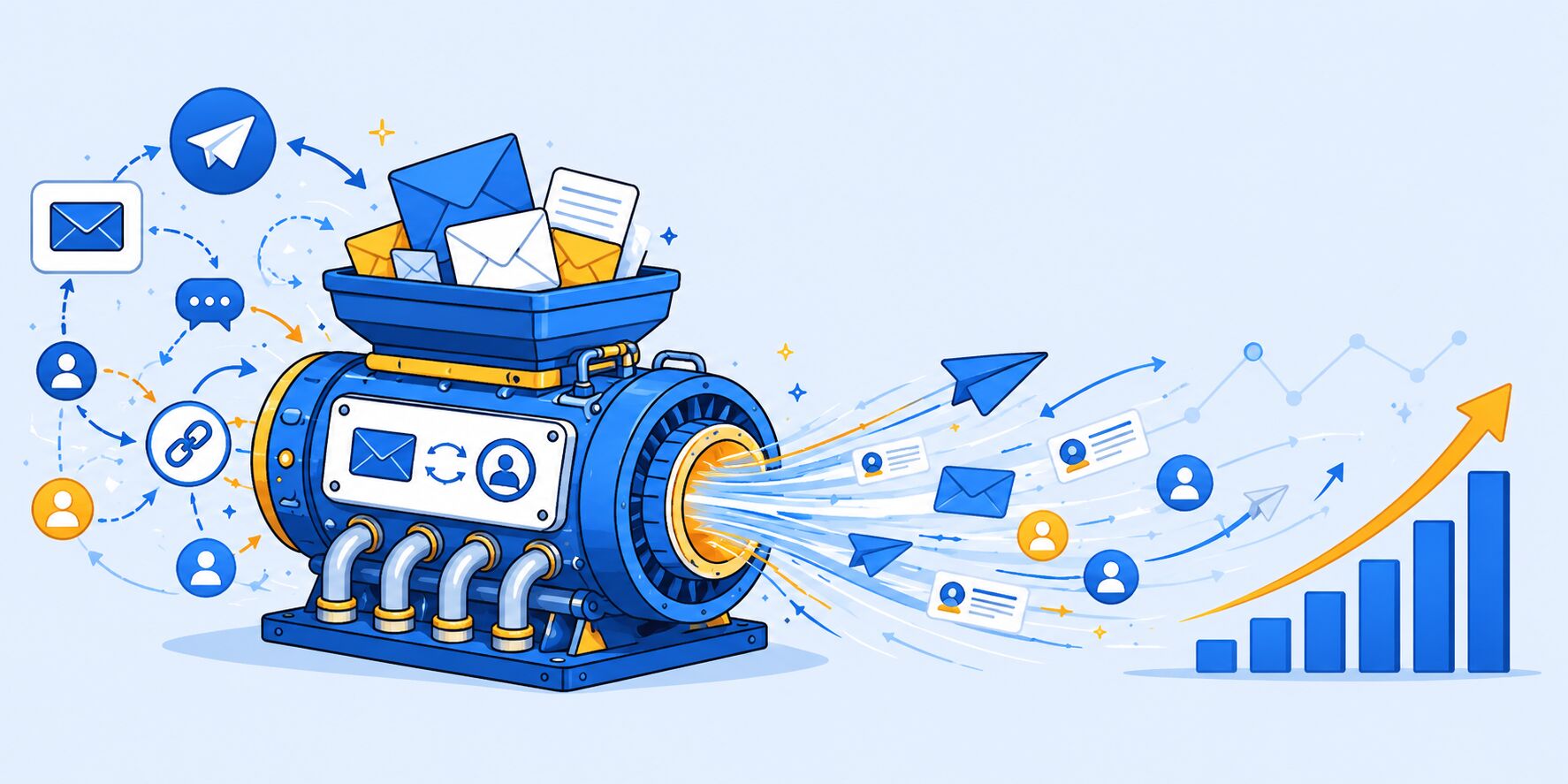
- Phase 3: The Automated Referral Engine (Present Day). Forward-thinking brands now treat referrals as an active, automated email and SMS marketing discipline. By leveraging sophisticated CRM tools—such as platforms like Omnisend integrated with loyalty plugins like Smile and Yotpo—companies trigger referral requests based on real-time customer behavior, turning word-of-mouth into a scalable science.
Supporting Data: Why Referrals Outperform Paid Channels
The efficacy of referral marketing is backed by consumer psychology and conversion data:
- Trust-Driven Conversion: Consumers are significantly more likely to purchase products recommended by friends than those encountered via banner ads or sponsored social posts. Peer recommendations carry inherent social proof that paid media cannot buy.
- Superior Customer Lifetime Value (LTV): Referred customers typically exhibit higher retention rates and greater lifetime value compared to users acquired through paid search or social media. Because they enter the ecosystem via a trusted contact, they are pre-qualified and deeply aligned with the brand’s value proposition.
- The 2% Rule vs. The Satisfied Majority: While superfans—who make up roughly 2% of an average email list—will share a brand regardless of friction, the quietly satisfied majority will only participate if the process is completely effortless. Removing friction unlocks the hidden volume within this broader audience segment.
Strategic Implementation: How to Build Your Referral Engine
Building an engine that compounds over time requires adhering to several foundational rules:
1. Ask at the Moment of Delight
Timing is everything. A referral request buried inside a generic weekly newsletter is easily ignored. Conversely, the exact same message sent immediately after a customer experiences a high-point of brand satisfaction yields completely different results.
Key triggers to monitor include:
- Completing a second or third repeat purchase.
- Submitting a glowing four- or five-star review.
- Replying warmly to a customer success or brand email.
- Successfully resolving a support ticket.
Because manually tracking these milestones across thousands of buyers is impossible, marketing automation platforms step in to automate the workflow. A repeat purchase triggers a polite referral invitation a few days post-delivery; a positive review automatically triggers a thank-you note containing a shareable link.
2. Double-Sided Incentives or Nothing
One-sided referral rewards rarely succeed. If only the referrer receives a cash payout or credit, the transaction feels transactional and transactional friendships feel grubby. If only the new buyer receives a discount, the existing customer has no financial or motivational incentive to take action.
Double-sided incentives—such as a classic "Give $10, Get $10" model—solve this dilemma. The referrer provides genuine value to their friend while receiving a reward in return, aligning the incentives of all three parties: the sender, the recipient, and the brand.
3. Eliminate Friction Completely
Referral programs typically leak in two critical areas: when a customer has to think about what to write, and when they have to figure out how to share it.
- Provide every customer with a unique, automatically tracked tracking link.
- Pre-write a short, human-centric message that can be sent instantly via SMS, WhatsApp, or email.
- Ensure the entire sharing process takes less than fifteen seconds.
4. Target the Right Audience
Blasting a referral campaign to an entire email list—including dormant subscribers who haven’t opened an email in eight months—teaches your broader audience to ignore your messaging. Instead, build targeted segments consisting of repeat buyers, active reviewers, and engaged subscribers. Treat this core group with personalized care, as they are the only segment statistically likely to act on the ask.
Official Industry Perspectives and Tools
Industry experts emphasize that word-of-mouth is already happening around most successful brands, whether structured incentives exist or not. The true challenge for founders is building the infrastructure necessary to capture, amplify, and reward that goodwill.
Modern marketing infrastructure providers have streamlined this process significantly. Platforms like Omnisend enable brands to isolate high-value customer segments through advanced segmentation while integrating seamlessly with loyalty and referral software. Furthermore, migration specialists note that transitioning between email service providers has become frictionless, with dedicated support teams often migrating entire workflows, lists, and templates within days.
Implications for E-commerce Founders
As customer acquisition costs across traditional digital ad networks face increasing pressure, relying solely on paid traffic is no longer a sustainable long-term growth strategy for D2C brands.
The shift toward owned media channels—specifically automated, email-driven referral engines—represents a vital evolution in digital marketing. Brands that successfully operationalize their existing customer base into a network of advocates will not only lower their blended acquisition costs but also build resilient, community-driven businesses capable of weathering broader economic and digital advertising shifts.
By treating referrals as a systematic, automated marketing pillar rather than an afterthought, founders can unlock sustainable, compounding growth fueled entirely by the people who already love their products best.
 Nila Kartika Wati
  Lina Hope
  Neng Nana