
 By Dwi Wanna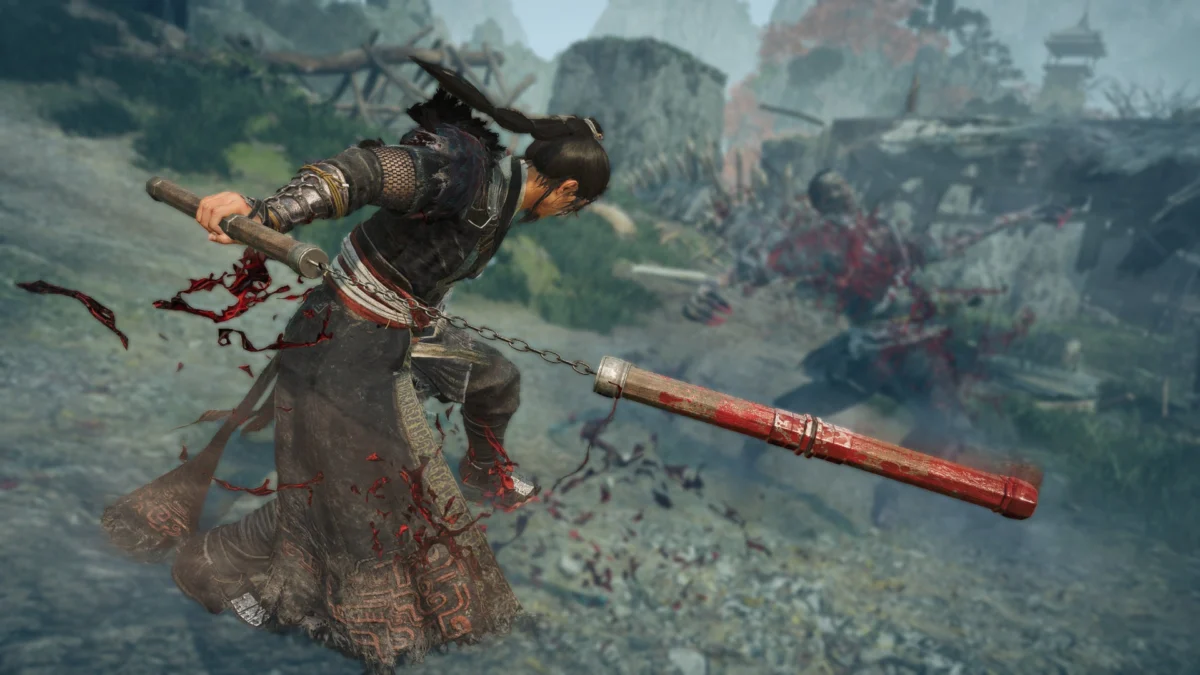
The original Wo Long: Fallen Dynasty arrived in 2023 as an "overlooked gem"—a title that resonated deeply with the hardcore action-RPG community, yet arguably struggled to step out from the long, imposing shadow of Team Ninja’s previous juggernauts, Nioh and Nioh 2. While its core gimmick—a rhythmic, deflection-heavy combat system—was lauded by purists for its high-stakes intensity, it also faced criticism for potential repetition.
However, after spending an extensive five hours with the upcoming sequel, Wo Long 2: Wings of Ember, it is clear that Team Ninja has moved beyond mere iteration. The sequel is a bold, refined, and significantly more ambitious project that feels less like a spin-off and more like a definitive evolution of the studio’s design philosophy. With a scheduled release that has already positioned it as a frontrunner for the most anticipated game of 2027, Wings of Ember is poised to redefine the "Soulslike" landscape.
The Evolution of Combat: A Convergence of Ninja Gaiden and Chinese Martial Arts
To understand why Wo Long 2 feels so radically different from its predecessor, one must look at the studio’s internal development history. The development of Wings of Ember coincided with the production of Ninja Gaiden 4, and the cross-pollination is undeniable.
In the original Wo Long, the combat felt tethered to the ground, reflecting the grounded, bushido-obsessed nature of the Nioh series. Wings of Ember, conversely, embraces the fluid, high-velocity movement synonymous with the Ninja Gaiden franchise. This is not merely a visual shift; it is a mechanical one. The introduction of verticality is the game’s defining feature, forcing players to incorporate aerial combat as a fundamental requirement rather than an optional tactical flourish.
The "Simon Says" Combat Loop
The difficulty curve in Wings of Ember is noticeably steeper than its predecessor. Team Ninja has clearly listened to feedback; while the core deflection mechanic remains, it is no longer the "magic bullet" that can solve every encounter. Trash mobs now possess complex, multi-stage special moves that force players to cycle through dodging, countering, and deflecting in rapid succession.
Managing these inputs requires a level of dexterity that borders on the frantic—a rhythmic "unholy medley of Guitar Hero and Simon Says." Players must master the art of the "Critical Parry." By holding the guard trigger (R1/RB) and timing the deflection input, players can execute a high-risk, high-reward parry that shatters enemy stamina. This system acts as a more utilitarian evolution of Nioh 2’s "Burst Counter," rewarding those who have internalized the cadence of their opponents with visceral, cinematic finishers.
Chronology of Development: Stepping Out of the Shadow
The trajectory of the Wo Long series serves as a case study in studio confidence.
- 2023: Wo Long: Fallen Dynasty is released. It establishes the "Morale" system—a brilliant, innovative mechanic that rewards exploration and completionism—and proves that Team Ninja can pivot from the stance-heavy combat of Nioh to something more focused on deflection and forward momentum.
- 2024–2025: Team Ninja shifts focus to the simultaneous development of Ninja Gaiden 4 and Wo Long 2. During this period, the internal studios begin sharing assets and physics engines, specifically focusing on movement fluidity.
- 2026 (June): The official reveal trailer at the Xbox Games Showcase confirms the title Wo Long 2: Wings of Ember, teasing a faster, more vertical combat experience.
- 2027 (Projected): Wings of Ember is set to launch, aiming to synthesize the best elements of Nioh, Ninja Gaiden, and the original Wo Long.
Level Design and Exploration: The "Nioh 3" Philosophy
One of the most frequent complaints regarding the first Wo Long was its relatively linear approach to level design compared to the sprawling, semi-open maps of the Nioh series. Wings of Ember addresses this by adopting a more expansive, vertical world structure that feels closer to the scale of an unofficial Nioh 3.
The maps are designed to encourage exploration through the strategic placement of flags. Capturing these flags, which are often guarded by challenging enemy clusters or hidden behind light platforming puzzles, is essential for maintaining the Morale needed to survive. The sense of "high gravity"—a pervasive feeling in the original game that made movement feel sluggish—has been entirely replaced by a sense of weightless agility. Climbing, leaping, and navigating these environments feels purposeful and satisfying, proving that Team Ninja has finally mastered the balance between tight corridor combat and open-world exploration.
The Fighting Game Influence: Weapons as Archetypes
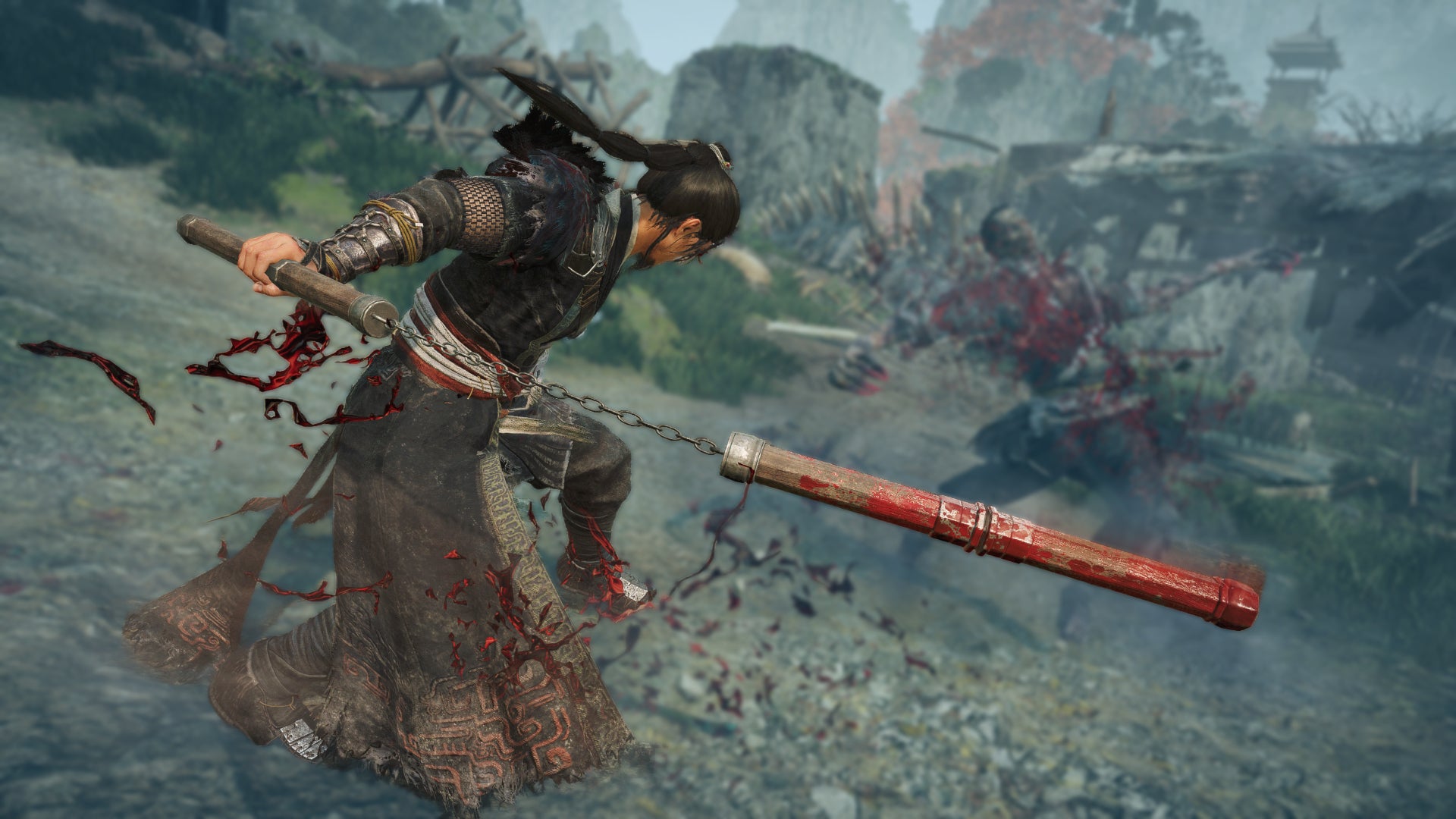
Perhaps the most surprising influence on Wo Long 2 is the Dead or Alive series. Team Ninja has treated each of the six weapon classes—straight sabres, spears, staves, glaives, hammers, and jointed flails—with the same care and distinctiveness one would expect from a roster in a dedicated fighting game.

Each weapon feels like a distinct character archetype. When a player switches from a hammer to a jointed flail, the entire movement profile shifts. By layering "Martial Art" skills on top of these base movesets, the player is given unprecedented control over their playstyle. While some purists may miss the extensive stance-switching mechanics of Nioh, the sheer depth of the combat in Wings of Ember suggests that the studio is prioritizing "forward momentum" over defensive complexity. You aren’t just picking holes in an enemy’s defense; you are dismantling them with a balletic, high-speed assault that turns every encounter into a performance.
Implications for the Genre
The success of Wo Long 2 has significant implications for the action-RPG genre. First, it cements Team Ninja as the undisputed masters of high-speed melee combat. Second, it proves that the "Soulslike" formula can evolve by incorporating elements from disparate genres—specifically the fast-twitch requirements of character-action games and the tactical depth of fighting games.
For those eager to test their mettle, Team Ninja has taken the rare step of releasing a robust, playable demo across Steam, PlayStation, and Xbox. This move signals a high level of confidence in the product. The developers are not afraid to show their hand; they know that once a player masters the new deflection windows and experiences the fluidity of the new combat engine, they will be hooked.
Final Thoughts: A New Standard
Wo Long: Fallen Dynasty was a classic in its own right, but Wings of Ember is something more. By shedding the remaining "tendrils of influence" from Nioh and leaning fully into its own identity, Team Ninja has crafted a title that feels emboldened and energized.
The game is a masterclass in rhythm, reflex, and level design. Whether you are a veteran of the Nioh series or a newcomer drawn in by the promise of intense martial arts combat, Wo Long 2 promises to be a defining moment in the gaming calendar. It is a rare sequel that manages to be better in every conceivable way, taking the obscured gems of its predecessor and placing them front and center. With Wings of Ember, Team Ninja isn’t just following a trend; they are setting one.
 Nila Kartika Wati
  Suro Senen
  rifanmuazin