
 By Sagoh
By Culinary and Consumer Trends Desk
When convenience calls, the supermarket freezer aisle is often the first line of defense for busy households, college students, and late-night snackers. A great frozen pizza should offer an effortless, comforting balance of robust sauce, melty cheese, flavorful toppings, and a crisp crust—all for a fraction of the cost and wait time of delivery. However, navigating the frozen food section has increasingly become a gamble.
From shrinking portion sizes and imitation cheeses to bland, ketchup-like sauces and cardboard crusts, many once-beloved freezer staples have fallen out of favor with shoppers. By scouring online reviews, consumer watchdogs, and community forums like Reddit and TikTok, we’ve identified eight frozen pizzas that consumers say simply aren’t worth your hard-earned money.
Main Facts: What Makes a Frozen Pizza Fail?
Before diving into the specific culprits, it is important to understand what turns a promising weekend treat into a culinary disappointment. According to consumer feedback across the web, frozen pizzas generally fail due to a few systemic manufacturing pitfalls:
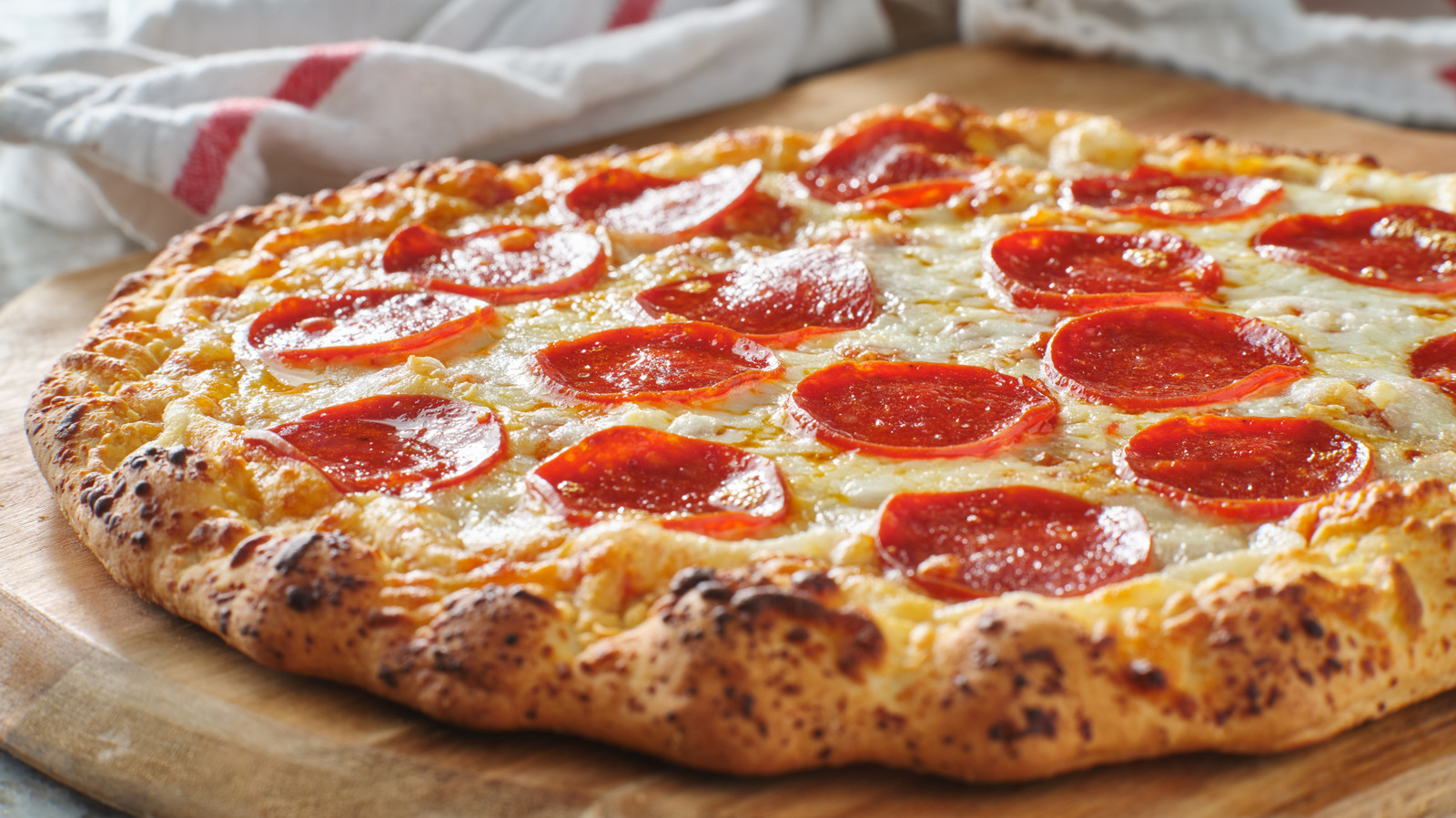
- Subpar Ingredients: The substitution of real mozzarella for cheap imitation cheese that burns rather than melts, or the use of flavorless, highly acidic tomato paste masquerading as pizza sauce.
- Crust Inconsistencies: Crusts that refuse to crisp up properly, resulting in textures that range from a soggy, wet cracker to a dense, chewy block of industrial bread.
- Shrinkflation: Paying the same price—or more—for noticeably smaller pies with severely reduced topping coverage.
- Decline Over Time: Classic brands that rely on nostalgia to sell products whose actual formulations have degraded over the years.
Armed with these criteria, let’s examine the eight specific frozen pizzas that customers advise leaving on the grocery store shelf.
Chronology of a Disappointment: How Frozen Pizza Lost Its Way
The frozen pizza industry has a rich history dating back to the mid-20th century, evolving from a regional novelty into a multi-billion-dollar grocery category.
- The 1960s–1980s: Brands like Ellio’s and Totino’s established themselves as after-school staples, beloved by children for their convenience and novelty shapes.
- The 1990s: The introduction of "rising crust" technology by brands like DiGiorno changed consumer expectations, famously promising a delivery-style experience straight from a home oven.
- The 2000s–2010s: Private-label supermarket brands (such as Walmart’s Great Value and Aldi’s Mama Cozzi’s) entered the ring, offering budget-conscious alternatives to national names.
- The Present Day: In recent years, post-pandemic inflation and supply-chain adjustments have triggered widespread "shrinkflation" and recipe cost-cutting. Consumer forums have exploded with grievances as long-standing buyers realize that the nostalgic favorites of their youth no longer match their modern culinary standards.
Supporting Data & Consumer Feedback: The 8 Worst-Rated Frozen Pizzas
1. Totino’s Party Pizza
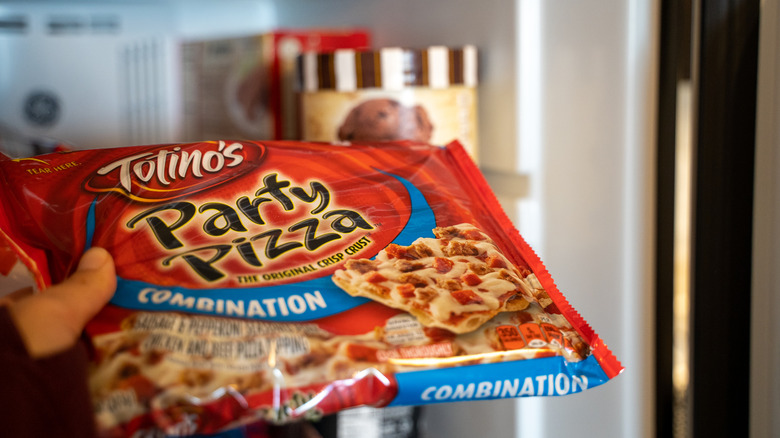
Totino’s Pizza Rolls remain a cherished comfort food for generations of consumers, but the brand’s Pepperoni Party Pizza has failed to maintain that same goodwill. Retailing for around $2, it is one of the cheapest options in the freezer aisle, but customers argue that no price makes it worth buying.
The primary grievance is the ingredient list: Totino’s relies on imitation mozzarella instead of real cheese, leading to a product where the cheese tends to burn rather than melt. Combined with a dry, cardboard-like crust, the overall experience has earned the product scathing reviews. One long-time fan on Reddit famously dubbed them "depression squares," adding, "Let’s be real, Totino’s, it’s not a party and it’s barely pizza."
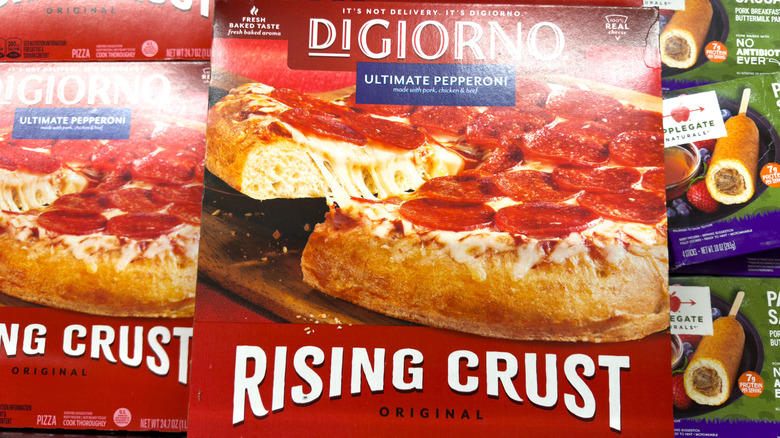
2. DiGiorno’s Rising Crust Pizza
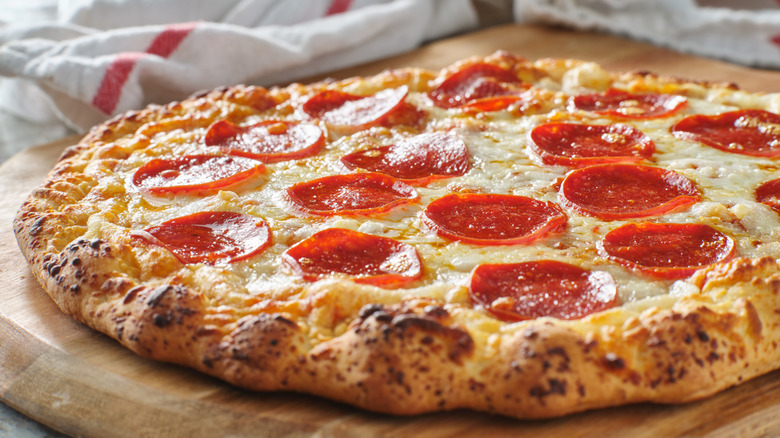
DiGiorno famously revolutionized the grocery landscape with its iconic slogan, "It’s not delivery. It’s DiGiorno." However, frustrated shoppers note that the brand’s quality has severely declined over time, with the signature Rising Crust line taking the heaviest hit.
Consumers point to a sharp drop in quality control: the cheese layer has grown thinner, the crust is noticeably drier, and the sauce lacks the robust flavor it once possessed. Furthermore, the pizzas have physically shrunk. One viral Reddit post highlighted the issue: "This is the smallest ‘full size’ pizza I’ve seen in my entire life… The so-called stuffed crust is 70% air with a thin strip of cheese and they have the nerve to charge $9 for this."
3. California Pizza Kitchen Margherita Thin Crust
When a premium name like California Pizza Kitchen (CPK) hits grocery freezers, shoppers expect restaurant-quality flavors. Unfortunately, the Margherita Thin Crust Pizza frequently misses the mark, primarily due to a glaring omission: fresh basil.
Reviewers on retail sites like Walmart and social media platforms have voiced extreme frustration over this missing foundational ingredient. One user remarked, "It has a little blob of sauce and ZERO basil on it. Those 2 ingredients MAKE the dang pizza." Another chimed in, "So I’m just out here eating a glorified cheese pizza with tomatoes on it." Coupled with a sparse distribution of toppings—often leaving large swaths of bare crust visible—this nearly $8 pie is a tough sell.
4. Stouffer’s Pepperoni French Bread Pizza
Stouffer’s offers a nostalgic twist on standard round pies by serving its pizza atop two thick, open-faced loaves of French bread. While the format is appealing, the execution falls flat for many consumers.
The core issue lies within the bread itself, which tends to develop a tough, unappealingly chewy consistency upon baking. Food reviewers have frequently ranked it near the bottom of frozen pizza lineups because it cooks unevenly—leaving some portions soggy while others become rock-hard. Additionally, critics claim the sauce tastes overwhelmingly like generic ketchup, leading to an off-putting texture and flavor profile.
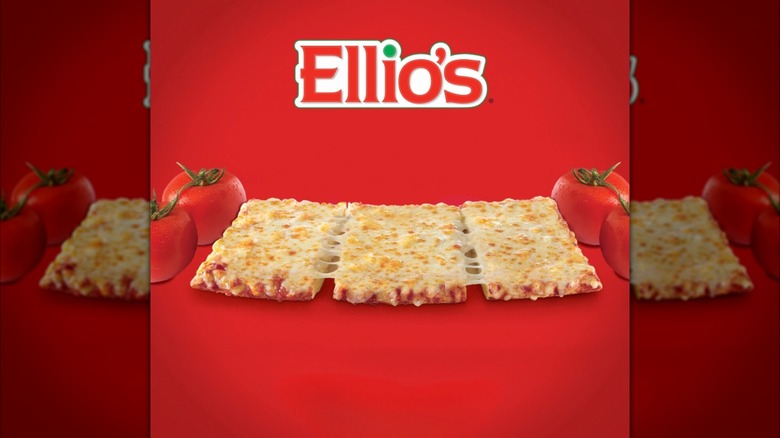
5. Ellio’s Pizza
A staple of 1960s school lunch trays and 1990s after-school snacks, rectangular Ellio’s Pizza holds a nostalgic place in many hearts. However, modern taste tests have not been kind to the brand.
In a widely circulated TikTok review, a food creator bluntly stated: "In this economy, this tastes like pizza-flavored cardboard… This is actually awful." The reviewer compared the sauce to Chef Boyardee and the crust to a sponge. Even prominent reviewers like Barstool Sports’ Dave Portnoy have given the product scathing reviews, rating it a dismal 3.1 out of 10. At around $4 a box, consumers agree it is best left in the past.
6. Jack’s Original Thin Crust Pizza
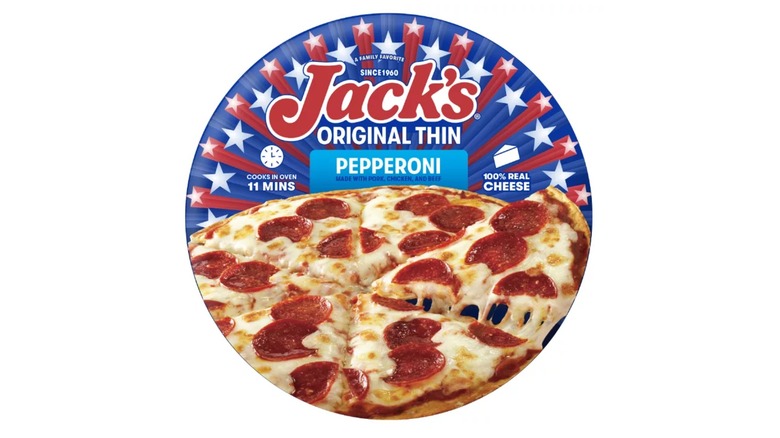
Jack’s has long been a budget-friendly staple, particularly in the Midwest, but modern shoppers are increasingly unimpressed. Complaints range from structural failures to complete flavor voids.
One reviewer on the brand’s official feedback portal noted, "The crust is as flat as a piece of paper, yet it fails to get crispy… The cheese is so flavorless that the cows they received milk from should be fired." Other consumers describe the crust as resembling a "wet Ritz cracker" that either burns to a crisp or leaves the cheese completely unmelted due to uneven baking dynamics. While easy to doctor up with home ingredients, shoppers looking for a satisfying standalone meal are advised to look elsewhere.
7. Great Value Rising Crust Pizza
Walmart’s private-label brand, Great Value, is widely praised for offering affordable, high-value grocery staples. However, their Rising Crust Pizza line has proven to be a rare misstep for the retail giant.
Retailing at roughly $4.97, the pizza looks promising straight out of the oven, boasting an attractive rise and generous topping coverage. Unfortunately, the taste fails to match the presentation. Shoppers on Reddit have described the flavor profile as flat and bitter, noting that the sauce lacks proper seasoning. As one user summarized: "Pretty bland and tasteless to be honest and too much crust for my liking. Much rather have a Red Baron or Tombstone for the same price."
8. Mama Cozzi’s Cheese Stuffed-Crust Three-Meat Pizza
Mama Cozzi’s Pizza Kitchen is Aldi’s dedicated private-label brand for Italian foods. While Aldi features several stellar frozen pizza offerings (including their popular thin-crust and standard rising crust options), the Cheese Stuffed-Crust Three-Meat Pizza is widely considered a disappointment.
Online reviewers note that the pie is exceedingly bland across every component—crust, sauce, and meat toppings alike. Shoppers are particularly let down by the stuffed crust, with multiple users reporting that the pastry is virtually empty inside, delivering the experience of eating a plain loaf of bread rather than ooey-gooey melted cheese. At over $7, consumers can find far superior options within Aldi’s own freezer aisles.
Official Responses and Industry Context
As consumer criticism grows across digital platforms, food manufacturers face mounting pressure to address quality concerns. Representatives for major conglomerates point to rising raw material costs, supply chain adaptations, and fluctuating dairy prices as factors influencing recipe adjustments over the past decade.
However, food industry analysts suggest that brands cutting corners on core ingredients—such as substituting real mozzarella with imitation blends or skimping on fresh herbs—ultimately damage long-term brand loyalty. In an era where consumers have access to instant, crowdsourced reviews before making a purchase, brands that rely solely on nostalgic marketing are finding it harder to retain market share against rising private-label competitors and premium frozen artisans.
Broader Implications for the Grocery Market
The backlash against underwhelming frozen pizzas highlights a broader shift in consumer behavior. Modern shoppers are increasingly value-conscious, but "value" is no longer defined strictly by a low sticker price. Instead, consumers evaluate products through a lens of price-to-quality ratio.
When a $4 to $9 frozen pizza delivers a meal that is virtually inedible—requiring extensive personal modifications like added cheese, spices, or fresh toppings to be palatable—it ceases to be a convenience item and becomes a waste of money. As grocery inflation continues to impact household budgets, manufacturers of mass-market frozen foods will need to pivot away from aggressive cost-cutting measures and refocus on ingredient integrity if they hope to win back consumer trust in the freezer aisle.
 Asep Darmawan
  Iffa Jayyana
  rifanmuazin