
 By rifanmuazin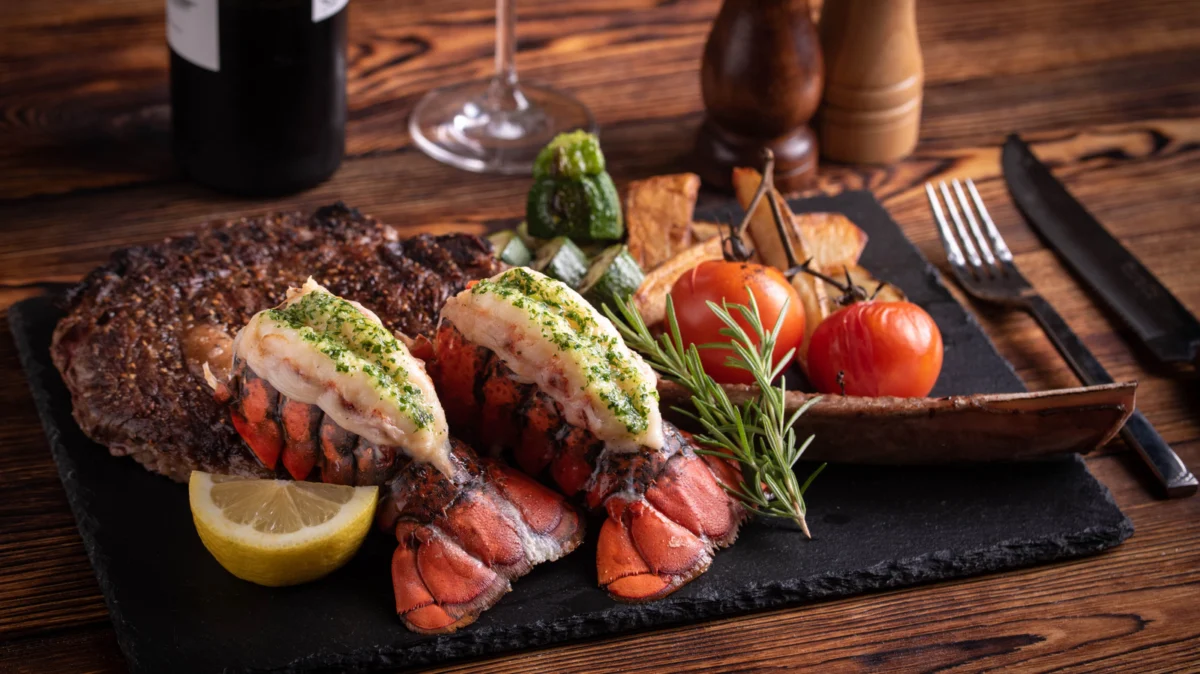
WASHINGTON — For generations, the American steakhouse has held an undisputed throne in the pantheon of fine dining. It is the destination of choice for life’s grandest milestones—birthdays, retirements, business triumphs, and the sweet relief of a Friday evening. Stepping through the dark-wood doors, patrons are immediately enveloped in an atmosphere of robust comfort: the rich aroma of dry-aged beef, the clink of crystal glassware, and the promise of a perfectly marbled ribeye accompanied by decadent, cheese-laden side dishes.
Yet, a quiet culinary evolution is taking place across the nation’s premier beef palaces. While prime cuts and wagyu continue to draw the crowds, a formidable challenger has emerged from the depths of the menu: seafood.
Today, some of the most celebrated steakhouse chains in the United States are treating the ocean’s harvest not as an afterthought, but as a main event. From raw bars overflowing with pristine oysters to expertly broiled Chilean sea bass, and from towering platters of crustaceans to delicate crudos, these establishments are proving that you do not need to visit a dedicated coastal fish house to experience top-tier maritime dining. In many cases, diners are finding that the seafood rivals—and occasionally surpasses—the steaks.
Main Facts: The Intersection of Land and Sea
The convergence of high-end steakhouses and premium seafood is no accident. Driven by a consumer base that increasingly demands menu versatility, culinary sophistication, and freshness, major steakhouse operators have invested heavily in sourcing world-class fish and shellfish.
Far from the frozen shrimp cocktails of decades past, contemporary steakhouses maintain direct supply chains with global fisheries. Restaurants like McCormick & Schmick’s print their menus twice daily to reflect the freshest catches unloaded from docks. Meanwhile, heavyweights such as Del Frisco’s, Smith & Wollensky, and The Capital Grille offer expansive, multi-tiered raw bars and exotic preparations—ranging from miso-glazed salmon to sushi-grade tuna tartare—that cater to pescatarians, health-conscious diners, and seafood aficionados sharing a table with dedicated carnivores.
This pivot has redefined the dining experience. Rather than settling for a token piece of broiled cod or a basic grilled salmon fillet, guests can curate eclectic meals that span continents and ecosystems, pairing robust red wines with delicate crustaceans or bold, spicy lobster butter sauces.
Chronology: The Evolution of the Modern Steakhouse
To understand how steakhouses evolved into dual-threat culinary powerhouses, it is necessary to examine the historical trajectory of the industry over the past half-century:
- 1960s–1970s (The Foundation of Tradition): The modern era of upscale steakhouses began taking shape with the founding of institutions like Ruth’s Chris Steak House in 1965 and Smith & Wollensky in 1977. During this era, menus were strictly anchored in tradition: prime beef, baked potatoes, creamed spinach, and perhaps a basic shrimp cocktail or lobster tail as luxury add-ons.
- 1980s (Expanding Horizons): Brands like Del Frisco’s Double Eagle Steakhouse (founded in 1981) and Davio’s Northern Italian Steakhouse (established in 1985) introduced regional flair and broader menus. Davio’s, for instance, infused classic Italian elements into its offerings, bringing fresh pastas, risottos, and lighter seafood options to the steakhouse format.
- 1990s (The Rise of Corporate Fine Dining): The 1990s witnessed the birth of modern national and international chains designed to scale luxury. McCormick & Schmick’s capitalized on Pacific Northwest heritage, while Cameron Mitchell founded Ocean Prime in the late ’90s (culminating in its 2008 launch) to blend a high-energy lounge atmosphere with a heavy emphasis on both prime steaks and upscale seafood, including sushi. Fleming’s Prime Steakhouse & Wine Bar also emerged in 1998, establishing a nationwide footprint centered on elevated dining experiences.
- 2000s–Present (The Seafood Renaissance): In the 21st century, chains like Fogo de Chão integrated Brazilian churrasco traditions with extensive seafood towers and fish mains, while contemporary brands refined their oceanic offerings to stand on equal footing with their signature beef. Today, seafood accounts for a substantial percentage of total sales at many high-end steakhouses, cementing a permanent shift in American dining habits.
Supporting Data: Examining the Top Contenders
A comprehensive look at the industry reveals several standout chains where the seafood menu commands just as much respect as the butcher’s block.
1. Del Frisco’s Double Eagle Steakhouse
With 14 locations nationwide, Del Frisco’s delivers classic steakhouse luxury paired with a staggering seafood lineup. Diners can kick off their meals with caviar, a towering seafood plateau, or sushi before moving on to mains like seared Chilean sea bass, broiled swordfish, and signature crab cakes. Social media chatter frequently highlights the brand’s decadent lobster mac & cheese as an unmissable staple.
2. Davio’s Northern Italian Steakhouse
Operating seven locations primarily along the East Coast, Davio’s applies a distinct Italian sensibility to its seafood. Guests can enjoy starters like crispy calamari, octopus, and clam chowder, followed by comforting entrees such as grilled prawns with fusilli, Maine lobster risotto, and Atlantic miso salmon. Reviewers routinely single out the lump crab linguini and tuna tartare for high praise.
3. Smith & Wollensky Steakhouse
Self-described as "America’s Steakhouse," this international brand operates 13 locations spanning from Boston to Japan. Its raw bar offerings are legendary, highlighted by the "Shellfish Bouquet"—a massive tower featuring lobster, shrimp, and oysters. Diners also praise dishes like Angry Shrimp (served with spicy lobster butter sauce), Lobster Thermidor, and Chilean sea bass.
4. The Capital Grille
Boasting over 70 locations globally, The Capital Grille elevates traditional seafood with inventive twists. Menu highlights include oysters Rockefeller featuring Champagne Brie fondue, lobster and crab cakes with lemon basil aioli, sushi-grade seared sesame tuna, and seared sea scallops accompanied by Maine lobster and asparagus risotto.
5. McCormick & Schmick’s Seafood and Steaks
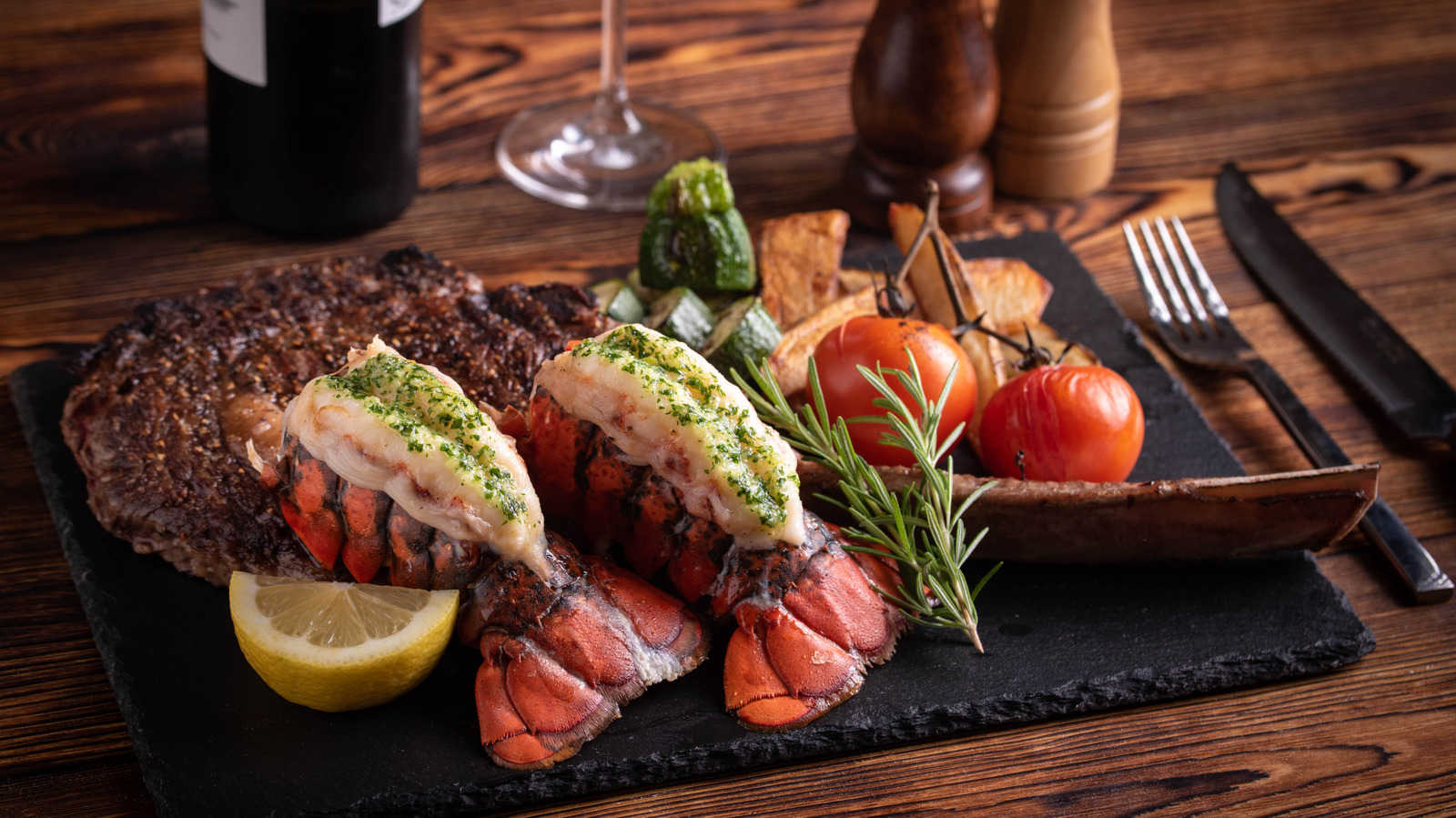
Bridging the gap between a dedicated fish house and a traditional steakhouse, McCormick & Schmick’s relies on daily-printed menus dictated by fresh dock deliveries. Diners can explore an extensive "Oysterology" program, Thai coconut curry mussels, Swordfish Casino, and Pacific rockfish, with the option to top any steak with a fresh Maine lobster tail.
6. Ocean Prime
Founded by Cameron Mitchell, Ocean Prime seamlessly marries a high-end steakhouse concept with a vibrant seafood philosophy across its 20+ U.S. locations. Beyond standard raw bars and king crab legs, the menu features creative plates like king crab beef carpaccio, lobster linguini, miso black cod, and a robust selection of specialty sushi and lobster rolls.
7. Ruth’s Chris Steak House
With an expansive global footprint of around 150 restaurants, Ruth’s Chris utilizes its legendary status to showcase a surprisingly ocean-heavy appetizer menu. Patrons frequently indulge in crab-stuffed mushrooms, various shrimp and tuna preparations, and the famous seafood tower featuring sweet lobster, shrimp, and crab.
8. Fleming’s Prime Steakhouse & Wine Bar
Operating over 60 locations across 24 states, Fleming’s pairs its premium steaks with luxury seafood options, including caviar service, yellowtail crudo, and jumbo scallops served over wild mushroom risotto. Table-side melted butter served over a flame for North Atlantic lobster tails provides an interactive, theatrical dining touch.
9. Fogo de Chão Brazilian Steakhouse
Bringing the traditions of Southern Brazilian grilling to an international stage, Fogo de Chão balances its famous continuous tableside meat service with a diverse seafood selection. From smoked salmon and jumbo crab cocktails to pan-seared chimichurri salmon, butter-bathed lobster tails, and magnificent seafood towers, the chain caters successfully to non-meat eaters and seafood lovers alike.
Official Responses and Industry Perspectives
Culinary experts and restaurant executives note that the expansion of seafood menus is a strategic response to shifting demographics and dietary preferences.
"The modern fine-dining consumer is looking for balance," notes a prominent food and beverage industry analyst. "Couples dining out together frequently encounter a dynamic where one partner desires a heavy, dry-aged steak, while the other prefers a lighter, omega-3-rich fish or shellfish dish. Steakhouses that fail to accommodate both with equal levels of excellence risk losing reservations."
Furthermore, culinary directors across major chains emphasize that sourcing has improved dramatically over the past two decades. Rapid logistics networks allow landlocked metropolitan steakhouses to receive fresh catches within 24 to 48 hours of harvest, bridging the historical gap in quality that once favored coastal seafood shacks over Midwestern beef houses.
Implications: The Future of Fine Dining Menus
The blurring of lines between steakhouses and seafood restaurants carries significant implications for the hospitality industry:
- Menu Engineering: Traditional single-identity restaurants are giving way to hybrid dining concepts. Steakhouses are adopting the agility of seafood houses, while high-end seafood restaurants are increasingly incorporating high-grade beef options to capture a wider audience.
- Supply Chain Innovation: As consumer demand for sustainability and traceability grows, steakhouse chains are investing heavily in transparent sourcing, partnering with certified fisheries to ensure environmental responsibility alongside premium quality.
- Pricing and Value Perception: With premium seafood items—such as Chilean sea bass, colossal king crab, and fresh caviar—commanding top-tier prices, steakhouses are successfully capturing higher per-person check averages from guests who view these oceanic delicacies as celebratory indulgences.
Ultimately, the traditional American steakhouse has proven that it can honor its carnivorous roots while simultaneously casting a wide net. For diners looking to celebrate a special occasion—or simply elevate a weeknight dinner—the modern steakhouse offers a best-of-both-worlds sanctuary where the pasture and the ocean meet on equal, exquisite terms.
 Asep Darmawan
  Iffa Jayyana
  Laily UPN