
 By Lina Hope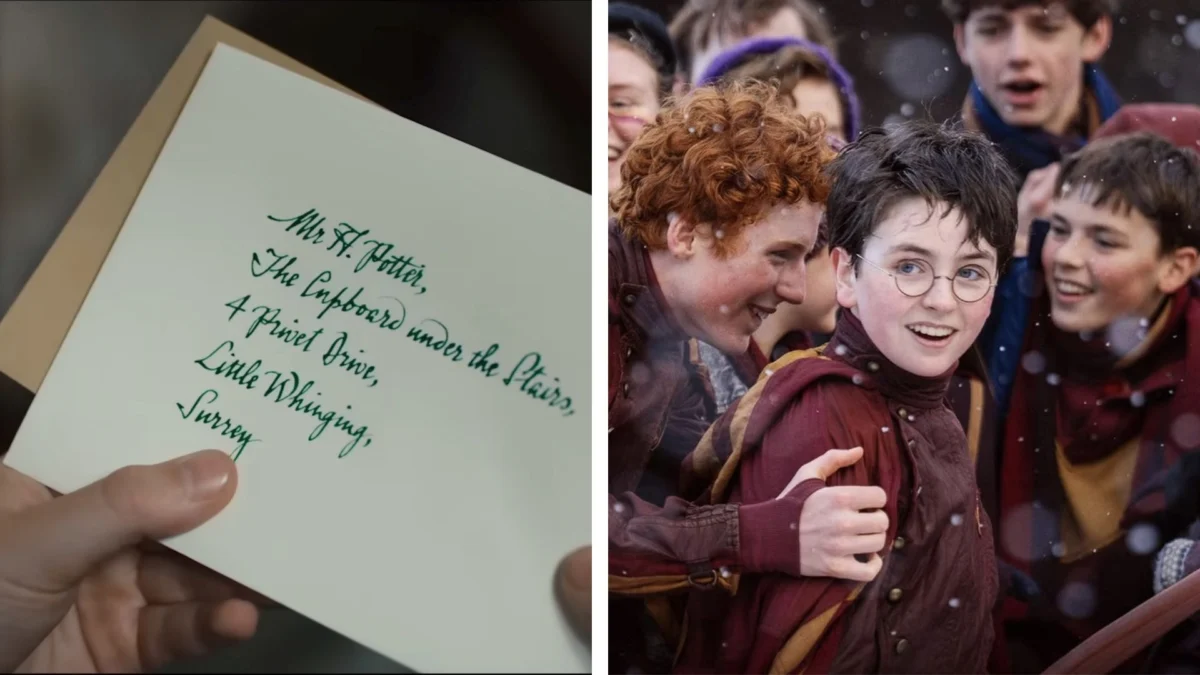
From the frantic flapping of wings in the Dursley household to the iconic green-inked address—"Mr. H. Potter, The Cupboard Under the Stairs, 4 Privet Drive, Little Whinging, Surrey"—few fictional artifacts have embedded themselves in the global cultural consciousness quite like the Hogwarts acceptance letter. Nearly a quarter-century after the debut of Harry Potter and the Philosopher’s Stone, this humble envelope remains a potent symbol of wonder, transition, and the undeniable allure of physical media in an increasingly digitized world.
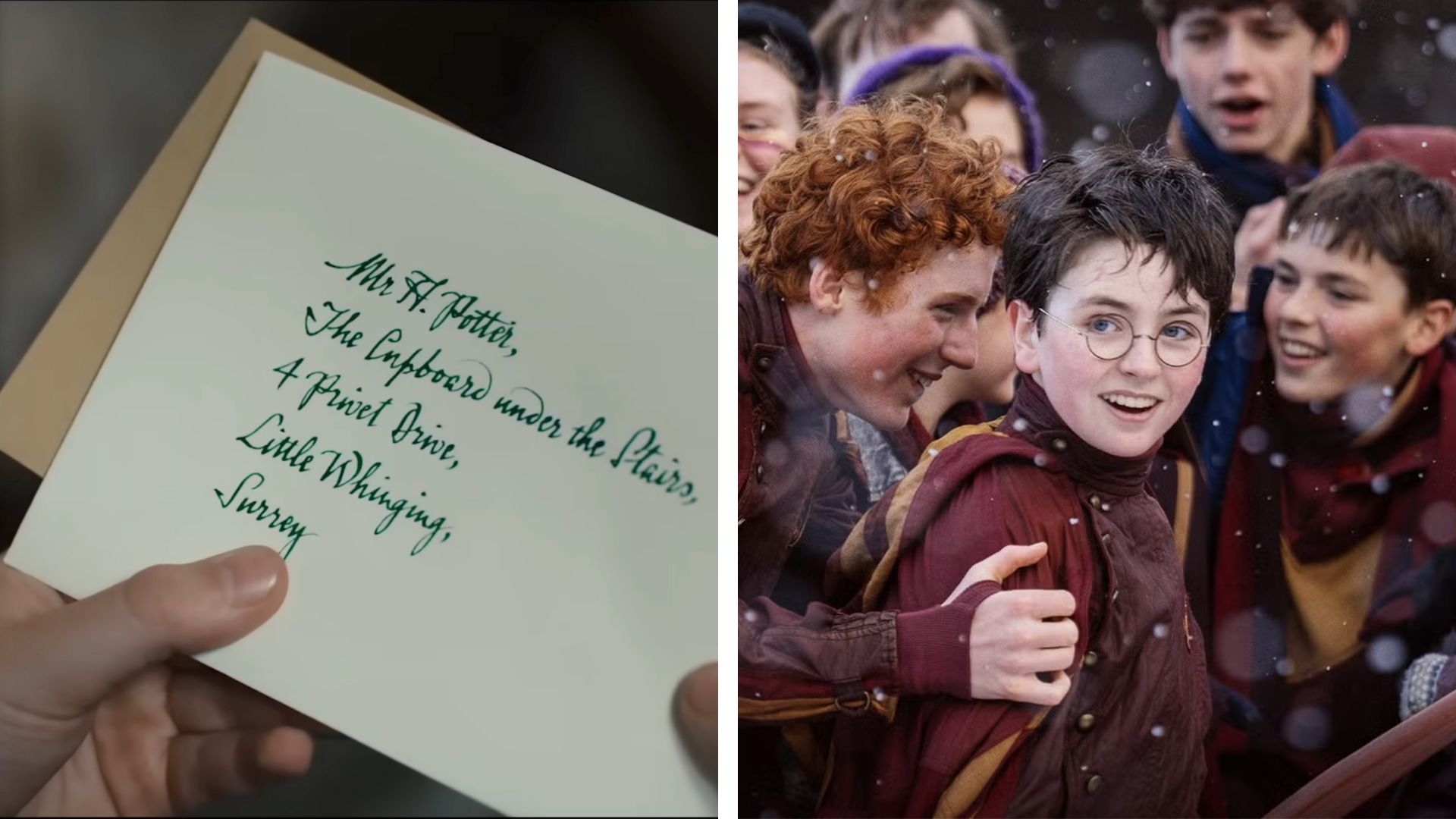
As anticipation builds for the upcoming HBO reboot of the Harry Potter series, the sight of that letter appearing once more—this time finding its way to the Weasleys’ chaotic breakfast table—has sparked a renewed conversation about why we remain so enamored with the tangible. In an era of instant notifications and ephemeral content, the weight of parchment and the permanence of a physical object serve as a powerful antidote to digital fatigue.
A Chronology of Enchantment: From Cupboard to Screen
The journey of the Hogwarts letter began in 1997, when J.K. Rowling introduced readers to a world where magic was not just a concept, but a lived experience. When the film adaptation arrived in 2001, the production design team faced the daunting task of bringing this iconic correspondence to life.
The visual language of the letter was precise: heavy, yellowish parchment, emerald green ink, and the unmistakable purple wax seal of Hogwarts School of Witchcraft and Wizardry. This design choice grounded the magical world in a familiar, tactile reality. In the film, the sequence where hundreds of letters pour from the fireplace, swirling around the Dursley home, remains one of the most memorable moments in fantasy cinema. It represented the collision of the mundane and the extraordinary.
Now, as HBO prepares to revisit the Wizarding World, the creative team has had to re-evaluate how these iconic moments land with a modern audience. Early glimpses from the upcoming series suggest a commitment to the same sense of tactile realism, proving that while technology has advanced, the emotional resonance of a physical letter remains untouched.
The Physical Media Resurgence: Beyond the Wizarding World
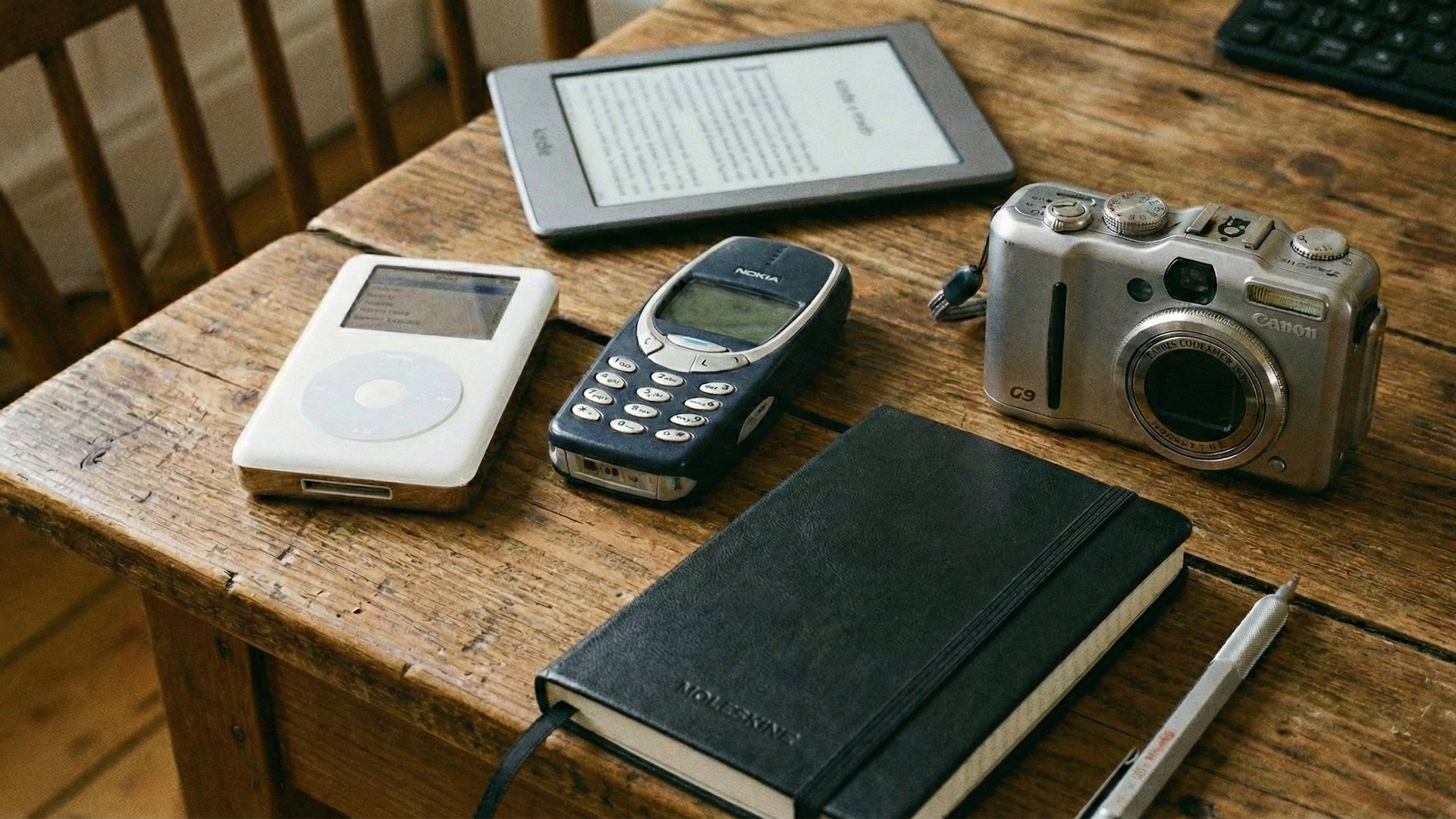
The enduring appeal of the Hogwarts letter is not an isolated phenomenon. We are currently witnessing a massive cultural swing toward physical media among Gen Z, a generation that has grown up entirely within the digital realm. This shift is not merely nostalgic; it is a calculated rejection of the "disposable" nature of digital streaming and cloud-based consumption.
The numbers bear this out. Vinyl records have successfully transitioned from a niche hobby to a mainstream pillar of music consumption. Similarly, the compact disc—long thought to be a relic of the early 2000s—is experiencing a surprising renaissance. Recent data from major retailers like John Lewis indicates a 96% increase in searches for all-in-one CD players, signaling that younger consumers are actively seeking hardware that allows them to own and interact with their music.
This trend is echoed in the literary world as well. A recent survey of 1,900 Gen Z respondents revealed that 75% still engage with physical books at least once a month. This is not about the content itself—which is often available digitally—but about the experience of the medium. The act of holding a book, the scent of the paper, and the absence of a "scroll" button creates a deeper, more intentional relationship with the information being consumed.
Data-Driven Devotion: Why We Trust the Physical
Why is the physical world suddenly so attractive to a generation that has the sum of human knowledge at their fingertips? The answer lies in the psychological concept of "active engagement."
Digital content, by its very nature, is often passive. We consume it while multitasking, often at the mercy of algorithms that dictate our attention. In contrast, physical media demands our presence. When you receive a piece of mail, you are making a conscious decision to open it. It is a one-to-one interaction that cannot be skipped or muted.
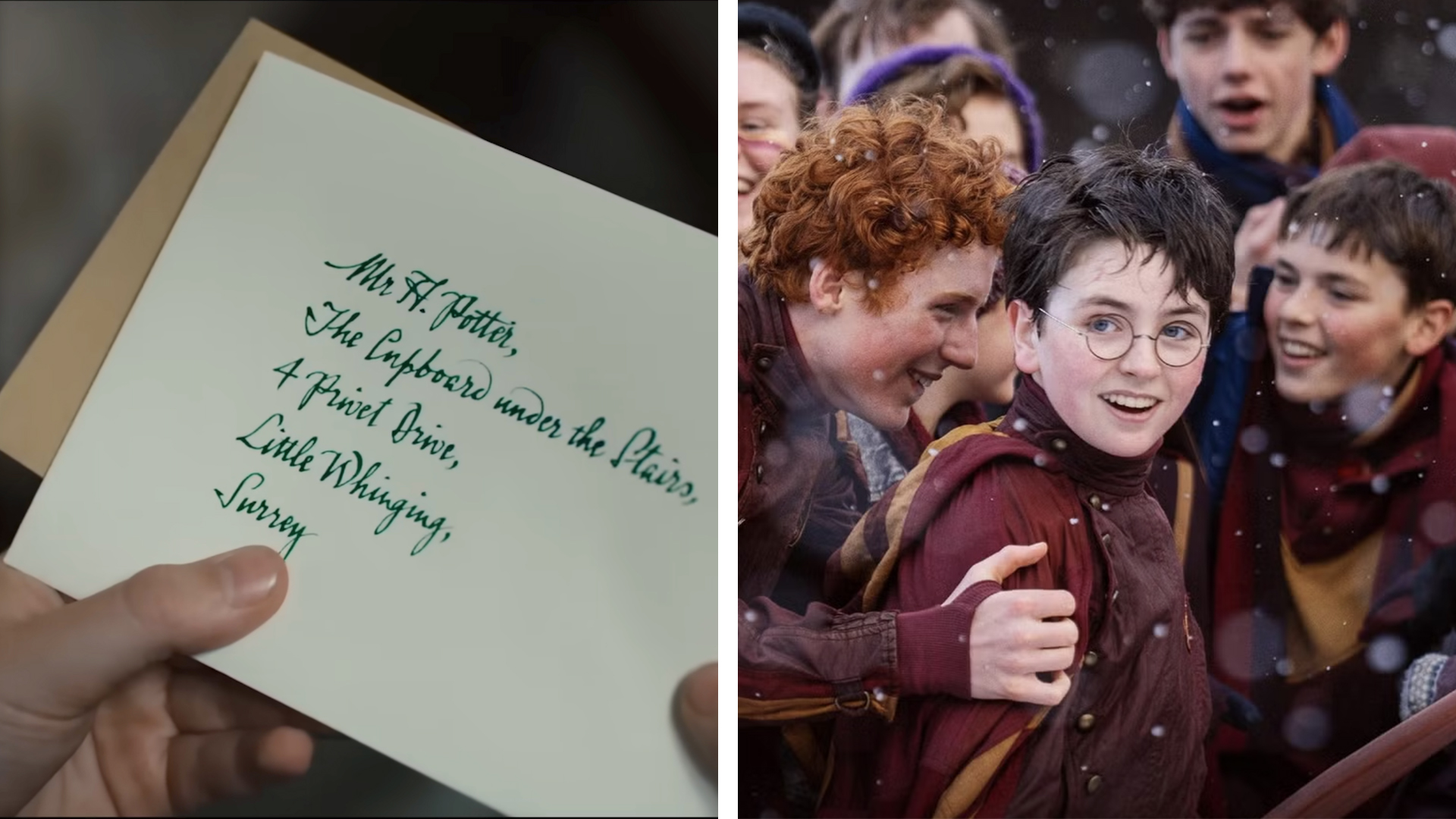
According to industry data, 97% of physical mail is engaged with by recipients. This is a staggering statistic compared to the open rates of digital email, which are frequently cluttered by spam, filters, and indifference. Furthermore, 71% of people report that they "completely trust" physical mail, making it the most trusted communication channel in the current media landscape.
This trust is vital in a world of deepfakes, AI-generated misinformation, and influencer fatigue. When an object is in your hand, there is a level of certainty. You know it exists. You don’t have to wonder if it was generated by an algorithm or if the source is legitimate. The physical letter serves as a "truth anchor" in a sea of digital ambiguity.
Implications for Modern Branding
Brands are beginning to take note of this trend, realizing that the "phygital" (physical plus digital) strategy is the most effective way to capture consumer loyalty. McDonald’s recent foray into physical trading cards is a perfect case study. By turning a marketing campaign into a tactile, collectible experience, the brand fostered a level of engagement that a simple digital banner ad never could have achieved.
This does not mean that digital marketing is dead. On the contrary, digital channels remain essential for reach and immediacy. However, the most successful brands are now integrating physical elements to create "long-lasting moments."
The IPA Bellwether report supports this shift, noting that direct marketing investment—specifically in physical formats—is up by 3.0%. It is currently the second fastest-growing media channel. Brands are discovering that while digital content is often instantly forgotten, mail has "staying power." The average piece of mail is kept for 7.4 days, sitting on a kitchen counter or a desk as a persistent, visual reminder of the brand’s message.

The Future of Immersive Experience
The desire for the physical extends to the way we experience entertainment. The massive queues of fans waiting for photo opportunities at the Platform 9 ¾ installation in King’s Cross, or the hype surrounding the new Harry Potter store on Oxford Street, prove that the digital world is not enough.
These physical spaces—designed as immersive, multi-sensory experiences—allow fans to step into the worlds they previously only saw on screens. The Oxford Street store, for example, features elements of Diagon Alley, interactive displays, and themed food, turning a retail space into a pilgrimage site.
This provides a broader lesson for the future of marketing and storytelling: consumers are suffering from "screen fatigue." They are exhausted by the infinite, algorithmic scroll. They crave the "real," even when the "real" is a fictional, magical construct.
Conclusion: The Magic of the Envelope
The Hogwarts letter serves as a perfect metaphor for the current media climate. It is not high-tech, it is not complicated, and it does not rely on sophisticated data harvesting. It is simply a piece of paper that carries the weight of a story.
As we look toward the future, the message for both creators and brands is clear: the most memorable experiences are often the most tangible ones. In a world of infinite choice, the simple act of receiving something physical—of being able to hold an idea in your hand—is a form of magic that no screen can replicate.
While it may be too late for us to receive our own letters from Hogwarts, the lesson remains: it is never too late for us to push the envelope, lean into the tactile, and reclaim the magic of the physical world. The next great connection with an audience might not be found in the latest app update or the newest social media trend, but in a simple, well-crafted, and deeply personal physical experience.
 Reynand Wu
  Pevita Pearce
  Iffa Jayyana