
 By Nana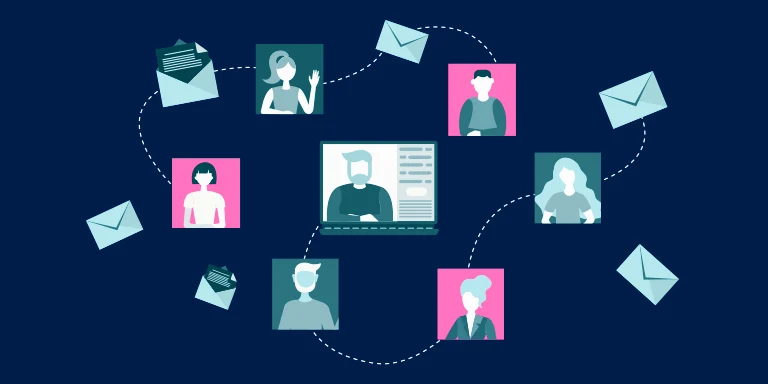
By the Digital Commerce Desk
Published: Early 2025
Main Facts: The Death of the "Spray and Pray" Era
In the modern digital landscape, the inbox has transformed into a high-stakes battleground. Consumers are subjected to an unrelenting barrage of promotional content, newsletters, and automated notifications daily. Against this backdrop of digital saturation, the traditional "spray and pray" email marketing strategy—blasting a single, unpersonalized message to an entire subscriber list—has officially run its course.
The core narrative defining email marketing in 2025 is the absolute necessity of audience segmentation. Rather than treating a mailing list as a monolithic block of consumers, segmentation divides subscribers into precise, behavioral cohorts based on actions, purchasing history, engagement levels, and lifecycle stages.
Recent industry analytics underscore the severe cost of ignoring this shift. According to comprehensive benchmark reports released by platforms like Omnisend, targeted automated workflows routinely achieve open rates exceeding 40.55%, drastically outperforming the generic, cross-industry broadcast average of 26.6%. For early-stage startup founders and scaling e-commerce brands, failing to segment means leaving substantial revenue on the table while actively training customers to ignore, tune out, or outright unsubscribe from brand communications.
Chronology: The Evolution of Personalization in Digital Commerce
To understand how audience segmentation became the defining metric of email success, it is helpful to trace its evolution over the past decade:
- Pre-2015 (The Broadcast Era): Email marketing was largely treated like digital direct mail. Lists were imported, campaigns were scheduled, and the primary metric of success was delivery volume rather than engagement quality.
- 2015–2020 (The Merge-Tag Era): Basic personalization emerged. Marketers began inserting first names into subject lines and opening greetings. While novel at first, consumers quickly grew wise to these rudimentary tricks, rendering simple name-insertion largely ineffective on its own.
- 2020–2023 (The Rise of Automation): As e-commerce platforms matured, automated triggers—such as welcome series and abandoned cart reminders—became standard tools for small and medium-sized businesses. However, these systems often lacked deep behavioral filtering.
- 2024–2025 (The Behavioral Segmentation Era): Today, consumer expectations demand hyper-relevant, frictionless experiences. Segmentation has shifted from static demographic categories (age, location) to dynamic behavioral tracks that adapt in real-time to how a user interacts with a website and previous emails.
Supporting Data: Why Generic Emails Are Costing Brands Money
The financial implications of maintaining an unsegmented email list are profound. When brands send irrelevant content to disinterested subscribers, a cascading series of negative metrics occurs:
- Elevated Spam Complaint Rates: Consumers who feel misunderstood or spammed are significantly more likely to mark messages as junk, directly damaging sender reputation.
- Increased Unsubscribe Rates: Irrelevant messaging accelerates list attrition, wasting the acquisition cost spent to acquire those leads in the first place.
- Depressed Deliverability: Internet Service Providers (ISPs) like Gmail and Yahoo actively monitor engagement metrics (opens, clicks, replies). Low engagement across a broad list signals low-quality content, causing future emails to land in the dreaded spam folder rather than the primary inbox.
- Missed Revenue Opportunities: Every generic blast sent to a past purchaser regarding an entry-level product is a missed opportunity to cross-sell or upsell complementary items based on their actual buying history.
Conversely, segmenting lists yields compounding returns. Industry data consistently shows that segmented campaigns generate higher average order values (AOV), higher click-through rates, and foster long-term brand loyalty that transactional blasts simply cannot match.
Official Responses and Industry Insights
Marketing strategists and e-commerce veterans emphasize that effective segmentation does not require a massive data science team or overly complex technical infrastructure.
"Audience segmentation sounds intimidating to founders who aren’t data geeks, but at its heart, it is simply about empathy and timing," notes one leading e-commerce growth strategist. "You are answering a simple question: What does this specific person need from me right now? When your messaging matches the customer’s current mindset, conversion is a natural byproduct."
Platforms built specifically for high-growth digital brands have responded to this market demand by democratizing advanced data tools. Modern software solutions remove the friction of coding or complex database management, allowing non-technical founders to build sophisticated behavioral triggers within minutes. By automating these flows, brands ensure that marketing engines run continuously in the background, nurturing leads and securing sales around the clock.
The 5 Essential Audience Segments Every Brand Must Implement
Marketers do not need dozens of complicated categories to see immediate improvements in campaign performance. Focusing on five foundational audience segments covers the entire customer lifecycle:
1. New Subscribers
Brand-new leads are entering your ecosystem with high curiosity but low brand trust. Bombarding them with immediate, aggressive sales pitches often backfires. Instead, deploy a tailored onboarding or welcome series. For example, an artisanal tea brand can use a three-part automated sequence to share the founder’s origin story, educate subscribers on brewing techniques, and gently offer an introductory discount on their second or third touchpoint.
2. Past Purchasers
A one-time transaction should mark the beginning of a relationship, not the end. Transitioning a one-time buyer into a repeat customer requires post-purchase value validation. If a customer purchases a piece of fitness equipment, a well-timed follow-up email a week later featuring complementary accessories—such as resistance bands or instructional video recovery guides—drives engagement while naturally upselling related inventory.
3. Cart Abandoners
Cart abandonment represents high-intent prospects who walked away at the final hurdle. A timely, helpful reminder can salvage these lost sales. If a user leaves a handmade leather wallet in their digital shopping cart, sending a friction-reducing reminder 24 hours later—perhaps paired with a limited-time free shipping incentive—often provides the exact nudge needed to complete checkout.
4. Inactive Subscribers
Subscribers go cold over time; open rates drop, and clicks cease. Rather than immediately purging these contacts or letting them drag down sender reputation metrics, deploy targeted re-engagement campaigns. A skincare brand, for instance, might re-engage dormant users with a personalized subject line like "Still into self-care?" paired with a showcase of fresh product drops or an exclusive win-back promotion.
5. VIP Customers
Your most loyal, high-spending, and highly engaged advocates deserve special treatment. Treating VIPs like insiders fosters fierce brand loyalty. For brands offering digital products or courses, VIP segments can receive early-access passes to upcoming product launches or exclusive invitations to private Q&A sessions with creators and instructors.
Implementation Strategy: How to Build Your Segmentation Engine
Transitioning to a segmented email strategy involves a clear, four-step tactical roadmap:
- Step 1: Choose the Right Infrastructure. Select an email and automation platform tailored to your specific business model. For e-commerce and retail brands, specialized tools like Omnisend provide robust, user-friendly segmentation capabilities without unnecessary technical complexity, allowing teams to track real-time behavior effortlessly.
- Step 2: Prioritize Behavioral Data Over Demographics. Base your core segments on actions rather than static traits. What links are users clicking? What pages are they browsing? Behavior dictates intent far more accurately than age or geographic location.
- Step 3: Automate for Scale. Set up automated flows that respond instantly to user actions. Once built, these workflows operate autonomously, delivering personalized experiences while you focus on core product and business development.
- Step 4: Treat Segments as Living Experiments. Audience preferences shift as brands scale. Continuously monitor key performance indicators—such as conversion rates, revenue per recipient, and list churn—to refine your segmentation parameters over time.
Implications for the Future of Digital Marketing
As consumer privacy regulations tighten and ad acquisition costs on major social media platforms continue to rise, owned marketing channels like email remain among the most profitable assets a business can control.
The shift toward hyper-segmentation is not a temporary marketing trend; it is a permanent adjustment to consumer expectations. Brands that continue to rely on generic, one-size-fits-all broadcasts will find themselves fighting an uphill battle against diminishing returns and rising unsubscribes. Conversely, founders who master audience segmentation will unlock higher lifetime values, stronger customer relationships, and resilient revenue streams designed to thrive in 2025 and beyond.
Special Offer for Readers: Brands looking to streamline their transition to behavioral segmentation can leverage industry-specific tools designed for growth. Platforms like Omnisend offer comprehensive automation and segmentation suites tailored for e-commerce success. Readers can utilize exclusive promotional codes (such as FOUNDR50 on partner networks) to access introductory platform discounts, making the leap from generic broadcasting to precision marketing both seamless and cost-effective.
 Azzam Bilal Chamdy
  Raul Delapena Setiawan
  Sagoh
Sagoh 