
 By Nana
By Hannah Macready
Freelance Digital Marketing Analyst & Contributor
Main Facts: Redefining Social Media Engagement in the Modern Landscape
As digital marketing matures into a hyper-competitive, algorithm-driven ecosystem, the definition of success on social media has fundamentally shifted. Gone are the days when vanity metrics—such as raw follower counts or passive impressions—sufficed as key performance indicators (KPIs). Today, social media engagement has emerged as the true north for brands seeking sustainable growth, community-building, and measurable return on investment (ROI).

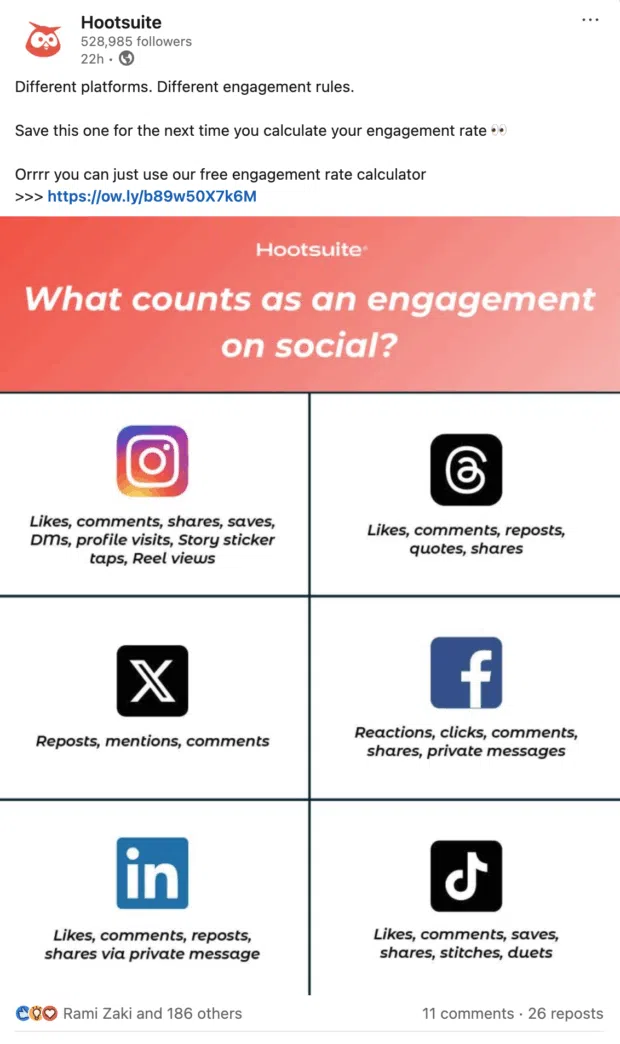
Social media engagement encompasses the active interactions users have with a brand or its content across digital platforms. This includes public actions like comments, replies, shares, reposts, and mentions, as well as high-intent private actions such as direct messages (DMs), link clicks, profile visits, and content saves or bookmarks. According to comprehensive industry insights from platforms like Hootsuite, a healthy engagement rate generally hovers between 1% and 5%, though this varies drastically by industry, platform, and content format.
At its core, engagement is the primary signal algorithms use to determine content visibility. When users interact with a post, they act as organic amplifiers, pushing content beyond the immediate brand bubble and onto the feeds of their personal networks. Furthermore, modern engagement metrics directly correlate with commercial intent. While a "like" denotes a fleeting nod of approval, a "comment" indicates conversation, a "share" signals endorsement, and a "save" or "link click" frequently bridges the gap between passive browsing and bottom-of-the-funnel purchase intent.

Chronology: The Evolution from Broadcast Channels to Community-Led Growth
To understand how social media engagement has reached its current pinnacle, one must look at how digital platforms and corporate strategies have evolved over the past decade.
Phase 1: The Broadcast Era (Early 2010s)
In the early days of corporate social media adoption, platforms were largely treated as digital billboards. Brands pushed out one-way promotional messaging with the goal of accumulating massive follower counts. Success was measured in broad impressions and top-of-funnel reach, with little emphasis on two-way dialogue.
Phase 2: The Algorithm Shift and Pay-to-Play (Mid-to-Late 2010s)
As user bases surged, platforms introduced algorithmic feeds to manage content overload. Organic reach for static brand posts plummeted. Platforms began rewarding content that stimulated immediate user interaction—specifically comments and shares. Brands realized that simply broadcasting messages was no longer enough; they needed active community management to maintain visibility without exponentially increasing ad spend.
Phase 3: The Rise of Short-Form Video and Interactivity (2020–2024)
The explosive popularity of TikTok permanently altered content consumption habits, forcing Instagram (via Reels), YouTube (via Shorts), and LinkedIn to prioritize short-form video and interactive features like polls, stickers, and Q&A boxes. Engagement metrics expanded to include watch time, shares, and saves. Concurrently, consumers grew increasingly skeptical of polished corporate advertising, sparking a massive shift toward authentic, human-centric storytelling and user-generated content (UGC).
Phase 4: AI Integration and Community-Led Growth (2025–2026)
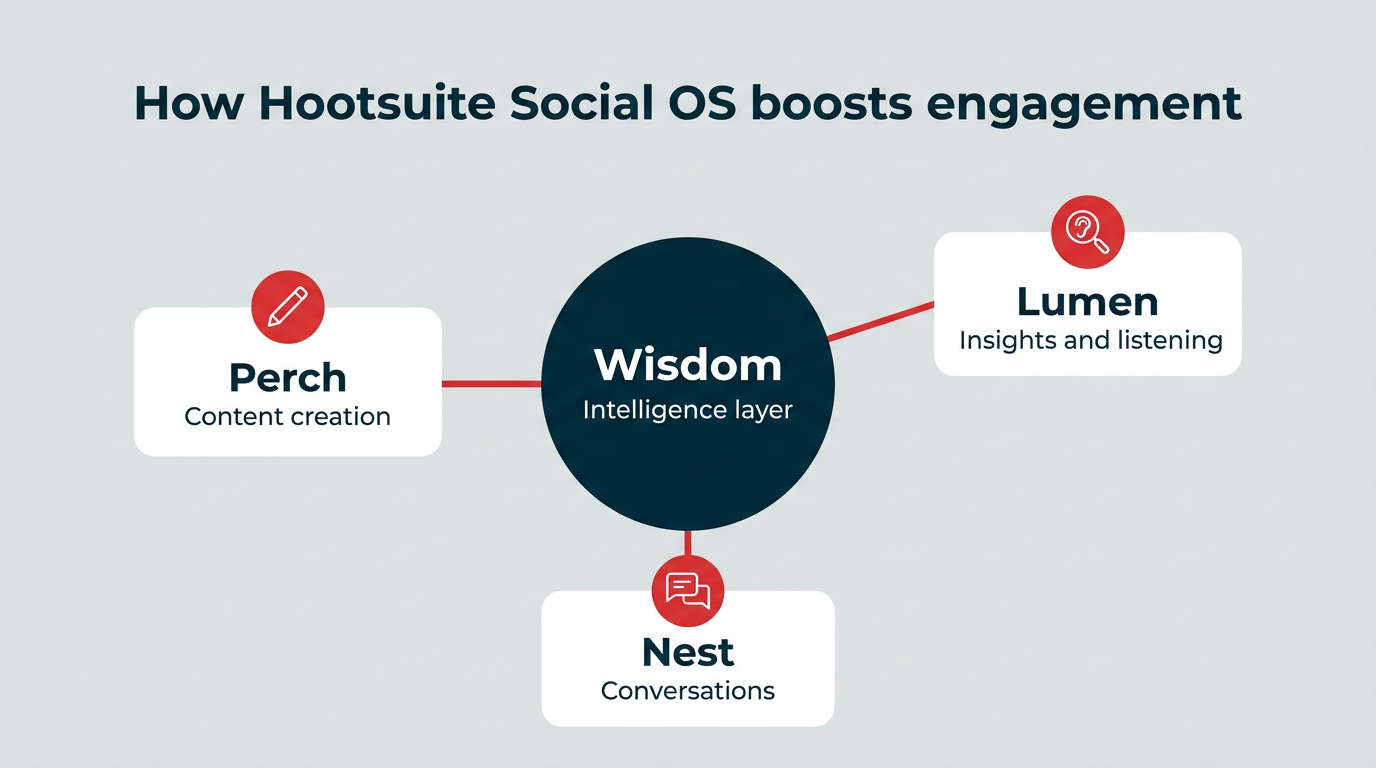
Today, social media engagement is heavily influenced by artificial intelligence and a decentralized approach to marketing. Modern social ecosystems rely on advanced AI layers—such as Hootsuite’s suite of intelligence tools (Perch, Lumen, Nest, and Wisdom)—to automate listening, scale rapid responses, and surface predictive performance patterns. Brands no longer rely solely on central corporate accounts; instead, they leverage employee advocacy, nano-influencers, and cross-platform repurposing to foster genuine, community-led growth.
Supporting Data: Benchmarks, Metrics, and Platform Realities
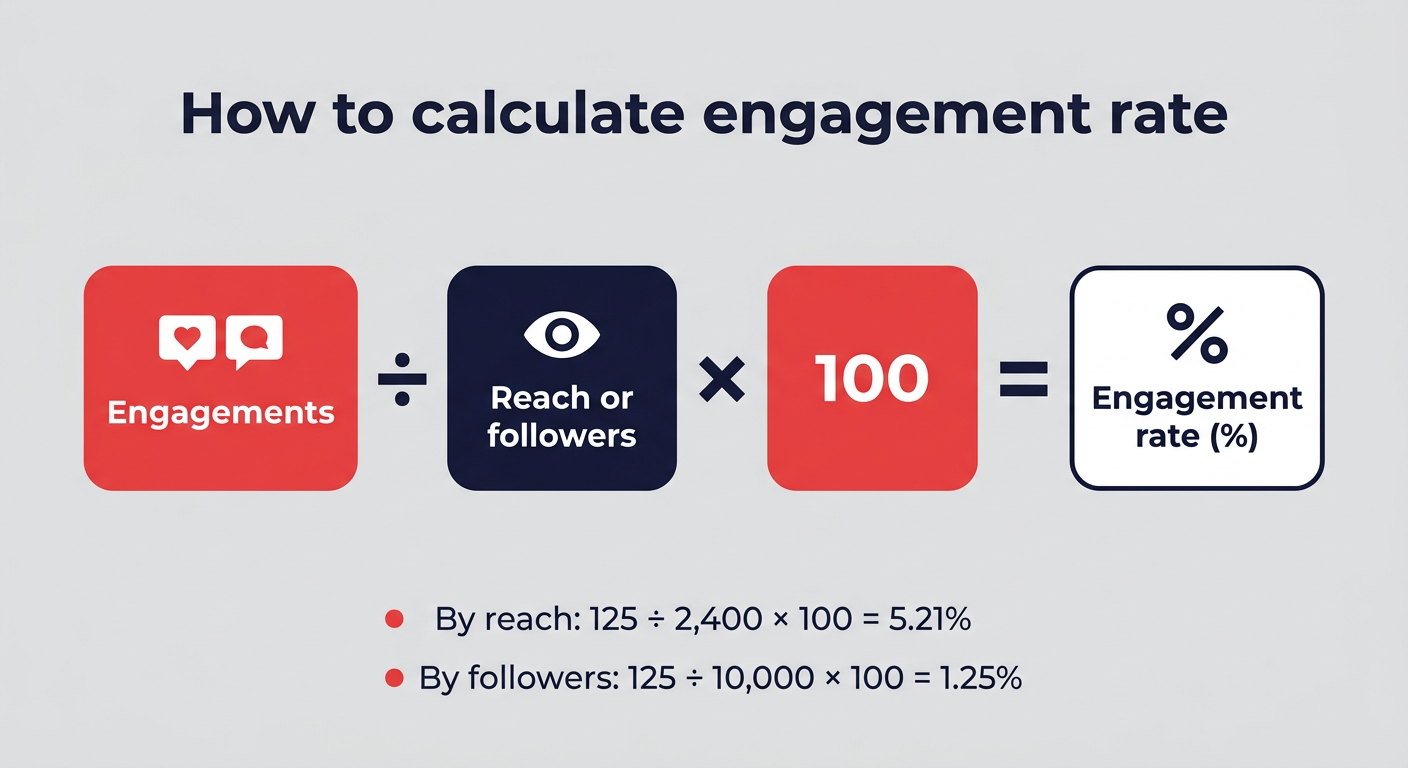
Quantifying social media engagement requires looking beyond raw numbers to calculate accurate engagement rates. The fundamental formula is straightforward:
$$textEngagement Rate = left( fractextTotal EngagementstextFollowers, Reach, Impressions, or Views right) times 100$$
Using reach or impressions as the denominator typically yields a more accurate reflection of how content resonates with the audience that actually viewed it, compared to dividing solely by follower counts.
Key Engagement Benchmarks Across Platforms
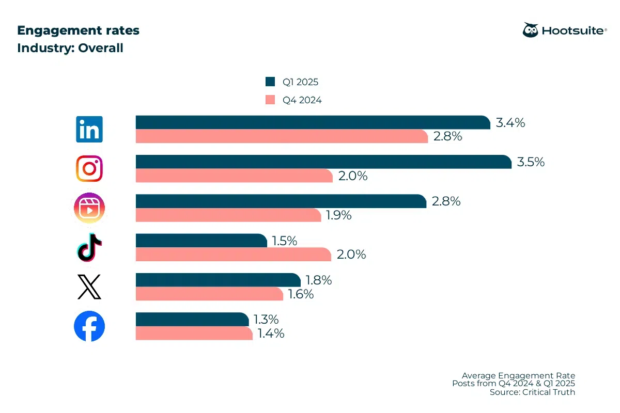
- Instagram: While median engagement rates have experienced downward compression—falling from historical highs down to roughly 3% to 9.7% depending on the specific niche—carousels and Reels remain top performers. Early engagement within the first hour heavily dictates long-term algorithm distribution.
- Facebook: Median engagement rates hover around 0.8%, with Facebook Groups and live video driving the highest community interaction.
- X (Twitter): Maintaining an average engagement rate of approximately 1.8%, X rewards rapid, timely responses to live cultural conversations and threaded discussions over polished asset production.
- LinkedIn: Boasting a robust average engagement rate of around 2%, LinkedIn thrives on document carousels, text-and-image posts, and active employee advocacy.
- TikTok: Averaging roughly 1.5%, TikTok prioritizes short-form video, duets, stitches, and authentic comment-reply video loops.
The Four Pillars of Engagement Benefits
- Increased Brand Awareness: Algorithmic boosts driven by shares and comments amplify organic reach exponentially.
- Customer Loyalty and Trust: Proactive responses to comments and DMs transform casual viewers into a dedicated community. Recent data indicates that 41% of brands now leave proactive comments on external posts, boosting average engagement lift by 1.6x.
- Lead Generation and Sales: High-intent actions like content saves, link clicks, and direct inquiries signal transition points from casual browsers to high-probability buyers.
- Campaign Optimization: Tracking granular metrics allows marketing teams to dynamically shift budgets, formats, and messaging strategies in real time.
Official Responses and Industry Insights
To gain a deeper perspective on effective engagement strategies in 2026, industry leaders emphasize the necessity of authenticity, consistency, and structural restraint over chaotic imitation.
Elissa Wardrop, Global Social Media Specialist managing content across 31 retail markets, highlights the danger of brands desperately chasing viral trends without a solid brand voice.
"Being authentic and not making everything a very obvious, polished sales pitch is the foundation of strong engagement," Wardrop explains. 🍳 "Maybe I’m going to sound like the fun police with this one, but I see brands trying too hard to replicate unhinged, chaotic vibes and responding to comments in a sarcastic way. It can be very funny, but sometimes it comes off as cringe and trying to be something they aren’t. Be an innovator, not an imitator."
Wardrop advises marketing professionals to adopt a simple metaphorical framework:
“Imagine your brand as a guest invited to a dinner party—how would they get there, how would they dress, what would they bring, and how would they talk to the other guests at the dinner table?”
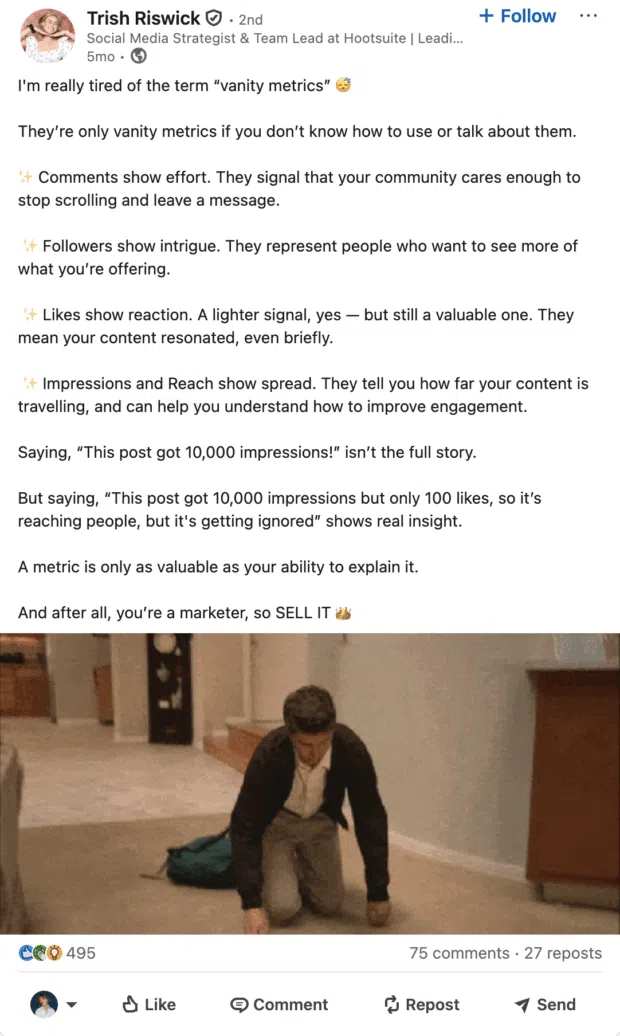
Furthermore, Trish Riswick, former Social Team Lead at Hootsuite, underscores the distinct psychological value behind different interaction types:
“Comments show effort. Followers show intrigue. Likes show reaction. Impressions show spread.”
Implications for Future Business Strategies
As artificial intelligence and changing consumer expectations reshape digital marketing, the implications for businesses are clear:
- Human-Centric AI Deployment: AI tools must be utilized to handle administrative friction—such as social listening, keyword tracking, and initial response sorting—leaving human teams free to craft authentic, empathetic, and creative campaigns.
- Employee Advocacy as a Trust Engine: Corporate accounts alone can no longer carry the weight of brand trust. Empowering internal employees and micro-influencers to share organizational stories yields significantly higher organic engagement and consumer trust.
- Quality Over Vanity: Brands must step away from engagement-baiting tactics (e.g., "Comment ‘yes’ if you agree") which alienate sophisticated consumers. Instead, sustainable growth relies on delivering true educational, entertaining, or inspirational value through recurring, reliable content series.
By mastering the science of engagement measurement and maintaining a disciplined, authentic brand voice, modern businesses can turn transient social media scrolls into lifelong customer relationships.
 Raul Delapena Setiawan
  Basiran
  Asro
Asro 