By Global Wildlife & Media Desk Published: October 1
NationalGeographic is raising the bar for natural history television once again with its most ambitious multi-year project to date: a landmark, seven-part documentary series titled Africa: Earth’s WildHome. Serving as the inaugural chapter of an expansive, multi-year natural history franchise, the series takes audiences deep into the heart of the world’s most dynamic continent. Utilizing state-of-the-art camera technology, elite international film crews, and a radically intimate storytelling philosophy, the production sets a new benchmark for wildlife cinematography.
To understand the immense technical and creative hurdles involved in capturing this sweeping portrait of a continent, PetaPixel sat down with showrunner Gavin Boyland. The resulting insights reveal a production defined by unprecedented patience, radical technological adaptation, and an unwavering commitment to seeing the natural world entirely through the eyes of its animal inhabitants.
Main Facts: Redefining Natural History on a Continental Scale
Africa: Earth’s Wild Home is not merely a wildlife documentary; it is an epic logistical and technological triumph. Spanning seven immersive episodes, the series required a staggering commitment of resources over several years of principal photography.
Global Footprint: The production team orchestrated over 100 distinct expeditions spanning 33 countries across the African continent.
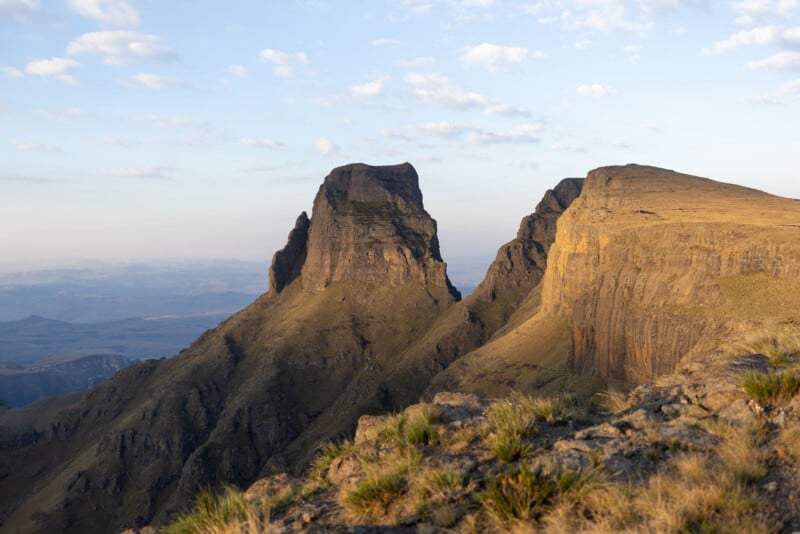
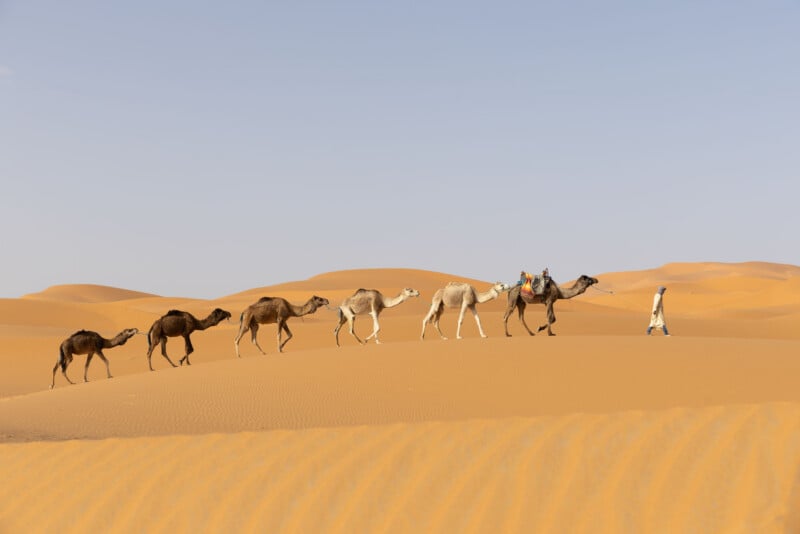
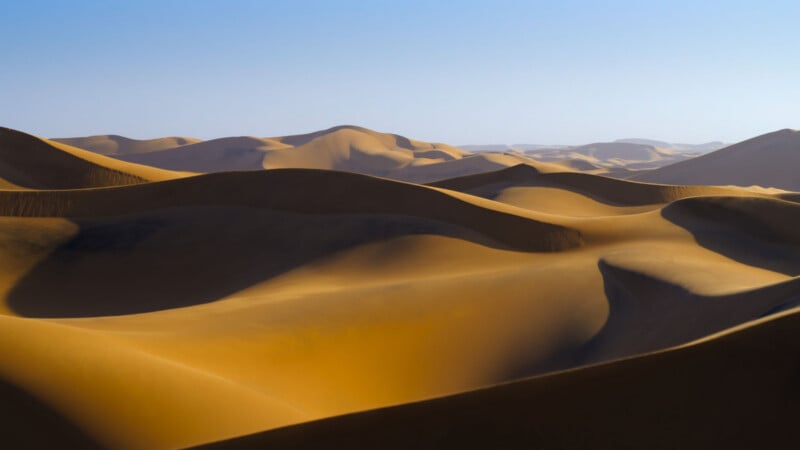
Field Duration: Cinematographers, sound engineers, researchers, and directors spent more than 300 cumulative days in the field, enduring extreme environments ranging from the blistering dunes of the Namib Desert to the suffocating humidity of Gabon’s swamp forests.
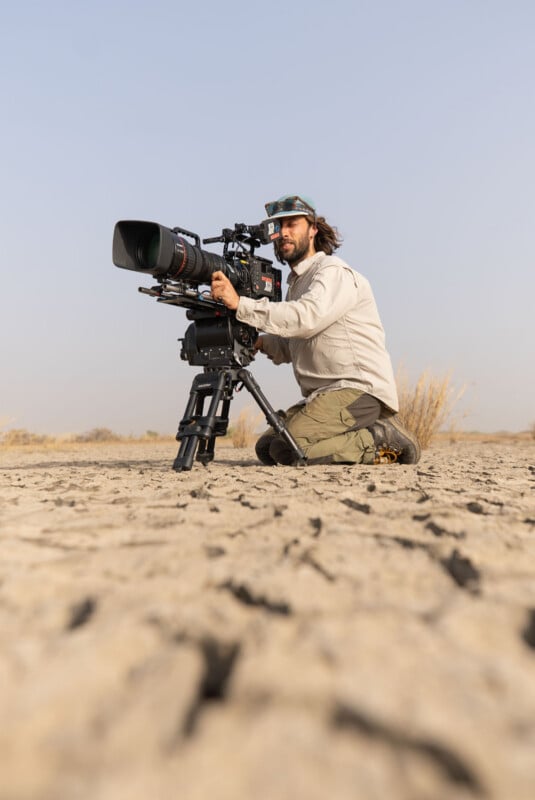
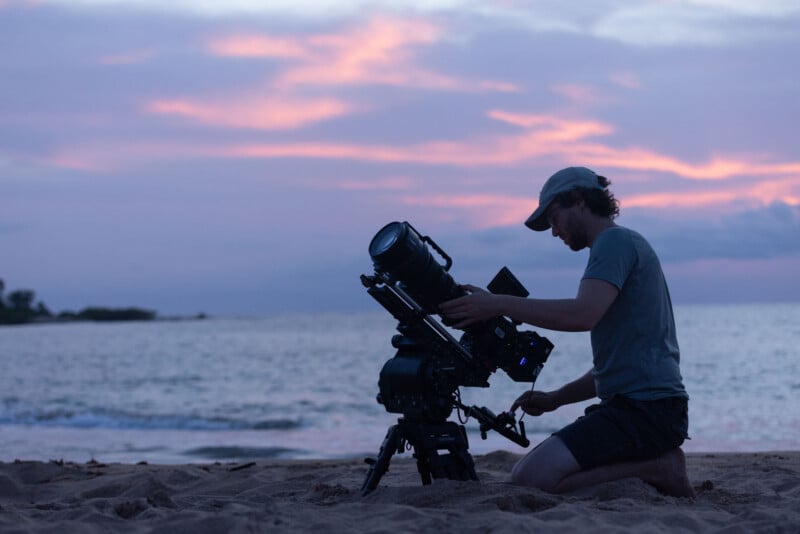
Technological Arsenal: The series relies on an unprecedented hybrid of filming tools. Crews utilized macro probe lenses mounted on remote-controlled rigs, ultra-sensitive low-light pan-and-tilt cameras, self-leveling and hippo-proof underwater housings, military-grade night-vision systems, high-altitude drones, and specialized super-telephoto setups.
The "World’s Firsts": The series boasts six major behavioral discoveries and broadcast firsts never before captured on film, challenging preconceived notions about African wildlife and geography.
Chronology of Production: From Remote Outposts to the Cutting Room
The making of Africa: Earth’s Wild Home was a multi-year odyssey that began long before a single camera rolled in the field.
Phase 1: Conceptualization and the Unified Visual Style
When showrunner Gavin Boyland first began assembling his team of directors and cinematographers, he faced a formidable challenge. How does a production maintain a cohesive, visually seamless narrative when footage is being gathered across thousands of miles by dozens of different camera operators utilizing drastically varied equipment?
Rather than letting the technology dictate the storytelling, Boyland and his creative team inverted the traditional documentary model. "I think often, with wildlife, we find a behavior story we want to tell, and then we think, ‘Right, what’s the best way to capture it?’ That often dictates the technology and filming approach we take," Boyland explains. "But also when we set out to start the series, we talked across the team… about a visual style. A lot of that was about character, getting into the mind of the animals and getting into their world."
Phase 2: Deploying the Arsenal in the Field
Equipped with specialized gear, camera crews deployed to remote corners of the continent. Macro probe lenses allowed operators to achieve startlingly intimate close-ups of insects and tiny mammals, placing the viewer directly on the forest floor. Meanwhile, self-leveling underwater cameras—robust enough to withstand the brute force of a territorial hippopotamus—captured pristine aquatic perspectives.
In Gabon, director and camera teams chased rumors from local guides regarding a solitary bull elephant navigating the treacherous, roaring precipice of Congu Falls. Armed with a high-altitude drone, the crew captured breathtaking, high-risk footage of the massive pachyderm walking right to the edge of the abyss—a visual feat previously known only through a single, grainy historic photograph.
Phase 3: Capturing the Unprecedented
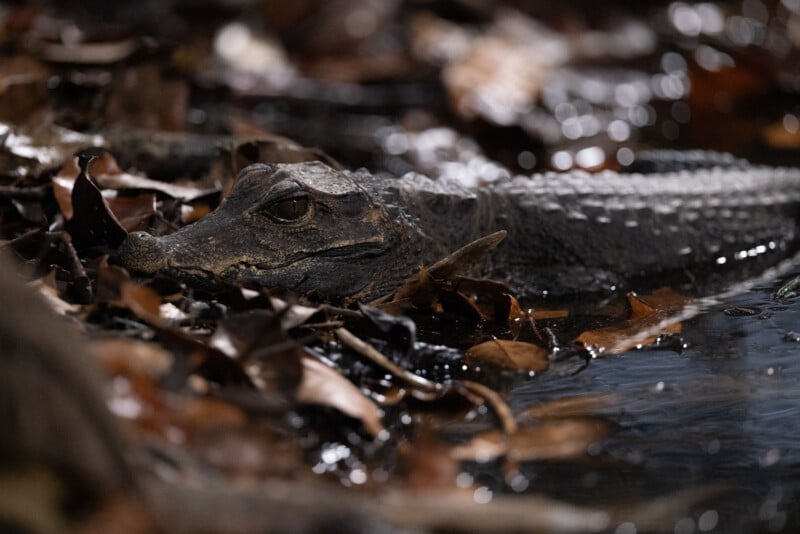
Months of patient stakeouts yielded behaviors that had eluded science and television alike. In pitch-black subterranean caves, ultra-sensitive low-light equipment documented dwarf crocodiles executing coordinated hunts for bats. In the Namib Desert, crews recorded a tiny beetle methodically digging trenches to harvest drinking water from coastal mists.
In the editing suite, these disparate narrative threads were woven together into a singular, breathtaking tapestry designed to keep audiences on the edge of their seats.
Supporting Data & Technical Breakdown
To fully appreciate the scope of Africa: Earth’s Wild Home, one must examine the metrics of its production and the staggering diversity of its subject matter.
Production Metric
Data Point
Total Episodes
7
Countries Filmed In
33
Field Expeditions
100+
Days in the Field
300+
Broadcast Premieres
National Geographic, Disney+, Hulu
The Six World-Firsts Highlighted in the Series:
Cave-Hunting Crocodiles: The world’s smallest crocodile species filmed hunting bats in absolute darkness.
The Black Rain Frog: The television debut of one of nature’s most expressive and comically grumpy amphibians.
The Fog-Farming Beetle: A specialized Namibian beetle that engineers trenches to harvest condensation from coastal desert mists.
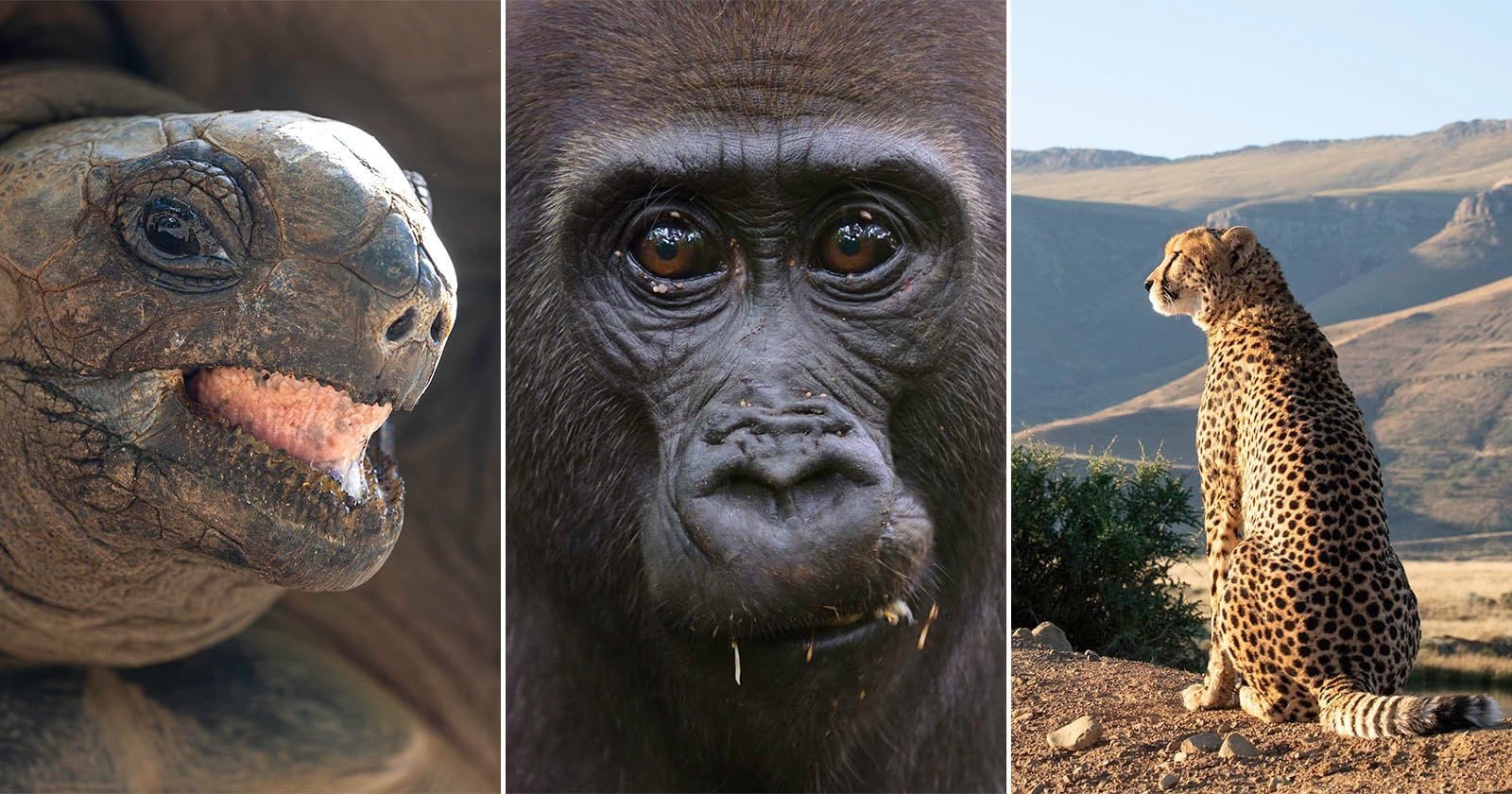
Carnivorous Tortoises: Documentation of tortoises stepping outside their herbivorous norm to hunt birds.
Pelican-Hunting Golden Wolves: Packs of African golden wolves taking down prey three times their own body mass.
Fossa Courtship Rituals: Rare footage of Madagascar’s top predator locked in fierce competition for mates.
Official Perspectives & Creative Philosophy
A defining hallmark of Africa: Earth’s Wild Home is its unique approach to framing human presence. Recognizing that anthropogenic elements often disrupt the immersion of natural history programming, Boyland and his team adopted what they describe as the "Tom and Jerry approach."
"We didn’t want to feel like we were in a human world," Boyland notes. When human figures do appear in the narrative—such as conservationists, trackers, or researchers—they are deliberately framed from the waist down, or shown only in silhouette observing the wildlife. This stylistic choice ensures that the animals remain the undisputed protagonists of their own stories.
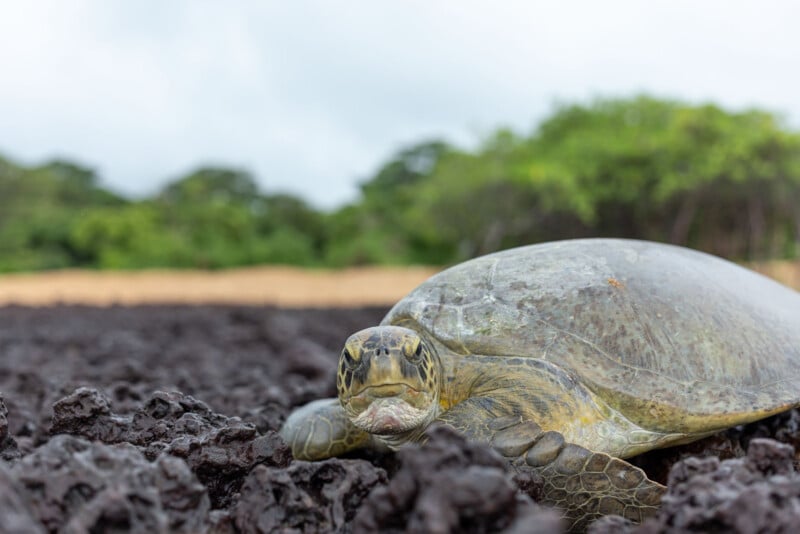
This philosophy is powerfully demonstrated in a heart-stopping sequence following sea turtles struggling across a brutal, rocky beach to reach the ocean. Rather than portraying conservationists as distant observers, the camera stays low, locked on the perspective of a desperate turtle. Human legs approach from the blurred background only as a last resort, when survival is mathematically impossible without intervention.
"We actually filmed the two endings for that one turtle that actually got to the ocean, and then we filmed that second turtle later that didn’t — was clearly not going to make it and was rescued," Boyland shares. "I’ve seen that sequence 20 times, and I still think it’s not going to make it."
Implications: The Evolution of Grassroots Conservation Storytelling
Beyond its technological and cinematic achievements, Africa: Earth’s Wild Home arrives at a critical juncture for global conservation. For decades, mainstream nature documentaries have focused heavily on macro-level environmental crises, often leaving viewers with a sense of fatalism regarding climate change and habitat destruction.
This series pivots toward a more empowering paradigm. By spotlighting local communities, regional scientists, and grassroots coalitions working tirelessly across Africa to protect native species, the series demonstrates that meaningful change often begins at the micro level.
Furthermore, the incredible behavioral insights captured by the film crews—such as the Namibian beetle that seemingly predicts unpredictable coastal mists better than modern meteorological models—underscore how much of the natural world remains undocumented and misunderstood. By bridging cutting-edge technology with intimate, character-driven storytelling, National Geographic’s latest franchise serves as both an artistic triumph and a vital reminder of what is worth saving.
Series Premiere Information
Network Television:Africa: Earth’s Wild Home premieres globally on National Geographic.
Streaming Release: Available to stream the following day on Disney+ and Hulu.

 By Iffa Jayyana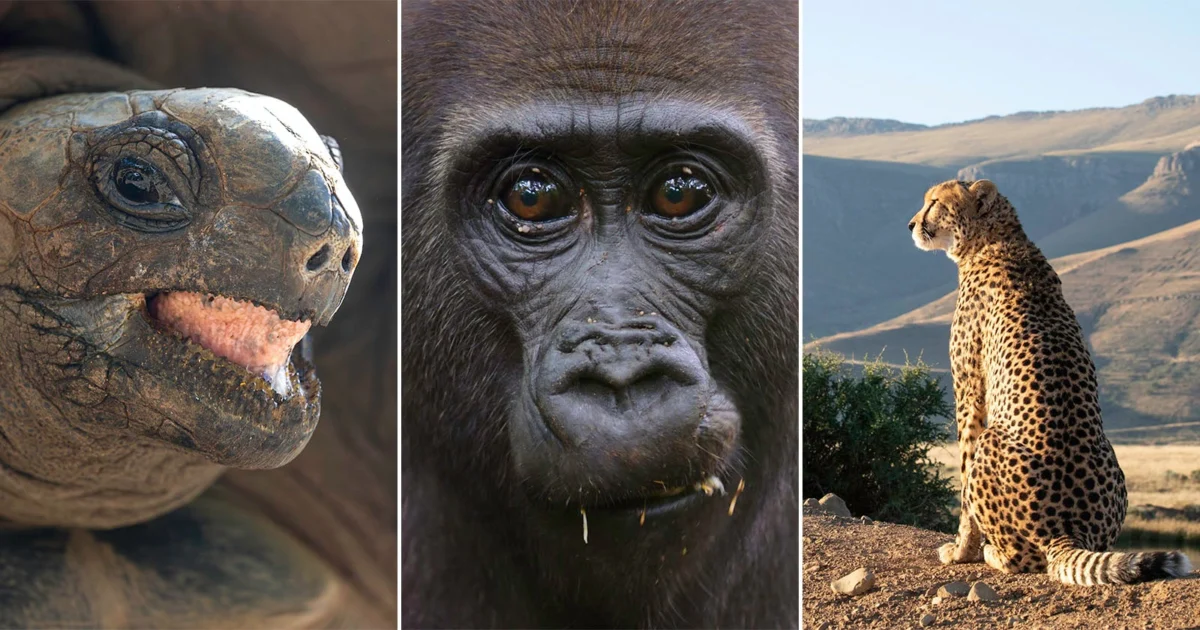

 Reynand Wu
  Asep Darmawan
  Ali Ikhwan