
 By Asro
GLOBAL / LIFESTYLE — While craft breweries and artisanal taprooms have dominated the beverage landscape over the last decade, mass-market, budget-friendly beers continue to hold a foundational place in society. Long associated with backyard barbecues, tailgates, and college-age celebrations, budget lagers and light pilsners retain a fiercely loyal demographic—ranging from nostalgic purists to seasoned drinkers with otherwise sophisticated palates.
However, a growing culinary and cocktail trend suggests that drinkers no longer need to settle for a one-note flavor profile. Across bars, backyard gatherings, and social media platforms, enthusiasts are experimenting with unexpected pantry staples and regional traditions to transform economical brews into complex, flavorful beverages. From bright citrus wedges and savory salts to bitter Italian aperitifs, these 11 additions prove that cheap beer is as easy to elevate as it is affordable.
Main Facts: The Anatomy of Beer Enhancement
The movement to upgrade mass-market beer is rooted in basic culinary science. Budget-friendly commercial beers—typically mass-produced lagers, pilsners, and light ales—are engineered for mass appeal, resulting in a crisp, clean, but often flat and unpretentious flavor profile. While this makes them exceptionally thirst-quenching, it also leaves ample room for flavor manipulation.
Unlike complex craft beers that are heavily hopped or barrel-aged, budget beers serve as a blank canvas. Introducing elements that provide acidity, salt, bitterness, or natural sweetness can cut through harsh aftertastes and draw out hidden flavor notes. Most enhancements require just a single ingredient, mirroring the simplicity of classic beer cocktails like the Mexican Michelada or the European Shandy.
Chronology: From Regional Folkways to Modern Bar Trends
The practice of doctoring beer is far from a modern internet phenomenon; it is deeply rooted in historical drinking culture.
- Early 20th Century: Southern American farm workers and sharecroppers pioneered the tradition of dropping salted peanuts into Coca-Cola—and later, cheap sodas and beers—to enhance sweetness and mask harsh flavors.
- Early 1980s: An anonymous bartender allegedly popularized serving Mexican lagers like Corona with a lime wedge, creating one of the most successful marketing and sensory pairings in beverage history.
- Mid-to-Late 20th Century: European beer cultures refined the art of mixing, establishing the Shandy (beer mixed with lemonade) and the Radler (beer mixed with fruit juices) as refreshing warm-weather staples.
- Present Day: Modern cocktail culture has breathed new life into these old traditions, introducing trendy iterations like the "Spaghett"—a blend of Miller High Life, lemon juice, and Italian aperitif—which has taken social media and hipster craft bars by storm.
Supporting Data: The 11 Best Ways to Upgrade Cheap Beer
Experts, bartenders, and regional drink traditions highlight 11 distinct additions capable of multiplying the flavor of an inexpensive beer:
1. The Classic Lime Wedge
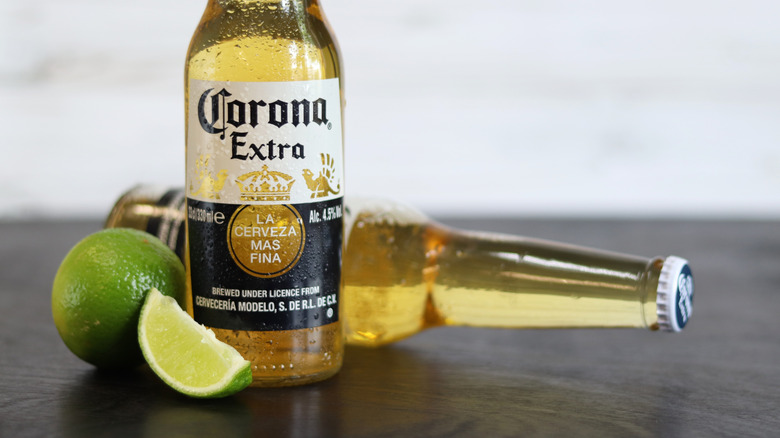
While inextricably linked to brands like Corona, citrus is universally effective. Adding a lime wedge to a simple lager, pilsner, wheat beer, or sour introduces brightness and acidity, transforming a flat drinking experience into a vibrant one.
2. Orange Slices and Belgian-Style Witbiers
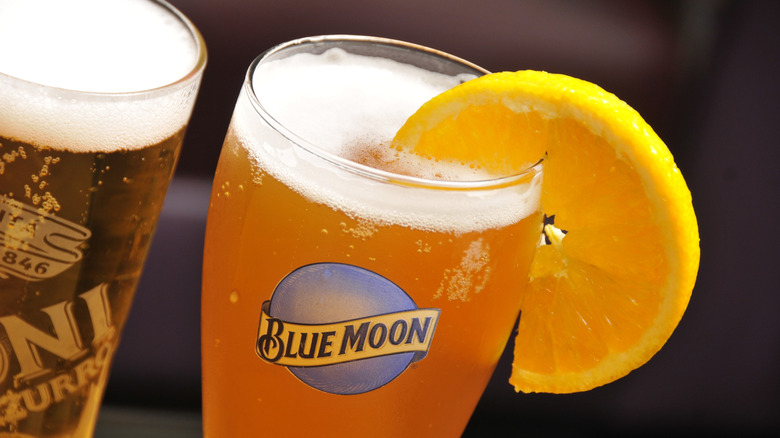
Mimicking the iconic presentation of a Blue Moon with an orange slice on the rim, sweet citrus plays wonderfully against the inherent coriander notes found in Belgian-style witbiers (such as Shock Top or Hoegaarden), even if the beer isn’t brewed with fresh fruit.
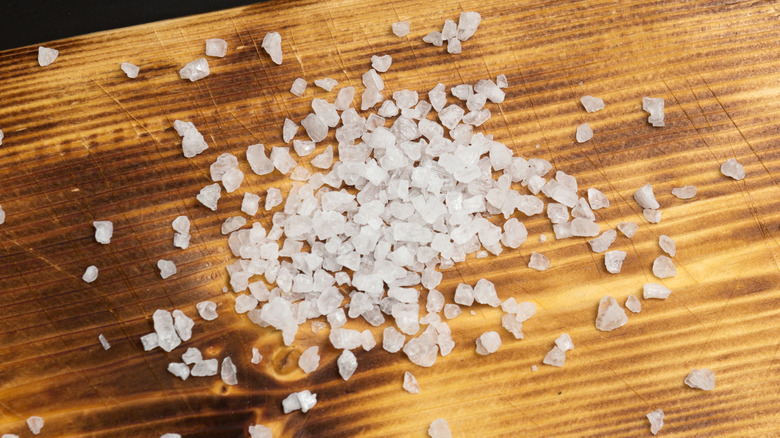
3. A Pinch of Salt
Salt cuts the bitterness of cheap beers and balances their overall flavor profile. Popular in communities near and around Mexico, a pinch of salt—or a salted rim—works wonders for light lagers, pilsners, and pale ales.
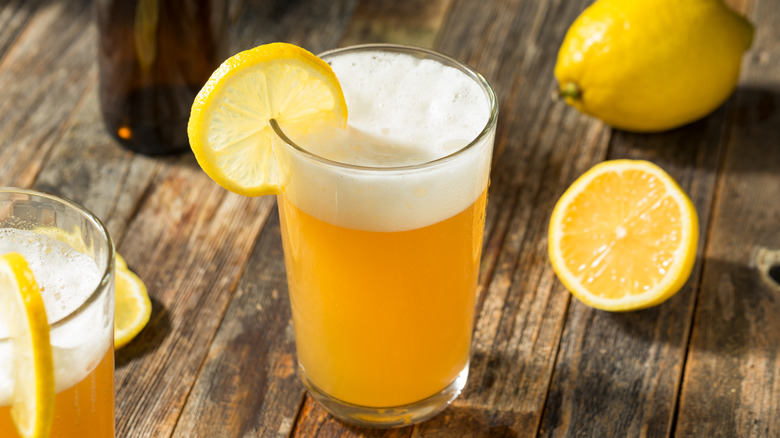
4. Lemonade (The Traditional Shandy)
Blending wheat beer with lemonade creates a shandy. To prevent the mixer from completely overwhelming the beer’s malt profile, experts recommend keeping the lemonade ratio at or below 50%.
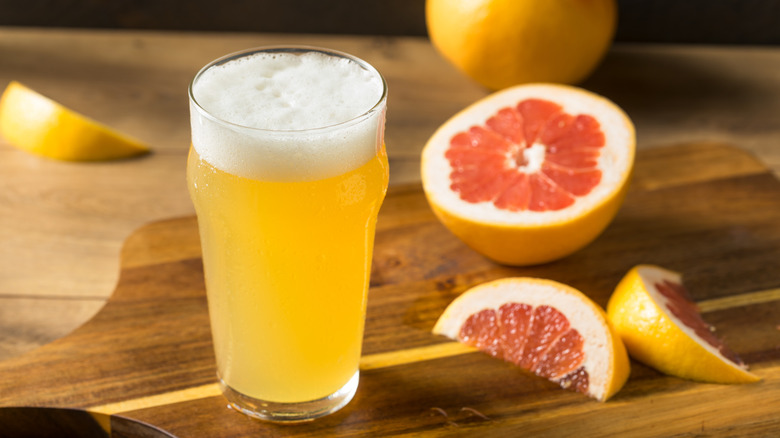
5. Fruit Juice (The Radler Tradition)
Similar to the shandy, the radler tradition mixes easy-drinking beer with non-lemon fruit juices like grapefruit, blood orange, or raspberry. Bartenders frequently combine juices—such as cherry-lime or ginger-lemon—for added complexity.
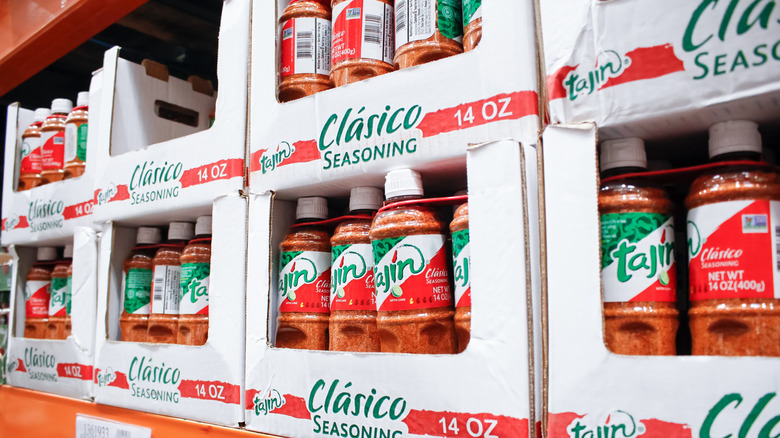
6. Tajín Seasoning
Combining two foundational elements—salt and lime—with a kick of chili heat, a Tajín-rimmed can of beer (such as a Tecate) offers a beer-cocktail experience reminiscent of a spicy margarita or a Bloody Mary.
7. Cocktail Bitters
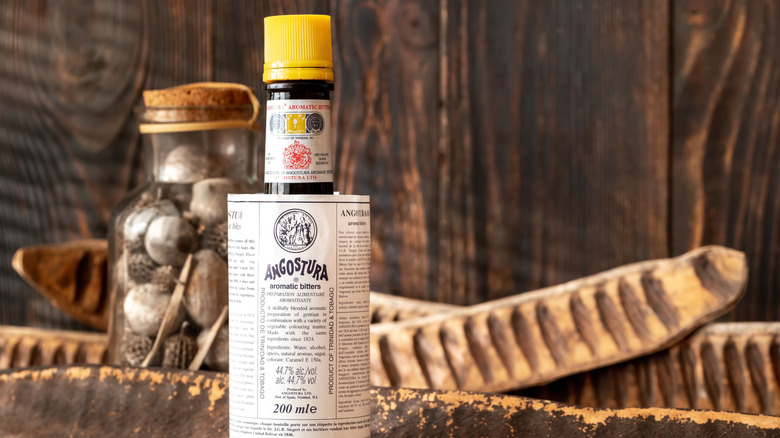
A well-kept bartender secret, adding dashes of cocktail bitters (like Angostura or Peychaud’s to lagers and pilsners, or grapefruit bitters to IPAs) releases unexpected aromatic layers, drawing inspiration from the French Picon Bière.
8. Salted Peanuts
Dropping salted peanuts straight into a glass of cheap beer serves a dual purpose: the salt enhances the beverage’s natural sweetness while smoothing out unpleasant aftertastes. As a bonus, the physical properties of the peanuts cause them to rhythmically float and sink due to bubble formation.
9. Old Bay Seasoning (The "Boh-tini")
A regional Baltimore specialty, dusting the rim of a National Bohemian ("Natty Boh") lager with Old Bay creates a savory cocktail known locally as a "Boh-tini" or "Boh-rita," occasionally garnished with steamed shrimp or crab meat.
10. Aperol (The Modern "Spaghett")
By combining an inexpensive, high-production-value lager like Miller High Life with fresh lemon juice and the orange aperitif Aperol, drinkers can craft a "Spaghett"—a trendy, budget-friendly cocktail that tastes akin to an easy-drinking Negroni spritz.
11. Campari
For those who prefer a less sweet, more robustly bitter flavor profile, substituting Aperol with Campari in the aforementioned Miller High Life and lemon juice base creates a bolder variation known as the Campari Spaghett.
Official Responses and Industry Perspectives
The culinary world has largely embraced this trend, viewing it as a playful rebellion against pretentious mixology culture.
- The Purist Perspective: Traditionalists argue that mass-market beers should be appreciated for what they are—uncomplicated, highly accessible social lubricants meant to be enjoyed ice-cold straight from the can.
- The Mixologist Perspective: Contemporary bartenders champion these methods, noting that they democratize cocktail culture. By showing that high-end bitter liqueurs and culinary spices can interact harmoniously with budget-friendly ingredients, the beverage industry encourages creativity over brand snobbery.
"There are no rigid rules when it comes to personal taste," notes one veteran beverage consultant. "If a dash of bitters or a squeeze of fresh citrus makes a two-dollar can of beer taste like a ten-dollar experience, you’ve successfully elevated your evening without breaking the bank."
Implications
The widespread popularity of dressing up cheap beer carries significant implications for both consumer behavior and the hospitality sector:
- Economic Resilience: In times of economic uncertainty or rising inflation, consumers looking to cut back on expensive craft cocktail bars can pivot to budget beers without sacrificing flavor variety.
- Bridging High and Low Culture: The trend reflects a broader cultural shift where high-brow ingredients (like Campari and artisanal sea salts) seamlessly integrate with low-brow staples (like mass-market lagers), breaking down traditional culinary barriers.
- Sustainability and Accessibility: Encouraging home experimentation reduces food waste, utilizing common pantry items (such as leftover citrus wedges, spices, and juice) to reinvent beverages that are universally accessible.
Ultimately, whether through a squeeze of lime on a hot beach day or an adventurous Campari Spaghett at a local watering hole, the humble can of cheap beer proves that great taste is not exclusively reserved for top-shelf prices.
 Suro Senen
  Neng Nana