
 By Azzam Bilal Chamdy
Selecting the correct transaction infrastructure is a foundational operational milestone for any modern enterprise. As commerce continues its rapid migration toward digital platforms, the choice of a payment gateway dictates not only cash flow efficiency, but also conversion rates, fraud vulnerability, and overall brand trust.
For founders launching ventures or established proprietors re-evaluating legacy merchant accounts, the landscape of 2025 presents a paradox of choice. To demystify the ecosystem, an analysis of the industry’s most prominent payment systems highlights the top six platforms available today, categorized by their distinct operational strengths, technical frameworks, and target markets.
The Anatomy of a Modern Payment System
Before evaluating specific platforms, it is crucial to establish a precise understanding of what constitutes a modern payment system. At its core, a payment system functions as the technological bridge connecting a consumer and a merchant to facilitate the authorized transfer of funds in exchange for goods or services.
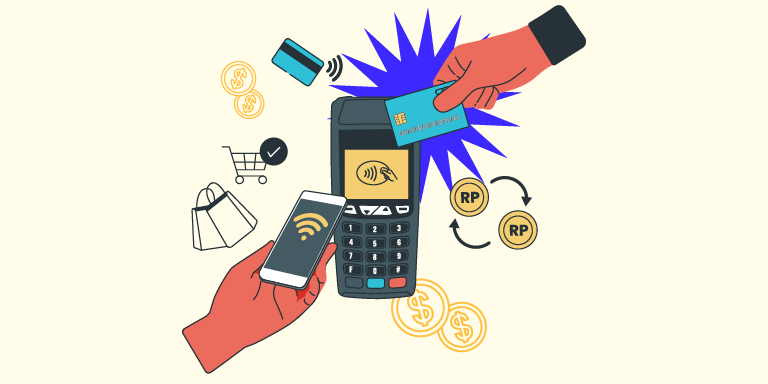
This ecosystem encompasses credit card processors, online payment gateways, mobile wallet integrations, and automated clearing house (ACH) networks. These frameworks are engineered to secure financial data, comply with regulatory mandates, and execute transfers with minimal latency.
However, payment systems must not be confused with standalone financial accounts, traditional commercial banking services, or decoupled marketing funnels. They are specialized transactional pipelines designed specifically to convert customer intent into settled revenue.
Core Criteria for Evaluating Payment Infrastructure
When narrowing down the optimal payment systems for small and medium-sized enterprises (SMEs), industry analysts evaluate several critical metrics. These criteria ensure that the chosen technology supports scalable growth rather than bottlenecking operations.

1. Payout Velocity and Cash Flow Management
Cash flow remains the lifeblood of any small business. When a customer initiates a transaction, funds do not instantly materialize in a merchant account. Instead, they pass through authorization, clearing, and settlement phases. Payout times vary drastically across providers—ranging from instantaneous or same-day deposits for premium tiers to standard 2-to-3 business-day windows. For tight startup budgets, rapid payout velocity is non-negotiable.
2. User Experience and Checkout Friction
A sophisticated backend is worthless if the frontend checkout experience alienates buyers. High checkout friction—characterized by redirected payment pages, slow load times, or cumbersome form fields—directly correlates with elevated cart abandonment rates. Optimal systems balance rigorous security protocols with frictionless, intuitive interface designs.
3. Global Accessibility and Multi-Currency Support
Geographic boundaries increasingly blur in the digital economy. Businesses must determine whether their primary consumer base is localized or international. While some processors excel at localized transactions, others provide robust cross-border infrastructure, enabling multi-currency acceptance and localized payment methods tailored to specific global markets.
4. Fee Structures and Pricing Transparency
The payment processing industry is notoriously complex, utilizing tiered pricing, interchange-plus models, and flat-rate structures. Small business owners must navigate variable transaction fees, monthly platform subscriptions, chargeback penalties, and cross-border surcharges to identify a pricing model that aligns with their volume and profit margins.
5. Security and Regulatory Compliance
Data breaches can devastate a fledgling enterprise. Consequently, every credible payment processor must comply with the Payment Card Industry Data Security Standard (PCI-DSS). Advanced fraud detection, tokenization, and end-to-end encryption are essential features to protect both the business and its clientele from sophisticated cyber threats.
The Top 6 Payment Systems for Small Businesses in 2025
Synthesizing the evaluation criteria above, industry research highlights six standout platforms for businesses navigating the 2025 commercial landscape.

1. Stripe: The Developer-Friendly Digital Standard
Stripe has cemented its reputation as a preferred solution for digital-first enterprises, SaaS providers, and e-commerce brands. Its primary advantage lies in its seamless developer tools and on-site checkout capabilities.
- Pros: Keeps customers on your native website throughout the transaction, significantly reducing bounce rates; highly customizable API; supports automated subscription billing.
- Potential Drawbacks: Advanced configurations and bespoke financial integrations often require dedicated developer resources.
- Pricing Overview: Generally operates on a transparent, flat-rate fee per successful online transaction (typically around 2.9% + 30¢ for standard cards), with custom enterprise pricing available for high-volume users.
2. PayPal: The Ubiquitous Trust Anchor
As one of the most recognizable names in digital finance, PayPal offers instant brand recognition that can alleviate conversion hesitation among unfamiliar buyers.
- Pros: High global trust factor; supports multi-currency transactions across dozens of countries; rapid account setup.
- Potential Drawbacks: Standard checkouts often redirect users away from the merchant’s site to PayPal’s portal, which can occasionally disrupt user flow.
- Pricing Overview: Standard online processing sits at competitive flat rates, though cross-border fees and withdrawal charges can accumulate for international sellers.
3. Authorize.net: The Robust, Feature-Rich Gateway
A Visa solution, Authorize.net is a seasoned veteran in the payment gateway space, prized for its advanced security suites and reliability.
- Pros: Highly sophisticated fraud detection and management systems; extensive developer documentation; robust support for virtual terminals and recurring billing.
- Potential Drawbacks: Can involve monthly gateway fees alongside standard per-transaction costs, making it potentially less cost-effective for micro-businesses with low transaction volumes.
- Pricing Overview: Combines a monthly gateway fee with standard per-transaction processing rates, or an all-in-one plan for merchants without an existing merchant account.
4. Amazon Pay: Leveraging Household Brand Recognition
Amazon Pay allows merchants to harness the trusted checkout experience of the world’s largest e-commerce ecosystem, enabling millions of consumers to purchase using credentials already stored in their Amazon accounts.
- Pros: Drastically shortens checkout times for existing Amazon users; instills immediate brand confidence; seamless integration with major e-commerce platforms.
- Potential Drawbacks: Tied heavily to the Amazon ecosystem; customer data ownership and relationship management can feel slightly intermediated.
- Pricing Overview: Standard processing fees aligned with industry norms for web and mobile transactions, supplemented by authorization fees.
5. Square: The Undisputed King of Omnichannel and In-Person Retail
For small businesses operating physical brick-and-mortar storefronts, pop-up shops, or service-based mobile businesses, Square remains the gold standard.
- Pros: Excellent hardware ecosystem (chip readers, contactless terminals); powerful virtual terminal for keyed-in payments; user-friendly point-of-sale (POS) software.
- Potential Drawbacks: Account freezes can occasionally occur if transaction patterns trigger automated risk reviews, which can disrupt cash flow for smaller operations.
- Pricing Overview: Offers free baseline POS software with tiered monthly upgrades; transaction fees vary by swipe, insert, tap, or keyed-in entry.
6. SecurePay: The Versatile Alternative
SecurePay offers a flexible, feature-rich alternative for startups seeking comprehensive payment options coupled with trial accessibility.
- Pros: Highly accessible setup with robust API integrations; accommodates a wide array of alternative payment methods; trial periods allow businesses to test architecture before deployment.
- Potential Drawbacks: Lower brand awareness among mainstream consumers can occasionally introduce friction if buyers hesitate to use an unfamiliar interface.
- Pricing Overview: Competitive tiered or flat-rate models designed to scale alongside growing enterprise volumes.
Strategic Implications for the Future
Choosing a payment system is not a static administrative task; it is a strategic decision that shapes customer lifetime value, operational overhead, and scalability. As payment technologies evolve in 2025—incorporating deeper biometric verifications, instant account-to-account transfers, and AI-driven fraud mitigation—small business owners must continuously audit their financial infrastructure.
Before committing to a provider, merchants are advised to review official documentation, verify current fee schedules against projected sales volumes, and ensure alignment with their specific operational model—whether that entails high-frequency physical retail or global digital distribution.
 Raul Delapena Setiawan
  Nana
Nana  Sagoh
Sagoh 