
 By Siti Muinah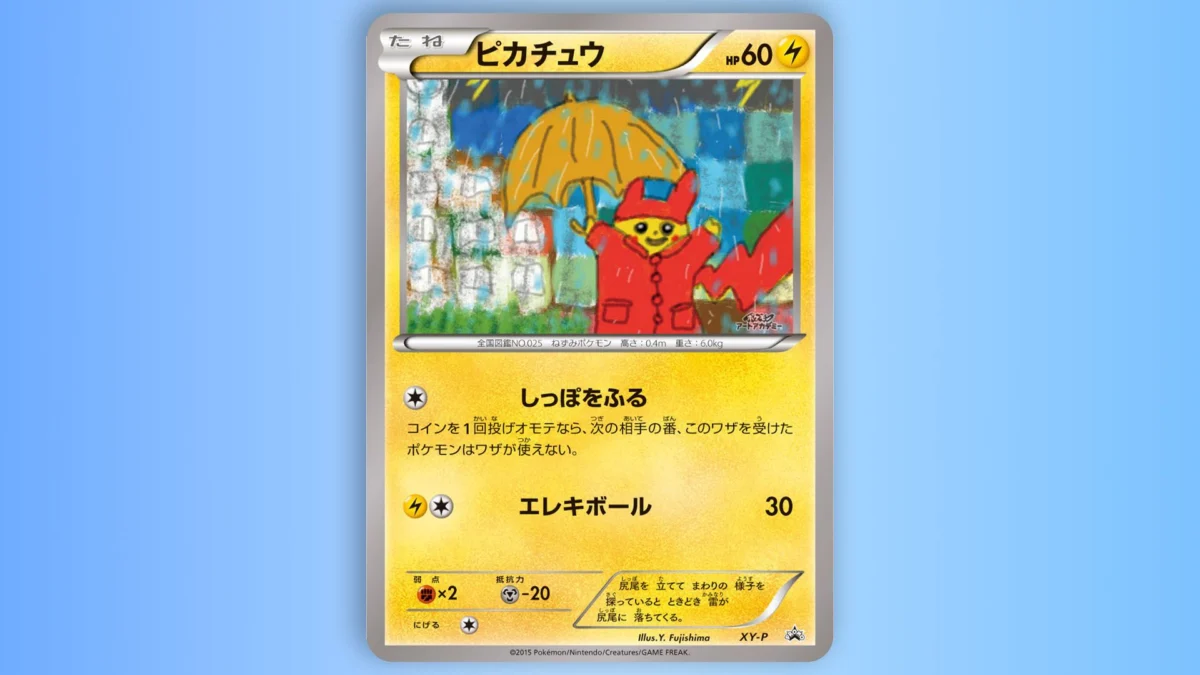
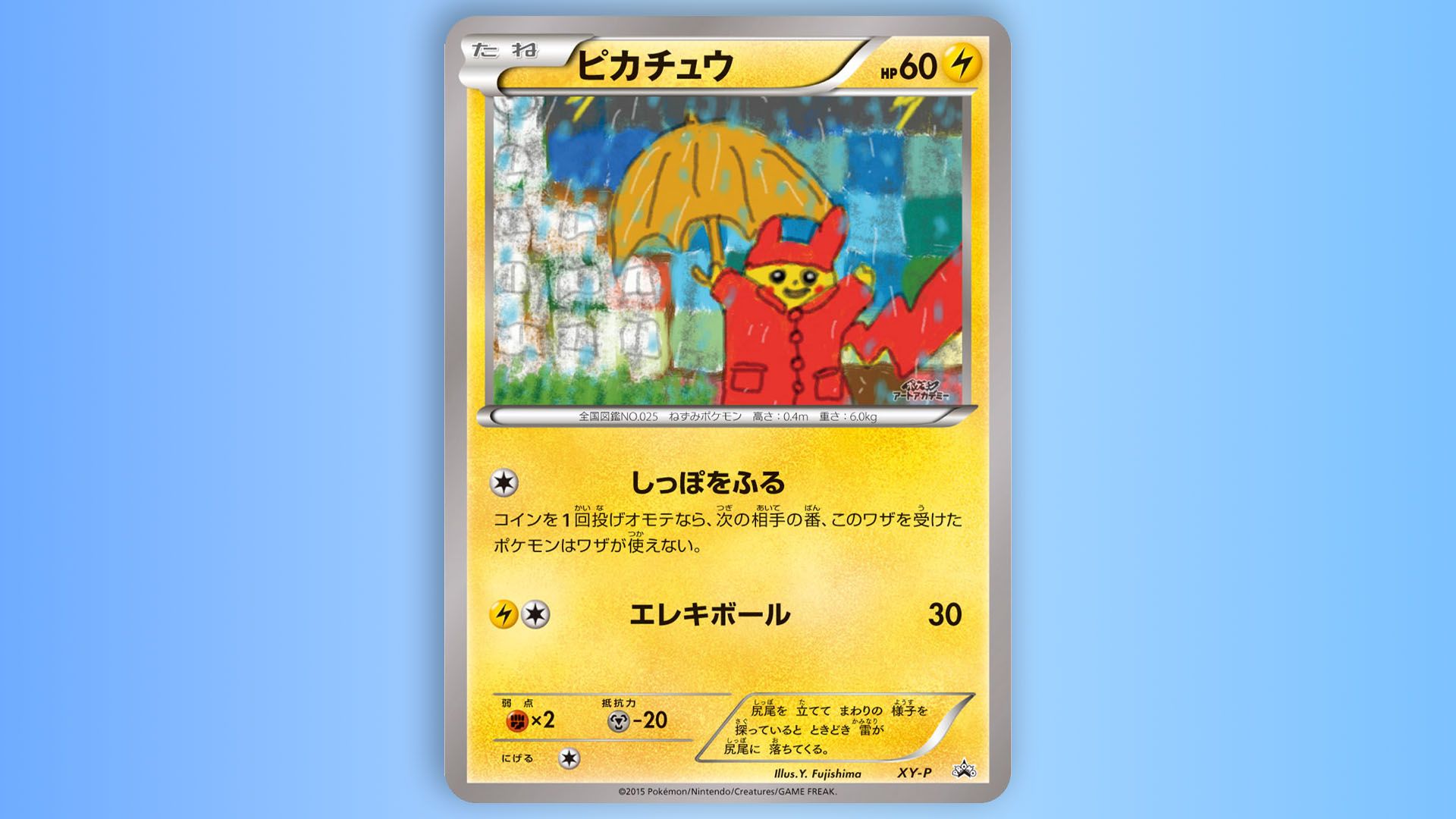
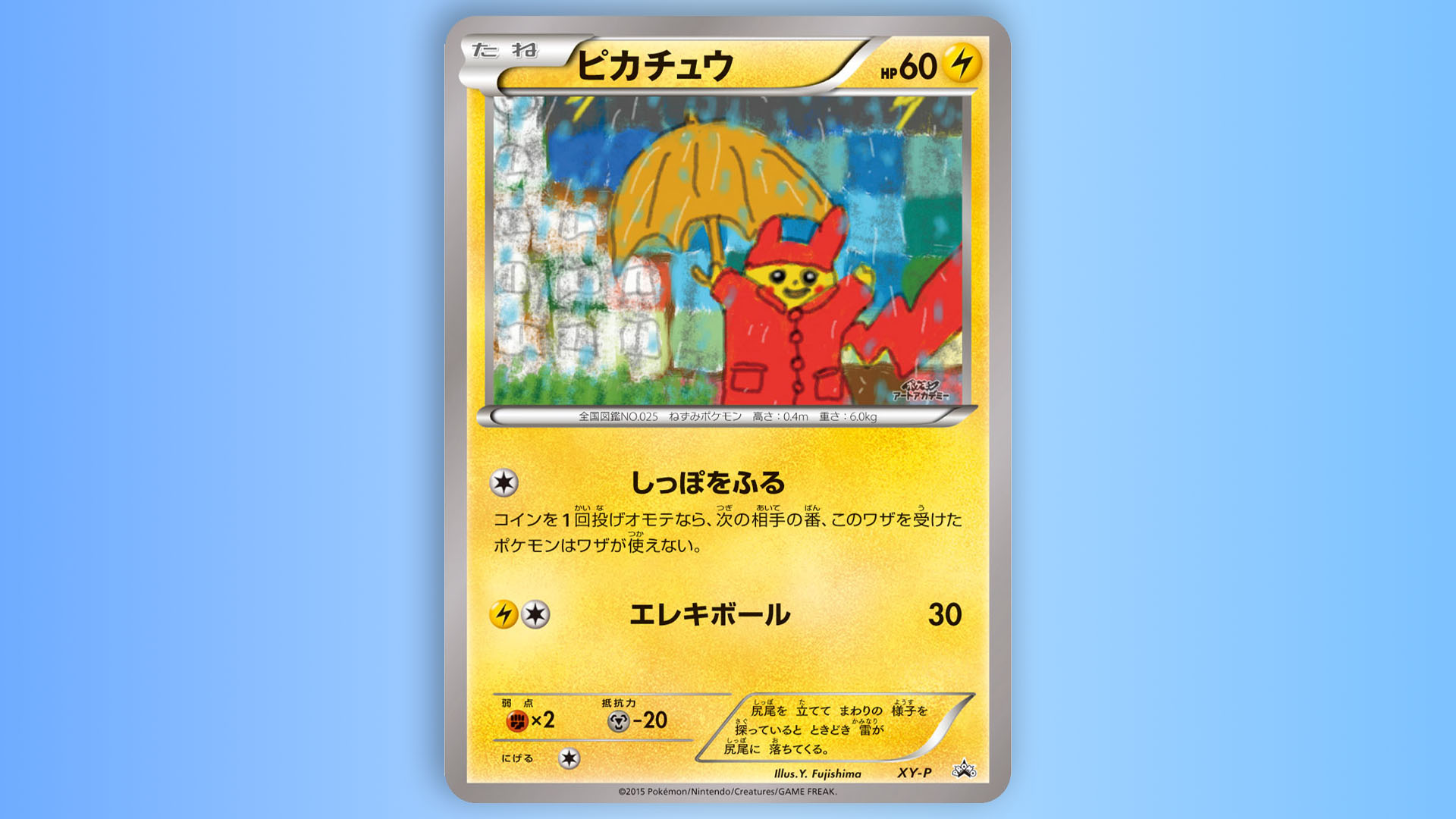
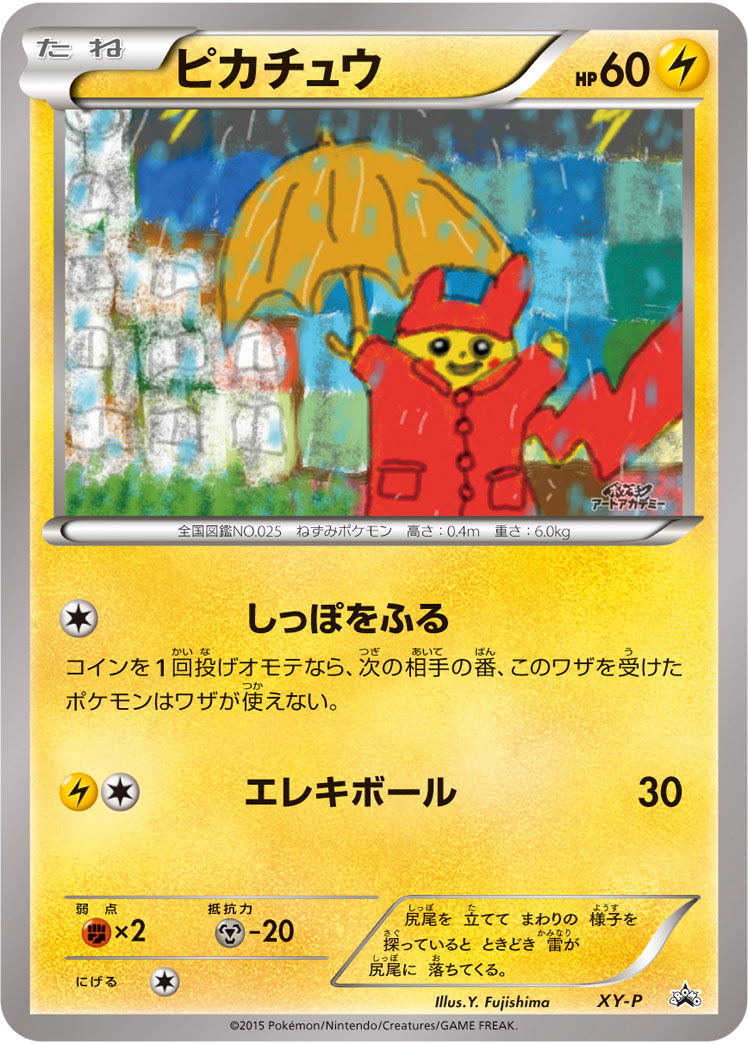
The global trading card game (TCG) market has evolved from a niche hobby for children into a sophisticated asset class that rivals fine art and rare coins. At the center of this financial revolution sits Pokémon, the Japanese media franchise that has become a juggernaut of cultural and economic significance. In a recent display of market fervor, a PSA 10 Gem Mint copy of the 2015 Pokémon Japanese XY Promo Art Academy Fujishima Pikachu—colloquially known as "Raincoat Pikachu"—shattered expectations by selling for a staggering $8.4 million at auction via Fanatics Collect.
This record-breaking sale underscores a growing trend in the collectibles market: the hyper-valuation of rare, low-population cards that possess a distinct narrative history. While traditional investors might look toward stocks or real estate, a growing cohort of ultra-high-net-worth collectors is turning to the vibrant, cardstock-based world of Pokémon.
The Anatomy of a Masterpiece: What Makes "Raincoat Pikachu" So Special?
To the uninitiated, the price tag of $8.4 million for a small piece of cardboard may seem surreal. However, within the high-stakes world of TCG collecting, value is derived from a complex intersection of scarcity, provenance, and historical significance.
The "Raincoat Pikachu" is not a standard booster pack pull. It was the result of a specific 2015 promotion: the Pokémon Art Academy competition. Participants from around the world were invited to design their own cards within the Nintendo 3DS game, Pokémon Art Academy. The competition was categorized, and the winners were promised a unique, tangible reward: 100 officially printed copies of their digital design.
The card in question was designed by an artist known as Y. Fujishima. It depicts Pikachu standing under a small, yellow umbrella, sheltered from a gentle rain. The design is charming, distinctly "hand-drawn," and lacks the corporate gloss of standard set cards. This "homegrown" aesthetic is exactly why it is so coveted. It represents a moment in time where a fan’s creativity was canonized by The Pokémon Company. Because only 100 copies were ever produced—and given that many of these are likely lost, damaged, or held in permanent private collections—the pool of available, high-grade copies is infinitesimally small.
Chronology of the Pokémon Market Boom
The explosion in the value of Pokémon cards did not happen overnight. It was the culmination of three decades of brand loyalty, generational wealth transfer, and a pivotal shift in how the world perceives "collectibles."
The 1990s: The Genesis
Pokémon debuted in 1996 in Japan. The cards were intended as a game for children. Throughout the late 90s, the "Base Set" mania hit the United States, creating a generation of enthusiasts who grew up with the franchise.
2020: The Catalyst
The COVID-19 pandemic served as a massive accelerant for the TCG market. With the world in lockdown, many turned to their childhood hobbies. Influencers and celebrities—most notably Logan Paul—began showcasing high-value cards, turning the pursuit of rare items into a viral spectacle.
2022–2024: The Asset Class Maturity
The market shifted from "hobbyist collecting" to "professional investment." High-profile auction houses like Goldin, Heritage, and now Fanatics Collect began dedicating entire divisions to TCGs. The record for the most expensive card shifted rapidly, culminating in Logan Paul’s purchase of a Pikachu Illustrator card for $5.275 million, which was later re-valued in the secondary market context to reach figures as high as $16.5 million.
The sale of the "Raincoat Pikachu" for $8.4 million confirms that we have entered a phase where top-tier cards are no longer just toys; they are blue-chip assets.
Supporting Data: The Scarcity Factor
The economic model behind the $8.4 million sale is rooted in the "Population Report" metrics used by grading services like PSA (Professional Sports Authenticator). Collectors pay a premium for "Gem Mint 10" status because it guarantees that the card is essentially flawless.
| Card Name | Estimated Valuation | Key Driver |
|---|---|---|
| Pikachu Illustrator | $16.5 Million | Rarity/Historical Significance |
| Raincoat Pikachu (Art Academy) | $8.4 Million | Low Population/Fan Provenance |
| 1999 Base Set Charizard (1st Ed) | $400k – $500k | Cultural Iconography |
The supply of the "Raincoat Pikachu" is fixed. Because it was a one-time promotional event, no more will ever be printed. In the eyes of the collector, this makes the card a "fixed-supply asset." Unlike the stock market, where companies can issue new shares, or real estate, where new homes can be built, the supply of this specific Pikachu card will only ever decrease due to attrition (accidental damage or loss).
Official Responses and Market Sentiment
While the general public often expresses shock at these figures, the industry response has been one of validation. Fanatics Collect, which facilitated the sale, noted that the auction attracted 64 distinct bids. This level of engagement suggests that the $8.4 million price point was not an anomaly caused by a single irrational buyer, but rather the result of a competitive bidding war between several high-net-worth entities.
Industry analysts suggest that the Pokémon card market is undergoing a "flight to quality." As the broader economy fluctuates, investors are seeking tangible assets that carry deep cultural resonance. Pokémon, with its 30-year track record and global reach, is seen as a "safe haven" compared to more volatile, intangible assets like some cryptocurrencies or unproven NFT projects.
"The sale of the Art Academy Pikachu proves that the market is valuing ‘story’ as much as ‘rarity,’" says a leading TCG consultant. "This card represents a bridge between the artist and the brand. It is a piece of art that happens to be a Pokémon card."
Implications for the Future of Collectibles
The record-breaking sale of the "Raincoat Pikachu" carries several significant implications for the future of the hobby:
1. The Death of the "Toy" Narrative
We must stop referring to these items as toys. When an object reaches a valuation of $8.4 million, it belongs in the same conversation as fine art, classic automobiles, and rare stamps. This necessitates better security, provenance tracking, and storage solutions for collectors.
2. The Rise of "Art Academy" Style Cards
There is likely to be an increased interest in promotional cards that feature unique, non-standard art. Collectors are looking for "the next big thing," and cards with interesting backstories or limited distributions (like the Art Academy series) are becoming the primary targets for speculators.
3. Sustainability and Physical Media
In an age where everything is becoming digitized, the massive demand for physical, PSA-graded cards is a powerful statement. Despite the digital transformation of entertainment, there is an inherent human desire to hold and own rare, physical objects. This "physicality premium" is likely to grow in the coming years.
4. Market Risk
However, the market is not without its risks. The extreme valuations create a barrier to entry that may alienate younger fans. If the barrier to entry becomes too high, the "top" of the market may become disconnected from the "base," potentially creating a bubble that relies on an increasingly small group of wealthy individuals to sustain liquidity.
Conclusion: A Legacy Defined by Ink and Cardstock
The $8.4 million "Raincoat Pikachu" is more than just a card; it is a symbol of a generation that has come of age. It represents the intersection of pop culture, artistic appreciation, and speculative finance. While the average collector may never hold such a piece in their hands, the mere existence of this card continues to drive interest in the hobby.
As we look toward the future, the Pokémon franchise shows no signs of waning. With new initiatives to combat AI-generated art and a continued focus on high-quality, physical collectibles, Pokémon is positioning itself to remain the dominant force in the TCG world for decades to come. Whether the price of a single card will eventually eclipse the $20 million mark remains to be seen, but one thing is certain: for the world’s most dedicated collectors, the quest for the ultimate Pikachu is far from over.
 Ali Ikhwan
  Suro Senen
  Neng Nana