
 By Neng Nana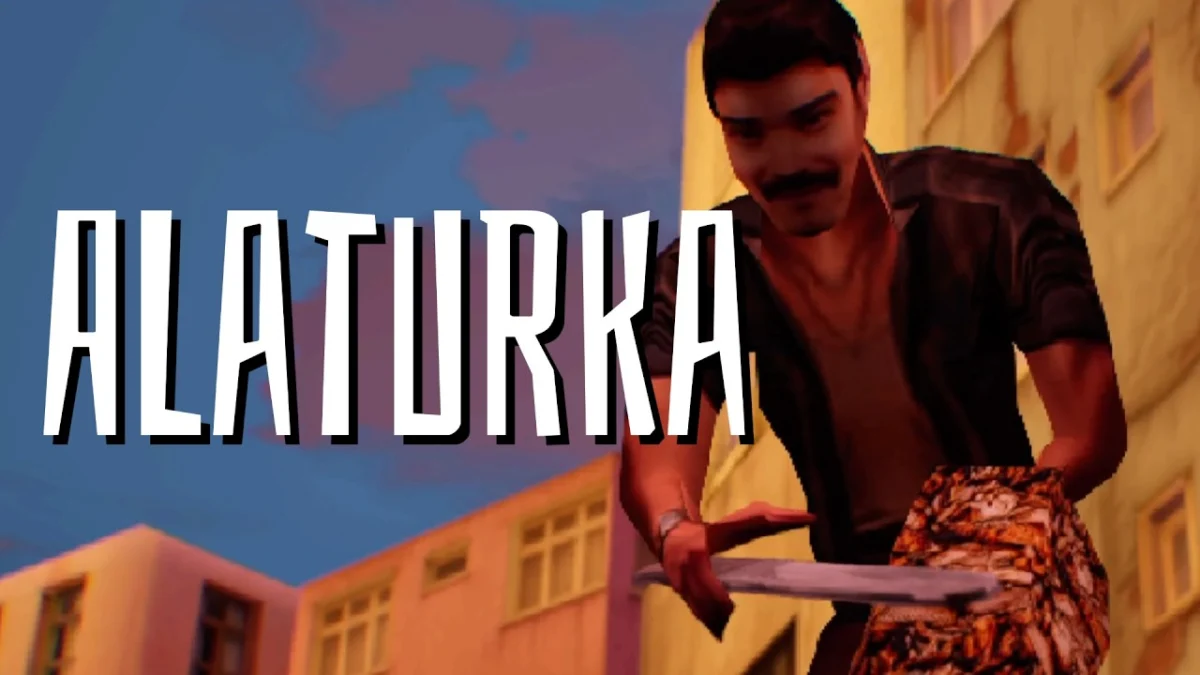
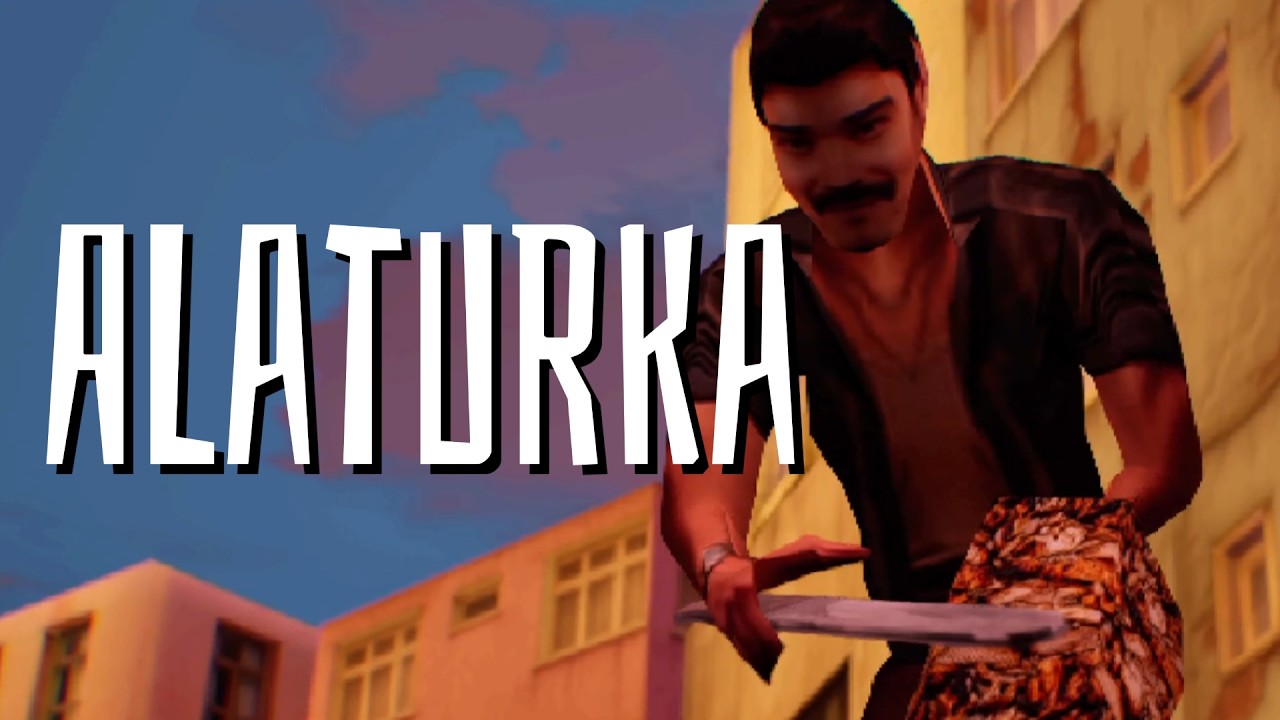
In the shadow of the colossal anticipation surrounding Rockstar Games’ upcoming Grand Theft Auto VI, a quiet, grassroots revolution is taking place in the indie game development scene. While the gaming industry pivots toward photorealistic graphics and hardware-straining fidelity, Burak Akşahin—known online as Bufuak—has taken a different path. His project, Alaturka, is a love letter to the golden era of open-world gaming, specifically the PlayStation 2-era classics, but with a distinct, culturally rich twist: it is set entirely in the vibrant, chaotic streets of 1970s Istanbul.
Alaturka is not just another “GTA clone.” It is a sophisticated educational experiment, a technical achievement in Unreal Engine 5, and a nostalgic homage to a bygone aesthetic. Built over the course of 18 months, the game has transitioned from a tutorial project for budding developers into a full-fledged commercial title that challenges the necessity of high-end hardware for high-octane fun.
The Genesis of a Digital Istanbul
The story of Alaturka began with a pedagogical mission. Akşahin, an experienced Unreal Engine tutor, sought to demonstrate to his students that the principles of open-world game design—AI navigation, physics, vehicle handling, and world-building—could be mastered by a single developer without the backing of a multi-million dollar studio.
By live-streaming his development process, Akşahin provided a raw, unfiltered look at the challenges inherent in game design. He invited his audience to witness the inevitable crashes, the tedious debugging sessions, and the creative pivots that occur when building a city from scratch. This transparency not only served as a masterclass for his students but also built a loyal community of followers who watched the city of Istanbul grow from a blank canvas to a living, breathing digital entity.
Chronology of Development: From Prototype to Product
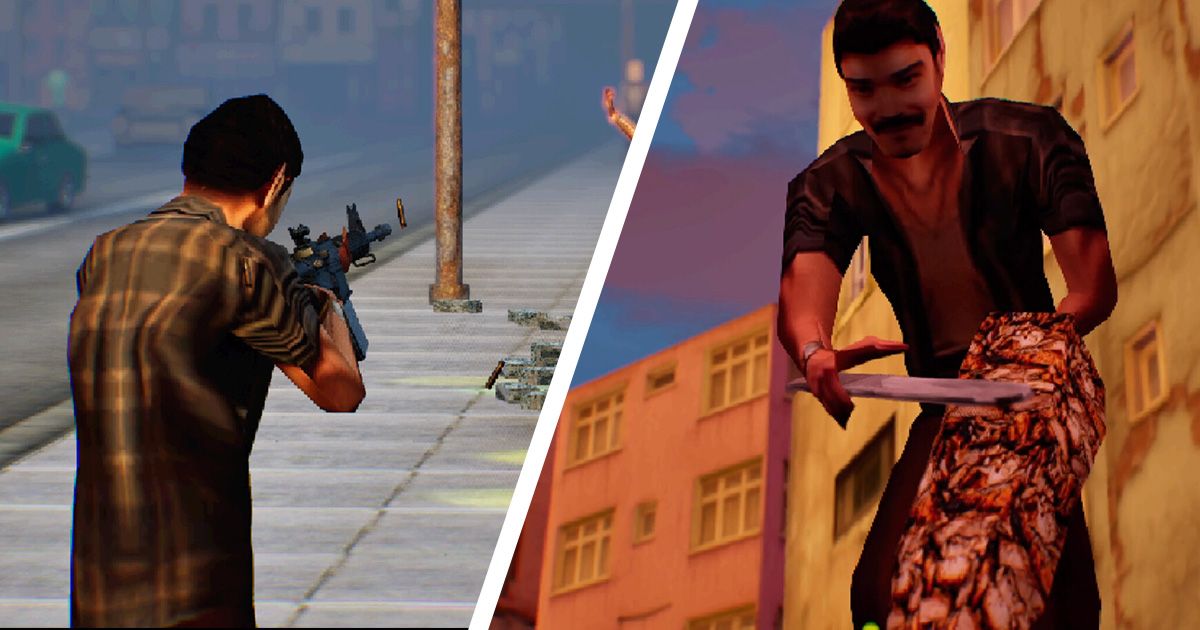
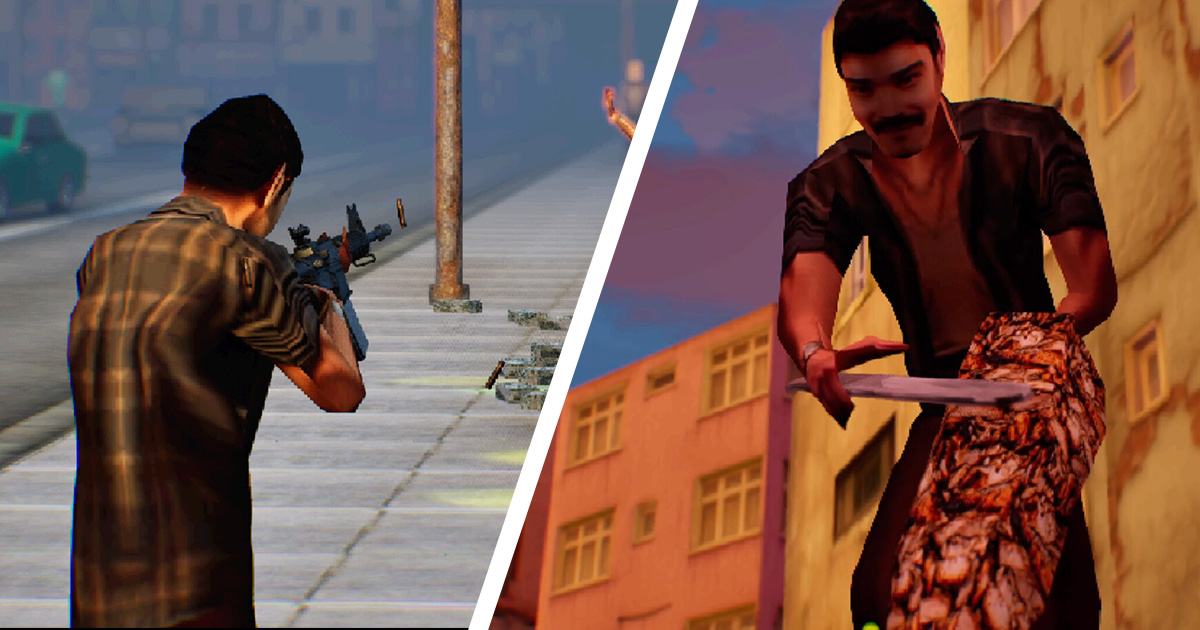
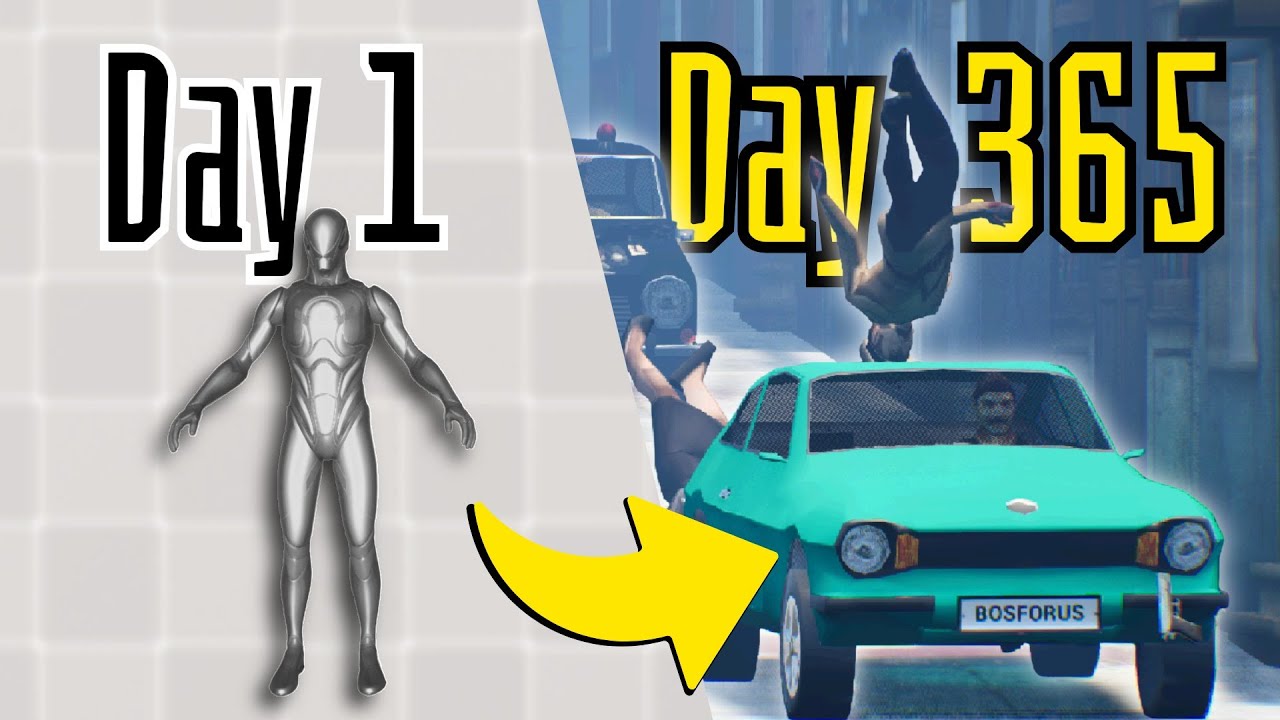
The development timeline of Alaturka spans roughly a year and a half. In the early stages, the focus was entirely on functionality. Using Unreal Engine 5, Akşahin experimented with high-fidelity character models, including Epic Games’ advanced MetaHuman tools. However, as the project evolved, he made a pivotal artistic and technical decision: he pivoted to a "low-poly" aesthetic reminiscent of the early 2000s.
This shift was pragmatic. By opting for a retro art style, Akşahin ensured that Alaturka would be accessible to a broader range of players, including those using older or less powerful hardware. It was a stylistic choice that also served to sharpen the game’s identity, positioning it firmly within the "retro-sandbox" subgenre.
Key Milestones:
- Initial Concept: A desire to teach students the fundamentals of Unreal Engine 5 through the creation of a GTA-inspired open world.
- Engine & Asset Foundation: Utilizing satellite imagery of Istanbul as a geographic blueprint to recreate the city’s iconic topography, including the Bosphorus shoreline.
- Mid-Development Pivot: The move from photorealistic character models to a stylized, low-poly aesthetic to optimize performance.
- The Chaos System: Eight months ago, the implementation of a complex "chaos system" marked a turning point. This allowed for emergent gameplay—chain reactions of explosions, unpredictable NPC behavior, and a reactive police and civilian AI that keeps the world feeling dangerous and alive.
The Mechanics of Chaos: Under the Hood
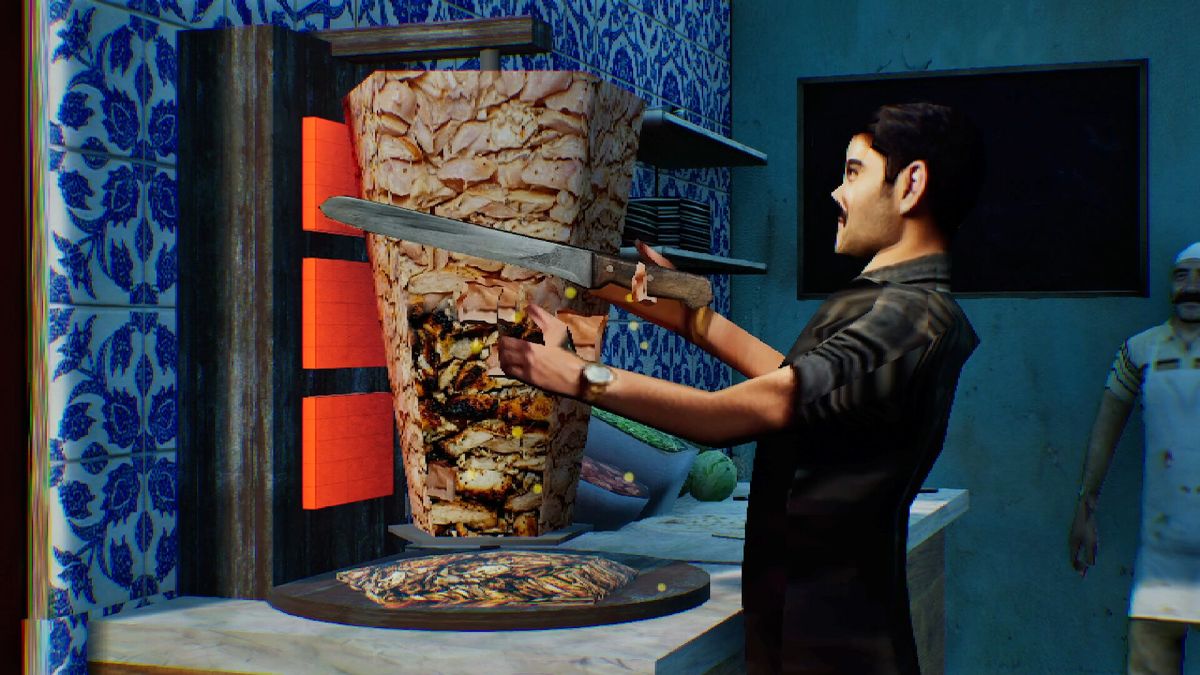
What separates a good open-world game from a truly memorable one is the "emergent behavior" of its systems. In Alaturka, the player assumes the role of a döner kebab apprentice to their uncle. While this premise provides a grounded, humorous narrative hook—delivering wraps, slicing meat, and taking on increasingly illicit odd jobs—the true "meat" of the game lies in its systemic design.
Akşahin’s work on the game’s AI is particularly noteworthy. He developed custom systems for vehicle avoidance, pedestrian pathfinding, and combat. In a recent showcase, he detailed how he modeled period-accurate vehicles from scratch, ensuring they matched the aesthetic of 1970s Turkey. The integration of a day-and-night cycle, complete with atmospheric lighting that captures the golden hues of Istanbul sunsets, adds a layer of immersion that belies the game’s simple geometry.
Perhaps most impressive is the soundtrack and mood. By immersing himself in 70s Anatolian Psychedelic Rock—a genre known for its swirling, hypnotic, and genre-defying sound—Akşahin has successfully infused the game’s atmosphere with a specific, authentic sense of place that goes beyond mere visual assets.
Technical Specifications and Accessibility
In an era where AAA games often require top-tier GPUs and significant storage space, Alaturka serves as a counterpoint. By leveraging the power of Unreal Engine 5 while maintaining a low-poly budget, the game is designed to be hardware-agnostic.
Akşahin’s commitment to optimization is evident in his YouTube tutorials, where he explains how he managed complex systems like weapon handling and NPC logic without ballooning the system requirements. This dedication to performance is a direct result of his desire to make the game available to as many players as possible, regardless of their machine’s capabilities.
The Implications for the Indie Sector
The success of Alaturka in capturing the public’s imagination signals a broader shift in player sentiment. While there will always be a market for the blockbuster, $70 releases from major publishers, there is a growing appetite for games that prioritize "vibe," nostalgia, and systemic depth over sheer graphical scale.
Akşahin’s project proves that a solo developer, armed with modern tools and a clear vision, can create a world that rivals the scope of early-2000s classics. It also challenges the industry’s reliance on "crunch" culture and massive teams. By documenting the process—including the failures—he has demystified game development, potentially inspiring a new generation of indie creators to pursue their own ambitious, albeit smaller-scale, projects.
What’s Next for the Streets of Istanbul?
As of now, Alaturka is available for wishlisting on Steam. While a specific release date has yet to be finalized, the project is clearly in the final stages of polish. For those looking for an alternative to the high-pressure, high-cost environment of modern AAA gaming, Alaturka represents a refreshing alternative.
It asks a fundamental question: what makes a game fun? Is it the number of polygons on screen, or is it the quality of the interactions within the world? By focusing on the latter, and by grounding his game in the rich, untapped history of 1970s Istanbul, Burak Akşahin has created something that feels both ancient in its design philosophy and revolutionary in its execution.
Whether you are a fan of retro-gaming, an aspiring developer, or simply someone interested in the history and culture of Istanbul through a playful lens, Alaturka is a title to watch. It stands as a testament to what can be achieved when a creator stops trying to chase the industry’s trends and starts building the game they always wanted to play themselves.
As we look toward the massive, upcoming releases that dominate the headlines, it is important to remember that the heart of gaming often beats strongest in the projects built by individuals with a vision and a passion for their craft. Alaturka isn’t just a game; it is a proof of concept for the power of the solo developer in the modern age.
 Ali Ikhwan
  Suro Senen
  Lina Hope