
 By Asep Darmawan
Main Facts
In the current digital marketing landscape, customer acquisition costs (CAC) across major ad networks like Meta and Google continue to climb to unprecedented highs. Brands are bleeding marketing budgets trying to capture cold traffic, yet they routinely ignore their most potent, cost-effective growth channel: their existing customer base.
Somewhere within almost every business’s email list lies a subset of deeply loyal advocates—buyers who have purchased multiple times, left glowing reviews, and would gladly recommend products to friends. However, industry data reveals that most founders treat referral programs like a neglected gym membership: it technically exists via a forgotten footer link, but nobody uses it.
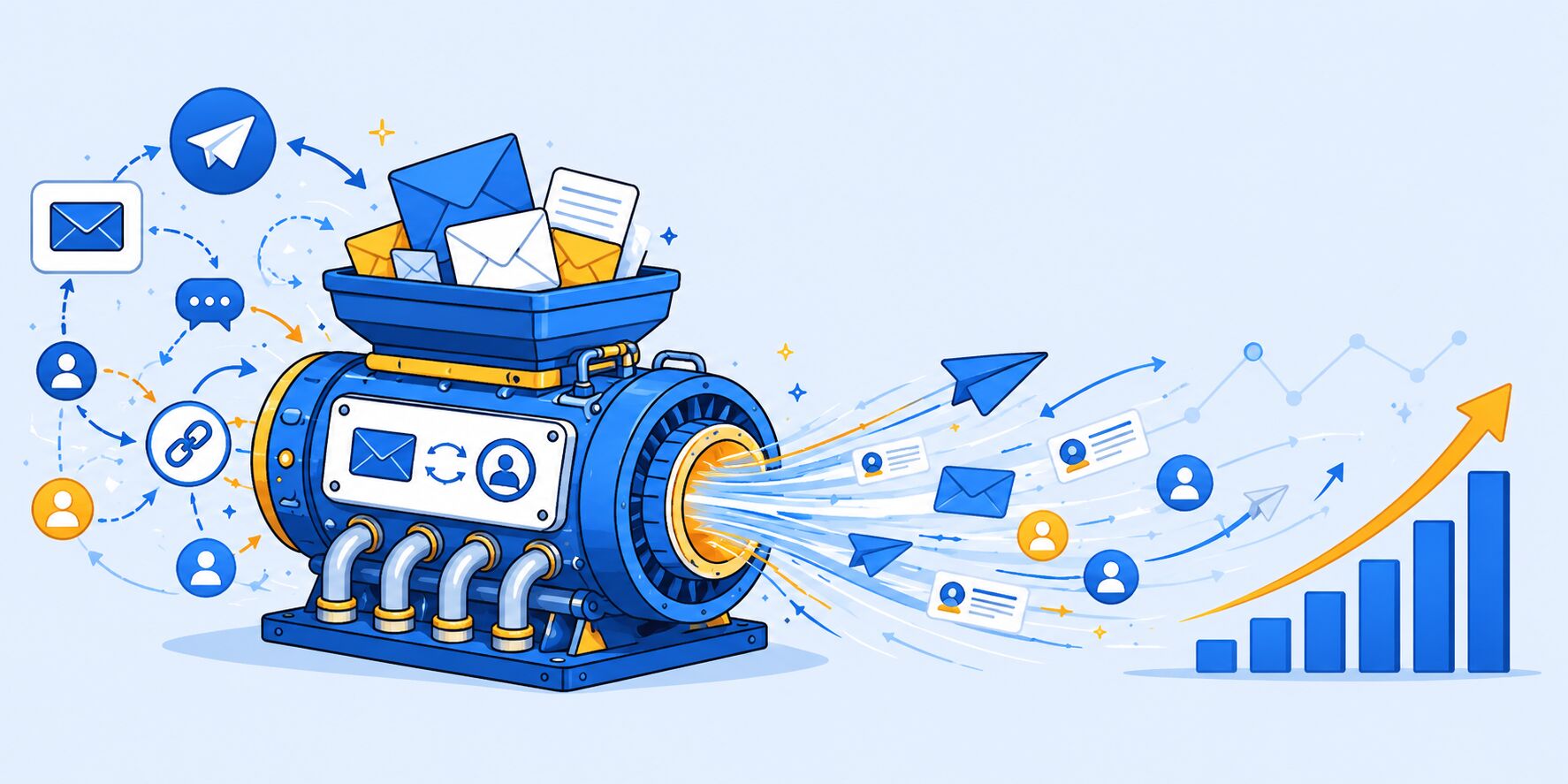
To reverse this trend, forward-thinking brands are shifting away from passive referral pages and building active, automated referral engines embedded directly into their email marketing infrastructure. By leveraging platforms like Omnisend, integrated with loyalty tools such as Smile and Yotpo, businesses can operationalize word-of-mouth marketing.
The core mechanics of a successful email-based referral engine rely on three pillars:
- Perfect Timing: Asking for referrals at moments of high customer delight (e.g., post-purchase, after a 5-star review, or a positive support interaction).
- Double-Sided Incentives: Structuring rewards so both the referrer and the new buyer benefit (e.g., "Give $10, Get $10").
- Targeted Segmentation: Eschewing broad, list-wide blasts in favor of hyper-targeted campaigns directed strictly at repeat buyers and brand advocates.
Chronology: The Evolution of Word-of-Mouth to Automated Infrastructure
To understand how modern referral engines operate, it is helpful to look at how word-of-mouth marketing has evolved over the past two decades:
- The Era of Organic Word-of-Mouth (Pre-2010s): Growth relied entirely on genuine, unprompted peer recommendations. While highly trusted, brands had zero control, tracking mechanisms, or ability to scale the process.
- The Static Landing Page Era (2010s–2020): E-commerce brands recognized the value of referrals and began building "Refer-a-Friend" static pages on their websites. Customers had to actively navigate to these pages, find a link, and manually copy-paste details—creating massive friction that crippled conversion rates.
- The Rise of Integrated Loyalty Ecosystems (2020–2024): Businesses began adopting standalone loyalty and rewards apps (like Yotpo and Smile). While this improved tracking, referral programs remained siloed from day-to-day email marketing strategies, resulting in sporadic engagement.
- The Automated Omnichannel Era (Present): Today, advanced marketers treat referrals as an automated email and SMS strategy. Using unified platforms like Omnisend, brands programmatically trigger referral requests based on real-time customer behavior, removing friction and turning word-of-mouth into a predictable, compounding revenue channel.
Supporting Data: Why Referrals Outperform Paid Acquisition
The mathematics behind referral marketing present a compelling argument for shifting budget away from pure-play ad networks. Consider the inherent advantages rooted in human psychology and data analytics:
- Trust Deficit in Paid Ads: Consumers are increasingly numb to traditional digital advertising, often requiring multiple touchpoints before making a purchase. Conversely, a personal recommendation bypasses skepticism instantly. When a trusted friend says, "You’ll love this," the psychological vetting process is already complete.
- Superior Conversion and Retention Rates: Referred customers consistently convert at significantly higher percentages than cold traffic acquired through social media ads or search engine optimization. Furthermore, data shows that referred customers exhibit higher lifetime values (LTV) and lower churn rates because they enter the brand ecosystem pre-vetted by someone who understands their preferences.
- The 2% Rule of Superfans: In a typical e-commerce email list, roughly 2% to 5% of subscribers act as true superfans. These individuals drive the vast majority of organic word-of-mouth. Traditional "blast-to-all" email strategies dilute this power by fatiguing the remaining 95% of the list who are not yet ready to advocate. Precision segmentation targets only those who have proven their affinity, keeping open rates high and unsubscribes low.
Official Perspectives and Industry Insights
Top marketing strategists and growth founders frequently emphasize that the failure of most referral programs lies in execution, not concept.
"When founders tell me their referral program isn’t working, I look at their customer journey," notes a leading e-commerce retention specialist. "Usually, they’ve hidden a link in the website footer or sent a single email announcement six months ago and expected magic. A referral program isn’t a feature you install; it’s a conversation you must strategically schedule."
Industry experts also stress the psychological importance of double-sided incentives. One-sided rewards—where only the sender or only the recipient gets a discount—introduce friction. If only the sender benefits, the interaction feels transactional and grubby, turning friendships into monetization tools. If only the recipient benefits, the advocate has no tangible motivation to act.
"Double-sided incentives change the dynamic from an extraction attempt into a shared favor," explains Sharon Atefi, a prominent partnerships and growth professional. "When both parties win, everyone’s incentives align harmoniously with the brand’s growth goals."
Furthermore, modern marketing infrastructure providers have stepped in to alleviate the operational burden. Representatives from platforms like Omnisend emphasize that automation is the only way to scale these touchpoints without draining internal team resources. By integrating seamlessly with tools that track points, tiers, and referral loops, marketing software ensures that the right message reaches the right customer precisely when their satisfaction is peaking.
Implications for E-Commerce Founders and Marketers
The shift toward automated, email-driven referral engines carries profound strategic implications for businesses operating in competitive markets:
1. Reallocating Budgets Toward Retention
As customer acquisition costs on major ad platforms continue to fluctuate and rise, relying solely on paid acquisition is a high-risk gamble. Brands that successfully operationalize their email lists into referral engines create a self-sustaining loop. Every new customer acquired through a referral lowers the blended CAC, protecting profit margins.
2. Eliminating Friction as a Priority
The modern consumer has an exceptionally short attention span. If participating in a brand’s referral program requires more than 15 seconds or forces the user to manually craft a recommendation from scratch, participation rates plummet. Brands must implement one-tap sharing functionalities optimized for mobile thumbs (via SMS, WhatsApp, and native email) along with pre-written, human-sounding copy.
3. The Death of the Generic Blast
Spray-and-pray email marketing is officially dead. Sending a referral request to a disengaged subscriber who purchased once eight years ago trains an entire audience to ignore future brand communications. The future belongs to behavioral segmentation—using advanced data platforms to isolate repeat buyers, active reviewers, and brand champions, treating them with the personalized attention they have earned.
Conclusion: Embracing the Infrastructure of Generosity
Ultimately, word-of-mouth marketing is already happening around every brand, whether leadership acknowledges it or not. People naturally talk about products, services, and experiences they love.
The fundamental responsibility of the modern founder is not to invent this enthusiasm, but to build the infrastructure that allows those natural recommendations to travel further and reward the advocates who share them. By combining strategic timing, double-sided rewards, frictionless mobile sharing, and robust email automation (such as the tools provided by Omnisend), businesses can transform passive email subscribers into an unstoppable, compounding referral engine.
 Ali Ikhwan
  Lina Irawan