
 By Lina Irawan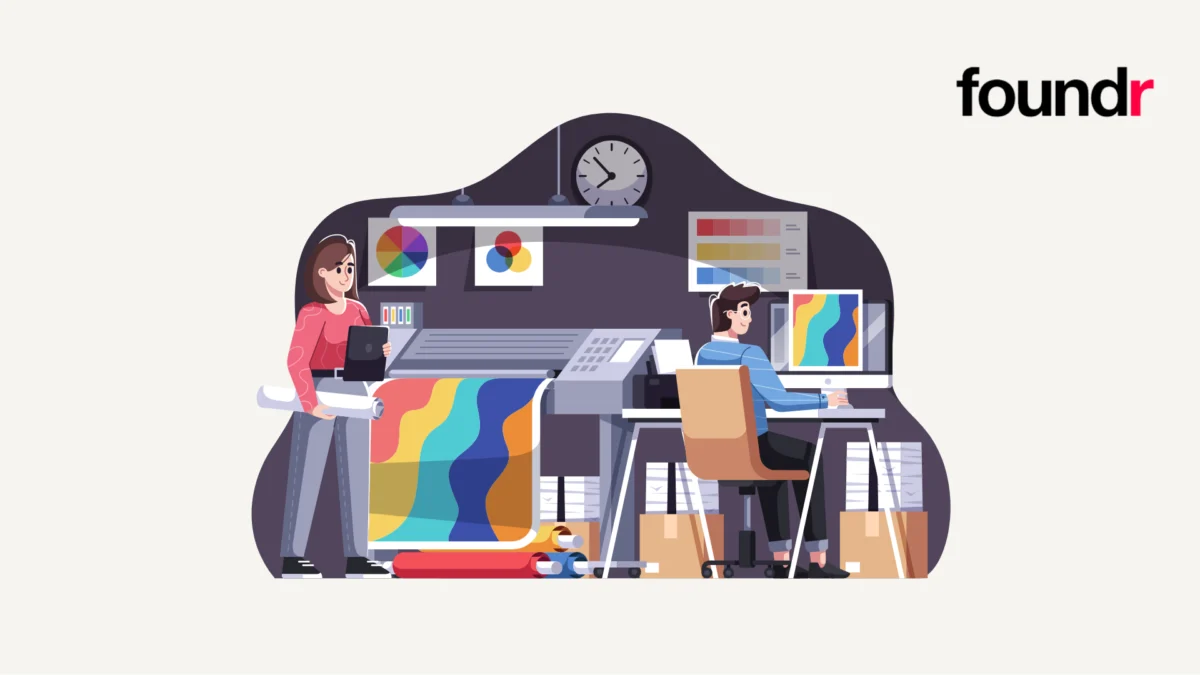
Introduction: The Modern Dilemma of Inventory-Free Retail
For decades, entering the physical retail space—whether selling custom apparel, personalized mugs, or branded home decor—demanded significant upfront capital. Aspiring entrepreneurs had to forecast market demand, purchase bulk inventory from overseas wholesalers, rent storage units or warehouses, and manually pack and ship orders from their living rooms. For many, the financial risk of unsold inventory sitting on shelves acted as an insurmountable barrier to entry.
Enter the print-on-demand (POD) model, a disruptive technological and logistical framework that has completely democratized merchandise creation. At the forefront of this movement is Printful, a global giant in automated e-commerce fulfillment.
Whether you are an aspiring creator wondering how to translate your digital artwork into physical commodities, or an established business owner seeking relief from escalating supply chain bottlenecks, understanding how Printful operates is essential. This definitive guide explores the mechanics, benefits, pitfalls, and strategic business implications of utilizing Printful in today’s hyper-competitive digital marketplace.
1. Main Facts: Decoding Printful’s Operating Model
To understand the core utility of Printful, one must first examine what the platform actually is and how it integrates into the modern e-commerce ecosystem.
What is Printful?
In simple terms, Printful is a web-based print-on-demand and dropshipping service. It empowers individuals and businesses to create, print, and sell custom products without ever physically touching the inventory. When a customer purchases a branded item from your online storefront, the order details are automatically transmitted to Printful. Printful then prints, packages, and ships the product directly to the end consumer under your brand’s name.
Key Features and Ecosystem Integration
Unlike traditional manufacturing partners that require massive minimum order quantities (MOQs), Printful operates on a strict single-item fulfillment basis. Key features include:
- Seamless E-Commerce Integrations: Printful connects effortlessly with major digital storefront platforms, including Shopify, Etsy, WooCommerce, Amazon, eBay, and Squarespace.
- Built-in Design Tools: Unlike many competitor apps that require third-party software like Adobe Illustrator just to visualize a concept, Printful offers an intuitive, built-in mockup generator and design feature. This tool provides instant feedback and recommendations to help optimize designs for printing.
- Global Fulfillment Infrastructure: Printful manages its own facilities and partners with trusted global fulfillment centers across the United States, Canada, Europe, and beyond. This decentralized approach ensures that international customers receive their items with minimal cross-border delays.
What Can You Print?
The platform supports a vast catalogue of customizable goods, spanning multiple product categories:
- Apparel: T-shirts, hoodies, sweatshirts, tank tops, activewear, and leggings.
- Accessories: Tote bags, backpacks, phone cases, hats, and socks.
- Home & Living: Ceramic mugs, posters, canvas prints, throw pillows, and embroidered towels.
2. Chronology: The Evolution of Print-on-Demand and Printful’s Ascent
The rise of Printful did not happen overnight; it represents the culmination of a decade-long shift in consumer behavior, manufacturing technology, and e-commerce infrastructure.
Phase 1: The Era of Bulk Manufacturing (Pre-2010s)
Historically, launching a merchandise line meant committing to screen-printing minimums of 100 to 500 units per design. Entrepreneurs faced high financial stakes, often draining personal savings or taking out micro-loans just to test whether an audience liked a specific graphic. If a design failed to sell, the merchant was left with boxes of dead stock.

Phase 2: The Birth of Digital Direct-to-Garment (DTG) Printing (Early 2010s)
As direct-to-garment digital printing technology matured, companies realized that printing single items digitally was becoming economically viable. Early iterations of print-on-demand platforms emerged, connecting primitive online stores with basic fulfillment warehouses. However, software integrations were clunky, shipping times were unpredictable, and product quality varied wildly.
Phase 3: The Automation and Integration Boom (Mid-to-Late 2010s)
Printful entered the market by focusing heavily on software-as-a-service (SaaS) principles. Instead of acting merely as a print shop, Printful positioned itself as a technology company that happened to print things. By building robust, automated Application Programming Interfaces (APIs) for platforms like Shopify and Etsy, Printful eliminated the manual friction of order processing. Merchants could set up a store in an afternoon, sync their products, and let automation handle the rest.
Phase 4: The Post-Pandemic E-Commerce Surge (2020–Present)
The global health crisis of 2020 triggered an unprecedented boom in online entrepreneurship. Creators, influencers, and laid-off workers turned to e-commerce as a primary or supplementary income source. Printful scaled its operations rapidly during this period, introducing localized European and North American fulfillment hubs to combat global shipping crises and cementing its status as an industry leader.
3. Supporting Data: The Pros and Cons for Modern Founders
Every business model comes with trade-offs. To make an informed decision about whether Printful aligns with your business goals, founders must weigh its distinct advantages against its inherent limitations.
The Benefits for Founders
- Zero Inventory Risk: Because products are only manufactured after a customer pays for them, you never have to worry about holding stock, renting warehouse space, or writing off dead inventory.
- Low Barrier to Entry: With no setup costs, monthly subscription fees, or minimum order requirements, anyone with an internet connection and a creative concept can launch a store.
- White-Label Fulfillment: Printful operates entirely behind the scenes. Your customers see your brand name, your custom packing slips, and your logo on the packaging. Printful remains invisible.
- Product Validation and Testing: Startups can upload twenty different designs and see which ones resonate with their audience without spending a dime on manufacturing prototypes.
The Drawbacks to Be Aware Of
- Compressed Profit Margins: Because you are paying for manufacturing on a per-item basis rather than through bulk wholesale discounts, your cost of goods sold (COGS) will be significantly higher. This leads to narrower profit margins and slower revenue scaling.
- Design and Customization Limits: While Printful offers a wide product range, you are ultimately restricted to their blank product catalogue, specific printing areas (e.g., standard chest prints vs. all-over prints), and available color palettes.
- Lack of Direct Quality Control: When you manufacture items in-house, you inspect every single product before it reaches a customer. With print-on-demand, quality control is outsourced. If a machine malfunctions or a misprint occurs at the facility, your brand’s reputation absorbs the blow.
4. Official Perspectives and Expert Insights
Industry analysts and successful e-commerce veterans view Printful not as a permanent destination for enterprise-level retail, but as an invaluable launchpad for early-stage ventures.
According to seasoned digital business strategists, the ideal lifecycle for a print-on-demand brand follows a strategic trajectory:
- Phase 1 (The Validation Years): Use Printful for the first 12 to 24 months of your business. Test designs, build a loyal community on social media, and collect customer data without risking capital on bulk inventory.
- Phase 2 (The Transition): Once you have clear analytics proving which products consistently sell out, transition your top-performing items to bulk wholesale suppliers. By doing so, you dramatically increase your profit margins while eliminating the risk of unsold stock, because you now have a guaranteed audience waiting to buy.
Furthermore, platform representatives frequently emphasize that Printful’s primary mission is to remove logistical friction. By handling the complexities of international customs, labor management, equipment maintenance, and packaging supply chains, Printful allows creators to focus exclusively on what matters most: marketing, community building, and creative design.
5. Broader Implications for the Future of Retail
The widespread adoption of platforms like Printful signals a profound structural shift in how consumer goods are brought to market.
The Death of Mass Overproduction
For decades, traditional retail operated on a "push" model: factories produced millions of units based on speculative trend forecasts, leading to massive textile waste when items failed to sell. Print-on-demand operates on a sustainable "pull" model. Goods are only manufactured when there is verified, paid consumer demand. As environmental regulations tighten and consumer consciousness regarding fast-fashion waste grows, the infrastructure pioneered by Printful offers a more eco-conscious alternative to traditional manufacturing.
Democratization of Entrepreneurship
Geographic and financial gatekeepers are rapidly dissolving. A teenager in rural Montana, a digital nomad in Southeast Asia, or a graphic designer in urban London can launch a globally competitive merchandise brand with zero starting capital. This hyper-competition means that marketing and brand storytelling have replaced manufacturing scale as the true differentiators of commercial success.
Frequently Asked Questions About Printful
Can you create custom products with Printful?
Yes, absolutely. Printful provides an intuitive mockup generator that allows you to upload your own custom artwork, brand logos, or typography and apply them across a vast catalogue of items, including t-shirts, hoodies, mugs, and phone cases.
Is Printful free to use?
Yes, Printful is entirely free to join and use. There are no startup costs, monthly subscription fees, or minimum order requirements. You are only charged the base product and fulfillment costs when an actual customer places an order on your connected storefront.
Who pays for shipping on Printful?
The end customer typically covers the shipping costs. As the store owner, you set your own retail pricing, which can factor in estimated shipping fees. Printful charges you their wholesale shipping rate, and you can pass that cost directly to the buyer or roll it into an "inclusive shipping" pricing strategy.
What is the minimum order requirement for Printful?
There is no minimum order requirement. You can order or fulfill items strictly on a one-by-one basis, making the platform exceptionally friendly for startups, independent creators, and businesses experimenting with new product lines.
Conclusion: Taking the Next Step in Your E-Commerce Journey
Printful has fundamentally transformed the landscape of modern retail by eliminating the financial risks associated with traditional inventory management. While profit margins may be tighter and quality control is delegated to third-party facilities, the platform remains an unmatched vehicle for launching, testing, and scaling a creative brand with zero upfront capital.
For entrepreneurs looking to elevate their e-commerce game, master social media marketing, and build a thriving online business powered by tools like Printful, continuous education is key. Comprehensive startup communities and expert-led training platforms provide the exact blueprints needed to navigate the nuances of digital retail. By leveraging the right frameworks, your vision can quickly transform from a digital concept into a thriving, automated global enterprise.
 Asep Darmawan
  Neng Nana
  Sagoh
Sagoh 