
 By Asep Darmawan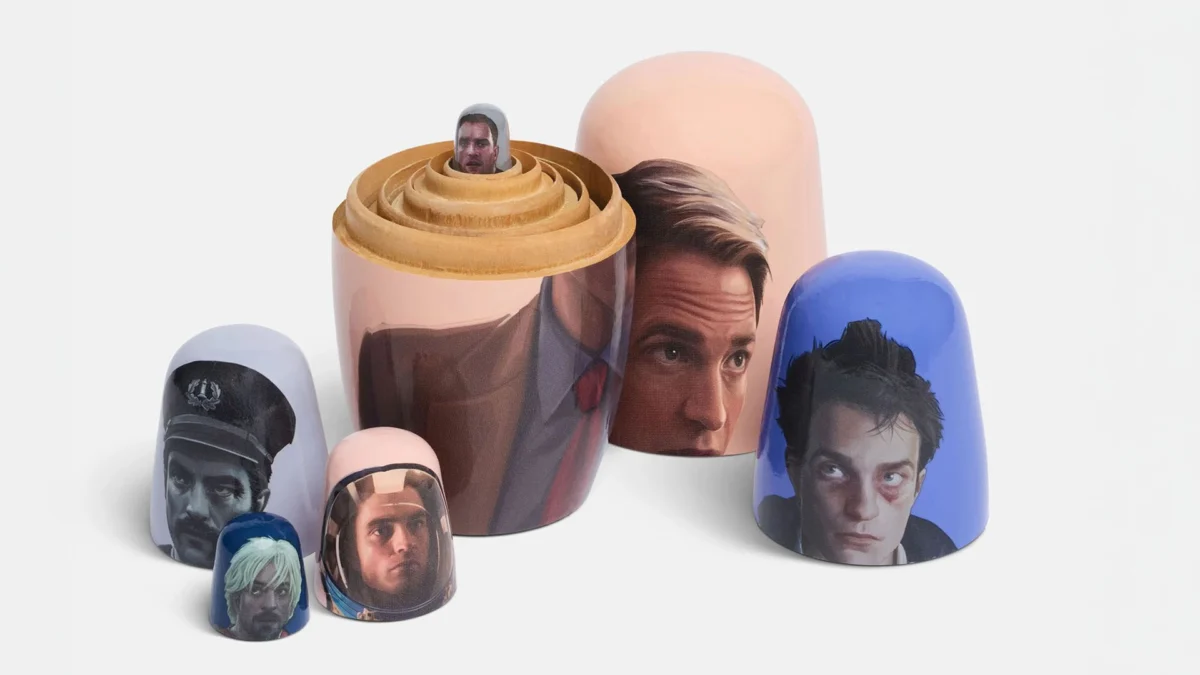
In the landscape of modern film marketing, few production companies have mastered the art of "cult" branding quite like A24. Known for their elevated genre films and a distinct, minimalist aesthetic, the studio has long transcended the traditional boundaries of cinema to become a lifestyle brand. However, their latest foray into physical merchandise has pushed the boundaries of absurdity and adoration to new heights: a set of six nesting dolls featuring various iconic roles played by Robert Pattinson.
The product, while undeniably eccentric, has sent shockwaves through social media, selling out almost instantaneously upon release. This phenomenon is not merely a story about a quirky novelty item; it is a masterclass in understanding parasocial relationships, the power of niche internet culture, and the evolution of film merchandising in the digital age.
The Genesis of the "Patz" Collection: Main Facts
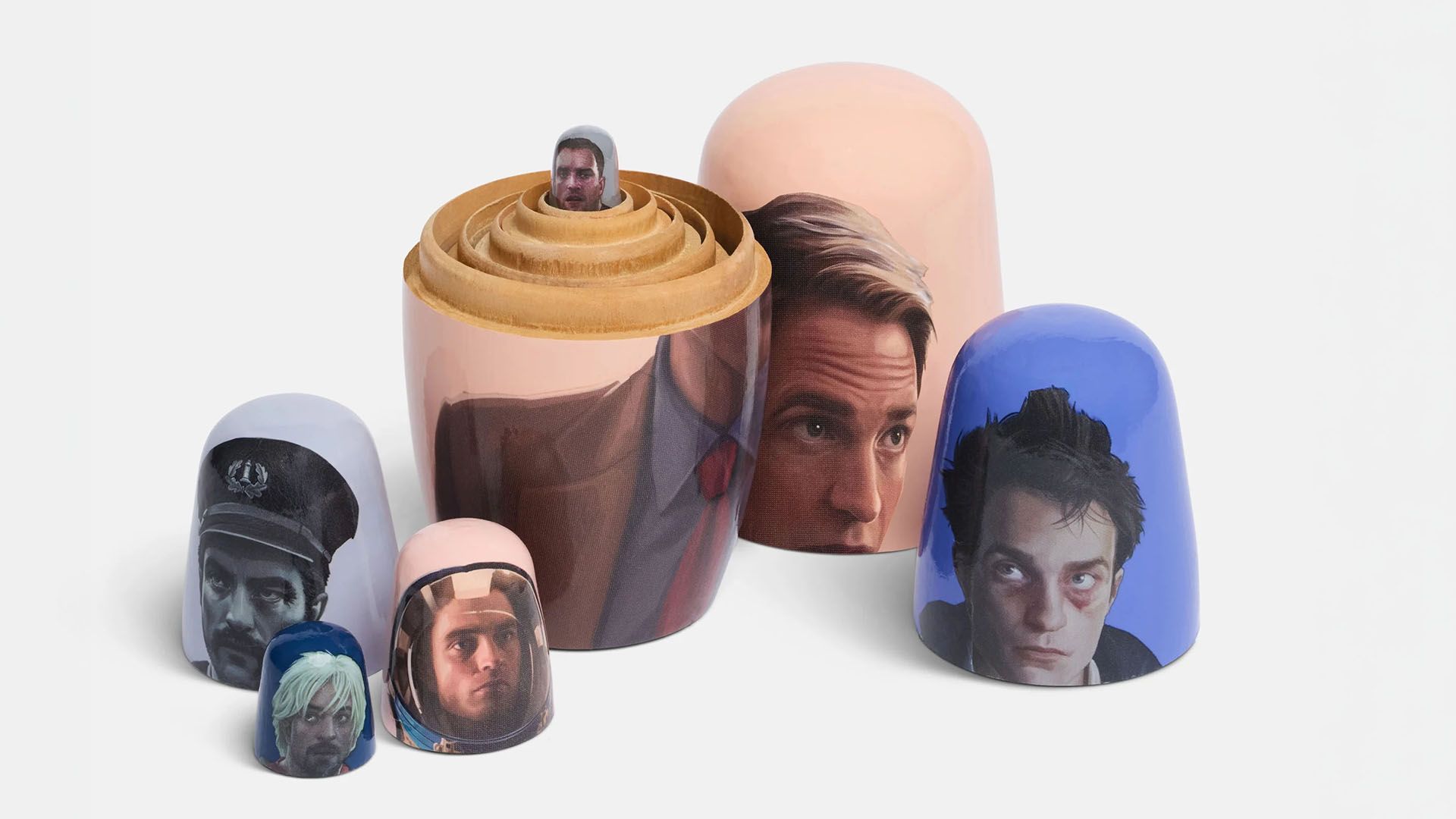
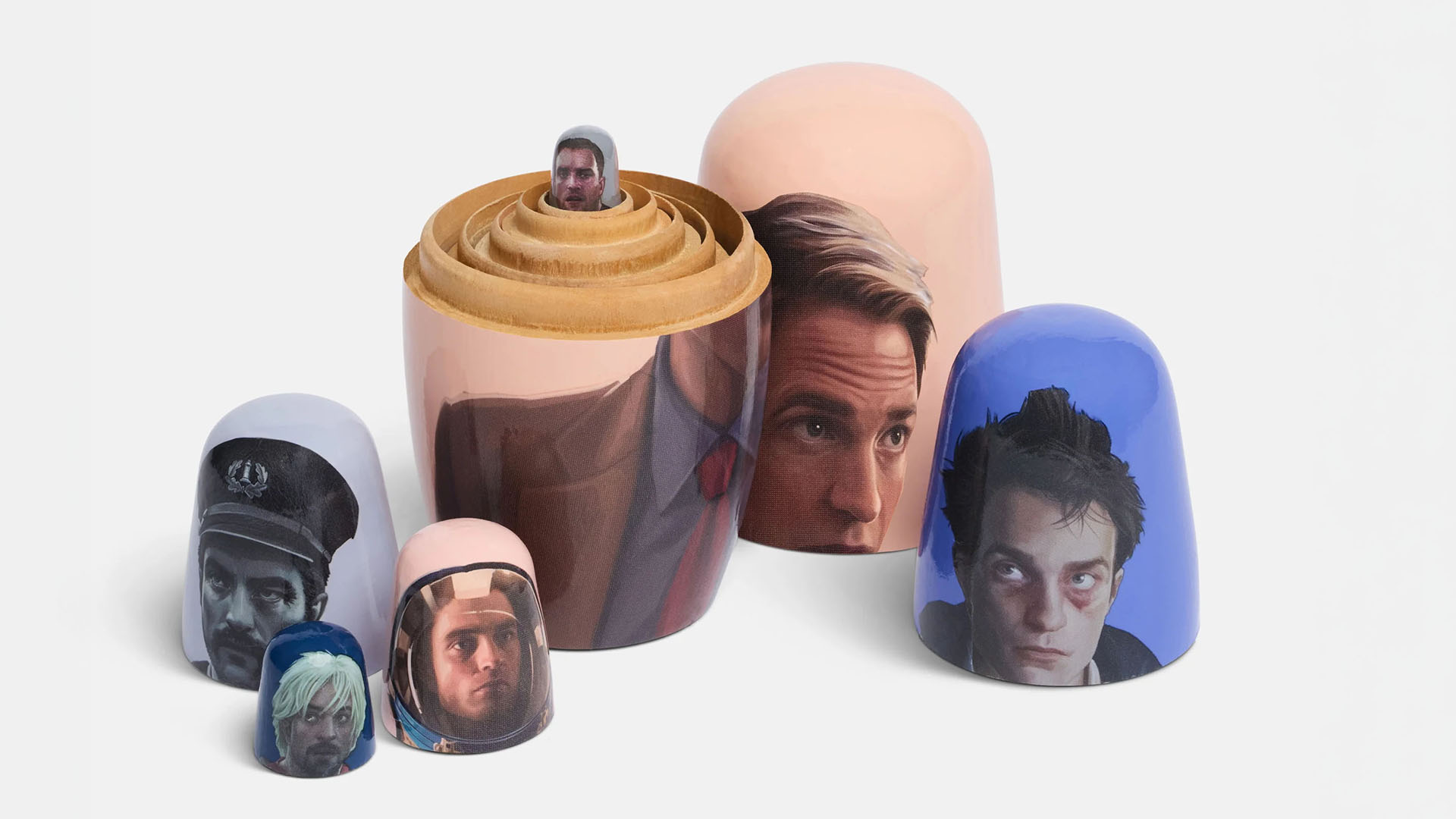
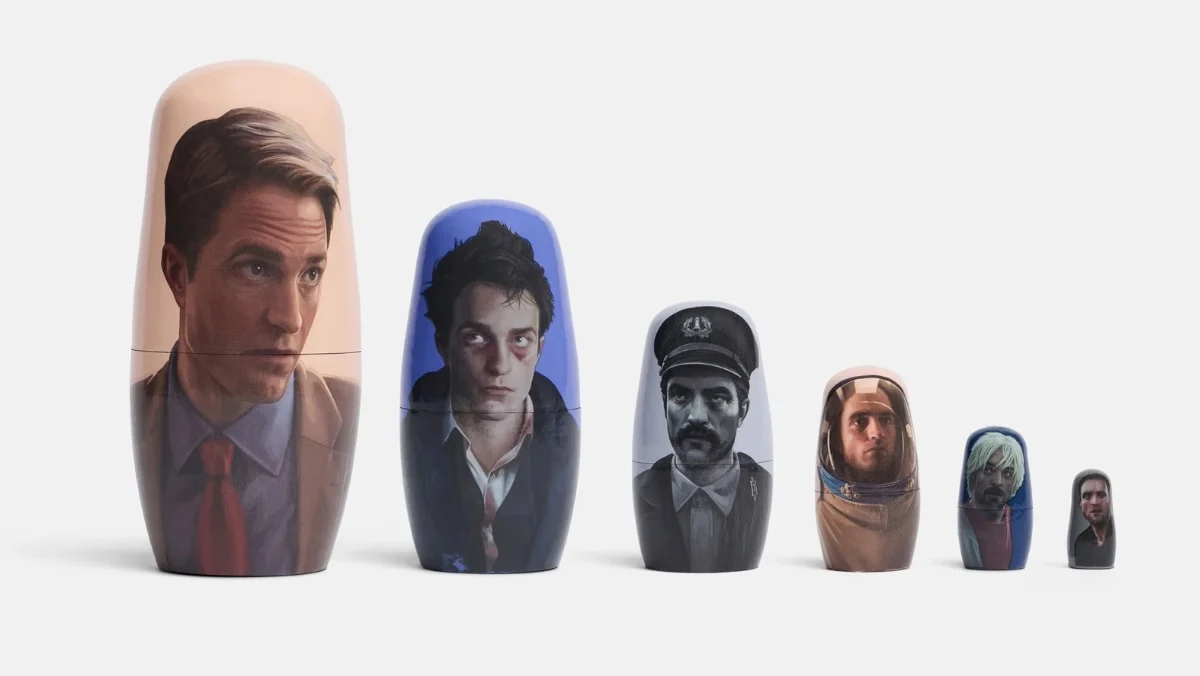
The A24 Robert Pattinson nesting doll set is a whimsical, hand-painted wooden collection that celebrates the actor’s transition from teen heartthrob to one of the most respected character actors of his generation. The set includes six distinct iterations of Pattinson, miniaturized into traditional Russian matryoshka style.
The characters included in the set are:
- Reynolds "Rey" from The Rover (2014)
- Constantine "Connie" Nikas from Good Time (2017)
- Monte from High Life (2018)
- Thomas Howard from The Lighthouse (2019)
- Charlie Thompson from The Drama
- Chris Hansen from Primetime
Each doll serves as a capsule of a specific cinematic era in Pattinson’s career—one defined by grit, experimental storytelling, and a departure from mainstream blockbuster tropes. By condensing these complex, often dark performances into a cute, tactile toy, A24 has created an item that feels both ironic and deeply earnest.
A Career in Miniature: A Chronological Retrospective
To understand why these dolls have become a collector’s obsession, one must look at the trajectory of Robert Pattinson’s career.
The Post-Twilight Pivot
Following the conclusion of the Twilight saga, which cemented him as a global household name, Pattinson made a series of deliberate, often difficult choices. His performance in David Michôd’s The Rover showcased a raw, vulnerable side that many critics didn’t know he possessed. This was the first brick in the wall of his "indie darling" reputation.
The A24 Collaboration
The partnership between Pattinson and A24 has been instrumental in his critical re-emergence. His turn in the Safdie Brothers’ Good Time as the frantic, desperate Connie Nikas proved he could command a screen with nervous, kinetic energy. This was followed by the cerebral sci-fi of High Life and the claustrophobic, monochrome nightmare of The Lighthouse. These roles weren’t just performances; they were statements.
By including these specific characters in the nesting doll set, A24 is essentially archiving the actor’s artistic growth. It serves as a physical timeline of a performer shedding the skin of a vampire to reveal a complex, shape-shifting artist.
Supporting Data: The Psychology of the "Weird Girl" Aesthetic
Why are fans—often self-described as the "internet’s weird girls"—so obsessed with these items? Market analysts point to the concept of "niche collectability." In an era where digital content is ephemeral, physical objects that reference specific, shared cultural experiences gain immense value.
Social media sentiment analysis following the drop showed that the majority of engagement came from younger demographics (Gen Z and younger Millennials) who value "meta" humor. The dolls are not meant to be beautiful or traditional; they are meant to be funny. The internet thrives on absurdity, and the idea of "nesting" one version of a high-brow actor inside another is a form of digital comedy that resonates with modern fans.
Furthermore, the "waitlist" model employed by A24 creates a scarcity loop. By allowing the initial run to sell out, the brand ensures that the product remains a "grail" item, further driving up the conversation surrounding it.
Official Responses and Fan Reactions
The response to the dolls has been a mixture of genuine delight and existential confusion. One fan famously wrote, "I initially thought these were little Robert Pattinson acrylics for your toes to get a ‘Patticure,’" a comment that went viral for its sheer absurdity. Others have framed the purchase as a rite of passage. "Just bought Robert Pattinson nesting dolls at almost 30. I love being me," one fan shared on X (formerly Twitter).
A24 has remained largely silent on the specific "why" behind the product, maintaining their brand strategy of letting the product speak for itself. In the world of A24, the product is the marketing. By creating something so inherently "meme-able," the company saves millions in traditional advertising. The fans do the heavy lifting, spreading the images across TikTok, Instagram, and X, turning the dolls into a cultural event.
The Implications: What This Means for Film Marketing
The success of the Robert Pattinson nesting dolls signals a broader shift in how film studios interact with their audiences. We are moving away from the era of mass-produced, generic movie merchandise—the plastic action figures and branded pencil cases of the past—and toward "boutique" marketing.
1. The Death of Generic Merch
A24 understands that its audience doesn’t want a generic poster. They want a piece of the film’s "vibe." By offering items that feel like they were pulled directly from the eccentric mind of a fan, the studio creates a deeper sense of brand loyalty.
2. Parasocial Monetization
The doll set is a testament to the power of the parasocial relationship. Fans feel a sense of ownership over Pattinson’s career arc because they have "followed him" through his indie journey. Buying the dolls is an act of supporting that journey—a way to tangibly hold the history of an actor they admire.
3. The Future of "Lifestyle" Cinema
Studios are no longer just selling movies; they are selling a lifestyle. If you enjoy the moody, high-concept, slightly unsettling nature of A24 films, you are the type of person who would own a set of Robert Pattinson nesting dolls. This creates an "in-group" mentality, where owning the merchandise becomes a signal of one’s cultural capital and aesthetic alignment with the brand.
Conclusion: A New Standard for Engagement
The Robert Pattinson nesting dolls are, by any objective metric, a bizarre commercial product. They are small, wooden, and paint a surreal picture of a man who has played everything from a brooding vampire to a lighthouse keeper. Yet, in their oddity, they have become a touchstone for modern fandom.
As we look toward the future, expect more studios to pivot toward this model. We will likely see more "niche" merchandise that caters specifically to the deep-cut references that exist within online fan communities. The era of the blockbuster franchise is shifting; the era of the "cult classic" lifestyle brand is here.
For those still waiting on their set, the waitlist on the A24 website remains a testament to the fact that, in the world of high-concept cinema, the fans are ready to invest in whatever piece of history the studio decides to make next. Whether it’s a "Patticure" set or something even more obscure, one thing is certain: the internet is ready to buy.
 Iffa Jayyana
  Reynand Wu
  Asro
Asro 