
 By Reynand Wu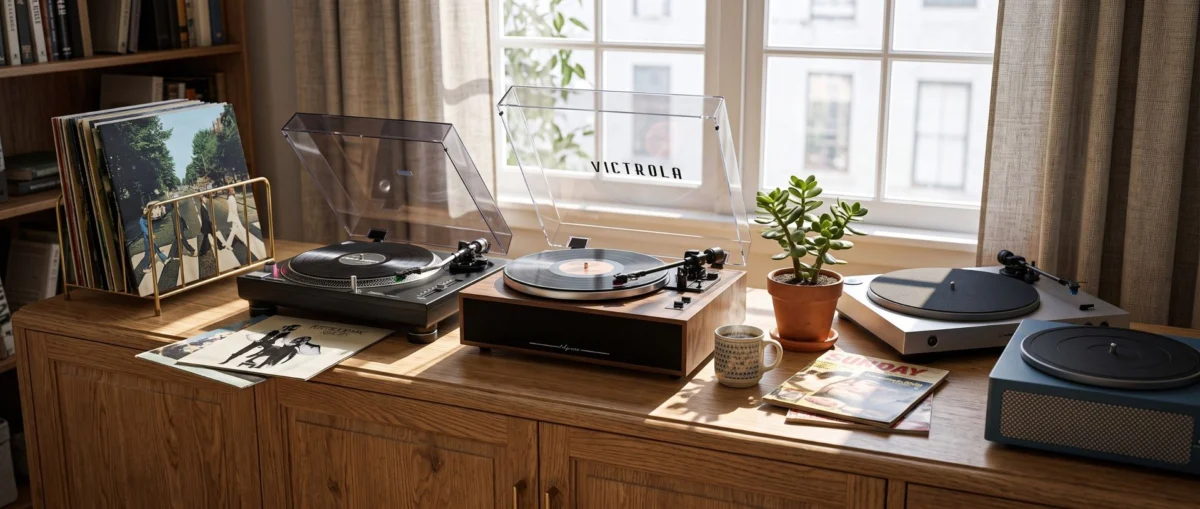
In an era dominated by the ephemeral nature of cloud-based streaming and the algorithmic homogeneity of music discovery, a growing segment of the population is staging a quiet, tactile rebellion. As we move deeper into 2026, the resurgence of physical media—led emphatically by the vinyl record—has transitioned from a niche hobby for audiophiles into a mainstream cultural movement. Consumers are increasingly rejecting the "subscription fatigue" of modern digital life, opting instead for the deliberate, ritualistic experience of placing a needle on a spinning groove.
Beyond the undeniable warmth of analog sound, the turntable has reclaimed its status as a centerpiece of interior design. Whether through budget-friendly retro-styled units or high-end minimalist masterpieces, vinyl players have become the ultimate intersection of form and function. With significant discounts currently hitting the market—bringing entry-level hardware to as low as $29—the barrier to entry for the vinyl-curious has never been lower.
The Chronology of the Analog Comeback
The current surge in vinyl popularity did not happen overnight; it is the culmination of a decade-long shift in consumer psychology.
- 2015–2019: The Curiosity Phase. Vinyl began its slow climb out of obscurity, driven primarily by collectors and older generations rediscovering their archives.
- 2020–2022: The Pandemic Catalyst. During the global lockdowns, homebound consumers sought "analog escapes." The ritual of record collecting provided a necessary sensory break from screen-heavy isolation.
- 2023–2025: The Mainstream Integration. Major retail outlets and big-box stores began allocating significant shelf space to vinyl, while manufacturers ramped up production to meet a surge in demand for affordable hardware.
- 2026: The Maturity of the Market. We are now in a phase where vinyl is no longer a "vintage trend" but a staple of the modern home. The market has diversified, catering to everyone from the casual listener who wants a portable suitcase player to the discerning audiophile investing in high-fidelity setups.
Supporting Data: Why Numbers Matter
The data backing the vinyl revival is staggering. According to recent retail analytics, physical media sales have consistently outpaced digital growth in specific demographic segments for three consecutive years.
- Market Penetration: Over 60% of modern vinyl buyers are under the age of 35. This generation, having grown up entirely in the digital streaming era, views vinyl as an "anti-digital" statement piece.
- Hardware Demand: The market for turntables has seen a 15% year-over-year increase in unit shipments. Manufacturers are responding by focusing on "All-in-One" solutions—turntables with built-in Bluetooth and speakers—which bridge the gap between classic analog sound and modern convenience.
- Pricing Efficiency: Due to increased competition and refined supply chains, the average price of a "starter" turntable has dropped significantly. While high-end audiophile gear can cost thousands, the availability of quality entry-level hardware at sub-$50 price points has democratized the listening experience.
The Philosophy of "Tactile Joy"
Why, in a world where millions of songs are available at the tap of a screen, would a consumer pay for a single album on a physical disc? The answer lies in the psychological concept of "active engagement."
When a user streams music, the process is passive. The algorithm decides the playlist; the interface is hidden behind glass. Vinyl, conversely, demands intent. The user must handle the sleeve, clean the record, operate the tone arm, and flip the disc halfway through the album. This sequence of actions changes the listener’s relationship with the music. It forces them to sit and listen rather than treating music as ambient noise.
Furthermore, the "warmth" of vinyl—a term often debated by engineers—refers to the specific harmonic distortions and the natural compression inherent in analog recording. Unlike the clinical, compressed nature of digital files (which are often optimized for mobile data efficiency), vinyl retains the depth of the original studio recording, offering a sound profile that many modern listeners find more "human" and immersive.
Industry Perspectives and Official Responses
Retail giants and boutique manufacturers alike have shifted their strategies to accommodate this demand. Amazon, which currently hosts some of the most competitive pricing on entry-level turntables, has noted a sharp increase in searches for "vintage design" and "plug-and-play" audio equipment.
"We are seeing a convergence of design and tech," says a representative from a leading audio hardware firm. "Our customers aren’t just buying a music player; they are buying a piece of furniture that reflects their identity. The demand for minimalist, high-quality materials—wood veneers, brushed aluminum, and matte finishes—is at an all-time high."
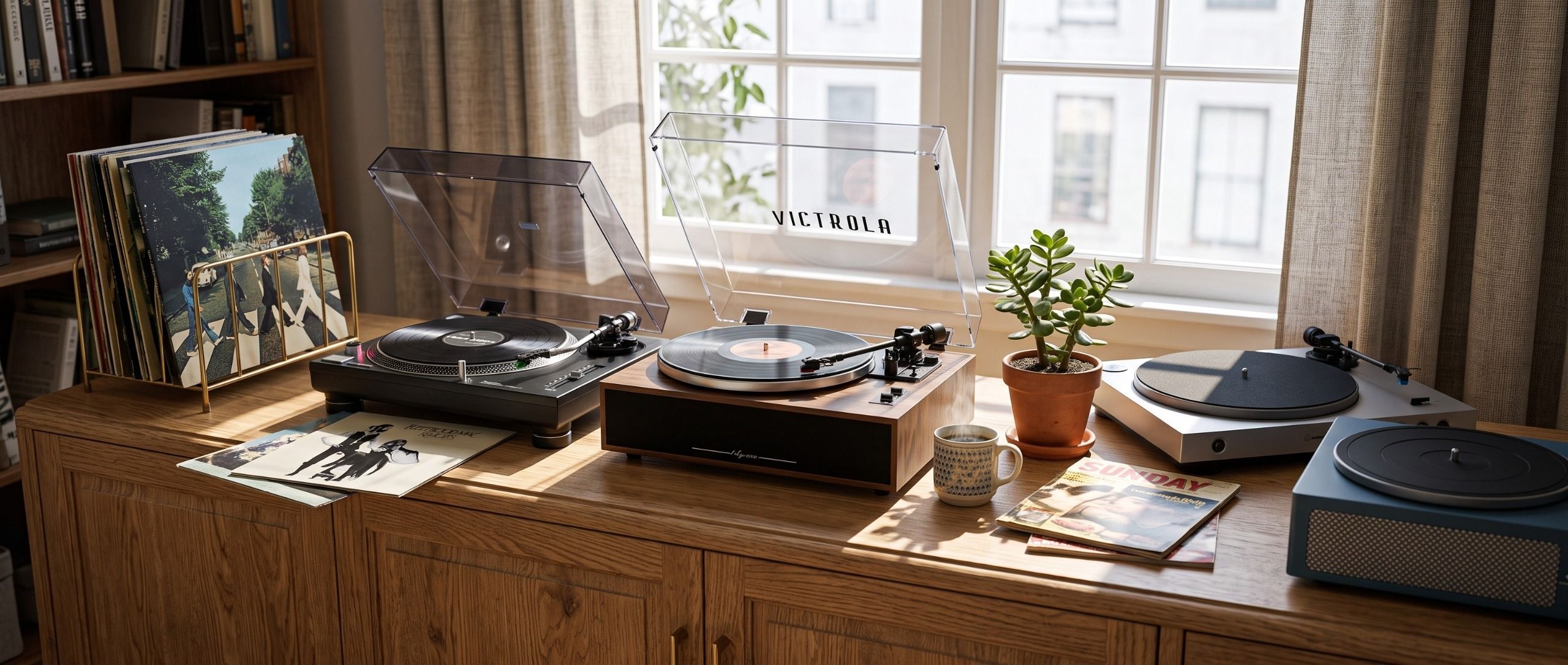
However, industry experts caution that the market is also flooded with low-quality, "suitcase-style" players that can damage records over time due to improper tracking force. The industry consensus for 2026 is a move toward educating the consumer. While a $29 player is an excellent entry point, the long-term goal for many brands is to transition these users toward mid-tier equipment that includes adjustable counterweights and anti-skate features.
Implications for the Future of Music Consumption
The implications of this trend extend far beyond the living room.
1. The Death of the "Single" Mentality
Streaming platforms have encouraged a "playlist culture," where listeners skip tracks and focus on singles. Vinyl brings the focus back to the album. Artists are now producing records with a "side A" and "side B" flow in mind, acknowledging that their fans are consuming their work as a cohesive piece of art.
2. The Impact on Music Production
Studio engineers are increasingly mastering albums specifically for the vinyl format. By focusing on dynamic range—rather than just the "loudness war" often associated with digital streaming masters—the industry is producing records that sound better on high-end speakers, further fueling the audiophile cycle.
3. Sustainability and Second-Hand Markets
The vinyl revival has breathed new life into the second-hand market. The circular economy of used record stores is thriving, providing a sustainable alternative to the consumption of new plastic. For many, the thrill of the "crate dig"—searching through stacks of dusty, forgotten records—is a vital part of the appeal.
Conclusion: A Balanced Approach to Audio
As we progress through 2026, the dichotomy between digital convenience and analog quality is beginning to blur. We are seeing the rise of the "hybrid listener"—the individual who uses high-quality streaming for discovery and commuting, but reserves their home listening sessions for the ritual of vinyl.
If you are considering joining this movement, the current market environment is highly favorable. Whether you are looking for a simple, economical setup to test the waters or you are ready to invest in a serious audiophile deck, the options are more varied and affordable than they have been in decades.
The vinyl resurgence is not merely a nostalgic fad; it is a permanent correction. It is a reminder that in our high-speed, hyper-digital world, there is still immense value in slowing down, touching the art, and listening to the music exactly as the artist intended. Whether it’s a budget gem that brings life to a small apartment or a high-end masterpiece that serves as the heart of a home, the turntable remains the definitive tool for the modern, design-obsessed music lover.
As you embark on your vinyl journey, remember that the most important element is the connection you build with the music. Happy listening.
 Asep Darmawan
  Iffa Jayyana
  Asro
Asro 