
 By Ali Ikhwan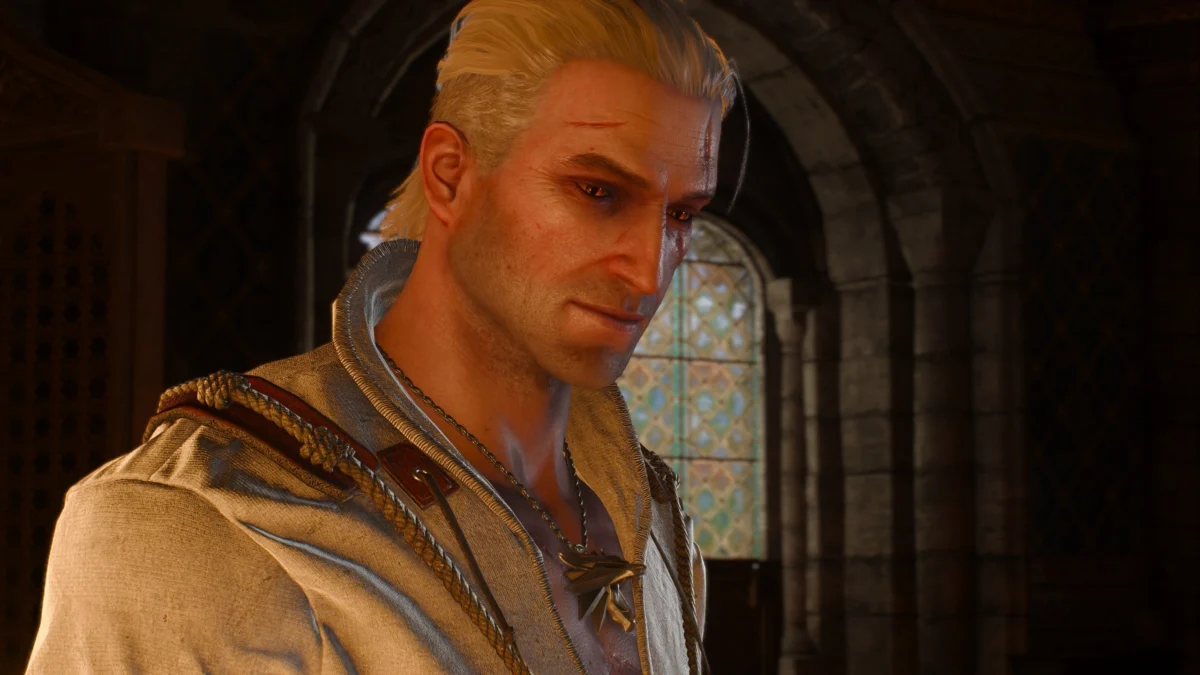
The gaming industry is no stranger to re-releases, but few titles have demonstrated the enduring cultural magnetism of CD Projekt Red’s The Witcher 3: Wild Hunt. Last week’s release of the Remastered edition—a sweeping, free overhaul—has not merely revitalized interest in the title; it has sent shockwaves through the Steam charts, cementing the game’s status as one of the most successful and resilient products in the history of interactive entertainment.
Main Facts: A New Peak in a Storied Legacy
The data is unequivocal: The Witcher 3 is more popular today than it was at its initial launch in 2015. On Sunday, October 4th, at 4:00 PM BST, the game reached a staggering concurrent player count of 137,724 on Steam. This figure surpasses the game’s previous all-time high of 120,000, which was established just days prior following the update’s deployment.
To contextualize this achievement, one must look at the game’s historical trajectory. Upon its debut in 2015, The Witcher 3 peaked at 92,000 concurrent players. It saw a massive resurgence in January 2020, climbing to 103,000 players, a surge largely attributed to the cultural zeitgeist surrounding the premiere of the Netflix Witcher series. That the game has now obliterated those records in late 2026—a full eleven years after its initial release—is a testament to the quality of the Remastered update and the deep, persistent connection fans maintain with Geralt of Rivia.
A Chronology of Success: From Launch to Remaster
The journey of The Witcher 3 is a study in long-term engagement. Since its inception, the title has benefited from a unique combination of high-quality expansions (Hearts of Stone and Blood and Wine), consistent platform support, and an ever-expanding multimedia footprint.
- May 2015: The Witcher 3: Wild Hunt launches to universal acclaim, setting a new benchmark for open-world narrative design.
- January 2020: The "Netflix Effect" drives player counts to a new peak of 103,000, proving the power of cross-media synergy.
- Summer 2024: Deep discounting on Steam ($3.99 price point) drives massive spikes in ownership and activity.
- September 2026: CD Projekt Red announces and releases the Remastered edition, a comprehensive free update.
- October 2026: The title hits an unprecedented 137,724 concurrent players on Steam, marking a new milestone in its lifecycle.
This timeline reflects a strategy of "evergreen" development. By treating the game as a living product rather than a static piece of software, CD Projekt Red has effectively insulated it from the usual rapid decay of player interest that affects most single-player titles.
Supporting Data: Beyond the Steam Charts
While Steam provides the most transparent data, it represents only a fraction of the total player base. When factoring in the PlayStation, Xbox, and Nintendo Switch ecosystems, the scale of this success becomes truly astronomical.
According to insights provided by Alinea Analytics, the reach of the Remastered update is significantly broader than PC figures suggest. Analyst Rhys Elliott noted that in the immediate wake of the update’s launch, The Witcher 3 saw a spike of 2.4 million daily active users (DAU) across PC, PlayStation, and Xbox consoles.
Perhaps even more telling is the sales performance. In a single day—September 30th—the game moved approximately 130,000 units across these platforms. This represents the highest single-day sales volume for the title since the aggressive $3.99 discount period in the summer of 2024. With the current price point set at $24.99, this translates to nearly $3 million in revenue in a single 24-hour period for a game that has already been available for over a decade.
Total lifetime sales for The Witcher 3 have now officially surpassed the 66 million copy threshold, a figure that places it in the pantheon of the best-selling video games in history, alongside titans like Grand Theft Auto V and Minecraft.
The Remastered Offering: An Extraordinary Upgrade
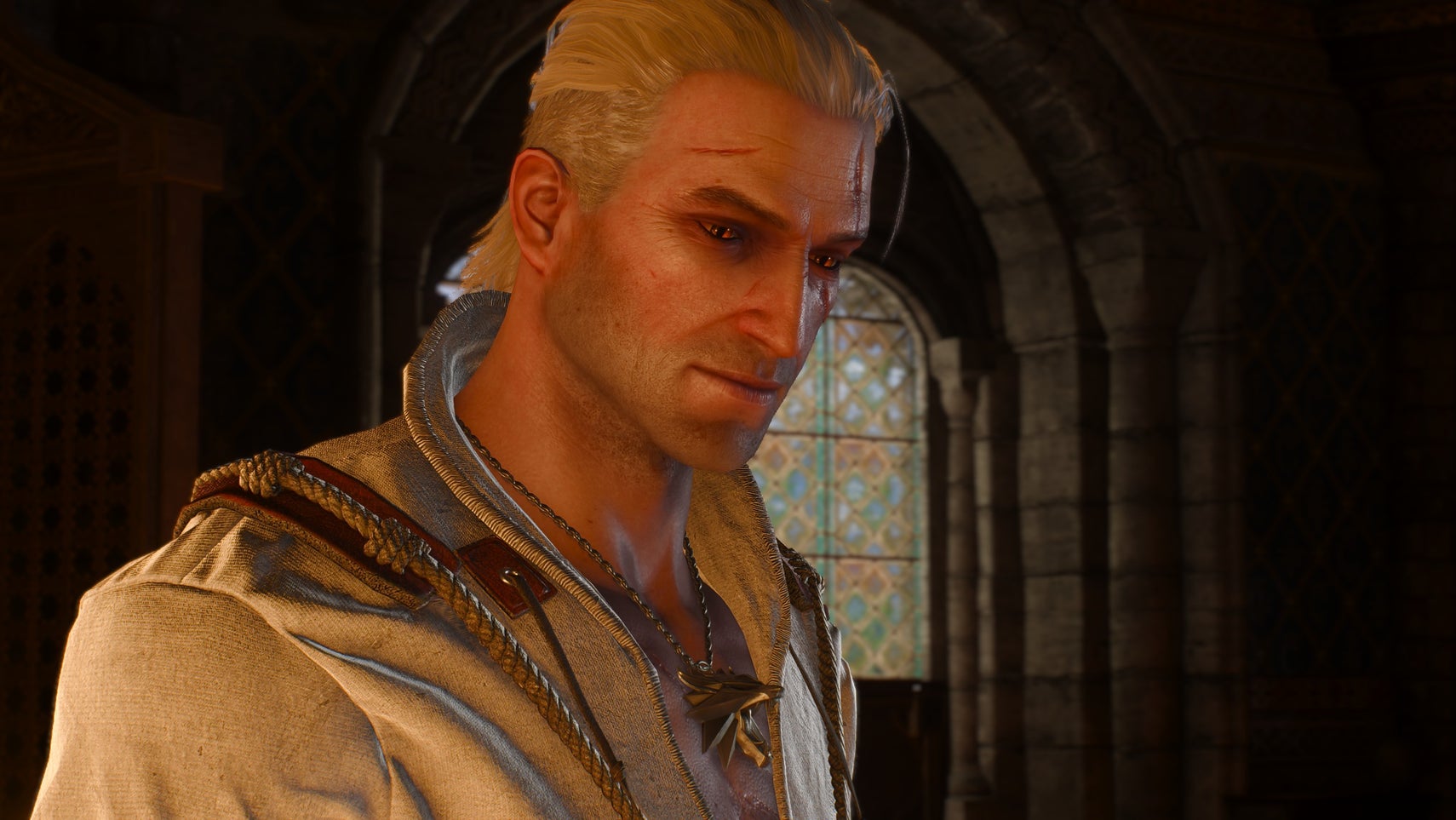
The success of this resurgence is rooted in the sheer ambition of the Remastered update. Rather than a simple resolution bump, CD Projekt Red delivered a comprehensive technical and mechanical overhaul.
The update includes:
- Graphical Modernization: A complete re-texturing and lighting pass that brings the decade-old assets into alignment with modern engine capabilities.
- Animation Enhancements: Refined motion capture and camera behavior, making the movement of Geralt and his peers feel more fluid and responsive.
- Skill Tree Rework: A complete rebalancing of the character progression system, providing players with more meaningful choices and build diversity.
- Content Integration: The inclusion of new items and quests that bridge the gap between the original game and the upcoming Songs of the Past expansion.
As noted in recent reviews, the update is an "extraordinarily generous" offering. However, such a massive overhaul is not without its challenges. Early adopters reported teething issues, specifically concerning lighting engine glitches and minor performance stability concerns on certain PC configurations. CD Projekt Red has been proactive, rolling out a series of "hotfix" patches to address these technical hiccups, demonstrating a commitment to the user experience that is critical to maintaining such high player sentiment.
Implications: The Future of the Franchise
The implications of this record-breaking performance are profound for both CD Projekt Red and the broader gaming industry.
1. The Power of "Free" Value
The industry is currently grappling with how to monetize back-catalog titles. By offering a substantial, high-quality update for free, CD Projekt Red has generated immense goodwill. This strategy has proven more effective at driving engagement and subsequent sales than traditional paid DLC models might have been. It serves as a masterclass in community management and long-term brand equity.
2. The Bridge to Future Content
With The Witcher 3: Songs of the Past expansion slated for release next year, the current surge in players provides a perfect "on-ramp." Players are returning to sharpen their swords and re-acquaint themselves with the world of the Continent, ensuring a primed audience for the new content. The expansion is no longer just a release for loyalists; it is a continuation for a massive, active, and engaged player base.
3. A Blueprint for Legacy Support
The success of this remaster establishes a new standard for how legacy titles should be treated. As hardware capabilities evolve, the "remaster" as a service—continually improving the game’s fidelity and mechanics—is becoming a viable alternative to the traditional sequel model. It allows developers to maintain a consistent revenue stream while keeping their intellectual property relevant in a crowded market.
Conclusion
As The Witcher 3 continues to defy the odds, it stands as a monument to the intersection of great storytelling and technical persistence. By successfully updating its core technology while respecting the foundational narrative that made it a classic, CD Projekt Red has ensured that Geralt’s journey is far from over. Whether for the first time or the tenth, players are finding that the world of the Wild Hunt remains as immersive and vital today as it was at the dawn of the current console generation. With the upcoming expansion on the horizon, the legend of the White Wolf seems poised to grow even further.
 Azzam Bilal Chamdy
  rifanmuazin
  Reynand Wu