
 By Reynand Wu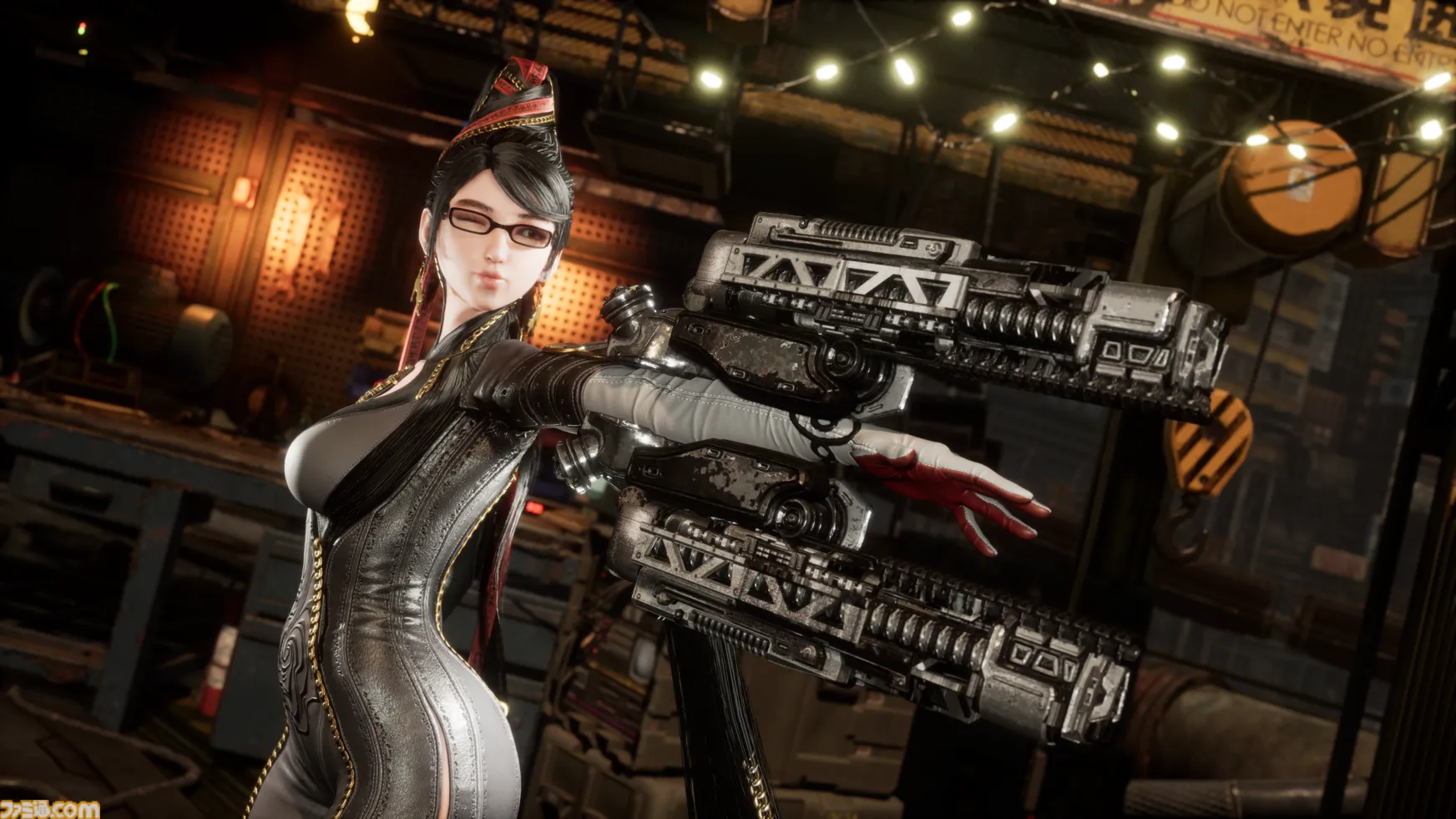
The iconic silhouette of the Umbra Witch, Bayonetta, remains one of the most recognizable figures in modern action gaming. Since her debut in 2009, the series has defined the "character action" genre, blending fluid, high-octane combat with a distinct, campy aesthetic. However, following the conclusion of the Bayonetta 3 cycle and the departure of key creative pillars, the future of the franchise has been shrouded in uncertainty. Recent comments from PlatinumGames’ leadership, however, suggest that the series may yet have a future, sparking renewed hope among its dedicated fanbase.
Main Facts: A Glimmer of Hope at Tokyo Game Show
The current conversation surrounding the franchise’s future stems from an unlikely meeting of minds at the Tokyo Game Show. PlatinumGames president Atsushi Inaba sat down with Kim Hyung-tae, CEO of Shift Up and the creative force behind the breakout hit Stellar Blade. The context for the meeting was a high-profile collaboration: the integration of four Bayonetta-themed costumes into the Stellar Blade Complete Edition, arriving on the Switch 2 this November.
While the primary objective of the summit was to promote this crossover, the discussion inevitably pivoted to the legacy of the Umbra Witch. Inaba, typically guarded regarding future projects, offered a rare, if measured, admission: he maintains a strong desire to see the Bayonetta franchise expand. While he stopped short of announcing a formal title in development, his refusal to close the door on the series provides the first tangible sign of optimism in over a year.
Chronology: The Evolution of a Nine-Part Saga
To understand the weight of these comments, one must look at the turbulent history of the franchise.
- 2009: The original Bayonetta launches, directed by Hideki Kamiya, establishing a new gold standard for stylish action.
- 2014: Bayonetta 2 arrives exclusively on the Wii U, cementing the franchise’s relationship with Nintendo.
- 2022: After a long hiatus, Bayonetta 3 is released for the Nintendo Switch, introducing multiverse mechanics and a controversial conclusion that left many fans speculating about the character’s future.
- 2023: A turning point occurs as Hideki Kamiya, the series creator, departs PlatinumGames. At the time, Kamiya revealed that he had envisioned the Bayonetta story as a nine-part epic. His departure left many fans fearing that the vision would remain permanently incomplete.
- 2024: The franchise suffers a tragic loss with the passing of legendary Japanese voice actress Atsuko Tanaka, who provided the iconic voice for the protagonist. Furthermore, the departure of Bayonetta 3 director Yusuke Miyata leaves the creative leadership of the series in a state of flux.
- 2025 (Present): The collaboration with Stellar Blade marks a return to the public eye, with leadership signaling that the "Umbra Witch" brand still holds immense value for the studio.
Supporting Data: The Cultural Weight of the Franchise
The Bayonetta series is more than just a successful IP; it is a cultural touchstone for action game developers. During the Tokyo Game Show interview, Kim Hyung-tae openly confessed that Bayonetta is an "indispensable work" in his life, ranking it among his three favorite games of all time.
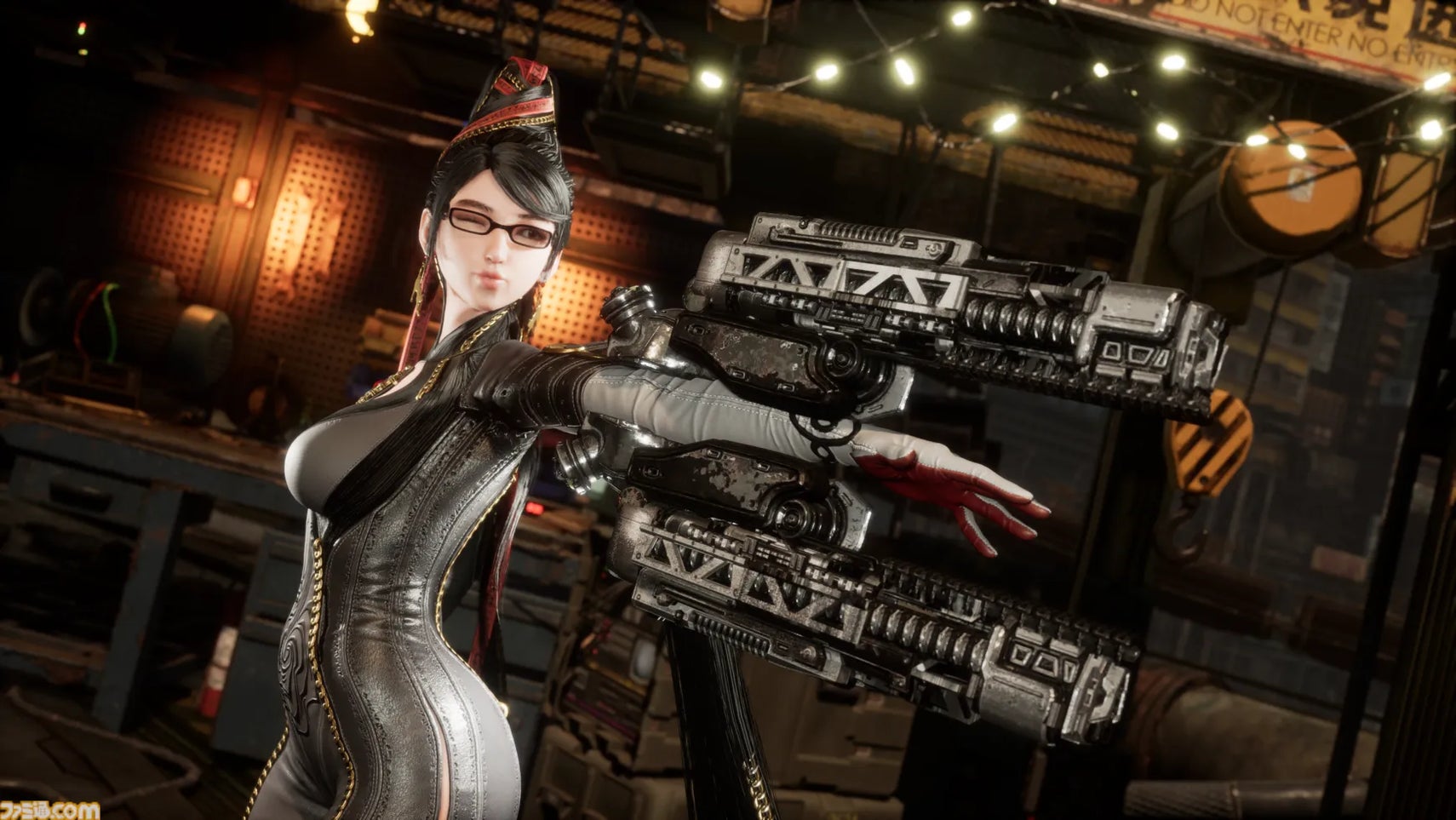
His reverence for the series is reflected in the care taken with the Stellar Blade collaboration. Kim noted that he had to actively restrain himself during the design phase of the "Black Dress" costume to ensure it remained faithful to the series’ tone without overstepping. His half-joking request to contribute character designs for a hypothetical future installment underscores the enduring influence of the series. From a commercial standpoint, the fact that a major publisher like Shift Up is seeking to align their brand with Bayonetta proves that the character’s marketability remains intact, even in the absence of a new mainline release.
Official Responses and Creative Direction
The shift in tone from PlatinumGames’ leadership is subtle but significant. In the wake of Kamiya’s departure, the company seemed to be distancing itself from the "nine-part saga" narrative, with many industry analysts assuming the series would be shelved indefinitely.
When pressed directly by Famitsu on the prospect of a fourth entry, Inaba’s response—"wait and see"—contrasts sharply with previous, more fatalistic outlooks. It suggests that while the studio is currently focused on other projects, the intellectual property is not gathering dust in a filing cabinet. The challenge for PlatinumGames will be finding a successor who can balance the series’ signature "Platinum-style" combat with the unique, flamboyant identity that Kamiya cultivated over a decade.
Implications: Can the Franchise Survive Its Creators?
The prospect of a Bayonetta 4 (or a spin-off) raises complex questions regarding identity and continuity.
The Void Left by Key Figures
The departure of Hideki Kamiya and the loss of Atsuko Tanaka are not merely administrative or casting changes; they represent the loss of the soul of the franchise. Tanaka’s performance was foundational to the character’s appeal, and replacing her will require a delicate touch to avoid alienating long-term fans. Similarly, the departure of director Yusuke Miyata means that any future title will be the product of a new creative team.

Structural Challenges
If PlatinumGames does choose to pursue a continuation, they must reconcile the narrative trajectory. The ending of Bayonetta 3 was polarizing, and the "nine-part" vision proposed by Kamiya may be difficult to adapt without his direct oversight. However, the studio has shown it can evolve. The success of Astral Chain and the NieR collaborations demonstrates that PlatinumGames has a deep bench of talent capable of handling high-stakes action.
The Business Case
From a business perspective, the Bayonetta IP is a prestige asset. It represents a level of critical acclaim that few other studios can claim. By keeping the brand alive through cross-promotional efforts like the Stellar Blade collaboration, PlatinumGames is ensuring that the character remains relevant to a younger generation of players while keeping the "Umbra Witch" top-of-mind for potential publishing partners.
Conclusion: A Future Yet Unwritten
While Atsushi Inaba’s comments are far from a green light, they represent a vital departure from the silence that followed the series’ recent setbacks. The interest from industry peers like Kim Hyung-tae suggests that the Bayonetta brand is viewed with high esteem across the industry, potentially opening doors for future collaborations or co-development opportunities.
Whether or not PlatinumGames decides to pick up the threads left behind by Kamiya remains to be seen. However, the message from Tokyo is clear: the studio is not ready to let the Umbra Witch disappear into the void. For now, fans must do exactly as the president suggested—wait and see. But for the first time in a long time, there is a tangible reason to watch the horizon for signs of a return.
The legacy of Bayonetta is currently in a state of transition, but its potential for expansion is as vast as the multiverse it introduced. As the gaming landscape continues to shift toward long-term service and legacy IP management, the return of one of gaming’s most stylish icons seems not only possible but increasingly inevitable.
 rifanmuazin
  Ali Ikhwan
  Ammar Sabilarrohman