
 By Nana Wu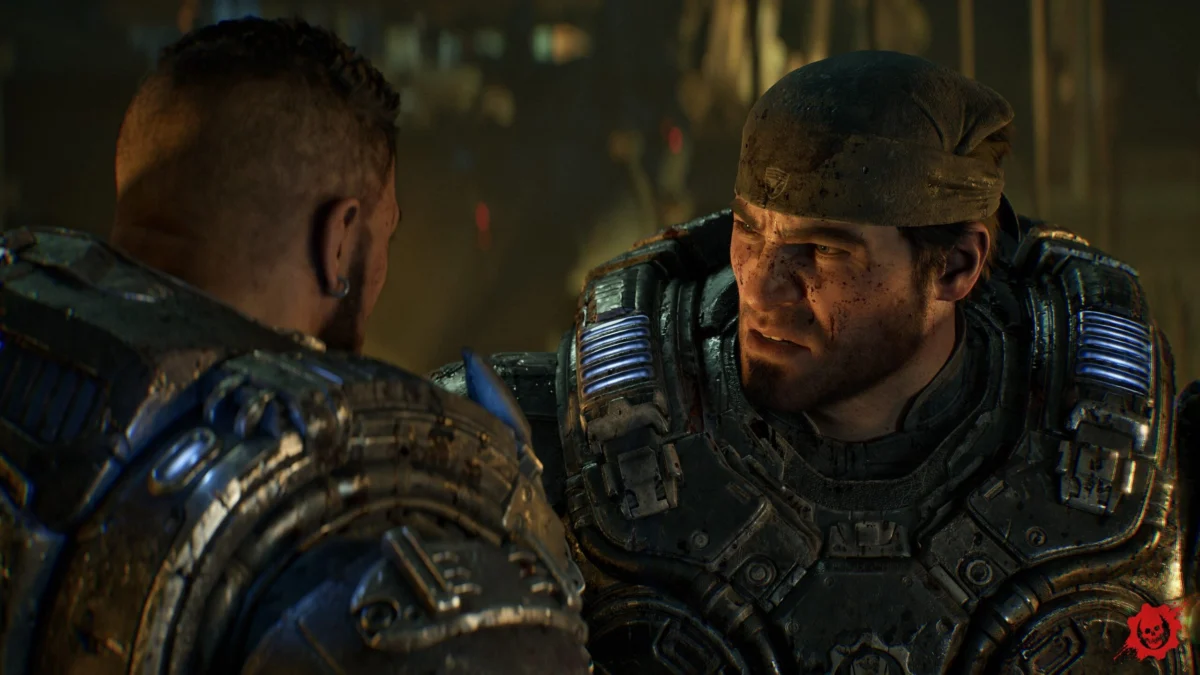
The release of Gears of War: E-Day was intended to be a triumphant return to form for one of the most storied franchises in Xbox history. By returning to the series’ roots and chronicling the terrifying onset of the Locust invasion, developer The Coalition aimed to reignite the passion of a fanbase that had been dormant since the release of Gears 5 in 2019. While the game has achieved critical acclaim and impressive engagement numbers, the victory is overshadowed by a pervasive sense of dread within the studio. Despite the high-profile launch, the employees of The Coalition—a cornerstone of the Microsoft gaming ecosystem—remain trapped in a state of professional limbo, fearing that their recent success may not be enough to shield them from the cold reality of corporate restructuring.
The State of Play: Success vs. Stability
Gears of War: E-Day arrived with significant expectations. After a seven-year development cycle, the pressure on The Coalition to deliver a flagship title that could justify the ongoing investment in the Xbox brand was immense. In many respects, the studio succeeded. Critics praised the game’s narrative depth and mechanical polish, and players have flocked to the title, with Steam performance data indicating that E-Day currently enjoys some of the highest engagement figures in the franchise’s long history.
However, the internal atmosphere at the Vancouver-based studio is far from celebratory. Reports suggest that a significant number of staff members are bracing for potential layoffs, fearing that the completion of the project marks the end of their tenure at the company. This anxiety is not unfounded; it exists against a backdrop of widespread workforce reductions across the broader Microsoft gaming division—cuts initiated by leadership as part of a strategic pivot toward aggressive profitability. For the developers who spent years pouring their expertise into E-Day, the irony is palpable: having shipped a successful, high-quality product, they now find themselves wondering if they have simply worked themselves out of a job.
A Chronology of the Gears Franchise and The Coalition’s Evolution
To understand the current tension, one must look at the historical trajectory of The Coalition. Formed by Microsoft specifically to take over the Gears of War mantle from Epic Games, the studio has been the primary steward of the franchise for over a decade.
- 2014–2016: The Coalition establishes its identity with the release of Gears of War: Ultimate Edition and Gears of War 4, proving it could maintain the technical fidelity and visceral combat synonymous with the series.
- 2019: The launch of Gears 5. While critically lauded, it also marked the beginning of a long silence for the franchise, as the studio spent the next several years experimenting with new technologies, specifically Unreal Engine 5.
- 2020–2023: A period of "quiet" development. During these years, The Coalition focused on tech demos and internal engine transitions, which, while vital for the technical longevity of the franchise, contributed to a seven-year gap between major mainline entries.
- 2024: The announcement and subsequent launch of Gears of War: E-Day. The title was framed as a prequel, a strategic choice intended to reset the narrative stakes and appeal to both veteran fans and newcomers.
- Late 2024/Early 2025: The current post-launch phase, characterized by the intersection of commercial success and the threat of organizational downsizing.
The Exclusivity Dilemma and Corporate Strategy
One of the most defining aspects of the Gears of War: E-Day rollout was its commitment to Xbox exclusivity. In an era where many major publishers are pivoting toward multi-platform releases to maximize revenue, the decision to keep Gears locked to Xbox was a bold, albeit restrictive, move.
Reports indicate that this decision was finalized shortly before the game’s major summer reveal, a choice that analysts suggest limits the title’s total addressable market. By choosing to forgo the massive player base on PlayStation 5, Microsoft has essentially relegated E-Day to a "brand showcase" rather than a broad-market revenue driver.
In a recent interview with the BBC, studio head Mike Crump addressed the exclusivity question, framing it as an essential component of the brand’s identity. "Gears has been an exclusive franchise to Xbox for 20 years now. It’s sort of entwined deeply with the brand," Crump stated. This sentiment highlights the tension between art and commerce: while an exclusive title serves as a potent advertisement for the Xbox platform, it places an immense burden on the developer to prove their worth not just through sales, but through technical prestige.
.jpg?width=570&quality=85&format=jpg&dpr=3)
Measuring Success: Beyond the Balance Sheet
When asked how The Coalition measures the success of its projects, Crump moved the goalposts away from simple unit sales. Instead, he emphasized the studio’s role as the "technological vanguard" for Xbox.
"We measure things like, are we showcasing the platform? Are we pushing the hardware to its limits? Are we showcasing what the Xbox is capable of?" Crump explained. This perspective positions The Coalition as a "showcase studio," tasked with creating games that demonstrate the raw power of the console. This mandate is both a blessing and a curse; while it secures the studio’s role as a vital partner for Microsoft’s hardware team, it also creates a high-stakes environment where "good enough" is never sufficient. The studio’s primary goal, according to Crump, is to be the "best-looking game on the Xbox."
The Path Forward: Implications and Future Outlook
Despite the looming threat of layoffs, Crump remains optimistic about the future of the studio. A critical takeaway from his recent remarks is the acknowledgment of the development cycle. Admitting that the seven-year gap between Gears 5 and E-Day was an outlier, he framed the latest release as a "great foundation" for future sequels. Crucially, he promised that the next project "will not take nearly as long" to develop.
This commitment to faster production cycles is likely a requirement imposed by Microsoft’s leadership. The gaming industry is moving toward shorter, more iterative development cycles, and for The Coalition to remain a viable entity, it must prove that it can iterate on the Gears formula with greater agility.
The Human Cost
The implications for the developers involved are severe. The uncertainty surrounding their job security impacts morale, team retention, and the creative culture of the studio. If the industry continues to prioritize short-term profitability over the long-term health of creative teams, studios like The Coalition may find it increasingly difficult to attract and retain the top-tier talent required to build world-class experiences.
The Strategic Value of Gears
Ultimately, Gears of War remains a crown jewel for Microsoft. It is a recognizable, high-fidelity IP that helps sell hardware. However, the disconnect between the studio’s technical success and the internal fear of layoffs suggests a misalignment in corporate culture. For Microsoft, the challenge is to balance the need for fiscal discipline with the necessity of maintaining the human infrastructure that makes its most important franchises possible.
As The Coalition looks to its next project, the pressure will only mount. They have proven that they can deliver a technically superior, critically acclaimed title under difficult circumstances. Whether that performance is enough to satisfy the demands of the board, however, remains to be seen. The studio has successfully launched a new era for Gears of War, but they are now fighting their own battle for survival—one that is far less predictable than the war against the Locust.
 Raul Delapena Setiawan
  Iffa Jayyana
  Lina Hope